How Does the Toyota Highlander Hybrid Charge Its Battery
The Toyota Highlander Hybrid uses a self-charging system that never needs an external plug. Energy is captured through regenerative braking and the gasoline engine. This keeps the high-voltage battery ready for electric-only driving and better fuel economy.
Many drivers wonder how the Toyota Highlander Hybrid keeps its battery charged. The answer lies in a smart hybrid system that works automatically. You never need to plug in the vehicle. Instead, the car uses energy from braking and the engine. This makes the Highlander Hybrid convenient and efficient. Understanding this system helps you get the most from your SUV.
The Toyota Highlander Hybrid uses a self-charging hybrid battery that replenishes itself while you drive. The system captures wasted energy and stores it for later. This process is simple and reliable. You just drive as normal, and the car handles the rest. Below, we explain exactly how the Toyota Highlander Hybrid charges its battery and share tips to keep it healthy.
Key Takeaways
- The battery charges itself: No plug-in is needed. Regenerative braking and the engine do the work.
- Regenerative braking is the main charger: Every time you slow down, energy flows back to the battery.
- The gasoline engine acts as a generator: It tops up the battery when charge gets low.
- Electric-only driving is possible at low speeds: The Highlander can glide on electricity alone in traffic or parking lots.
- Battery health is easy to maintain: Smooth driving and regular service keep the pack strong for years.
- No special charging routines: The system manages everything automatically.
- Warranty covers the hybrid battery: Toyota backs the system with a strong 8-year/100,000-mile warranty.
📑 Table of Contents
- How the Toyota Highlander Hybrid Charging System Works
- The Role of the Gasoline Engine in Charging
- Battery Capacity and Electric-Only Driving
- Maintaining Your Hybrid Battery Health
- Expert Insights on Toyota Highlander Hybrid Charging
- Frequently Asked Questions About Toyota Highlander Hybrid Charging
- Conclusion
How the Toyota Highlander Hybrid Charging System Works
The Toyota Highlander Hybrid relies on a clever network of components. The hybrid system manages power between the gasoline engine, electric motor, and battery. It decides in milliseconds which source to use. The goal is smooth power and maximum efficiency. Here is a closer look at the main parts.
The Hybrid Synergy Drive
The heart of the system is the Toyota Hybrid Synergy Drive. This setup uses a gasoline engine, an electric motor, and a power-split device. To understand the full process, you can read about how a hybrid car works step by step. The power-split device acts like a smart traffic controller for energy. It decides when to use the engine, the electric motor, or both together. The high-voltage battery stores energy for the electric motor. When you slow down, the system reverses the electric motor. It then acts as a generator to capture energy. This captured energy flows back into the battery. The whole process happens seamlessly. You barely notice it happening. The system is designed to keep the battery at the right charge level. It never lets the battery get too full or too empty.
Regenerative Braking Explained
Regenerative braking is the key to charging the battery. When you take your foot off the accelerator or press the brake, the electric motor spins in reverse. This creates resistance, which slows the car down. At the same time, the motor generates electricity. That electricity charges the hybrid battery. The harder you brake, the more energy you recover. This is why driving in city traffic is great for the battery. You brake and accelerate often, which creates many charging opportunities. On the highway, regenerative braking happens less. But the gasoline engine can also generate electricity when needed.
The Role of the Gasoline Engine in Charging
The gasoline engine does more than just move the car. It also helps charge the battery. When the battery charge drops low, the engine can spin the electric motor. The motor then acts as a generator. This sends electricity back to the battery. This process is called charge sustaining. It keeps the battery at a healthy state of charge. You might notice the engine running even when the car is stopped. That is the engine powering a generator to top up the battery. The system is very efficient. It uses just enough fuel to keep the battery ready.
Charge Sustaining vs. Charge Depleting
Toyota uses two modes to manage the battery. Charge depleting means the car uses stored battery energy first. This happens in EV mode or at low speeds. The gasoline engine stays off until more power is needed. Charge sustaining means the engine generates electricity to maintain the battery level. The system switches between these modes automatically. It balances fuel use and battery health perfectly. You do not need to control this manually.
Battery Capacity and Electric-Only Driving
The Toyota Highlander Hybrid has a high-voltage nickel-metal hydride battery. This battery stores enough energy for short electric-only trips. In most cases, you can drive on electric power alone at low speeds. This happens when you pull away from a stop sign. The electric motor handles the initial movement. The gasoline engine kicks in when you need more power. You might also use electric power in heavy traffic. The battery provides a small boost of electricity. This helps improve fuel economy. The battery capacity is designed for daily driving needs. It is not meant to power the car for long distances alone. The system balances electric and gas power for the best results.
How Far Can You Go on Electric Power Alone?
The electric-only range is short but useful. At low speeds, the Highlander can glide on electricity for about one to two miles. This is perfect for parking lot maneuvers or residential streets. The battery provides enough power for gentle acceleration. Once you demand more speed, the engine joins in. The transition is smooth and almost unnoticeable. The electric motor also assists the engine during hard acceleration. This means the car uses less gasoline overall. The combined system delivers strong performance and good mileage.
Maintaining Your Hybrid Battery Health
Taking care of your hybrid battery is easy. The system manages most of the work for you. Still, a few habits can help the battery last longer. First, avoid letting the battery drain completely. The system keeps the battery in a safe range. But frequent deep discharges can strain the cells. Second, drive smoothly. Gentle acceleration and braking help the regenerative system work well. Third, keep the battery cool. High temperatures can reduce battery life. Park in the shade when possible. Fourth, follow the recommended maintenance schedule. The dealer will check the hybrid system during service. They can spot small issues before they become big problems.
Quick Tips for Hybrid Battery Care
- Drive gently: Smooth acceleration reduces strain on the battery.
- Use B mode: On hills, use the B mode to increase regenerative braking.
- Avoid deep discharges: The system keeps the battery above a safe level.
- Keep tires inflated: Proper tire pressure improves fuel efficiency and reduces battery load.
- Service on time: Regular check-ups keep the hybrid system running well.
Common Mistakes That Affect Battery Health
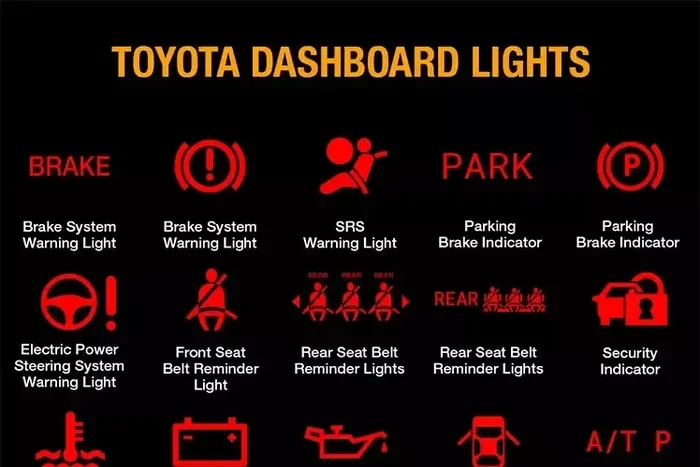
Some habits can hurt your hybrid battery over time. One common mistake is ignoring warning lights. If the hybrid system light comes on, get it checked. Another mistake is frequently running the battery to empty. The system prevents this, but very short trips might not give the battery enough time to recharge. Also, avoid using accessories when the engine is off. The 12-volt auxiliary battery powers accessories. If you drain it, the hybrid system might not start properly. Finally, do not modify the electrical system. Aftermarket electronics can interfere with the charging process. Keep the stock system intact for best performance. If you are curious about long-term storage, see how long a hybrid can sit without being driven.
Expert Insights on Toyota Highlander Hybrid Charging
According to Toyota engineers, the Highlander Hybrid is designed for real-world driving. The system is simple and reliable. There are very few moving parts in the charging process. Most drivers never need to think about the battery. The car does all the work. Expert reviews also note that the hybrid battery often lasts the life of the vehicle. With proper care, you may never need to replace it. The regenerative braking system is a clever way to save energy. It turns wasted motion into useful electricity. This is why Toyota hybrids are so popular. They offer great fuel economy without any extra effort from the driver. The power-split device is a key innovation. It splits power between the engine and motor seamlessly. This makes the Highlander Hybrid feel refined and responsive.
Frequently Asked Questions About Toyota Highlander Hybrid Charging
Many owners have questions about how the system works. Here are answers to the most common ones.
Does the Toyota Highlander Hybrid need to be plugged in?
No, the Highlander Hybrid is a self-charging vehicle. It does not have a plug-in port. The battery charges itself through regenerative braking and the gasoline engine. You never need to find a charging station. This makes it as convenient as a regular car. The system handles everything automatically. You just drive and refuel with gasoline like normal.
How long does the hybrid battery last?
Toyota designs the hybrid battery to last the life of the vehicle. Many Highlander Hybrid owners report over 200,000 miles on the original battery. The system keeps the battery in a safe charge range. This prevents overcharging and deep discharging. If you maintain the car properly, the battery should last a long time. In rare cases, the battery may need replacement after many years. But this is not common.
Can you jump-start a Toyota Highlander Hybrid?
Yes, you can jump-start the 12-volt auxiliary battery. The hybrid system uses a standard 12-volt battery to start the car. If this battery dies, you can use jumper cables. However, you cannot jump-start the high-voltage hybrid battery. That battery is managed by the car’s computer. If the hybrid system has an issue, a technician must diagnose it. You might also be interested in jump-starting a Toyota hybrid for more details. Always follow the owner’s manual for jump-starting procedures. This ensures safety and prevents damage.
What happens when the hybrid battery is full?
The system never lets the battery overcharge. When the battery reaches a full state of charge, the system stops sending energy to it. The regenerative braking energy is then used to power the electric motor directly. This is called charge depleting. The system is very smart. It balances charging and discharging in real time. You do not need to monitor the battery level. The car takes care of it.
How can I improve fuel economy with the hybrid system?
You can improve fuel economy by using regenerative braking wisely. Lift off the accelerator early when approaching stops. This lets the system capture more energy. Also, use the EV mode when appropriate. The Highlander Hybrid has an EV mode for low-speed driving. This uses only the electric motor. It saves fuel in parking lots and residential areas. Finally, keep your tires properly inflated. Low tire resistance helps the electric motor use less energy. Small changes add up over time.
Is the Toyota Highlander Hybrid battery covered under warranty?
Yes, Toyota offers a comprehensive warranty on hybrid components. The hybrid battery is covered for 8 years or 100,000 miles, whichever comes first. Some states have longer warranties. Check your owner’s manual for details. The warranty covers defects in materials and workmanship. It does not cover damage from improper use. Regular maintenance helps keep the warranty valid. If you have concerns, visit a Toyota dealer for an inspection.
Conclusion
The Toyota Highlander Hybrid uses a smart, self-charging system that keeps the battery ready for action. The hybrid battery charges through regenerative braking and the gasoline engine. You never need to plug in the vehicle. The system is simple, reliable, and designed to last. By driving smoothly and following basic maintenance tips, you can help the battery stay healthy for many years. Understanding how the Toyota Highlander Hybrid charges its battery gives you confidence in your vehicle. It also helps you get the best fuel economy and performance. Enjoy the drive, knowing your hybrid system works hard for you.