How Long Can You Lease a Toyota Without Breaking the Bank
You can typically lease a Toyota for 24 to 48 months, with 36 months being the most popular option. Short-term leases of 12 months and long-term leases up to 60 months are also available depending on the dealer and model. Understanding lease terms, mileage limits, and down payment options helps you avoid hidden costs and keep monthly payments affordable.
Leasing a Toyota is one of the smartest ways to drive a new vehicle without the long-term commitment of ownership. Whether you want a sleek Camry, a rugged Tacoma, or a family-friendly Sienna, Toyota leasing options give you flexibility and freedom. But here is the big question most people ask: how long can you lease a Toyota without stretching your budget too thin?
The answer is not as simple as picking a number. Lease durations vary widely, and the right term for you depends on your driving habits, financial goals, and lifestyle. In this guide, we break down everything you need to know about Toyota lease terms, from short-term deals to extended leases. By the end, you will know exactly how to choose a lease that keeps your wallet happy.
Let us start with the basics. Most Toyota leases run between 24 and 48 months. The 36-month lease is the most common choice because it strikes a great balance between monthly payments and total cost. But shorter and longer options exist too. Understanding these choices is the first step toward finding the right deal.
Key Takeaways
- Standard lease terms range from 24 to 48 months, with 36 months being the sweet spot for most drivers.
- Short-term leases (12 months) exist but often come with higher monthly payments.
- Long-term leases (up to 60 months) can lower monthly costs but may cost more overall.
- Mileage limits typically range from 10,000 to 15,000 miles per year, and excess mileage fees add up fast.
- Negotiating lease terms is possible and can save you hundreds of dollars over the lease period.
- Early lease termination is an option but may come with penalties you should understand first.
- Down payment amounts vary, and putting less down can protect your finances if the car gets damaged.
📑 Table of Contents
- Understanding Toyota Lease Duration Options
- Factors That Affect How Long You Can Lease a Toyota
- How to Choose the Right Lease Term for Your Budget
- Negotiating Your Toyota Lease Terms
- What Happens When Your Toyota Lease Ends
- Common Mistakes to Avoid When Leasing a Toyota
- Expert Tips for Getting the Best Toyota Lease Deal
- Frequently Asked Questions
- Conclusion
Understanding Toyota Lease Duration Options
When you walk into a dealership or browse online listings, you will see different lease lengths advertised. Each option has its own pros and cons. Let us explore what is available and what makes each one unique.
Short-Term Leases (12 Months)
A 12-month lease is the shortest option available. Some dealers offer these for drivers who need a temporary vehicle or want to test a model before committing. Short-term Toyota lease deals can work well if you are between cars or relocating temporarily.
However, short-term leases come with a catch. Your monthly payment will be higher than a longer lease because the depreciation cost is spread over fewer months. You also may face higher lease initiation fees and less room to negotiate. If you only need a car for a few months, this option can still make sense, but read the fine print carefully.
Standard Leases (24 to 36 Months)
The 24-month and 36-month lease options are the most popular choices among Toyota buyers. A 24-month lease gives you more flexibility, while a 36-month lease typically offers lower monthly payments. Most drivers find the 36-month term ideal because it aligns with the vehicle’s strongest warranty period.
Here is why 36 months works so well:
- Lower monthly payments compared to shorter terms
- Full bumper-to-bumper warranty coverage for most Toyota models
- Easier to negotiate with dealers on monthly rate and fees
- Good resale value if you decide to buy the car at lease end
Extended Leases (48 to 60 Months)
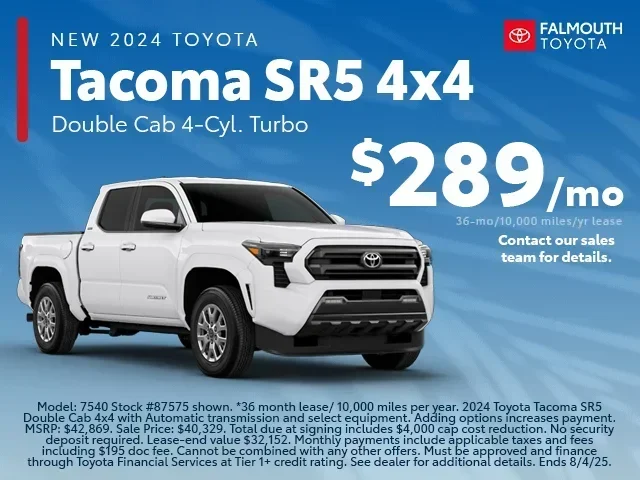
Some dealers offer 48-month and even 60-month Toyota lease terms. These longer leases spread the cost over more months, which lowers your monthly payment. They can be appealing if you want predictable payments over a longer period.
But there are trade-offs. Older vehicles under lease may fall out of warranty, leaving you responsible for maintenance and repairs. The residual value of the car also drops further, which can affect your options at the end of the lease. Always calculate the total cost before signing a longer lease agreement.
Factors That Affect How Long You Can Lease a Toyota
Not everyone qualifies for the same lease terms. Several factors determine what lease duration and payment structure work best for you. Let us look at the key elements that shape your Toyota leasing experience.
Your Credit Score
Your credit score is the single biggest factor in lease approval and terms. A high credit score (720 or above) unlocks the best interest rates and the widest range of lease durations. If your score is lower, you may still qualify, but expect higher monthly payments or a shorter lease term.
Before applying, check your credit report for errors. Even a small improvement in your score can save you hundreds of dollars over the life of a lease. Many dealers also offer bad credit lease options, but these come with higher costs.
Toyota Model and Trim Level
Not all Toyota models lease the same way. Popular models like the RAV4, Camry, and Highlander often have special lease incentives that make longer terms more affordable. Less popular models may have fewer incentives or shorter available lease durations.
The trim level also matters. A base trim typically has a lower monthly lease payment than a higher trim with more features. If you want a specific model but need to keep payments low, consider a lower trim or a certified pre-owned Toyota lease option.
Annual Mileage Limits
Every Toyota lease comes with a mileage cap. Standard limits are usually 10,000, 12,000, or 15,000 miles per year. If you exceed the limit, you will pay a fee for every extra mile, typically between 15 and 30 cents per mile.
Think about your driving habits honestly. If you commute long distances or love road trips, choose a higher mileage allowance or a shorter lease term. Excess mileage charges can add up quickly and surprise you at the end of the lease.
How to Choose the Right Lease Term for Your Budget
Choosing the right lease term is about balancing monthly payments with total cost. A longer lease means smaller monthly bills but potentially more interest paid over time. A shorter lease means higher monthly payments but less total cost.
Monthly Payment vs. Total Cost
Here is a simple way to think about it. A 36-month lease will cost you less overall than a 60-month lease for the same vehicle. But the monthly payment on the 60-month lease will feel more manageable in your budget. The key is to find the sweet spot where the payment fits comfortably without paying too much in the long run.
Use this quick checklist when comparing lease terms:
- Can you afford the monthly payment? Keep it below 10% of your monthly income.
- What is the total cost over the lease? Add up all payments plus fees.
- Are there lease incentives or discounts? Toyota often runs special promotions.
- What happens at lease end? Consider buyout options and turn-in fees.
The Role of Down Payment
Your lease down payment (also called capitalized cost reduction) directly affects your monthly payment. A larger down payment lowers the monthly bill, but it also ties up more cash upfront. Many financial advisors recommend putting as little down as possible on a lease.
Why? Because if the car gets totaled or stolen early in the lease, your insurance may not cover the full amount you still owe. Putting less down protects your finances. For most drivers, a down payment of $1,000 to $3,000 is a reasonable starting point.
Negotiating Your Toyota Lease Terms
Many people assume lease terms are set in stone. That is far from the truth. You can negotiate almost every aspect of a Toyota lease, from the monthly payment to the mileage allowance. Negotiating your lease is one of the best ways to save money.
What You Can Negotiate
Here are the key areas where you have leverage during lease negotiations:
- Monthly payment amount – Ask the dealer to lower it or waive fees.
- Capitalized cost – This is the vehicle’s negotiated price. Lower it, and your payments drop.
- Money factor (interest rate) – equivalent to an APR. Ask for a lower rate.
- Mileage allowance – If you drive more than average, negotiate for a higher cap.
- Disposition fee – This fee at lease end is often negotiable.
- Acquisition fee – Some dealers will waive this upfront cost.
When you negotiate the price on a leased car, come prepared. Research the fair market value of the model you want, know the current Toyota lease incentives, and be ready to walk away if the deal does not feel right. Dealers respect buyers who are informed and confident.
Timing Your Lease Negotiation
Timing matters more than most people realize. Visit the dealership at the end of the month when sales teams are pushing to hit quotas. Also, shop during holiday sales events or when Toyota releases new model year vehicles. These periods often bring special lease deals that can save you significant money.
What Happens When Your Toyota Lease Ends
The end of your lease is an important moment. You have several options, and understanding them ahead of time prevents surprises. Let us walk through each choice.
Option 1: Return the Vehicle
The simplest option is to return the Toyota and walk away. Before you do, make sure the vehicle is in good condition. Excessive wear and tear or mileage overages will result in additional charges. Schedule a lease inspection a few weeks before the end date to avoid any disputes.
Option 2: Purchase the Vehicle
Most Toyota leases include a buyout option at the end of the term. You can purchase the vehicle for the residual value stated in your lease agreement. This can be a great deal if the car holds its value well and you have grown attached to it.
Compare the buyout price to the current fair market value of the vehicle. If the buyout price is lower, buying makes financial sense. If it is higher, you may want to return the car and lease a new one.
Option 3: Lease a New Toyota
Many drivers choose to lease a new vehicle once their current lease ends. This keeps the cycle going and lets you always drive a new car with the latest features. Toyota lease renewal options are often available, and you may qualify for the same or better incentives as your first lease.
Option 4: Early Lease Termination
Sometimes life changes and you need to end a lease early. Can you end your Toyota lease early? Yes, but there are costs involved. Early termination typically requires paying the remaining lease balance plus any fees. Before signing a lease, ask the dealer about early termination options and penalties.
Some third-party services can help you transfer your lease to another person, which avoids early termination fees. This is a growing trend and worth exploring if you find yourself needing out of a lease sooner than expected.
Common Mistakes to Avoid When Leasing a Toyota
Leasing a Toyota can be a fantastic experience, but mistakes happen. Here are the most common pitfalls and how to avoid them.
Skipping the Fine Print
Never sign a lease agreement without reading every detail. Pay close attention to mileage limits, wear-and-tear policies, and early termination clauses. The fine print is where hidden costs hide.
Underestimating Mileage Needs
Choosing a low mileage allowance to keep payments low is tempting. But if you consistently exceed the limit, those extra mileage fees will add up fast. Be realistic about how much you drive each year.
Ignoring Gap Insurance
Gap insurance covers the difference between what you owe on the lease and what the car is actually worth. If the vehicle is totaled or stolen, gap insurance protects you from a significant financial loss. Many leases include gap insurance automatically, but verify this before signing.
Not Negotiating
Too many lease shoppers accept the first offer they receive. Remember, almost every part of a lease is negotiable. Even a small reduction in the capitalized cost can lower your monthly payment significantly over the life of the lease.
Expert Tips for Getting the Best Toyota Lease Deal
Getting the best deal on a Toyota lease takes preparation and strategy. Here are some expert-backed tips that can save you real money.
- Research multiple dealers – Prices vary significantly between dealerships. Get quotes from at least three dealers before making a decision.
- Check for Toyota incentives – Toyota regularly offers special lease deals on popular models like the Camry, RAV4, and Tacoma.
- Time your purchase – End-of-month and end-of-year deals often come with better incentives.
- Keep your lease short – A 36-month lease typically offers the best balance of cost and flexibility.
- Maintain the vehicle properly – Regular oil changes and care protect you from wear-and-tear charges at lease end.
- Consider certified pre-owned leases – These can offer lower payments and still come with solid warranty coverage.
Following these tips puts you in a strong position to secure a Toyota lease deal that fits your budget and lifestyle perfectly. The goal is not just to find any lease, but to find the right one that keeps your finances healthy and your driving experience enjoyable.
Frequently Asked Questions
What is the shortest lease term available for a Toyota?
The shortest Toyota lease term is typically 12 months, though not all models and dealers offer this option. Short-term leases are ideal for temporary needs but come with higher monthly payments. Always compare the total cost of a short-term lease against longer options before committing.
Can I lease a Toyota for 5 years?
Yes, some dealers offer 60-month Toyota lease terms, though they are less common than 36-month leases. Longer lease terms lower monthly payments but may increase the total cost and leave you responsible for repairs once the warranty expires. Carefully weigh the pros and cons before choosing a 5-year lease.
How much should I put down on a Toyota lease?
Most experts recommend putting as little down as possible, typically between $1,000 and $3,000. A larger down payment reduces your monthly payment but increases your financial risk if the vehicle is damaged or totaled early in the lease. Focus on keeping the total upfront cost manageable.
Can I negotiate my Toyota lease terms?
Absolutely. You can negotiate the monthly payment, capitalized cost, mileage allowance, money factor, and various fees. Come prepared with research on fair market values and current Toyota lease incentives. Being informed gives you the leverage to secure a better deal.
What happens if I exceed my mileage limit on a Toyota lease?
You will be charged a fee for every mile over your limit, typically ranging from $0.15 to $0.30 per mile. These charges are added to your final lease bill. If you anticipate driving more than the standard limit, negotiate for a higher mileage cap upfront to avoid costly surprises.
Is it better to lease or buy a Toyota?
Leasing offers lower monthly payments and the ability to drive a new vehicle every few years. Buying builds equity and gives you long-term ownership freedom. The right choice depends on your financial goals, driving habits, and how long you plan to keep the vehicle. Consider both options carefully before deciding.
Conclusion
How long can you lease a Toyota without breaking the bank? The answer is anywhere from 12 to 60 months, depending on your needs, budget, and the specific deal you secure. The most popular choice remains the 36-month lease because it offers the best balance of affordable payments and total cost.
By understanding your options, negotiating effectively, and avoiding common mistakes, you can drive a new Toyota for a fraction of the cost of buying. Take your time, do your research, and never be afraid to walk away from a deal that does not feel right. The right Toyota lease is out there, and with the knowledge you now have, you are ready to find it.
Start by comparing lease terms from multiple dealers, checking current Toyota incentives, and honestly assessing your driving needs. A smart lease decision today sets you up for years of worry-free driving in a vehicle you love.