How Do You Reset the Check Engine Light on 2016 Toyota Camry
Resetting the check engine light on a 2016 Toyota Camry is something you can do at home with a few simple methods. Whether you use an OBD-II scanner, disconnect the battery, or cycle the ignition, this guide walks you through every option. We also cover when the light means serious trouble and when it is safe to ignore. Knowing how to handle the check engine light saves time and money.
The check engine light on your 2016 Toyota Camry can show up at the worst possible time. One moment you are driving calmly, and the next, that little yellow engine icon lights up on your dashboard. It is enough to make anyone feel a bit anxious. But here is the good news: you do not always need to rush to the mechanic. In many cases, you can handle this yourself. This guide walks you through how to reset the check engine light on a 2016 Toyota Camry using simple, proven methods. We will also help you understand what the light means and when you should actually worry.
Before we dive into the steps, let us talk about why this matters. The check engine light is part of your car’s onboard diagnostics system. It alerts you when something in the engine or emissions system is not working correctly. Sometimes the issue is minor, like a loose gas cap. Other times, it could signal a deeper problem that needs immediate attention. Either way, understanding the cause is the first step toward a proper fix. And once you know what is going on, resetting the light becomes a much simpler task.
Key Takeaways
- Multiple reset methods exist: OBD-II scanner, battery disconnect, and ignition cycling are the most common.
- Address the root cause first: Resetting the light without fixing the problem will only cause it to return.
- A loose gas cap is a common trigger: It is the simplest and most overlooked reason for the check engine light.
- Driving with the light on depends on the cause: Some issues are urgent while others are minor.
- Preventive maintenance helps: Regular upkeep reduces the chances of unexpected warning lights.
📑 Table of Contents
- Why Does the Check Engine Light Come On in a 2016 Toyota Camry?
- How to Reset the Check Engine Light on 2016 Toyota Camry: Method 1
- How to Reset the Check Engine Light on 2016 Toyota Camry: Method 2
- How to Reset the Check Engine Light on 2016 Toyota Camry: Method 3
- When Should You NOT Reset the Check Engine Light?
- Preventing the Check Engine Light from Returning
- How to Check if the Reset Was Successful
- Understanding the Difference Between the Check Engine Light and the Maintenance Required Light
- Expert Tips for Handling Check Engine Light Issues
- Conclusion
Why Does the Check Engine Light Come On in a 2016 Toyota Camry?
The check engine light is not just one thing. It is a general warning that something in your vehicle needs attention. The 2016 Toyota Camry uses a system called OBD-II, which stands for On-Board Diagnostics II. This system monitors all kinds of engine functions and emissions components. When it detects a problem, it stores a fault code and turns on the light. But the light itself does not tell you exactly what the problem is. That is where diagnostics come in.
There are hundreds of possible reasons the light might appear. Some are very common and easy to fix. Others require professional attention. The key is to not panic and to figure out the root cause before you try to reset anything. Resetting the light without fixing the problem will just bring it right back.
Common Reasons the Light Turns On
- Loose or faulty gas cap: This is the most common reason. A loose cap lets fuel vapors escape, which triggers the system.
- Oxygen sensor failure: The oxygen sensor measures unburned oxygen in the exhaust. When it fails, fuel efficiency drops.
- Catalytic converter issues: A failing converter can cause the light to turn on and may affect engine performance.
- Spark plug or ignition coil problems: Worn spark plugs can cause misfires, which activate the warning light.
- Mass airflow sensor fault: This sensor measures the air entering the engine. A dirty or faulty sensor can trigger the light.
- Emissions system leak: Small leaks in the EVAP system can cause the light to appear.
If you are wondering whether you can still drive safely, check out our article on Can I Drive My Toyota Camry With The Check Engine Light On. It covers exactly what to do when the light appears while you are on the road.
How to Reset the Check Engine Light on 2016 Toyota Camry: Method 1
Using an OBD-II scanner is the most reliable and recommended method. This small device plugs into your car’s diagnostic port and reads the fault codes stored by the engine computer. It tells you exactly what triggered the light, and it can also clear those codes to turn off the warning.
What You Need
- An OBD-II scanner (basic models cost under $30)
- Your 2016 Toyota Camry
- A few minutes of your time
Step-by-Step Instructions
- Locate the OBD-II port: In the 2016 Toyota Camry, the port is under the dashboard on the driver’s side. It is usually near the steering column, below the fuse box cover.
- Turn the ignition to the ON position: Do not start the engine. Just turn the key to the position where the dashboard lights come on.
- Plug in the scanner: Connect the OBD-II scanner firmly into the port. You should feel it click into place.
- Turn the scanner on: Most scanners power up automatically when plugged in. Follow the on-screen prompts.
- Read the fault codes: The scanner will display one or more codes. Write them down or take a photo with your phone. These codes tell you what the problem is.
- Look up the codes: You can search the codes online or in your scanner’s manual. Each code has a specific meaning. For example, P0420 often points to a catalytic converter issue.
- Fix the problem: Once you know the cause, address it. This might mean tightening the gas cap, replacing a sensor, or fixing a loose hose.
- Clear the codes: After the repair, use the scanner to clear the fault codes. The check engine light should turn off.
- Drive and verify: Take a short drive. If the light stays off, the reset was successful. If it comes back, the problem is not fully resolved.
This method is the best because it gives you information before you reset anything. You know what you are dealing with. If the issue is serious, you can take your car to a mechanic instead of guessing.
How to Reset the Check Engine Light on 2016 Toyota Camry: Method 2
Disconnecting the battery is a traditional method that many car owners use. It resets the car’s computer and clears the stored fault codes. However, it does not tell you what caused the light in the first place. Use this method only if you already know the problem is fixed or if the light came on due to a minor issue.
Step-by-Step Instructions
- Park the car on a flat surface: Make sure the engine is off and the keys are removed from the ignition.
- Open the hood: Locate the battery. In the 2016 Toyota Camry, the battery is on the right side of the engine bay.
- Disconnect the negative terminal first: Use a wrench to loosen the nut on the black cable (negative terminal). Pull the cable off and tuck it away from the battery.
- Wait 15 to 30 minutes: This gives the car’s computer time to fully reset. Some people wait longer, but 30 minutes is usually enough.
- Reconnect the negative terminal: Place the cable back on the terminal and tighten the nut securely.
- Start the car: Turn the key to start the engine. The check engine light should be off.
- Drive the car: Take a short drive to let the computer recalibrate. The light should stay off if the original issue is resolved.
Keep in mind that disconnecting the battery will also reset other settings. Your radio presets, clock, and power window calibration may need to be reset. This is a small trade-off, but it is worth knowing before you start.
How to Reset the Check Engine Light on 2016 Toyota Camry: Method 3
The ignition cycling method is a simple technique that does not require any special tools. It works by cycling the ignition on and off multiple times, which can clear minor fault codes from the system.
Step-by-Step Instructions
- Turn the ignition to OFF: Make sure the engine is completely off.
- Wait 30 seconds: Give the system a moment to settle.
- Turn the ignition to ON (not start): Let the dashboard lights come on.
- Wait another 30 seconds: This allows the car’s computer to power up.
- Turn the ignition back to OFF: Switch the key back to the off position.
- Repeat this cycle three to four times: The repeated cycling can help clear minor codes.
- Start the engine: After the final cycle, start the car and check if the light is off.
This method works best for temporary issues. If the light was triggered by something like a loose gas cap or a momentary sensor glitch, the ignition cycle can clear it. However, if there is a real mechanical problem, the light will likely return after a few drives.
When Should You NOT Reset the Check Engine Light?
Resetting the light is not always the right move. There are situations where you should avoid resetting it and seek professional help instead. Understanding these situations can save you from costly repairs and keep you safe on the road.
Situations That Require Immediate Attention
- The light is flashing: A flashing check engine light usually indicates a serious engine misfire. Continuing to drive can damage the catalytic converter.
- You notice a loss of power: If the engine feels weak or sluggish along with the light, there may be a significant issue.
- Unusual noises or vibrations: Knocking, pinging, or shaking alongside the light is a red flag.
- The car is running rough: A rough idle or stalling means the engine is not performing properly.
- You see fluid leaks: If there are puddles under the car or visible leaks, do not just reset the light.
In these cases, the check engine light is trying to protect you. Resetting it without addressing the cause could lead to more expensive damage. If you are unsure about the severity of the issue, it is always better to consult a mechanic. You can also check for Toyota Camry recalls to rule out any known factory issues that might be causing the light.
Preventing the Check Engine Light from Returning
Once you have successfully reset the light, you want it to stay off. The best way to do this is through regular maintenance and good driving habits. Preventive care goes a long way in keeping your 2016 Toyota Camry running smoothly.
Simple Habits That Help
- Check your gas cap regularly: Make sure it is tight and not cracked. A worn cap can cause the light to return.
- Keep up with oil changes: Fresh oil keeps the engine running cleanly and reduces the risk of sensor issues.
- Use quality fuel: Cheap or contaminated fuel can cause sensor problems and trigger the light.
- Address small issues early: Do not ignore minor warning signs. A small problem today can become a big repair tomorrow.
- Monitor your dashboard: Pay attention to other warning lights. They often work together to give you a full picture of your car’s health.
After resetting the light, you should also monitor your car for a few days. If the light comes back, do not just reset it again. Go back to the root cause and make sure the repair was done correctly. Sometimes the fix needs a second attempt or a different solution.
How to Check if the Reset Was Successful
After you have reset the check engine light, you need to verify that it actually worked. The last thing you want is to think the problem is solved when it is not. Here is how you can confirm the reset was successful.
First, simply look at the dashboard when you start the car. The check engine light should not appear. If it does come on immediately after starting, the issue was not fully resolved. If it does not appear right away, drive the car for a few days and see if it stays off.
Another way to verify is by using the OBD-II scanner again. Plug it in and check for any stored codes. If there are no codes, the reset was successful. If codes have returned, you need to revisit the repair. Sometimes the scanner also shows pending codes, which are early warnings of potential issues that have not yet triggered the light.
It is also worth noting that some codes clear automatically after a certain number of driving cycles. A driving cycle usually involves starting the car cold, driving it for a while, and then turning it off. The car’s computer monitors specific conditions during this cycle. If everything checks out, the computer will clear the code on its own. This can take anywhere from one to several drive cycles.
Understanding the Difference Between the Check Engine Light and the Maintenance Required Light
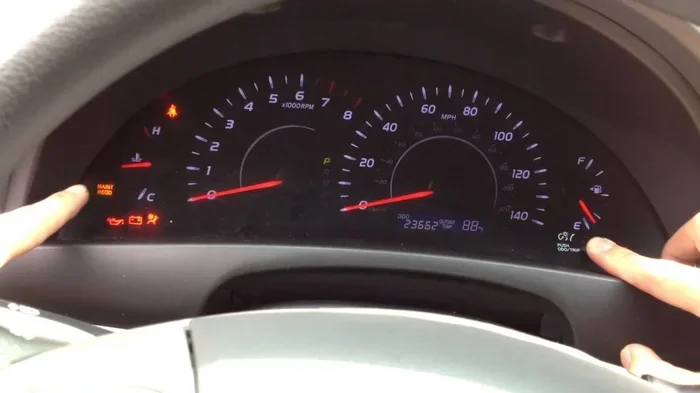
Many Toyota Camry owners confuse the check engine light with the maintenance required light. These two lights serve very different purposes. The check engine light is a warning about a mechanical or emissions problem. The maintenance required light is simply a reminder that it is time for scheduled service, like an oil change.
If your maintenance light is on and you are unsure how to handle it, you can read more about it in our guide on Can I Drive With A Maintenance Required Light On In A Toyota. Understanding the difference helps you respond appropriately and avoid unnecessary panic when a light comes on.
The maintenance required light typically resets after you complete the scheduled service and follow a specific reset procedure for your vehicle. It does not indicate any problem with the engine or emissions system. Knowing this distinction can save you time and money at the repair shop.
Expert Tips for Handling Check Engine Light Issues
Over the years, experienced mechanics and car owners have gathered some valuable tips for dealing with check engine light issues. Here are a few that can make your life easier.
- Keep a basic OBD-II scanner in your glove box: It is a small investment that pays for itself the first time you can diagnose a problem at home.
- Do not ignore the light, even if the car seems fine: Some issues do not cause immediate symptoms but can worsen over time.
- Address loose gas caps immediately: This simple fix prevents unnecessary trips to the mechanic.
- Record when the light appeared: Note the date and any driving conditions. This information can help a mechanic diagnose the issue faster.
- Do not repeatedly reset the light: If the light keeps coming back, there is a real problem that needs fixing.
These tips may seem simple, but they can save you a lot of frustration and money over the life of your car. The check engine light is designed to help you, not to scare you. Treat it as a helpful tool rather than a cause for panic.
Conclusion
Resetting the check engine light on a 2016 Toyota Camry is something most car owners can do with basic tools and a little patience. Whether you use an OBD-II scanner, disconnect the battery, or cycle the ignition, the process is straightforward. But the most important step is always addressing the root cause. Resetting the light without fixing the problem will only lead to the same issue returning.
Start with the simplest fixes, like checking the gas cap, and work your way up to more involved repairs. Use the methods in this guide to reset the light safely and effectively. And remember, if the light is flashing or you notice serious symptoms, do not hesitate to seek professional help. Your 2016 Toyota Camry is a reliable vehicle, and with proper care and attention, it will keep running smoothly for years to come. Stay proactive, stay informed, and never ignore what your car is trying to tell you.
Frequently Asked Questions
Can I drive my 2016 Toyota Camry with the check engine light on?
If the light is steady and the car is running normally, you can usually drive a short distance. However, if the light is flashing or you notice any performance issues, you should pull over and seek help immediately. Check our guide on driving with the check engine light for more details.
How much does it cost to reset the check engine light at a mechanic?
Many auto parts stores will read and clear fault codes for free. If you visit a mechanic, expect to pay for the diagnostic time, which typically ranges from $50 to $150. The actual repair cost depends entirely on what caused the light to come on.
Will resetting the check engine light clear fault codes permanently?
Resetting the light clears the current codes, but if the underlying problem is not fixed, the codes will return. The car’s computer will detect the same issue again and trigger the light once more. Always address the root cause before resetting.
How long does it take to reset the check engine light?
Using an OBD-II scanner takes only a few minutes. The battery disconnect method requires waiting 15 to 30 minutes for the computer to fully reset. The ignition cycling method takes about 5 to 10 minutes. The actual time depends on the method you choose.
What is the most common reason the check engine light comes on in a Toyota Camry?
The most common reason is a loose or faulty gas cap. A simple tighten of the cap often resolves the issue. Other frequent causes include oxygen sensor failures, catalytic converter problems, and spark plug wear.
Can I reset the check engine light without an OBD-II scanner?
Yes, you can use the battery disconnect method or the ignition cycling method. Both methods do not require any special tools. However, an OBD-II scanner is the most reliable option because it tells you exactly what caused the light to come on before you reset it.