Do You Have to Plug In a Prius Everything You Need to Know
Not all Prius models need to be plugged in. The standard Prius is a self-charging hybrid that uses regenerative braking, while the Prius Prime is a plug-in hybrid that runs on electric power alone for short trips. Whether you need to plug in depends entirely on which Prius you own and how you drive.
Have you ever wondered whether you actually need to plug in your Prius? It is a question a lot of people ask, especially if they are new to hybrid vehicles. The answer might surprise you. Not every Prius needs to be plugged in, and understanding the difference can save you time, money, and a lot of confusion.
The Toyota Prius has been around for decades, and it comes in different versions. Some versions are standard hybrids that charge themselves. Others are plug-in hybrids that need an external power source. In this guide, we will walk you through everything you need to know about plugging in your Prius, how the charging system works, and whether it is worth your time.
Whether you already own a Prius or are thinking about buying one, this article covers it all. We will break down the differences between the standard Prius and the plug-in models. We will also look at charging options, battery life, and real-world fuel economy. By the end, you will know exactly what you need to do with your Prius and why.
Key Takeaways
- Standard Prius models do not need plugging in — they charge themselves while you drive.
- The Prius Prime is a plug-in hybrid that benefits from regular charging at home or a station.
- Plugging in extends electric-only range and improves fuel economy significantly.
- You can still drive a plug-in Prius without plugging it in — it just uses gas like a regular hybrid.
- Home charging is simple and affordable with a standard 120V outlet or a 240V charger.
- Regenerative braking helps charge the battery in all Prius models, even non-plug-in ones.
📑 Table of Contents
- What Kind of Prius Do You Have?
- Do You Have to Plug In a Prius?
- How Does the Prius Charging System Work?
- Benefits of Plugging In Your Prius
- Common Mistakes People Make With Prius Charging
- How Does the Prius Hybrid Battery Compare to Other Models?
- Should You Plug In Your Prius? The Bottom Line
- Frequently Asked Questions
What Kind of Prius Do You Have?
The first thing you need to know is that not all Prius cars are the same. Toyota makes both standard hybrids and plug-in hybrids under the Prius name. Each type works very differently when it comes to charging.
Standard Hybrid Prius
The standard Prius is a self-charging hybrid. It has a small battery pack and a gasoline engine that work together. You never need to plug it into a wall outlet. Instead, the car charges its own battery while you drive. This happens through a process called regenerative braking, which captures energy when you slow down.
Standard Prius models have been hugely popular for years. They offer great fuel economy without any charging hassle. If you buy a regular Prius, you just drive it like any other car and never think about plugging it in.
Plug-In Hybrid Prius (Prius Prime)
The Prius Prime is the plug-in version. It has a much larger battery than the standard model. You can plug it into a home outlet or a public charging station to charge the battery. When the battery is full, the Prius Prime can drive on electricity alone for about 25 miles before the gasoline engine kicks in.
This makes the Prius Prime a great choice for people with short daily commutes. You can drive to work and back on electric power alone, using zero gas. But if you do not plug it in, it still works as a regular hybrid. You just lose the electric-only benefit.
Do You Have to Plug In a Prius?
The short answer is no — not all Prius models require plugging in. But the longer answer depends on which Prius you own and what you want from your car. Let us break this down clearly.
If you have a standard Prius, you do not need to plug it in at all. The car handles everything on its own. The battery stays charged through driving and braking. This is one of the biggest reasons the standard Prius has been so popular. It gives you the benefits of a hybrid without any extra effort.
If you have a Prius Prime or another plug-in model, you have a choice. You can plug it in to get the full electric range and the best fuel economy. But you can also skip plugging in and just drive it like a normal hybrid. It will still run fine. You just will not get the electric-only driving experience.
Here is something important to keep in mind. You can always drive a plug-in Prius without plugging it in. The gasoline engine takes over when the battery runs low. Your car will still move, still drive safely, and still get decent fuel economy. It just will not be as efficient as it could be if you charged it regularly.
Why Some People Choose Not to Plug In
There are plenty of reasons people skip plugging in their plug-in Prius. Maybe they do not have a convenient place to charge at home. Maybe they take long road trips and do not want to stop and charge. Or maybe they simply prefer the simplicity of a regular hybrid setup. All of these reasons are perfectly valid.
The good news is that Toyota designed these cars to work both ways. You get the flexibility to plug in when it makes sense and drive on gas when it does not. That is one of the best things about the Prius line.
How Does the Prius Charging System Work?
Understanding how your Prius charges helps you make better decisions about whether to plug in. The charging system is actually quite simple, even if the technology behind it is impressive.
Regenerative Braking in Standard Prius Models
In a standard Prius, the battery charges itself. When you take your foot off the gas or hit the brakes, the electric motor works in reverse. It becomes a generator and turns the energy from slowing down into electricity. This electricity goes right back into the battery.
This process is called regenerative braking. It is one of the smartest features of any hybrid vehicle. It means your Prius is always topping off its battery while you drive. You never have to think about finding a charging station or setting aside time to charge.
Plug-In Charging for the Prius Prime
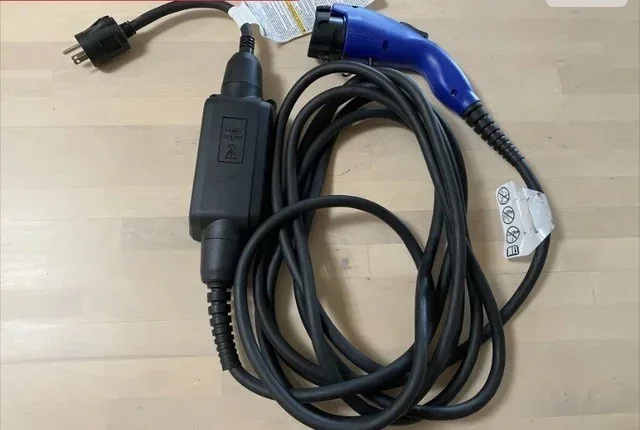
The Prius Prime uses a different approach. It has a bigger battery that you fill up from an external power source. You can charge it at home using a standard 120V outlet, which is the same kind of outlet you use for your phone charger. It is slow but works overnight.
For faster charging, you can install a 240V home charger. This is the same type of outlet used by clothes dryers. A 240V charger can fully charge a Prius Prime battery in about two hours. Public charging stations also work with the Prius Prime, giving you options when you are away from home.
Charging Time and Range
Here is a quick look at what you can expect with the Prius Prime:
- 120V outlet (standard): Takes about 5.5 hours for a full charge.
- 240V charger (home installation): Takes about 2 hours for a full charge.
- Electric-only range: About 25 miles on a full charge.
- Total range (gas + electric): Over 600 miles on a full tank and full battery.
For most people, a 25-mile electric range covers their daily driving needs easily. The average commute in the United States is less than 20 miles round trip. That means many Prius Prime owners can go days without using a single drop of gas.
Benefits of Plugging In Your Prius
If you have a plug-in Prius, there are some real benefits to making charging part of your routine. Let us look at why plugging in is worth the effort for many drivers.
Better Fuel Economy
This is the biggest reason people plug in their Prius Prime. When you drive on electric power, you use zero gas. Over time, that adds up to real savings at the pump. Many Prius Prime owners report getting the equivalent of over 100 miles per gallon when they charge regularly.
Compare that to the standard Prius, which gets around 50 to 55 miles per gallon. The plug-in version can nearly double your fuel efficiency if you make charging a habit.
Lower Emissions
Driving on electric power produces zero tailpipe emissions. If you care about reducing your environmental footprint, plugging in your Prius is an easy way to do it. Even if your electricity comes from a power plant, the overall emissions are still lower than burning gasoline.
Quieter, Smoother Driving
Electric-only mode makes the Prius Prime incredibly quiet. You can glide out of your driveway in the morning without any engine noise. The driving experience feels smooth and refined. Many owners say once you go electric, you do not want to go back.
Tax Credits and Incentives
When you buy a plug-in hybrid like the Prius Prime, you may qualify for federal tax credits. These credits can reduce the purchase price significantly. Some states and local areas offer additional incentives like HOV lane access or charging rebates. It is worth checking what is available in your area before you buy.
Common Mistakes People Make With Prius Charging
Even though plugging in a Prius is straightforward, there are some common mistakes that trip people up. Avoiding these can help you get the most out of your car.
Forgetting to Plug In
The most obvious mistake is simply forgetting. If you buy a Prius Prime but never plug it in, you are paying more for fuel than you need to. A simple habit like plugging in every time you park at home solves this problem. Some owners even set a phone reminder until it becomes second nature.
Using the Wrong Charging Equipment
The Prius Prime comes with a portable charging cord that works with a standard 120V outlet. But some people try to use incompatible chargers or extension cords. Always use the equipment that came with your car or a charger approved by Toyota. Using the wrong equipment can damage your battery or create safety risks.
Ignoring Battery Maintenance
Even though the Prius battery is built to last, it still needs some basic care. Avoid letting the battery drain completely for long periods. If you store the car for weeks, try to keep the battery at least half charged. This helps maintain battery health over the long run.
Assuming a Dead Battery Means a Dead Car
Some people worry that if the hybrid battery dies, the car will not start. That is not true. Even with a low or dead hybrid battery, the Prius can still run on its gasoline engine. You might lose some efficiency and performance, but the car will still drive. If you have concerns, check out our guide on can I drive a Prius with a dead hybrid battery for more details.
How Does the Prius Hybrid Battery Compare to Other Models?
The Prius battery system is unique. Unlike some other hybrids, the Prius uses a clever setup that balances gas and electric power seamlessly. Understanding how it compares to other systems helps you appreciate why plugging in matters.
In a standard Prius, there is actually just one main battery pack that powers the electric motor and stores energy from regenerative braking. Some people wonder whether there are two separate batteries. The answer is no — the Prius has one main hybrid battery that handles both electric assist and energy storage. You can learn more about this in our article on are there two batteries in a Prius hybrid.
In the Prius Prime, the larger battery pack gives you that electric-only range. But the gasoline engine still kicks in for longer trips. This setup gives you the best of both worlds. You get electric driving for your daily routine and gas power for road trips.
One thing that makes the Prius stand out is its reliability. The hybrid batteries in Prius models are known for lasting well over 100,000 miles with proper care. And even if you do need a replacement, the cost has come down significantly over the years. Toyota also offers generous warranties on hybrid components, which gives owners peace of mind.
Can You Drive a Prius Without the Hybrid Battery?
Technically, yes. The Prius can run on its gasoline engine alone if the hybrid battery fails completely. However, performance will suffer. The car will be slower and less fuel-efficient. It is not an ideal situation, but your car will not stop working entirely. For a deeper look at this topic, visit our article on can you drive a Prius without the hybrid battery.
Should You Plug In Your Prius? The Bottom Line
So, do you have to plug in a Prius? The answer comes down to your car model and your driving habits. If you have a standard Prius, you never need to plug it in. It charges itself and works perfectly without any external power source.
If you have a Prius Prime or another plug-in model, you have the option to plug in and enjoy electric-only driving. It is not required, but it comes with real benefits. Better fuel economy, lower emissions, and a quieter ride are all waiting for you if you make charging a habit.
For most people, plugging in the Prius Prime makes a lot of sense. The convenience of home charging means you can fuel up every night while you sleep. Wake up every morning with a full battery and start your day on electric power. It is a small change in routine that pays off over time.
If you are still on the fence, try it for a week. Plug in your Prius Prime every night and see how it changes your driving experience. You might be surprised at how little gas you use. And once you feel the smooth, quiet electric drive, you might never want to go back to relying only on the gasoline engine.
The Prius has always been about smart, practical driving. Plugging in just adds another layer of efficiency to an already excellent system. Whether you plug in or not, you are still driving one of the most fuel-efficient and reliable cars on the road today.
Frequently Asked Questions
Can I Sell a Prius With a Dead Battery?
Yes, you can sell a Prius with a dead battery. The car will still run on its gasoline engine, though performance may be reduced. Buyers should be aware of the battery condition, and you may get a lower price. Check out our guide on can I sell a Prius with a dead battery for more information on your options.
How Long Does It Take to Charge a Plug-In Prius at Home?
Using a standard 120V outlet, it takes about 5.5 hours to fully charge a Prius Prime. With a 240V home charger, the time drops to around 2 hours. The charging speed depends on the outlet type and the battery level when you start.
Can a Prius Run on Gas Only?
Absolutely. Both standard and plug-in Prius models can run entirely on gasoline. The gasoline engine powers the car when the battery is low or when you need extra speed. A plug-in Prius just loses its electric-only benefit when the battery is empty, but it still drives perfectly fine on gas alone.
Is It Expensive to Maintain a Prius?
Prius maintenance costs are generally lower than most cars. The regenerative braking system reduces wear on brake pads, and the hybrid battery is designed to last many years. For a detailed breakdown, check out our article on are Prius expensive to maintain.
Do I Need to Change All 4 Brake Pads at Once on a Prius?
No, you do not need to change all four brake pads at the same time. However, because the Prius uses regenerative braking, the front and rear pads wear at different rates. It is a good practice to inspect all four regularly and replace them as needed.
Can I Drive a Prius Without the Key Fob?
Yes, you can drive a Prius without the key fob in an emergency. Most models allow you to start the car using the push-button start with the fob placed nearby. However, the key fob is essential for normal daily use, so keep a spare handy.