Do Toyota Sequoias Hold Their Value Year After Year
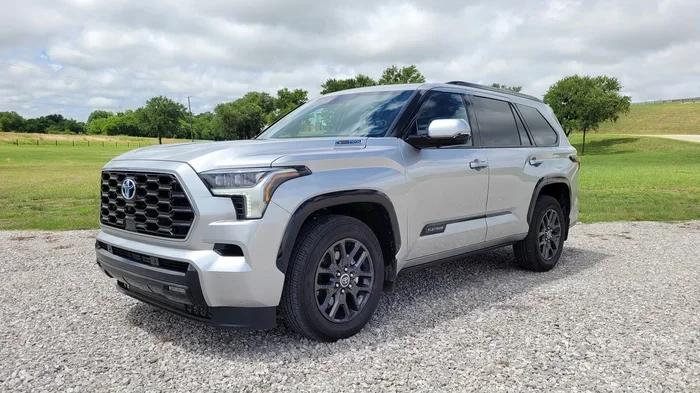
The Toyota Sequoia is one of the most dependable full-size SUVs on the road, and it holds its value remarkably well. With strong resale numbers, low depreciation rates, and a reputation for durability, this Toyota model stands out among SUV value retention leaders. If you are considering buying or selling a Toyota Sequoia, understanding its resale value can save you thousands of dollars.
The Toyota Sequoia has been a favorite among families and adventure seekers for over two decades. But one question keeps coming up in car forums and dealership halls: do Toyota Sequoias hold their value? The short answer is yes. The long answer is even more interesting. When you compare the Toyota Sequoia to other large SUVs, its resale value tells a compelling story about reliability, demand, and smart engineering.
Whether you are buying a new Sequoia or shopping for a used one, understanding how this vehicle holds up financially matters a lot. A car is often the second biggest purchase most families make. You want to know that your investment will not evaporate the moment you drive off the lot. That is exactly what the Sequoia delivers, year after year.
In this guide, we will break down the numbers, explore what makes the Sequoia so resilient on the resale market, and give you practical tips to maximize your vehicle’s worth. You will learn about depreciation rates, compare the Sequoia to its competitors, and discover the factors that influence how much your truck is worth down the road.
Key Takeaways
- Strong Resale Value: Toyota Sequoias depreciate slower than most full-size SUVs, making them a smart investment.
- Reliability Drives Demand: The Toyota brand reputation for longevity boosts used Sequoia prices on the market.
- Low Maintenance Costs Help: Affordable upkeep means fewer hidden costs that erode vehicle value over time.
- Trim Level Matters: Higher trims like the Platinum and Limited tend to hold value better than base models.
- Towing and Utility Add Appeal: Features like towing capacity and spacious interiors make Sequoias desirable for years.
- Buy Used, Save Big: Purchasing a 2-3 year old Sequoia offers the best balance of modern features and value retention.
📑 Table of Contents
Why the Toyota Sequoia Is a Value Powerhouse
There is a reason the Toyota Sequoia consistently ranks near the top of SUV value retention lists. It is not just brand luck. It comes down to a combination of factors that buyers genuinely care about.
A Reputation Built on Reliability
Toyota has spent decades building one of the strongest brand reputations in the automotive world. When people think of Toyota reliability, the Sequoia immediately comes to mind. This vehicle was designed to last. Its solid frame, durable engine, and proven drivetrain give buyers confidence that their used Toyota Sequoia will keep running strong for years.
Reliability translates directly into resale value. Buyers on the used market are willing to pay more for a vehicle with a known track record. The Sequoia has that track record in spades. Few full-size SUVs can match its history of dependable performance.
Built for Real-World Use
The Sequoia was not designed just to look good in a driveway. It was built for real families with real needs. Whether you are hauling gear for a weekend camping trip or carpooling the kids to school, this SUV value retention champion delivers where it counts.
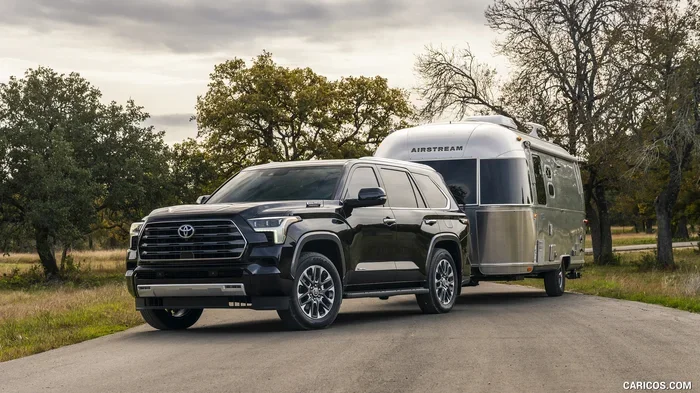
Its spacious interior, third-row seating, and impressive towing capacity make it a versatile workhorse. And here is the kicker: that versatility stays desirable on the used market. A vehicle that can do many things well tends to hold its price better than a one-trick pony.
For example, many owners love the Sequoia because it can handle heavy loads with ease. Its powerful V8 engine and sturdy frame mean you can tow trailers, haul furniture, or tackle off-road trails without breaking a sweat. That kind of capability keeps demand high, even years after the original purchase.
How Fast Do Toyota Sequoias Depreciate?
Every vehicle loses value over time. This process is called car depreciation. But the rate at which different vehicles lose value varies wildly. Let us look at how the Sequoia stacks up.
Understanding Depreciation Rates
On average, a new car loses about 20% to 30% of its value in the first year. The Toyota Sequoia, however, tends to fall on the lower end of that range. After five years, a Sequoia typically retains around 50% to 60% of its original Toyota Sequoia price. That is impressive for a large SUV.
Compare that to many competitors, and the difference becomes even clearer. Some luxury SUVs lose 60% or more of their value in the same timeframe. The Sequoia’s slower depreciation rate means you lose less money every year you own it.
Here is a quick look at typical depreciation for a new Toyota Sequoia:
- Year 1: Loses roughly 15% to 20% of value
- Year 3: Retains about 65% to 70% of original value
- Year 5: Retains about 50% to 60% of original value
- Year 10: Retains roughly 30% to 40% of original value
These numbers can vary based on trim, condition, mileage, and market conditions. But the overall trend is clear: the Sequoia holds value better than most vehicles in its class.
Why Depreciation Matters for Buyers
If you are buying used, slower depreciation works in your favor. A three-year-old Sequoia has already taken the biggest hit in value. You get a nearly new vehicle at a significant discount. And because the Sequoia holds its value so well, the market value of used models remains strong.
This also means that when it is time to sell, you will not take as big of a financial hit. That is a huge advantage in the vehicle ownership cost equation. Every dollar you keep in value is a dollar you can put toward your next vehicle or something else entirely.
Factors That Affect Toyota Sequoia Resale Value
Not all Sequoias hold value equally. Several factors influence how much your specific truck will be worth when it is time to sell. Understanding these factors can help you make smarter buying and ownership decisions.
Trim Level and Features
The trim level you choose matters more than you might think. Higher trims like the Platinum and Limited come with premium features that buyers love on the used market. Leather seats, advanced infotainment systems, and upgraded interiors all contribute to better resale value.
On the other hand, base trims like the SR5 still hold value well because of the Toyota brand name. But they typically do not command the same premium as the fancier models. If you are planning to sell in a few years, investing in a higher trim can pay off.
Maintenance and Care
How well you maintain your Sequoia directly impacts its market value. Regular oil changes, tire rotations, and timely repairs keep the vehicle running smoothly and looking great. A well-documented service history gives buyers confidence and justifies a higher asking price.
One of the best things about the Sequoia is that maintenance costs are relatively manageable. According to data, the average cost of ownership is lower than many competitors. And if you ever need repairs, you can expect mechanics to charge fair rates for work on this popular model. In fact, how much do mechanics charge per hour for a Toyota Sequoia is generally reasonable compared to luxury brands, which helps keep overall ownership costs down and preserves value.
Keeping up with scheduled maintenance also prevents costly breakdowns down the road. A Sequoia that has been neglected will sell for significantly less than one that has been cared for. Simple habits like washing the exterior, cleaning the interior regularly, and addressing small issues early can make a big difference.
Mileage and Condition
Buyers on the used market scrutinize mileage carefully. A Sequoia with lower miles will always fetch a higher price. But condition matters just as much. A well-kept Sequoia with 100,000 miles can sell for more than a neglected one with 60,000 miles.
Interior condition is especially important for a family SUV. Stains, tears, and excessive wear on the seats and dashboard can significantly reduce perceived value. Taking the time to keep the interior clean and addressing minor cosmetic issues goes a long way.
Location and Market Demand
Where you live also plays a role in resale value. In regions where trucks and SUVs are in high demand, Sequoias tend to hold their value better. Rural areas and places with harsh winters often see stronger demand for these capable vehicles.
Supply and demand dynamics also matter. If there are fewer used Sequoias available in your area, prices tend to be higher. Keeping an eye on local market trends can help you time your sale for the best possible price.
Toyota Sequoia vs. Competitors: Value Comparison
To truly understand how well the Sequoia holds its value, it helps to compare it head-to-head with similar vehicles. Let us look at how the Sequoia measures up against a few popular competitors.
Sequoia vs. Ford Expedition
The Ford Expedition is a direct rival to the Sequoia in the full-size SUV segment. Both offer spacious interiors, powerful engines, and strong towing capabilities. However, the Sequoia generally holds its value better over time. Ford vehicles tend to depreciate faster, which means the Toyota Sequoia resale value advantage becomes even more apparent as the years go by.
Sequoia vs. Chevrolet Tahoe
The Chevrolet Tahoe is another common comparison. The Tahoe offers a smooth ride and strong V8 performance. But when it comes to long-term value retention, the Sequoia has the edge. Toyota’s reputation for reliability gives the Sequoia a meaningful advantage on the used market. The Tahoe’s depreciation rate tends to be steeper, especially after the five-year mark.
Sequoia vs. Nissan Armada
The Nissan Armada shares a platform with the Infiniti QX80 and offers a luxurious feel. However, its resale value trails behind the Sequoia. Nissan vehicles, while capable, do not enjoy the same level of demand on the used market. The Sequoia’s stronger brand loyalty and proven reliability keep its value higher.
| Vehicle | 5-Year Retention Rate | Average Annual Depreciation | Used Market Demand |
|---|---|---|---|
| Toyota Sequoia | 50% – 60% | 8% – 10% | High |
| Ford Expedition | 40% – 50% | 10% – 12% | Moderate |
| Chevrolet Tahoe | 42% – 52% | 10% – 11% | Moderate |
| Nissan Armada | 35% – 45% | 12% – 14% | Lower |
As the table shows, the Sequoia consistently outperforms its competitors in both retention rate and annual depreciation. These numbers speak for themselves and reinforce why the Sequoia is such a strong choice for value-conscious buyers.
Tips to Keep Your Toyota Sequoia Worth More
Want to make sure your Sequoia holds as much value as possible? Follow these practical tips to protect your investment.
1. Keep Up with Regular Maintenance
Stick to the manufacturer’s recommended maintenance schedule. Change the oil on time, rotate the tires, and replace filters as needed. A complete service record shows potential buyers that the vehicle has been well cared for.
2. Address Issues Promptly
Do not ignore warning lights or unusual sounds. Small problems can become big expenses if left unchecked. Fixing issues early not only keeps the vehicle running well but also preserves its market value.
3. Keep It Clean Inside and Out
Regular washing and interior cleaning go a long way. A clean vehicle always makes a better first impression. Consider professional detailing before selling to really make the Sequoia shine.
4. Store It Properly
If possible, park in a garage or covered area. Exposure to sun, rain, and extreme temperatures can accelerate wear on the paint, interior, and mechanical components. A well-protected Sequoia simply looks better and lasts longer.
5. Avoid Modifications That Limit Buyer Appeal
Custom lifts, aftermarket wheels, and bold paint jobs can narrow your potential buyer pool. While some modifications are fun, they may reduce the number of people willing to pay top dollar. Stick with factory options whenever possible.
6. Consider the Timing of Your Sale
Selling during peak demand seasons can net you a better price. Spring and early summer are typically strong times for SUV sales. Avoid selling right after a new model year launches, as that can flood the used market with newer alternatives.
So, Do Toyota Sequoias Hold Their Value?
The evidence is clear. The Toyota Sequoia is one of the best full-size SUVs for holding value over time. Its combination of reliability, utility, and strong brand reputation gives it a distinct advantage on the resale market.
If you are looking for a vehicle that will serve your family well for years and still retain a strong share of its original value, the Sequoia is hard to beat. It is a vehicle that rewards careful ownership with financial peace of mind.
Whether you are comparing Toyota Sequoia price options, shopping for a used model, or planning your next sale, keeping these value retention insights in mind will serve you well. The Sequoia is not just a truck. It is a smart financial choice that keeps paying dividends long after the purchase.
And remember, part of keeping your Sequoia valuable is staying on top of its care. If you ever wonder whether are Toyota Sequoias expensive to maintain, the answer is reassuringly no. Their maintenance costs are reasonable, and their durability means fewer surprises. That affordability directly supports the strong resale value that makes the Sequoia such a standout choice.
Another factor worth noting is the Sequoia’s incredible utility. Its spacious cargo area and versatile seating make it a favorite for families and adventurers alike. Many owners love that they can fit a queen mattress in a Toyota Sequoia for moving or camping trips, and that kind of real-world practicality keeps demand strong on the used market. This kind of everyday usefulness adds to the vehicle’s long-term appeal and helps it hold value better than less capable competitors.
Bottom line: the Toyota Sequoia holds its value remarkably well. It is a vehicle that delivers on both the road and the resale lot. If you have been wondering whether this iconic SUV is worth the investment, the numbers and the owner satisfaction say yes.
Frequently Asked Questions
How much does a Toyota Sequoia depreciate in the first year?
On average, a new Toyota Sequoia loses about 15% to 20% of its value in the first year. This is lower than the industry average for full-size SUVs, which typically see 20% to 30% depreciation. The Sequoia’s strong resale value reputation helps it hold onto more of its original Toyota Sequoia price compared to many competitors.
Is a used Toyota Sequoia a good investment?
Absolutely. Buying a used Sequoia lets you avoid the steepest part of depreciation while still getting a reliable, well-equipped vehicle. A 2-3 year old model offers modern features and strong mechanical condition at a fraction of the new price. The used Toyota Sequoia market remains robust because demand consistently outpaces supply.
Which Toyota Sequoia trim holds value best?
The Platinum and Limited trims tend to hold value best due to their premium features and higher demand on the used market. However, even base trims like the SR5 retain value well thanks to Toyota’s brand reputation. The key is to maintain the vehicle properly regardless of trim level.
Does the Toyota Sequoia have good long-term reliability?
Yes, the Sequoia is widely regarded as one of the most reliable full-size SUVs available. Its simple, proven engineering and durable components contribute to long service life. This reliability directly supports strong SUV value retention because buyers trust these vehicles to keep running for years.
How can I get the best price when selling my Toyota Sequoia?
To get the best price, ensure your Sequoia is clean, well-maintained, and has a complete service history. Timing your sale during peak demand months like spring and early summer can also help. Setting a fair price based on current market value data from trusted sources will attract serious buyers quickly.
What makes the Toyota Sequoia better than other full-size SUVs for value?
The Sequoia combines Toyota’s legendary reliability with strong towing capacity, spacious seating, and manageable ownership costs. Unlike some competitors, the Sequoia has a proven track record of slower car depreciation and higher used market demand. These factors make it a standout choice for anyone prioritizing long-term value.