Do Toyota Corollas Hold Their Value For Many Years
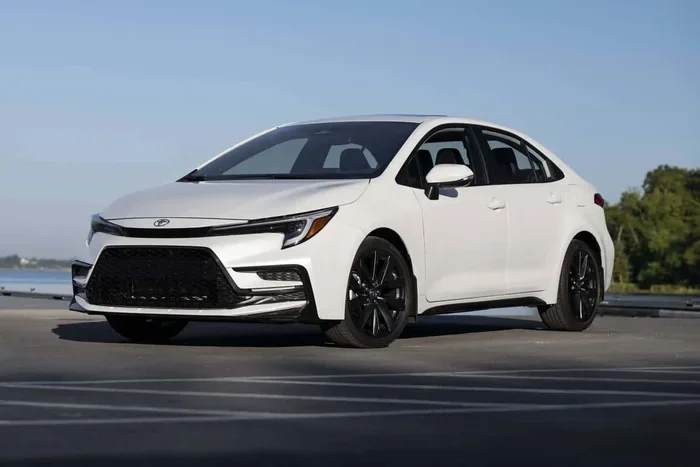
Do Toyota Corollas hold their value? The answer is a strong yes. The Toyota Corolla consistently ranks among the top sedans for resale value and long-term ownership satisfaction. With reliable engineering, low maintenance costs, and high demand in the used car market, this vehicle proves that smart buying decisions pay off for years.
When you buy a car, one of the biggest questions is simple: will it hold its value? For many drivers, the Toyota Corolla stands out as a smart choice. This compact sedan has earned a reputation for reliability, affordability, and strong resale value. But do Toyota Corollas hold their value for many years? Let us break it all down.
The Toyota Corolla is one of the best-selling cars in the world. People love it for many reasons. It gets great gas mileage. It costs less to maintain than most competitors. And it just keeps running mile after mile. But beyond all that, the Corolla holds onto its market value better than almost any other sedan in its class. If you are thinking about buying one, whether new or used, understanding how much value it keeps over time can save you thousands of dollars.
In this article, we will explore everything you need to know about the Toyota Corolla depreciation rate. We will look at real numbers, compare it to rival models, and share tips on how to maximize your car’s worth. Whether you are a first-time buyer or a seasoned car owner, this guide has you covered.
Key Takeaways
- Strong Resale Value: Toyota Corollas depreciate slower than most competitors in the compact sedan segment.
- Reliability Drives Demand: The Corolla’s reputation for lasting 200,000+ miles keeps used prices high.
- Low Ownership Costs: Affordable maintenance and fuel efficiency add to long-term value.
- High Market Demand: Used Corollas sell fast, giving owners leverage when trading in or selling privately.
- Smart Financial Choice: Buying a Corolla means losing less money to depreciation over time.
- Multiple Generations Hold Value: Recent model years (2020-2024) show especially strong retention.
📑 Table of Contents
- Understanding Car Depreciation and Value Retention
- How Well Do Toyota Corollas Hold Their Value?
- Why the Toyota Corolla Has Strong Value Retention
- Toyota Corolla vs. Competitors: Value Retention Comparison
- Tips to Maximize Your Toyota Corolla’s Value
- Are Toyota Corollas Being Discontinued?
- Common Mistakes That Reduce Your Corolla’s Value
- Expert Insights on Toyota Corolla Value
- Is a Toyota Corolla Worth Buying for Long-Term Value?
- Final Thoughts on Toyota Corolla Value Retention
Understanding Car Depreciation and Value Retention
What Is Car Depreciation?
Car depreciation is the loss of value over time. The moment you drive a new car off the lot, it loses value. Most cars lose about 15% to 25% of their value in the first year. Over five years, many sedans lose 50% or more of their original price. But not all cars depreciate at the same rate. Some models hold their value much better than others.
The Toyota Corolla is one of those models that resists depreciation. Its value retention is well above average for the compact sedan category. This is one of the main reasons why so many buyers choose the Corolla over other options.
Why Does Depreciation Matter?
Depreciation affects your wallet in real ways. If you buy a car that loses value quickly, you lose money every year. When it is time to sell or trade in, you get less back. But a car that holds its value means you lose less money overall. You also have an easier time selling it. Buyers want cars that are known to last. And the Toyota Corolla resale value speaks for itself.
If you want to understand how your specific car compares, check out our guide on how to find out the fair market value of a car. It will help you get a clear picture of what your vehicle is truly worth.
How Well Do Toyota Corollas Hold Their Value?
Now let us get to the heart of the question. Do Toyota Corollas hold their value? The data says yes. Over the past decade, the Corolla has consistently ranked near the top for value retention among compact sedans. Here is a closer look at what makes this possible.
Depreciation Over Time
On average, a new Toyota Corolla loses about 15% of its value in the first year. By year five, it has lost roughly 40% to 45% of its original price. Compare that to many competitors, which can lose 50% to 60% in the same timeframe. That difference adds up to real money in your pocket.
Here is a quick comparison of average depreciation over five years for popular compact sedans:
- Toyota Corolla: 40% to 45% depreciation over 5 years
- Honda Civic: 42% to 48% depreciation over 5 years
- Hyundai Elantra: 48% to 55% depreciation over 5 years
- Nissan Sentra: 50% to 58% depreciation over 5 years
- Mazda3: 43% to 50% depreciation over 5 years
As you can see, the Corolla holds up very well. It is not always the absolute best in every category, but it consistently stays near the top. And for many buyers, that peace of mind is worth a lot.
Factors That Affect Toyota Corolla Value
Several things influence how well a Corolla holds its value. Understanding these factors can help you make smarter buying and owning decisions.
Model Year and Generation: Newer generations of the Corolla tend to hold value better. The latest models from 2020 onward feature updated styling, modern technology, and improved fuel efficiency. Older models still hold value well, but the newest ones command the strongest prices in the used Toyota Corolla market.
Condition and Maintenance: A well-maintained Corolla will always fetch a higher price. Regular oil changes, tire rotations, and timely repairs go a long way. Buyers look for cars with clean histories and documented service records.
Mileage: Lower mileage naturally means higher value. But even higher-mileage Corollas hold their worth surprisingly well because of the model’s reputation for durability. Many buyers trust a Corolla with 100,000 miles more than other brands with half that mileage.
Trim Level and Features: Higher trims and models with desirable features like Apple CarPlay, backup cameras, and advanced safety systems tend to retain more value. When shopping, consider which features buyers in your area care about most.
Why the Toyota Corolla Has Strong Value Retention
Legendary Reliability
The biggest reason the Corolla holds its value is reliability. Toyota built a reputation over decades for making cars that last. The Corolla has been the best-selling car in the world for many years, and for good reason. It simply does not break down often. When it does need repairs, the parts are affordable and easy to find.
Many Corolla owners report crossing the 200,000-mile mark with minimal major issues. That kind of track record makes buyers confident when purchasing a used model. They know they are getting a car that still has plenty of life left. This confidence keeps demand high, which keeps prices strong.
Want to learn more about keeping your Toyota running smoothly? Check out our article on how much mechanics charge per hour so you can budget for routine maintenance without surprises.
Low Cost of Ownership
Owning a Corolla costs less than owning most other cars. Insurance rates tend to be lower. Fuel costs are minimal thanks to excellent miles per gallon. And maintenance expenses stay reasonable throughout the vehicle’s life. All of these factors contribute to strong value retention.
When a car is cheap to own, more people want to buy it used. That increased demand pushes prices up and helps the Corolla hold its value longer. It is a cycle that benefits both current owners and future buyers.
Toyota Brand Reputation
The Toyota brand carries enormous weight in the used car market. Buyers trust Toyota. They know that a Toyota vehicle is likely to be dependable and affordable to maintain. This brand trust translates directly into stronger resale prices. Even when compared to other Japanese brands like Honda and Hyundai, Toyota often comes out ahead in value retention.
The Corolla benefits from this reputation every single day. When you sell or trade in your Corolla, buyers are already predisposed to trust it. That trust gives you an edge in negotiations and helps you get a better price.
Toyota Corolla vs. Competitors: Value Retention Comparison
How does the Corolla stack up against its closest rivals? Let us look at the numbers side by side.
- Toyota Corolla vs. Honda Civic: Both cars hold value very well. The Civic sometimes edges out the Corolla slightly in the first three years, but the Corolla often catches up or surpasses it by year five. Both are excellent choices for value-conscious buyers.
- Toyota Corolla vs. Hyundai Elantra: The Elantra has improved dramatically in recent years. However, it still depreciates faster than the Corolla. The Corolla’s stronger brand reputation gives it an advantage in the resale market.
- Toyota Corolla vs. Nissan Sentra: The Sentra tends to lose value more quickly. While it offers a comfortable ride and good features, its resale value does not match the Corolla’s consistency.
- Toyota Corolla vs. Mazda3: The Mazda3 offers a more engaging driving experience. But in terms of long-term value retention, the Corolla holds a slight edge due to its lower cost of ownership and stronger brand trust.
If you are trying to decide between models, remember that the initial purchase price is only part of the story. The money you get back when you sell matters just as much. And on that front, the Corolla delivers.
Tips to Maximize Your Toyota Corolla’s Value
Want to get the most money back when you sell your Corolla? Follow these practical tips to keep your car looking and performing its best.
1. Keep Up with Regular Maintenance
Follow the manufacturer’s maintenance schedule to the letter. Change your oil on time. Rotate your tires. Replace filters as recommended. Keep all your service records in a folder. When a buyer sees documented maintenance, they feel confident about the purchase. That confidence means they will pay closer to your asking price.
2. Address Repairs Promptly
Do not ignore small problems. A minor issue today can become a major repair tomorrow. And unresolved problems lower your car’s value. Fix things quickly, even if they seem small. A new touch-up paint pen for a small scratch can prevent rust and keep your car looking sharp. Check out how long paint pens last in our guide here to keep your Corolla’s exterior in top shape.
3. Keep Mileage Reasonable
High mileage hurts resale value, even for a reliable car like the Corolla. If you can keep your annual mileage under 10,000 to 12,000 miles, you will preserve more of the car’s worth. When the time comes to sell, lower mileage buyers will pay a premium.
4. Protect the Interior and Exterior
Use floor mats to protect your carpeting. Park in a garage or shaded area when possible. Wash and wax regularly. A clean, well-maintained interior and exterior make a huge difference in perceived value. Buyers notice details, and those details affect their offer.
5. Sell at the Right Time
Timing matters when selling a car. Spring and early summer are typically the best seasons to sell. Demand is higher, and buyers are more willing to pay full price. Avoid selling during holiday seasons or economic downturns when buyers become more price-sensitive.
Are Toyota Corollas Being Discontinued?
Some buyers worry that if a model is being discontinued, its value will drop. So, what is the situation with the Corolla? The short answer is no. Toyota has no plans to discontinue the Corolla. In fact, the company continues to invest in the model, updating it with new technology and features each generation.
For more details on the Corolla’s future, check out our article on whether Toyota Corollas are being discontinued. The bottom line is that the Corolla remains a core part of Toyota’s lineup, which supports its strong resale value for years to come.
The ongoing production of the Corolla means parts will remain available, service networks will continue to support the vehicle, and buyer confidence will stay high. All of these factors work together to protect the Corolla’s value in the used car market.
Common Mistakes That Reduce Your Corolla’s Value
Avoiding these mistakes can save you hundreds or even thousands of dollars when it is time to sell.
- Skipping Regular Maintenance: Missing oil changes or ignoring warning lights can lead to bigger problems. Buyers will notice and offer less.
- Ignoring Small Dents and Scratches: Minor body damage can lead to rust if left untreated. A small dent repair early on saves you from bigger issues later.
- Modifying the Car Heavily: Aftermarket modifications like loud exhausts or aggressive body kits narrow your buyer pool. Most resale buyers prefer stock vehicles.
- Smoking Inside the Car: Smoke odor is hard to remove and turns off many buyers. Keep your interior smoke-free to maintain its appeal.
- Selling Too Early: Holding onto your Corolla longer means it has already taken its biggest depreciation hit. Selling between years three and seven often yields the best return.
Expert Insights on Toyota Corolla Value
Industry experts consistently rate the Toyota Corolla as one of the best cars for value retention. Kelley Blue Book and Edmunds regularly place the Corolla near the top of their best resale value lists. These rankings are based on real market data and reflect what buyers are actually paying for used models.
Automotive analysts point to the Corolla’s combination of reliability, affordability, and brand strength as the key drivers of its value retention. Unlike some cars that are fun to drive but expensive to own, the Corolla offers a balanced package that appeals to a wide range of buyers. From first-time drivers to retirees, the Corolla attracts customers who value long-term ownership satisfaction over flashy features.
One expert from a leading automotive publication once said, “The Toyota Corolla is the definition of a smart buy. You lose less money to depreciation, you spend less on repairs, and you get a car that keeps going long after the payment is done.” That sentiment captures exactly why the Corolla remains such a popular choice year after year.
Is a Toyota Corolla Worth Buying for Long-Term Value?
If you are on the fence about buying a Corolla, consider this: the numbers strongly support the decision. The Toyota Corolla depreciates slower than most competitors. It costs less to own. It is easy to maintain. And it sells quickly when you are ready to move on.
For buyers looking at the used market, a 3- to 5-year-old Corolla offers the best value. You get a car that has already taken its steepest depreciation hit but still has many years of reliable service ahead. Plus, you can often find well-maintained examples with low mileage at very reasonable prices.
If you are also considering the weight capacity of your vehicle for hauling or towing needs, check out our guide on how much weight your car can hold. Knowing your vehicle’s limits helps you use it safely and avoid unnecessary wear that could hurt its long-term value.
The bottom line is simple. A Toyota Corolla is one of the smartest purchases you can make if you care about long-term value. It is a car that gives back more than it takes away, year after year.
Final Thoughts on Toyota Corolla Value Retention
So, do Toyota Corollas hold their value for many years? Absolutely. The evidence is clear across multiple data points, expert opinions, and real-world ownership experiences. The Corolla stands out as a compact sedan that not only delivers a great driving experience but also protects your investment.
Whether you buy new or used, the Corolla rewards you with slower depreciation, lower ownership costs, and a strong resale price when you are ready to move on. It is a car that pays you back for the trust you place in it.
If you are serious about getting the most out of your Toyota ownership, understanding fair market value is essential. Knowledge is power, and knowing what your car is truly worth puts you in a stronger position every time you buy, sell, or trade in. The Toyota Corolla remains one of the finest examples of a vehicle that holds its value while delivering an excellent ownership experience.
Make the smart choice today. Choose a Toyota Corolla, take care of it, and watch it hold its value for many years to come. Your future self will thank you when it is time to sell.
Frequently Asked Questions
How much does a Toyota Corolla depreciate per year?
On average, a Toyota Corolla loses about 15% of its value in the first year and approximately 8% to 10% per year after that. By year five, total depreciation is typically around 40% to 45%. This is better than most compact sedans on the market.
What is the best year Toyota Corolla to buy for value retention?
Recent model years from 2020 onward tend to hold the best value. However, a 3- to 5-year-old Corolla from any recent generation offers the best balance of modern features and value. These cars have already taken their steepest depreciation hit but still have plenty of life left.
Do Toyota Corollas have good resale value compared to Honda Civics?
Yes, Toyota Corollas and Honda Civics are very close in resale value. The Civic sometimes edges ahead in the first three years, but the Corolla often matches or surpasses it by year five. Both are excellent choices for value-conscious buyers.
Does regular maintenance really affect a Corolla’s resale value?
Absolutely. Regular maintenance is one of the biggest factors in resale value. A well-documented service history gives buyers confidence and justifies higher prices. Skipping maintenance can lead to problems that significantly reduce what you get when you sell.
Can I get a good price for a high-mileage Toyota Corolla?
Yes. Because the Corolla is known for lasting well beyond 200,000 miles, buyers trust high-mileage examples more than high-mileage cars from other brands. As long as the car has been well-maintained, a high-mileage Corolla can still command a strong price.
Why do Toyota Corollas hold their value better than other sedans?
The Corolla holds its value better because of three main factors: legendary reliability, low cost of ownership, and strong brand reputation. Buyers trust Toyota, know the car will last, and are willing to pay a premium for a used Corolla compared to competing models.