How to Open the Hood on Your Subaru Forester Step by Step
Opening the hood on your Subaru Forester is a quick and easy process once you know where the release levers are. Whether you need to check your engine oil, add washer fluid, or inspect the engine bay, this guide walks you through every step. We also share common troubleshooting tips and maintenance advice to keep your Forester running smoothly.
So you need to open the hood on your Subaru Forester. Maybe you are checking the oil, adding washer fluid, or just peeking under there to see if anything looks off. Whatever the reason, knowing how to pop the hood correctly is one of those basic car skills that every driver should have.
The good news? It is really not complicated. The Subaru Forester uses a straightforward two-stage hood release system that is easy to find and operate. Once you have done it a couple of times, it becomes second nature. In this guide, we walk you through every step in detail, share some common troubleshooting tips, and give you practical maintenance advice along the way.
Whether you are a new Subaru owner or have been driving a Forester for years, this guide covers everything you need to know about the hood release process. Let us get into it.
Key Takeaways
- Two-Stage Release: The Subaru Forester hood uses a two-step release system with an interior lever and an external safety latch.
- Locate the Interior Lever: The hood release handle is found under the dashboard on the driver’s side, near the steering column.
- Use the Safety Latch: After pulling the interior lever, you must reach under the hood to disengage the secondary latch.
- Prop the Hood Securely: Always use the hood prop rod to keep the hood open while working on the engine.
- Maintenance Matters: Regular hood checks help you spot issues early and keep your Forester in top shape.
- Cold Weather Tip: Frozen hood latches are common in winter; a gentle wiggle and patience go a long way.
📑 Table of Contents
Understanding the Hood Release System on a Subaru Forester
Before you start yanking on handles, it helps to understand how the hood release works on a Subaru Forester. Most modern cars use a two-stage system, and the Forester is no exception. This design keeps the hood securely closed while driving but allows you to open it easily when needed.
How the Two-Stage Release Works
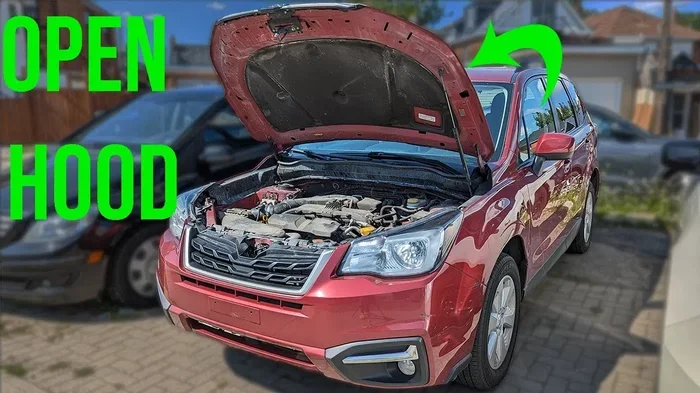
The first stage is the interior release lever. You pull this lever from inside the cabin, and it releases the primary latch. The hood will pop up slightly but will not fully open. That is by design. The second stage is the safety latch, which sits under the front edge of the hood. You need to reach in and disengage this latch manually to let the hood open all the way.
This two-stage setup is a safety feature. It prevents the hood from flying open while you are driving, which could block your windshield and cause a serious accident. The hood latch mechanism on the Forester is reliable and built to last, but like any moving part, it can develop issues over time.
Key Components You Should Know
Here are the main parts involved in opening the hood on your Forester:
- Hood Release Lever: Located inside the cabin, usually under the dashboard on the driver’s side. It has a hood icon on it.
- Primary Latch: The first locking mechanism that the interior lever releases.
- Safety Latch: The secondary latch under the front edge of the hood that keeps it fully secured.
- Hood Prop Rod: A metal rod that holds the hood open while you work on the engine.
- Hood Hinge: The pivot points on either side of the engine bay where the hood attaches to the frame.
Knowing these parts makes the whole process much clearer. When something goes wrong, you can often pinpoint exactly which component is causing the problem.
Step-by-Step Guide to Opening the Hood
Now let us get into the actual steps. Follow along carefully, and you will have that hood open in under a minute.
Step 1: Park on a Flat Surface and Turn Off the Engine
Before you do anything, make sure your Subaru Forester is parked on a flat, level surface. Engage the parking brake and turn off the engine. Wait a minute or two for the engine to cool down. Opening the hood on a hot engine can release steam and cause burns.
This is especially important if you have been driving for a while. Even if the engine feels cool to the touch, it is better to be safe than sorry. A hot engine compartment can cause nasty burns, and nobody wants that.
Step 2: Find the Interior Hood Release Lever
Go to the driver’s side of the car. Look under the dashboard, near the steering column. You are looking for a lever with a hood icon on it. On most Subaru Forester models, this lever is located to the left of the steering wheel, below the instrument panel.
You may need to feel around a bit if you have never done this before. The lever is usually easy to spot once you know where to look. Pull it toward you firmly. You should hear a click, and the hood will pop up slightly.
Step 3: Walk to the Front of the Car
Now go to the front of your Forester. The hood will be slightly raised on the driver’s side. You will see a small gap between the hood and the fender. Run your fingers along the front edge of the hood to feel for the safety latch mechanism.
On the Subaru Forester, the safety latch is typically located in the center of the front edge of the hood, slightly toward the driver’s side. It may feel like a small tab or lever that needs to be pushed or pulled to the side.
Step 4: Disengage the Safety Latch
Using your fingers or a flat tool like a screwdriver (gently!), push or pull the safety latch to release it. Once you do this, the hood will be free to open fully. Lift the hood up and hold it in place.
If you are having trouble finding the latch, do not force anything. Take your time and feel along the edge. Sometimes the latch can be a bit stiff, especially if the car has been sitting for a while or has seen a lot of miles.
Step 5: Secure the Hood with the Prop Rod
Now that the hood is open, you need to keep it that way. Locate the hood prop rod, which is usually stored near the front of the engine bay or attached to the inner fender. Slide the rod into the designated hole on the underside of the hood.
Make sure the prop rod is securely in place. A hood that falls unexpectedly can damage the radiator, the windshield, or even hurt you. Always double-check that it is locked in position before you start working.
Common Problems When Opening the Hood
Sometimes things do not go as smoothly as we would like. Here are the most common issues Subaru Forester owners face when trying to open the hood, along with solutions.
Hood Release Lever Feels Stuck or Rigid
If the interior release lever feels stiff or does not move at all, the cable connecting the lever to the latch may be sticking or corroded. This is more common in older Foresters or cars that have been exposed to harsh weather. Try spraying a small amount of lubricant, like WD-40, around the cable housing. Work the lever back and forth a few times to help it move freely.
Do not pull too hard on a stuck lever. You risk breaking the cable, which will make the problem much worse and more expensive to fix.
Hood Pops Up but Will Not Fully Open
This usually means the safety latch is not releasing properly. The primary latch may have disengaged, but the secondary latch is still holding the hood shut. Go to the front of the car and feel along the hood edge for the latch. Try pushing it gently to the side or pulling it forward.
If the latch is frozen due to ice or dirt, a little warm water or penetrating oil can help. In winter, this is a very common issue, especially if your car sits outside overnight.
Hood Will Not Stay Open
If the hood keeps falling, the prop rod may not be inserted correctly, or the hood latch mechanism itself may be worn out. Check that the prop rod is fully seated in its slot. If the prop rod is fine, the hood latch spring or hinge may need adjustment or replacement.
A hood that will not stay open is not just annoying. It is also dangerous if you are working near the engine. Always address this issue before doing any maintenance under the hood.
Frozen Hood Latch in Winter
In cold climates, ice can build up around the hood latch and prevent it from opening. This is one of the most frustrating problems, especially when you are in a hurry. The best approach is to let the car warm up for a few minutes or use a de-icer spray on the latch area.
Never use force to break ice away from the latch mechanism. You can damage the latch, the cable, or the hood itself. Patience and a gentle touch will save you a lot of trouble and money.
Maintenance Tips for Your Subaru Forester Hood
Keeping your hood in good shape is about more than just being able to open it. A well-maintained hood latch system ensures safety, prevents embarrassing breakdowns, and extends the life of your vehicle.
Regular Lubrication
Every few months, apply a light coat of silicone-based lubricant to the hood latch and hinge points. This keeps the mechanism operating smoothly and prevents rust and corrosion. A little maintenance goes a long way toward avoiding stuck latches and stiff release cables.
Check the Hood Seal
The rubber seal around the hood edge keeps water and debris out of the engine bay. Over time, this seal can crack, dry out, or come loose. Inspect it regularly and replace it if you notice any damage. A good seal also improves aerodynamics and reduces wind noise while driving.
Inspect the Prop Rod and Latches
Make sure the prop rod slides in and out smoothly and locks securely. Check the latch springs and hinges for any signs of wear or rust. Catching small issues early can prevent bigger, more expensive problems down the road.
Know Your Weight Limits
While you are under the hood, it is worth knowing how much weight your vehicle can safely handle. The weight capacity of your Subaru Forester matters for towing, hauling, and even how much stuff you can safely store in the cargo area. Understanding these limits helps you avoid overloading and potential damage.
If you ever plan to tow with your Forester, check whether it is rated for towing first. Not all models are equipped for the same level of towing capacity, and exceeding the limit can strain the engine and transmission.
How the Subaru Forester Compares to Other Models
The Subaru Forester is known for its reliable hood release system, but how does it stack up against similar vehicles? Most Subaru models, including the Outback and Crosstrek, use a very similar two-stage hood release mechanism. The process is nearly identical across the lineup.
Some competitors, like certain Toyota and Honda models, use a slightly different latch design that may require a different approach. But the general principle remains the same: an interior lever releases the primary latch, and a secondary safety latch must be manually disengaged from outside the hood.
One advantage of the Subaru Forester is its boxy, upright design, which gives you plenty of room to work in the engine bay. The wide opening makes it easy to access the engine, the battery, the washer fluid reservoir, and other components. This is especially helpful if you like to do your own basic maintenance.
For those who tow or carry heavy loads, understanding your vehicle’s capabilities is important. The Subaru Forester has a solid towing capacity for its class, and knowing how to properly load and secure cargo can make a big difference in safety and performance.
When to Seek Professional Help
Most hood opening issues are simple to fix and do not require a trip to the mechanic. However, there are times when professional help is the right call.
If the hood release cable is broken, you will not be able to open the hood from inside the cabin. This is a repair that requires a mechanic to access the cable from under the dashboard or through the grill area. Similarly, if the latch mechanism is severely corroded or damaged, a professional can replace the parts quickly and safely.
Another reason to see a mechanic is if the hood does not close properly after opening. A misaligned hood can create wind noise, reduce fuel efficiency, and even compromise your visibility while driving. A quick adjustment by a professional can solve this problem in minutes.
Regular service appointments are also a great opportunity to have the hood mechanism inspected. Many Subaru Forester maintenance schedules include a check of all exterior components, including the hood, latches, and seals.
Conclusion
Opening the hood on your Subaru Forester is a simple process that anyone can learn. With just a few steps, you can access the engine bay for oil checks, fluid top-offs, or routine inspections. The key is to understand the two-stage release system, know where the components are, and take your time if something feels stuck.
Regular maintenance of the hood latch, hinges, and prop rod keeps everything working smoothly for years to come. And if you ever run into a problem that feels beyond your comfort level, a qualified mechanic is always a good call.
Now that you know how to open the hood on your Subaru Forester, you are better equipped to handle basic maintenance and troubleshooting on your own. Keep this guide handy, and you will never be caught off guard by a hood that will not open.
Frequently Asked Questions
Where is the hood release lever on a Subaru Forester?
The hood release lever on a Subaru Forester is located inside the cabin, under the dashboard on the driver’s side, near the steering column. It has a hood icon on it and is easy to pull toward you to release the primary latch.
Why won’t my Subaru Forester hood open all the way?
If the hood pops up but will not fully open, the safety latch has likely not been disengaged. Walk to the front of the car, feel along the front edge of the hood, and find the secondary latch. Push or pull it gently to release it, then lift the hood fully.
Can I use a screwdriver to open a stuck hood latch?
Yes, you can use a flat-head screwdriver gently to help disengage a stuck safety latch. Be careful not to scratch the hood or force the mechanism too hard, as this can cause damage. A little penetrating oil can also help loosen a stubborn latch.
How do I prevent my hood latch from freezing in winter?
To prevent freezing, apply a silicone-based lubricant to the latch mechanism before winter sets in. You can also use a de-icer spray if ice has already formed. Parking in a garage or using a car cover can also reduce ice buildup on the latch area.
Is it safe to drive with the hood slightly open?
No, it is not safe to drive with the hood even slightly open. An open hood can block your vision, cause wind damage to the engine bay, and lead to a serious accident. Always make sure the hood is fully closed and latched before driving.
How often should I lubricate the hood latch on my Subaru Forester?
It is a good idea to lubricate the hood latch and hinge points every three to six months. Regular lubrication prevents sticking, reduces wear on the mechanism, and ensures the hood opens and closes smoothly every time.
=== INTERNAL LINKS ===
If you are planning a trip with your Subaru Forester, check out our guide on Can A Subaru Forester Tow to learn about its towing capabilities.
Similar to opening the hood, knowing how to How Do You Open The Gas Cap On A Car is another essential skill every driver should have.
Understanding your vehicle’s limits is important. Learn How Do I Know How Much Weight My Car Can Hold to avoid overloading your Forester.