How to Fix Check VSC Warning Light on Your Lexus IS250
The Check VSC warning light on your Lexus IS250 can be alarming, but it is often fixable with simple steps. This guide covers the most common causes, from a loose gas cap to faulty wheel speed sensors, and shows you exactly how to reset the VSC light yourself. We also explain when the problem needs a professional mechanic and how to prevent it from coming back.
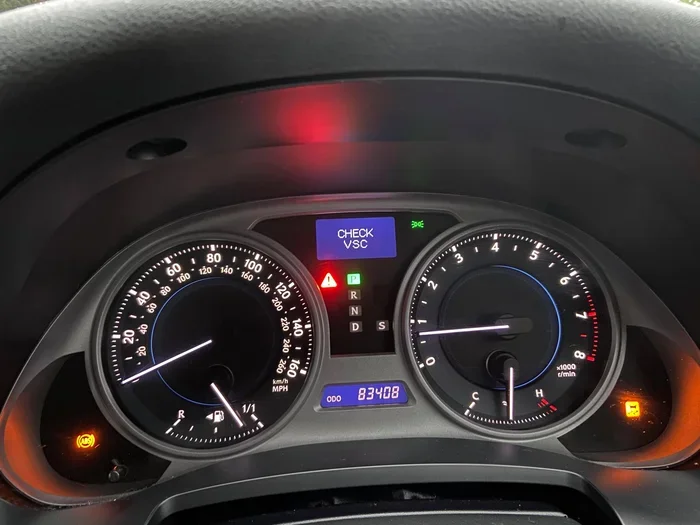
That little triangle with an exclamation mark on your dashboard just popped up, and right next to it, you see the words Check VSC. If you own a Lexus IS250, you are not alone. This warning light shows up more often than most drivers expect, and it can really make you nervous when it does.
So what exactly does Check VSC mean? VSC stands for Vehicle Stability Control. It is a safety feature in your Lexus that helps you keep traction when the road is wet, icy, or just plain tricky. When the system detects a problem, it turns on the VSC warning light to let you know something needs attention.
The good news? Most of the time, this light is not a sign of a catastrophic problem. In many cases, you can fix it yourself in minutes. Other times, it points to a sensor or component that needs a closer look. This guide walks you through everything you need to know about fixing the Check VSC light on your Lexus IS250, step by step.
Whether you are a DIYer who loves working on cars or someone who just wants to understand what is going on under the hood, you are in the right place. Let us dive in and get that light turned off for good.
Key Takeaways
- VSC stands for Vehicle Stability Control: a safety system that helps your Lexus IS250 maintain traction on slippery roads.
- Common causes include: a loose gas cap, faulty wheel speed sensors, ABS issues, or a malfunctioning steering angle sensor.
- You can often reset the light: by disconnecting the battery, using an OBD2 scanner, or simply tightening the gas cap.
- Driving with the VSC light on: is usually safe short-term, but the stability control system may be disabled.
- Autozone and other auto parts stores: can often read your fault codes for free to help pinpoint the issue.
- Prevention is key: regular maintenance and keeping your gas cap sealed can stop the VSC light from returning.
📑 Table of Contents
- What Does the Check VSC Light Mean on a Lexus IS250?
- Common Causes of the Check VSC Light on a Lexus IS250
- How to Diagnose the Check VSC Light
- How to Reset the Check VSC Light on a Lexus IS250
- Can You Drive with the Check VSC Light On?
- When to See a Professional Mechanic
- How to Prevent the Check VSC Light from Coming Back
- Final Thoughts
What Does the Check VSC Light Mean on a Lexus IS250?
Before you can fix the problem, you need to understand what triggered it. The VSC system works together with your traction control and anti-lock braking system, often called ABS. When any of these systems detect an issue, the check VSC light illuminates on your dashboard.
The light usually looks like a car with squiggly lines underneath it, or it may show as a simple triangle with an exclamation point. Sometimes it appears alongside the check engine light. Other times, it shows up all on its own. Either way, your Lexus is telling you that the stability control system has been deactivated or that a fault has been detected.
How the VSC System Works
Your Lexus IS250 uses a network of sensors to keep the car stable. These include wheel speed sensors, a yaw rate sensor, a steering angle sensor, and a brake actuator. The stability control system constantly monitors all of these components. If it detects that the car is sliding or losing traction, it automatically applies the brakes to individual wheels and reduces engine power to help you regain control.
When one of these sensors or components fails or sends an incorrect signal, the system shuts down and triggers the VSC warning light. This is a safety measure. The car does not want to rely on a broken stability control system, so it disables it until the issue is resolved.
Common Causes of the Check VSC Light on a Lexus IS250
There are many reasons the check VSC light might come on. Some are simple fixes you can handle at home. Others require a bit more mechanical knowledge or a trip to the shop. Here are the most common culprits.
1. Loose or Faulty Gas Cap
Believe it or not, one of the most common reasons for the VSC warning light is a loose gas cap. Your Lexus IS250 has a sealed fuel system. If the gas cap is not tightened properly, it can cause a small leak in the system. This triggers a fault code, which in turn lights up the check VSC and sometimes the check engine light too.
Next time the light comes on, try twisting the gas cap until you hear it click. Then drive for a few miles and see if the light goes away. This simple fix solves the problem more often than you might think.
2. Faulty Wheel Speed Sensors
The wheel speed sensors monitor how fast each wheel is spinning. If one sensor gets dirty, damaged, or fails, it sends incorrect data to the stability control system. Your Lexus cannot properly determine if the car is slipping, so it triggers the check VSC light.
Wheel speed sensors are also connected to the ABS system. So if you notice the ABS light coming on at the same time, a faulty sensor is very likely the cause. These sensors are relatively inexpensive to replace, and the repair is straightforward for most mechanics.
3. Steering Angle Sensor Problems
The steering angle sensor tells your car how much you are turning the wheel. It is a key part of the VSC system because the car needs to know your intended direction to keep things stable. If this sensor malfunctions, the check VSC light will turn on.
Steering angle sensors can sometimes be reset after a wheel alignment or after the battery is disconnected. But if the sensor itself is damaged, it will need to be replaced. This is a more involved repair, but still very doable at a reputable shop.
4. Yaw Rate Sensor Failure
The yaw rate sensor measures how fast your car is rotating around its vertical axis. In plain English, it tells the car if you are spinning or sliding. When this sensor goes bad, the stability control system loses its ability to detect and correct skids.
A failing yaw rate sensor almost always triggers the VSC warning light. This sensor is located near the center of the car, often under the rear seats or in the trunk area. Replacement costs can vary, but it is a necessary fix for your safety.
5. ABS Module or Brake Actuator Issues
Since the VSC system works hand in hand with the ABS, any problem with the ABS module or brake actuator can cause the check VSC light to come on. Low brake fluid, a failing ABS pump, or internal corrosion in the module can all be to blame.
If you notice other symptoms like the ABS light staying on, the brake warning light flashing, or the brakes feeling different than usual, get the car checked right away. These issues affect your stopping power and your safety.
6. Electrical or Wiring Problems
Sometimes the cause is not a specific sensor at all. Instead, it is a wiring issue. Corroded connectors, damaged wires, or a loose ground can send erratic signals to the VSC system. This causes the check VSC light to illuminate even when no individual component has failed.
Electrical problems can be tricky to diagnose because the symptoms are often intermittent. The light might come and go, or it might only appear in certain weather conditions. A full car diagnostic at a shop can help identify these hidden wiring issues.
How to Diagnose the Check VSC Light
Once the VSC warning light comes on, you will want to figure out exactly what caused it. Here is how to approach the diagnosis process step by step.
Step 1: Check the Gas Cap
Start with the simplest possible cause. Pull over safely and check your gas cap. Is it loose? Is it cracked? Is the rubber seal worn out? Tighten it firmly and see if the light goes off after a few miles of driving. This takes about 30 seconds and costs nothing.
Step 2: Use an OBD2 Scanner
An OBD2 scanner is one of the best tools you can own if you work on your own car. This device plugs into the diagnostic port under your dashboard and reads the fault codes stored in your car’s computer. The scanner will tell you exactly which sensor or system triggered the check VSC light.
You can buy a basic OBD2 scanner for under $30, or you can visit a store like Autozone, which often reads fault codes for free. Either way, the diagnostic codes will point you in the right direction and save you a lot of guesswork.
Step 3: Inspect the Sensors
If the scanner shows a fault code related to a wheel speed sensor, steering angle sensor, or yaw rate sensor, you can visually inspect those components. Look for dirt, corrosion, or physical damage. Sometimes a simple cleaning fixes the problem. Other times, the sensor needs to be replaced entirely.
Step 4: Check Brake Fluid and ABS Components
Open the hood and check your brake fluid level. If it is low, top it off and see if the light goes away. Low brake fluid can trigger both the ABS and VSC systems to flag a warning. Also, inspect the brake lines and hoses for any visible leaks or damage.
How to Reset the Check VSC Light on a Lexus IS250
Once you have fixed the underlying issue, the next step is to reset the VSC warning light. Here are the most effective methods.
Method 1: Disconnect the Battery
This is the oldest trick in the book, and it still works well. Turn off your engine and remove the keys from the ignition. Disconnect the negative battery terminal using a wrench. Wait for at least 15 minutes. Then reconnect the terminal and start the car. The check VSC light should be off.
Keep in mind that disconnecting the battery will also reset other settings, like your radio presets and clock. Make sure you have those details handy before you start.
Method 2: Use an OBD2 Scanner to Clear Codes
If you used an OBD2 scanner to diagnose the problem, you can use the same device to clear the fault codes. Simply plug the scanner back in, navigate to the clear codes option, and confirm. This method is cleaner than disconnecting the battery and keeps your other settings intact.
Method 3: Drive Through a Complete Drive Cycle
Some Lexus IS250 models will reset the VSC warning light on their own after you complete a full drive cycle. A drive cycle involves starting the car, driving at various speeds, and allowing the onboard computer to recheck all systems. This can take anywhere from 20 to 50 miles of mixed driving.
Just be aware that this method only works if the underlying issue has been fully resolved. If the problem persists, the light will come right back on.
Quick Tips for Resetting the VSC Light
- Always fix the root cause first. Resetting the light without fixing the problem will just cause it to come back.
- Keep your OBD2 scanner handy. It is one of the best investments for any car owner.
- Do not ignore the light. Even if the car seems to drive fine, the VSC system is an important safety feature.
- Check if the light returns after resetting. If it does, there is still an unresolved issue that needs attention.
Can You Drive with the Check VSC Light On?
This is one of the most common questions drivers ask when the VSC warning light appears. The short answer is yes, you can usually drive a short distance. But there are important caveats you should know.
When the check VSC light is on, your Vehicle Stability Control system is disabled. This means your car will not automatically intervene if you start to skid or lose traction. On dry, clear roads at low speeds, this is usually not a big deal. But on wet, icy, or winding roads, it can be dangerous.
Many drivers wonder, can I drive my car with the check engine or VSC light on? The answer depends on what caused the light. If it is a minor issue like a loose gas cap, you are fine. But if the light is caused by a serious brake or sensor problem, you should get the car inspected as soon as possible.
Think of it this way. The VSC system is there to protect you. When it is not working, you lose a layer of safety. So drive carefully, avoid rough conditions, and get the problem fixed promptly.
When to See a Professional Mechanic
While many causes of the check VSC light can be fixed at home, some situations call for a professional. Here are the signs that you should take your Lexus IS250 to a mechanic right away.
- The VSC light stays on after you reset it. This means the underlying problem has not been fixed and needs professional diagnosis.
- Multiple warning lights are on at the same time. If the VSC light, check engine light, and ABS light are all illuminated, there could be a serious shared component issue.
- You notice changes in braking performance. If the brakes feel spongy, pull to one side, or make unusual noises, do not wait. Get the car checked immediately.
- You do not have an OBD2 scanner or the tools to diagnose the issue. A mechanic can hook up professional-grade diagnostic equipment and pinpoint the problem quickly.
- The car is stalling, losing power, or running rough. These symptoms combined with the VSC light could indicate a deeper engine or electrical problem.
A full car diagnostic at a trusted shop typically takes about 30 minutes to an hour and can save you hours of guessing. Many dealerships and independent shops offer diagnostics at a reasonable cost, and some will waive the diagnostic fee if you proceed with the repair.
How to Prevent the Check VSC Light from Coming Back
Once you have fixed the check VSC light on your Lexus IS250, you will want to keep it from coming back. Prevention is always easier than repair, and a few simple habits can make a big difference.
- Keep your gas cap tight. Always hear it click when you tighten it after fueling up.
- Perform regular maintenance. Follow the recommended service schedule for your Lexus. This includes checking sensors, brake fluid, and electrical connections.
- Address warning lights promptly. Do not ignore the VSC light or wait for it to go away on its own. Early intervention prevents small problems from becoming big ones.
- Keep your car clean, especially the sensors. Wheel speed sensors can get clogged with mud and road grime. A quick rinse during car washes can help.
- Use quality parts. When replacing sensors or components, use OEM or high-quality aftermarket parts. Cheap parts fail faster and can cause the same problems to return.
Taking care of your Lexus IS250 with regular attention goes a long way. The VSC system is designed to protect you, and keeping it in good working order means you get the full benefit of your car’s safety features every time you drive.
Final Thoughts
The Check VSC warning light on your Lexus IS250 does not have to be a scary experience. In most cases, the cause is something simple, like a loose gas cap or a dirty sensor. With the right tools and a little patience, you can diagnose and fix the problem yourself. Even if the issue is more complex, knowing what to look for helps you have a productive conversation with your mechanic.
Remember, the VSC system is a critical safety feature. When the light comes on, take it seriously. Diagnose the issue, fix it properly, and then reset the light using one of the methods we covered. Your Lexus IS250 will thank you with safer, smoother driving for miles to come.
Do not let the check VSC light ruin your day. Use this guide as your go-to resource, and you will be back on the road with confidence in no time.
Frequently Asked Questions
What does VSC mean on a Lexus IS250?
VSC stands for Vehicle Stability Control. It is a safety system that helps your Lexus IS250 maintain traction and stability, especially on slippery or uneven roads. When the system detects a fault, it turns on the Check VSC warning light to alert you.
Can I drive my Lexus IS250 with the VSC light on?
Yes, you can usually drive a short distance with the VSC light on. However, the stability control system will be disabled, which means your car will not automatically help you if you start to skid. Drive carefully and avoid wet or icy conditions until the issue is resolved.
How do I reset the Check VSC light on a Lexus IS250?
You can reset the VSC light by disconnecting the battery for 15 minutes, using an OBD2 scanner to clear fault codes, or completing a full drive cycle if the underlying issue has been fixed. Always address the root cause first before resetting the light.
What is the most common cause of the VSC light on a Lexus IS250?
The most common cause is a loose or faulty gas cap. Other frequent causes include bad wheel speed sensors, steering angle sensor issues, and low brake fluid. Using an OBD2 scanner can help you pinpoint the exact cause quickly.
Will Autozone clear the VSC light for free?
Many Autozone locations offer free fault code reading and clearing services. They can connect an OBD2 scanner to your Lexus IS250, read the codes, and help you understand what triggered the VSC warning light. Call your local store to confirm availability.
How much does it cost to fix the VSC light on a Lexus IS250?
The cost varies widely depending on the cause. A loose gas cap costs nothing to fix. Replacing a wheel speed sensor typically runs between $100 and $300. More complex repairs like a yaw rate sensor or ABS module can cost several hundred dollars or more. Getting a proper diagnosis first helps you understand the exact cost.