How Do I Reset My Subaru Battery After Replacing It
Resetting your Subaru battery after a replacement is a simple process that restores your car’s computer settings and prevents warning lights. This guide walks you through every step, from disconnecting the old battery to rebooting your Subaru’s electrical system. You will also learn maintenance tips to extend your new battery’s lifespan and avoid common pitfalls.
Replacing a car battery can feel like a small victory. You have the new battery, the right tools, and a sense of accomplishment. But then you turn the key, and nothing happens the way it should. The radio resets. The clock goes blank. A warning light flickers on the dashboard. This is where knowing how to reset your system makes all the difference.
If you own a Subaru, you are not alone in wondering what to do after a battery swap. How Do I Reset My Subaru Battery After Replacing It is one of the most searched questions among Subaru owners. The good news is that the process is straightforward. You do not need to be a mechanic. You just need the right guidance and a few minutes of your time.
This guide covers everything you need to know. From preparation to post-reset checks, we will walk you through each step in plain language. By the end, you will feel confident handling the reset yourself. Let us get started.
Key Takeaways
- Resetting is essential: A battery reset clears error codes and restores factory settings on your Subaru.
- Safety first: Always disconnect the negative terminal first to prevent short circuits.
- Multiple reset methods exist: You can use the disconnect method, the ignition cycle, or a diagnostic tool.
- Watch for warning signs: Dashboard lights and unusual behavior signal that a reset is needed.
- Maintenance matters: Regular terminal cleaning and proper storage extend battery life significantly.
- Know when to seek help: Some issues require a professional diagnostic scan or dealership visit.
📑 Table of Contents
- Why Resetting Your Subaru Battery Matters
- Tools and Preparation Before You Start
- Step-by-Step Guide to Resetting Your Subaru Battery
- Common Mistakes to Avoid During Battery Reset
- How to Know If Your Subaru Battery Needs Replacement
- Maintenance Tips to Extend Your Subaru Battery Life
- When to Seek Professional Help
- Final Thoughts
Why Resetting Your Subaru Battery Matters
When you install a new battery, your Subaru’s computer system loses its stored settings. The engine control unit, or ECU, forgets learned adaptations. Radio presets disappear. Power window settings reset. Even your fuel trim values go back to default. A reset helps the system relearn these values and function properly.
Skipping the reset can lead to several problems. Your check engine light might stay on. The transmission may shift oddly. Fuel economy could drop temporarily. These issues are easy to avoid with a proper reset. Taking a few extra minutes saves you from headaches later.
What Happens When You Skip the Reset
Some Subaru owners skip the reset and never notice a problem. Others experience frustrating symptoms. Here are common issues that arise when you do not reset after a battery change:
- Check engine light stays illuminated even though nothing is wrong with the engine.
- Rough idle or stalling during the first few drives.
- Reduced fuel efficiency as the ECU relearns driving patterns slowly on its own.
- Power window auto-up/down stops working and needs recalibration.
- Radio and infotainment system glitches or fails to recognize paired devices.
These problems are not dangerous, but they are annoying. A proper reset prevents all of them. It also ensures your Subaru runs the way it was designed to run from day one.
Tools and Preparation Before You Start
Before you touch anything under the hood, gather your tools. Preparation makes the process faster and safer. You do not need anything fancy. Most Subaru owners already have what they need at home.
What You Will Need
- A new Subaru-compatible battery (check your owner’s manual for the correct group size).
- A set of wrenches, typically 10mm for battery terminals.
- A wire brush or battery terminal cleaner.
- A memory saver device (optional but helpful for preserving radio and ECU settings).
- Safety gloves and eye protection.
- A clean cloth for wiping terminals.
One important tip: if you have a memory saver, plug it in before disconnecting the old battery. This device keeps your radio presets and clock settings intact. It is a small investment that pays off. You can also visit a local auto parts store to borrow one if you do not own one.
Safety Precautions
Car batteries contain sulfuric acid and produce hydrogen gas. These are not things you want to mess around with. Always work in a well-ventilated area. Never smoke near the battery. Remove metal jewelry before touching terminals. And if you notice corrosion or leaking, wear gloves and eye protection at all times.
If you are unsure about any step, it is okay to ask for help. A friend with basic car knowledge can assist. Or you can visit a local mechanic. Can I Get My Subaru Serviced Anywhere is a common question, and the answer is yes. Many independent shops handle battery replacements and resets with ease.
Step-by-Step Guide to Resetting Your Subaru Battery
Now comes the part you have been waiting for. The actual reset process. Follow these steps carefully and in order. Each step builds on the previous one. Do not skip ahead.
Step 1: Turn Off the Engine and Remove the Key
Make sure your Subaru is completely off. Remove the key from the ignition. If you have a push-button start, make sure the vehicle is in park. These simple steps prevent electrical shorts and keep you safe while working.
Step 2: Locate the Battery
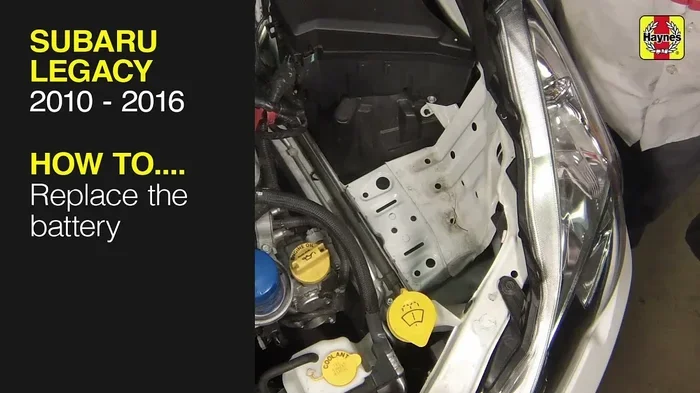
Open the hood and find the battery. In most Subaru models, the battery sits in the engine bay on the left side. It is easy to spot because of its size and the two terminals on top. If you have trouble finding it, consult your owner’s manual. Some newer Subaru models have the battery in the trunk.
Step 3: Disconnect the Negative Terminal First
This is the most important safety step. Always disconnect the negative terminal first. The negative terminal is marked with a minus sign and usually has a black cable. Use your wrench to loosen the nut and carefully lift the cable off the terminal. Keep the cable away from the terminal so it cannot accidentally touch it.
Why negative first? Disconnecting the negative terminal prevents the risk of short circuits. If you accidentally touch a metal tool to the positive terminal while it is still connected, you could create a spark. This could damage electrical components or even cause injury. Always play it safe.
Step 4: Disconnect the Positive Terminal
Now disconnect the positive terminal. It is marked with a plus sign and usually has a red cable. Loosen the nut and remove the cable. Set both cables aside where they cannot touch the terminals or any metal surface.
Step 5: Wait for at Least 15 Minutes
Here is the part many people overlook. You need to wait. Leave both terminals disconnected for at least 15 minutes. This allows the capacitors in your Subaru’s electrical system to fully drain. It also gives the ECU enough time to clear all stored codes and reset to factory defaults.
Some experts recommend waiting up to 30 minutes for a full reset. The longer you wait, the more thorough the reset. Use this time to clean the battery terminals or grab a snack. Whatever you do, do not reconnect the terminals too soon.
Step 6: Reconnect the Positive Terminal
After waiting, take the red cable and reconnect it to the positive terminal. Tighten the nut securely but do not overtighten. A snug fit is all you need. Make sure there is no wobble in the connection.
Step 7: Reconnect the Negative Terminal
Now reconnect the black cable to the negative terminal. Tighten the nut firmly. Double-check both connections to ensure they are secure. A loose terminal can cause starting problems and electrical issues down the road.
Step 8: Turn the Key and Start the Engine
Insert the key and turn it to the “ON” position without starting the engine. Wait about 10 seconds. You should hear the fuel pump priming. Then start the engine. Let it idle for a minute or two. The ECU will begin relearning your driving patterns.
Step 9: Check for Warning Lights
After starting, look at your dashboard. Some warning lights may illuminate briefly. This is normal. They should turn off within a few seconds of driving. If any light stays on, you may need to cycle the ignition a couple more times. If the light persists, a diagnostic scan may be necessary.
Common Mistakes to Avoid During Battery Reset
Even with the best instructions, mistakes happen. Here are the most common errors Subaru owners make when resetting their battery. Avoid these, and your reset will go smoothly.
Disconnecting the Positive Terminal First
This is the number one mistake. Disconnecting positive first creates a risk of short circuits. The wrench or tool can easily touch metal and spark. Always disconnect negative first. Always. No exceptions.
Not Waiting Long Enough
Some owners reconnect the terminals after just five minutes. This is not enough time for a full reset. The ECU needs time to clear all stored data. Wait at least 15 minutes, and preferably longer.
Forgetting to Reset the Clock and Radio
Even with a memory saver, some settings may not survive a full battery disconnect. After the reset, check your clock, radio presets, and Bluetooth connections. Re-pair your phone if needed. If you are wondering how to sync your devices, check out our guide on how to sync your iPhone to your new car for helpful tips.
Ignoring Corrosion on Terminals
Old batteries often leave behind corroded terminals. If you do not clean the corrosion before installing the new battery, you may face connection problems. Use a wire brush or baking soda solution to clean the terminals thoroughly. A clean connection ensures optimal electrical flow.
Not Checking the Battery Date Code
Before you buy a new battery, check the date code on the label. A battery that has been sitting on a shelf for over a year may not hold a charge as well. Fresh batteries perform better and last longer. Always choose a battery with a recent manufacture date.
How to Know If Your Subaru Battery Needs Replacement
Resetting is not always the answer. Sometimes the battery itself is the problem. Knowing the signs of a failing battery helps you avoid being stranded. Here are the key warning signs to watch for:
- Slow engine crank when you turn the key. The engine takes longer than usual to start.
- Dim headlights especially when idling or at low RPMs.
- Battery warning light on the dashboard that stays illuminated.
- Swollen or bloated battery case caused by excessive heat or overcharging.
- Corrosion buildup around the terminals that keeps coming back.
- Battery age over three to five years even if it seems to be working fine.
If you notice any of these signs, do not wait. Replace the battery as soon as possible. A dead battery leaves you stranded, and in cold weather, it can happen without warning. Keep your battery in good condition, and your Subaru will reward you with reliable starts every time.
Testing Your Battery Before Replacement
Not sure if your battery needs replacing? Have it tested. Many auto parts stores offer free battery testing. They use a load tester to measure your battery’s cold cranking amps, or CCA. This tells you exactly how much life is left. You can also use a multimeter to check the voltage. A fully charged battery should read 12.6 volts or higher.
Maintenance Tips to Extend Your Subaru Battery Life
A new battery is an investment. You want it to last as long as possible. Regular maintenance goes a long way toward achieving that goal. Here are simple tips every Subaru owner can follow.
Keep the Terminals Clean
Corrosion is the enemy of a good battery connection. Every few months, inspect your terminals for white or greenish buildup. Clean it off with a wire brush or a mixture of baking soda and water. Apply a thin coat of petroleum jelly or dielectric grease to prevent future corrosion.
Drive Your Subaru Regularly
Batteries charge while you drive. If your Subaru sits unused for long periods, the battery can drain. Try to drive your car at least once a week for 20 to 30 minutes. This keeps the battery topped off and the electrical system healthy.
Avoid Short Trips When Possible
Short trips do not give the alternator enough time to fully recharge the battery. Over time, this can shorten battery life. When you can, combine errands into one longer trip. Your battery will thank you.
Check the Alternator
A faulty alternator can ruin a new battery quickly. If you notice dim lights or electrical issues, have your alternator tested. Replacing a bad alternator is far cheaper than replacing batteries every few months.
Store Your Subaru Properly in Winter
Cold weather is tough on batteries. If you live in a cold climate and do not drive daily, consider using a battery maintainer or trickle charger. This keeps the battery at full charge without overcharging it. A small device can save you from a dead battery on a freezing morning.
When to Seek Professional Help
Most battery resets go smoothly. But sometimes, things do not work as expected. If you have followed all the steps and your Subaru still has issues, it may be time to call in a professional. Here are situations where professional help is a good idea:
- The check engine light stays on after multiple reset attempts.
- Your Subaru will not start even with a new battery installed.
- You notice persistent electrical gremlins like flickering lights or power window failures.
- The battery keeps dying within days of replacement.
- You are uncomfortable working with car batteries or electrical systems.
Professionals have diagnostic tools that can read error codes and pinpoint problems quickly. They can also perform a full battery health check and charging system test. There is no shame in seeking help. It saves time and prevents costly mistakes.
If you are concerned about warranty coverage, check with your dealer. Can I Take My Toyota To Any Dealership For Warranty Work is a common question for Toyota owners, but Subaru owners should also check their warranty terms. Some battery replacements may be covered depending on your vehicle’s age and mileage.
Final Thoughts
Resetting your Subaru battery after replacement is easier than most people think. It takes just a few minutes and a handful of basic tools. The key is to follow the steps in order, be patient during the waiting period, and double-check your connections. A proper reset clears error codes, restores settings, and helps your new battery perform at its best.
Take care of your battery, and it will take care of you. Clean the terminals, drive regularly, and watch for warning signs. These simple habits keep your Subaru running strong for years to come. And the next time someone asks you how to reset a Subaru battery after replacing it, you will be the expert they turn to.
Stay proactive about your vehicle’s health. A little attention today prevents big problems tomorrow. Your Subaru is built to last. With the right care, it will keep going strong mile after mile.
Frequently Asked Questions
How long should I wait before reconnecting the battery terminals?
Wait at least 15 minutes after disconnecting both terminals. This gives the capacitors time to drain and the ECU time to fully reset. For a more thorough reset, waiting up to 30 minutes is even better.
Will resetting my Subaru battery erase my radio presets?
Yes, a full battery disconnect will erase radio presets and clock settings. Using a memory saver device before disconnecting can preserve these settings. Without one, you will need to reprogram them after the reset.
Can a dead battery damage my Subaru’s electrical system?
Generally, no. A dead battery will not start your car, but it rarely causes lasting damage to the electrical system. However, if the battery leaks acid, it can corrode terminals and connections. Always replace a leaking battery promptly.
How often should I replace my Subaru battery?
Most Subaru batteries last between three and five years. Climate, driving habits, and maintenance all affect battery life. Have your battery tested annually after the three-year mark to stay ahead of any problems.
Do I need a special tool to reset my Subaru battery?
No special tools are required. A basic set of wrenches, a wire brush, and a clean cloth are all you need. A memory saver device is optional but helpful for preserving electronic settings during the reset.
What should I do if the check engine light stays on after the reset?
If the light persists after multiple reset attempts, have your Subaru scanned for error codes. A persistent light may indicate a sensor issue or a problem unrelated to the battery. A professional diagnostic scan can identify the exact cause.