How Big Is the Gas Tank on a Nissan Rogue Revealed
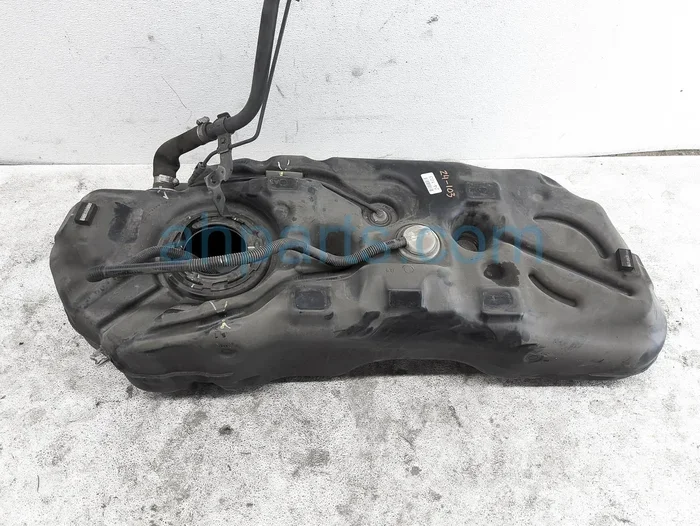
The gas tank on a Nissan Rogue holds approximately 14.5 to 16.2 gallons depending on the model year and trim. This compact SUV offers a solid driving range of around 400 to 480 miles on a single fill-up, making it a practical choice for daily commutes and road trips alike.
If you own or are considering a Nissan Rogue, one of the first practical questions that comes up is simple: how big is the gas tank on a Nissan Rogue? It might not sound exciting, but knowing your fuel tank capacity affects everything from daily commuting costs to road trip planning. The answer depends on the model year, trim level, and even the engine type.
In this guide, we will break down the exact fuel capacity for every generation of the Nissan Rogue. You will also learn about driving range, fuel economy numbers, and tips to squeeze the most miles out of every fill-up. Whether you are a current Rogue owner or shopping for your next vehicle, this article covers what you need to know about the Nissan Rogue fuel tank.
The Nissan Rogue is one of the best-selling compact SUVs in the United States. It offers a great balance of space, comfort, and efficiency. But the size of the fuel tank plays a big role in how convenient the vehicle is for everyday use. A smaller tank means more frequent trips to the gas station, while a larger one gives you peace of mind on long drives. Let us dive into the specifics.
Key Takeaways
- Fuel Capacity: The Nissan Rogue gas tank ranges from 14.5 to 16.2 gallons across different model years and trims.
- Driving Range: You can expect 400 to 480 miles per tank depending on driving habits and fuel type.
- Fuel Economy: The Rogue delivers an average of 25 to 30 MPG combined, which is competitive in the compact SUV class.
- Tank Size Matters: A larger tank means fewer stops and longer road trip ranges without refueling.
- Maximizing Range: Simple driving habits can help you get the most out of every gallon in your Nissan Rogue.
📑 Table of Contents
- Understanding the Gas Tank on a Nissan Rogue
- Fuel Capacity Across Trims and Engine Options
- How Far Can a Nissan Rogue Go on a Full Tank?
- Tips to Maximize Your Nissan Rogue Fuel Range
- Comparing the Nissan Rogue Gas Tank to Competitors
- Common Mistakes That Reduce Your Nissan Rogue Fuel Range
- How to Check Your Nissan Rogue Fuel Level Accurately
- Expert Insights on the Nissan Rogue Fuel Tank
- How to Find Your Exact Nissan Rogue Fuel Tank Size
- Conclusion
Understanding the Gas Tank on a Nissan Rogue
The fuel tank size Nissan Rogue has evolved over the years. Different generations and trims come with slightly different capacities. Understanding these differences helps you plan better and set realistic expectations for your driving range.
First Generation (2008 to 2013)
The original Nissan Rogue featured a gas tank that held approximately 14.5 gallons. This was a standard size for a compact SUV at the time. With an average fuel economy of around 23 to 26 MPG combined, drivers could expect a range of roughly 335 to 377 miles on a full tank.
For most daily commuters, this was more than enough. But road trippers sometimes found themselves stopping more often than they liked. The first generation Rogue set the foundation for what would become a popular and reliable compact SUV.
Second Generation (2014 to 2020)
Nissan increased the fuel capacity for the second-generation Rogue. The tank grew to approximately 14.5 to 15.3 gallons depending on the specific trim and engine configuration. The introduction of the 2.5-liter four-cylinder engine helped improve fuel efficiency, pushing the combined MPG closer to 25 to 30.
This generation also saw the introduction of the Rogue Hybrid. The hybrid variant came with a slightly different tank setup, as the vehicle combines a gas engine with an electric motor. The fuel tank size Nissan Rogue hybrid was around 14.5 gallons, but the overall range was slightly different due to the assist from the electric powertrain.
Third Generation (2021 to Present)
The latest Nissan Rogue features a fuel tank capacity of approximately 16.2 gallons. This is the largest tank Nissan has offered in the Rogue lineup. The increase gives drivers a meaningful boost in driving range without adding much weight to the vehicle.
The third-generation Rogue also comes in a hybrid version. The Nissan Rogue hybrid gas tank holds the same 16.2 gallons. However, the hybrid system helps the vehicle achieve better overall mileage, which means you go further on each gallon of fuel.
Fuel Capacity Across Trims and Engine Options
Not all Nissan Rogues are created equal when it comes to fuel capacity. The trim level and engine type can influence the tank size slightly. Here is a breakdown of what to expect.
Standard Gas Models
The standard gas-powered Nissan Rogue uses a single fuel tank with a capacity that ranges from 14.5 to 16.2 gallons. The base S trim typically comes with the 14.5-gallon option on older models, while the higher trims like SV and SL on newer models feature the 16.2-gallon tank.
Here is a quick comparison of the standard gas models:
- 2014-2020 S Trim: 14.5 gallons
- 2014-2020 SV/SL Trim: 14.5 to 15.3 gallons
- 2021+ S Trim: 16.2 gallons
- 2021+ SV/SL/Platinum Trim: 16.2 gallons
Hybrid Models
The Nissan Rogue Hybrid uses the same tank size as its gas counterpart. The hybrid system does not reduce the fuel capacity. Instead, it supplements the gas engine with electric power, which improves overall efficiency. The hybrid can achieve up to 32 to 34 MPG in some driving conditions, which significantly extends the total range per tank.
If you are comparing the hybrid vs gas versions, the hybrid will always give you more miles per gallon. But the tank size remains consistent across both powertrains.
How Far Can a Nissan Rogue Go on a Full Tank?
This is one of the most common questions owners and buyers ask. The answer depends on your driving style, road conditions, and the specific model year. But here are some general estimates based on the official EPA ratings.
City Driving Range
In city conditions, where stop-and-go traffic is common, the Nissan Rogue averages around 23 to 27 MPG. With a 16.2-gallon tank, this translates to approximately 373 to 437 miles of city driving range. Older models with smaller tanks will be on the lower end of that range.
Highway Driving Range
On the highway, the Rogue performs even better. Steady speeds and less stop-and-go traffic help the engine operate more efficiently. Highway MPG typically ranges from 30 to 34. With a full 16.2-gallon tank, you could travel 486 to 551 miles before needing to refuel.
That is a serious road trip capability. Many drivers report completing cross-state trips on a single tank with fuel to spare. For those who want to know how far their specific model can go, understanding your complete drive cycle can help you get more accurate real-world numbers.
Combined MPG and Range
The EPA combined rating for the Nissan Rogue sits between 25 and 30 MPG depending on the year and trim. Using a 16.2-gallon tank, a combined range of 400 to 480 miles is realistic for most drivers. This makes the Rogue a very practical daily driver that does not require frequent refueling stops.
Tips to Maximize Your Nissan Rogue Fuel Range
Want to stretch every gallon? There are several proven strategies that can help you get the most out of your Nissan Rogue fuel tank. These tips apply to all model years and trims.
Drive Smoothly and Maintain Steady Speeds
Aggressive acceleration and hard braking waste fuel. Smooth, steady driving is the single biggest factor in improving your MPG. Try to maintain a consistent speed on highways and avoid rapid bursts of speed from stoplights.
Keep Your Tires Properly Inflated
Underinflated tires create more rolling resistance, which forces the engine to work harder. Check your tire pressure at least once a month. The recommended pressure for the Nissan Rogue is typically listed on the driver-side door jamb.
Reduce Excess Weight
Extra weight in your vehicle reduces fuel efficiency. Clear out unnecessary items from your trunk and cargo area. Every extra pound forces the engine to burn a little more fuel over time.
Use Cruise Control on Highways
Cruise control helps maintain a steady speed, which is more fuel-efficient than manually varying your speed on long highway stretches. Just be sure to use it only in safe driving conditions.
Keep Up with Regular Maintenance
A well-maintained engine runs more efficiently. Regular oil changes, air filter replacements, and spark plug checks all contribute to better fuel economy. A dirty air filter alone can reduce your MPG by up to 10 percent.
Plan Your Refueling Stops
Instead of waiting until the tank is nearly empty, plan your refueling stops strategically. Use apps or websites to find the cheapest gas along your route. This saves both fuel and money over time.
Comparing the Nissan Rogue Gas Tank to Competitors
How does the Nissan Rogue fuel capacity stack up against other compact SUVs? Here is a quick comparison with some popular rivals.
| Vehicle | Fuel Tank Capacity | Combined MPG | Estimated Range |
|---|---|---|---|
| Nissan Rogue (2021+) | 16.2 gallons | 28 MPG | 454 miles |
| Honda CR-V | 15.3 gallons | 30 MPG | 459 miles |
| Toyota RAV4 | 15.9 gallons | 30 MPG | 477 miles |
| Ford Escape | 15.0 gallons | 28 MPG | 420 miles |
| Hyundai Tucson | 14.8 gallons | 29 MPG | 430 miles |
As you can see, the Nissan Rogue holds a competitive amount of fuel. While some rivals have slightly better fuel economy, the Rogue’s larger tank often compensates by offering a comparable or even superior total range. This is a big advantage for drivers who frequently travel long distances.
For more information on how fuel capacity impacts overall vehicle ownership, you might find it helpful to learn how many gallons it takes to fill up a car in general terms.
Common Mistakes That Reduce Your Nissan Rogue Fuel Range
Many drivers unknowingly habits that hurt their fuel economy. Avoiding these common mistakes can help you get the most out of every tank.
Idling for Too Long
Letting your engine idle for extended periods wastes fuel. If you are parked for more than a minute, it is more efficient to turn the engine off. Modern engines use less fuel restarting than idling for long periods.
Using the Wrong Fuel Grade
The Nissan Rogue is designed to run on regular unleaded gasoline. Using premium fuel will not improve performance or fuel economy. Stick with what the manufacturer recommends and save your money.
Ignoring the Check Engine Light
A check engine light can signal issues that reduce fuel efficiency. A loose gas cap, faulty oxygen sensor, or malfunctioning catalytic converter can all hurt your MPG. Address these issues promptly to maintain optimal fuel economy.
Carrying a Roof Rack When Not in Use
Roof racks create aerodynamic drag even when empty. This drag forces the engine to work harder, especially at highway speeds. Remove your roof rack when you are not using it to improve fuel efficiency.
How to Check Your Nissan Rogue Fuel Level Accurately
Knowing your fuel level is straightforward, but a few tips can help you get more accurate readings. The Nissan Rogue uses an electronic fuel gauge on the dashboard. However, several factors can affect its accuracy.
Temperature changes can cause the fuel to expand or contract, which slightly affects the gauge reading. Driving on steep inclines can also temporarily shift the fuel level reading. For the most accurate measurement, check your fuel level when the vehicle is parked on a flat surface and the engine is off.
If you notice the gauge behaving erratically, it could be a sign of a failing fuel sensor. Have it checked by a certified mechanic to avoid running out of fuel unexpectedly. Also, keeping your tank at least a quarter full helps protect the fuel pump from overheating and premature wear.
Expert Insights on the Nissan Rogue Fuel Tank
Automotive experts generally agree that the Nissan Rogue offers one of the better fuel tank sizes in the compact SUV segment. The 16.2-gallon tank in the latest models is a standout feature that sets the Rogue apart from several competitors.
According to industry analysts, the Rogue’s fuel capacity strikes a good balance between size and efficiency. It is large enough to provide a generous driving range, but not so large that it adds significant weight or reduces cargo space. This thoughtful engineering reflects Nissan’s focus on practical, everyday usability.
For owners who want to explore more about their vehicle’s fuel system, understanding how components like the gas cap mechanism works can be helpful. A properly sealing gas cap is essential for maintaining fuel efficiency and preventing fuel vapor loss.
How to Find Your Exact Nissan Rogue Fuel Tank Size
If you want the exact fuel tank capacity for your specific Nissan Rogue, there are a few reliable ways to find this information. The owner’s manual is the most accurate source. It will list the fuel tank capacity, recommended fuel type, and other important specifications.
You can also check the sticker inside the driver-side door jamb. This sticker contains all the essential specifications for your vehicle, including fuel tank details. Additionally, the Nissan website offers a vehicle lookup tool where you can enter your VIN to get exact specifications for your model.
For those who like to verify independently, the fuel filler door itself sometimes has a label indicating the tank capacity. This is a quick and easy way to confirm the information without digging through paperwork.
Conclusion
The gas tank on a Nissan Rogue is a practical and well-designed component that supports the vehicle’s reputation as a reliable compact SUV. Whether you have the first generation with 14.5 gallons or the latest model with 16.2 gallons, the Rogue delivers a respectable driving range that works for daily commutes and road trips alike.
With an average combined MPG of 25 to 30, the Nissan Rogue offers competitive fuel economy in its class. The larger tank in newer models gives drivers extra peace of mind, especially on longer journeys. By following the tips outlined in this guide, you can maximize your fuel range and get the best value out of every gallon.
Understanding your vehicle’s fuel capacity is one of the simplest yet most valuable pieces of knowledge you can have as a car owner. It helps you plan trips, budget for fuel costs, and avoid the stress of running low on gas. The Nissan Rogue continues to be a smart choice for anyone looking for a practical, efficient, and capable compact SUV.
Frequently Asked Questions
What is the gas tank size on a Nissan Rogue?
The gas tank on a Nissan Rogue holds between 14.5 and 16.2 gallons depending on the model year and trim. The latest 2021 and newer models feature the largest tank at 16.2 gallons, which gives drivers an impressive driving range of over 450 miles on a full tank.
How far can a Nissan Rogue go on a full tank of gas?
A Nissan Rogue can travel approximately 400 to 480 miles on a full tank, depending on driving conditions and the specific model year. Highway driving typically yields the longest range, while city driving with frequent stops reduces the total distance you can cover on a single tank.
Does the Nissan Rogue Hybrid have a different gas tank size?
No, the Nissan Rogue Hybrid uses the same fuel tank capacity as the standard gas model. The hybrid system improves overall fuel economy by combining the gas engine with an electric motor, which means you get more miles per gallon without needing a larger tank.
What type of gas does a Nissan Rogue require?
The Nissan Rogue runs on regular unleaded gasoline. There is no need to use premium fuel. Using the recommended regular unleaded fuel helps keep your fuel costs low while maintaining optimal engine performance and efficiency.
How often do you need to fill up a Nissan Rogue?
With a 16.2-gallon tank and average MPG of 28, most drivers can go 400 to 450 miles between fill-ups. For the average commuter who drives about 30 miles per day, this means refueling roughly every two weeks. Your actual frequency depends on your driving habits and daily mileage.
Can you improve the fuel range of a Nissan Rogue?
Yes, several driving habits can help improve your fuel range. Maintaining steady speeds, keeping tires properly inflated, reducing excess vehicle weight, and staying current with regular maintenance all contribute to better fuel economy and a longer driving range per tank.