What Is the Oil Gauge on the Dashboard and Why It Matters
The oil gauge on your dashboard is one of the most important tools for monitoring your engine’s health. It tells you whether your engine has enough oil pressure to keep everything running smoothly. Ignoring this gauge can lead to serious engine damage, expensive repairs, and even a car that won’t start. In this guide, we break down everything you need to know about the oil gauge, from how it works to what to do when it warns you.
You are driving down the road, and suddenly a light or needle on your dashboard catches your eye. It is the oil gauge. Maybe you have seen it before but never paid much attention. Or maybe it just started acting weird and now you are worried. Either way, you are in the right place.
The oil gauge on the dashboard is one of the most important warning systems your car has. It tells you whether your engine has enough oil pressure to keep all the moving parts lubricated. Without proper oil pressure, your engine can seize up, overheat, and fail completely. That is why understanding what the oil gauge means can save you a lot of money and headaches.
In this article, we will walk you through everything you need to know. We will cover what the oil gauge does, how it works, what the different readings mean, and what you should do when something looks wrong. Whether you are a new driver or have been driving for years, this guide will help you take better care of your car.
So let us get started. Your engine will thank you.
Key Takeaways
- Know your oil gauge: It shows oil pressure and helps protect your engine from damage.
- Read it regularly: Checking your oil gauge takes seconds but can save you thousands in repairs.
- Act fast on warnings: A blinking or red oil light means stop driving immediately.
- Oil changes matter: Fresh oil keeps the gauge reading normal and your engine healthy.
- Low oil is dangerous: Running on low oil can destroy your engine in minutes.
- Reset after maintenance: Always reset your oil life indicator after an oil change.
📑 Table of Contents
What Is the Oil Gauge on the Dashboard?
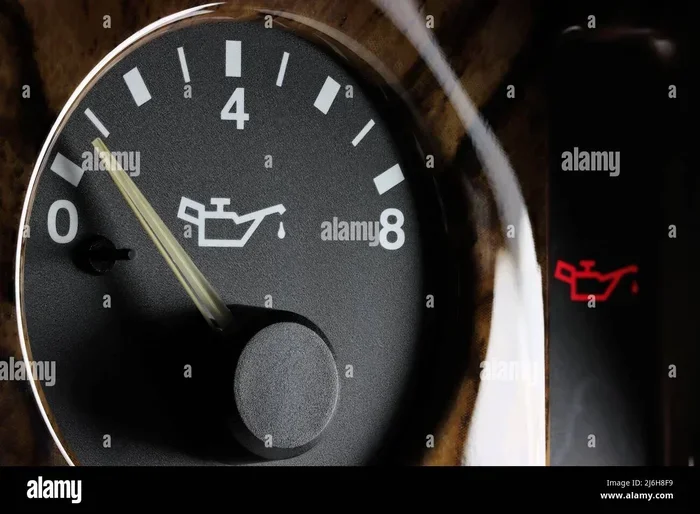
The oil gauge is a tool on your car’s dashboard that shows the oil pressure inside your engine. Some cars display this with a needle on a dial. Others use a digital readout or a simple warning light. No matter the style, the purpose is the same: to tell you if your engine has enough oil flowing through it.
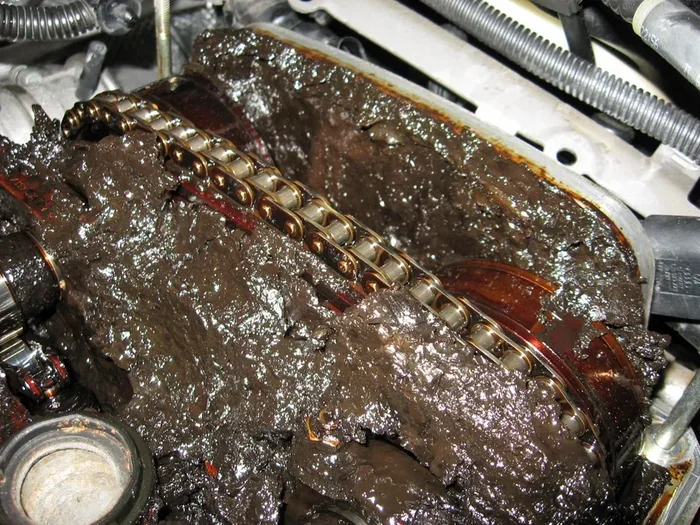
Oil is the lifeblood of your engine. It keeps all the metal parts from grinding against each other. Without oil, metal rubs against metal. That creates heat, friction, and eventually total engine failure. The oil gauge acts as your early warning system. It lets you know before things get too bad.
Most drivers never look at their oil gauge until something goes wrong. That is a mistake. Making it a habit to glance at your dashboard gauges can help you catch problems early. A quick check takes just a second, and it could save you from a very expensive repair bill.
Oil Pressure vs. Oil Level
Here is something many people do not realize. The oil gauge measures oil pressure, not oil level. These are two different things. Oil pressure is how hard the oil is being pushed through the engine. Oil level is how much oil is in the reservoir.
You check oil level with the dipstick. You check oil pressure with the gauge. Both matter, but they tell you different things. A low oil level can cause low oil pressure. But you can also have low oil pressure even when the oil level looks fine. That is why understanding both is important for proper car maintenance.
If you are not sure how to check your oil level, you should read our guide on Can You Tell If Your Car Is Low On Oil. It walks you through the process step by step in plain language.
How Does the Oil Gauge Work?
Now that you know what the oil gauge does, let us talk about how it actually works. Understanding the basics helps you trust what you see on your dashboard.
Inside your engine, there is an oil pump. This pump pushes oil through passages and channels to reach every part that needs lubrication. The oil pressure sensor measures how much pressure is in the system. It sends that information to the oil gauge on your dashboard.
When the engine is running, you should see a normal pressure reading. This usually means the needle stays in the middle of the gauge or the digital display shows a healthy number. If the pressure drops too low, the gauge will warn you.
The Oil Pressure Sensor
The oil pressure sensor is a small device mounted on the engine block. It is usually near the oil filter. This sensor is the link between your engine and your dashboard. If the sensor goes bad, the gauge may show incorrect readings. That is why it is important to know what a normal reading looks like for your specific car.
Different engines need different levels of oil pressure. A cold engine usually has lower pressure at first. As the engine warms up, the oil gets thinner and flows better. The pressure should rise as the engine reaches normal operating temperature. If it does not, that is a sign something is wrong.
Types of Oil Gauges
Not all cars have the same type of oil gauge. Here are the most common types you might find:
- Analog needle gauge: This is the classic dial with a needle that moves up and down. Many older cars and some newer models still use this style.
- Digital readout: Newer cars often show oil pressure as a number on the dashboard display. It is very precise and easy to read.
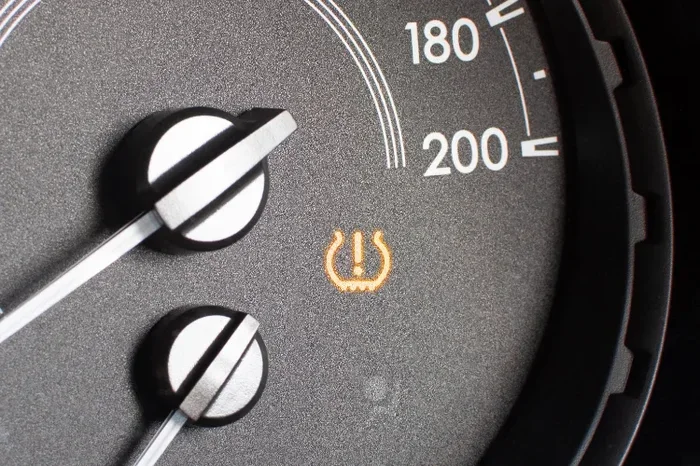
- Warning light only: Some cars do not have a full gauge at all. Instead, they use a simple red or yellow light that comes on when oil pressure drops too low.
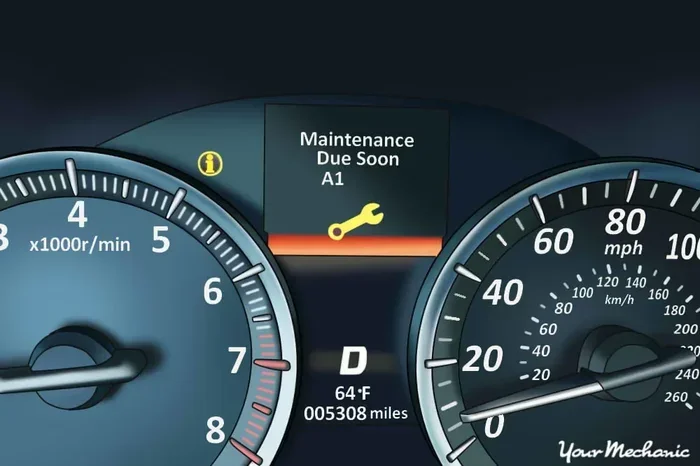
- Oil life indicator: Many modern cars have a system that tracks your oil life percentage. It tells you when it is time for an oil change. You can learn more about this in our article on At What Percent Oil Life Should You Change Oil.
Each type serves the same basic purpose. They all want to tell you whether your engine oil is doing its job.
Reading Your Oil Gauge Correctly
Knowing what the oil gauge looks like when everything is fine is just as important as knowing what it looks like when something is wrong. Let us break down how to read your gauge properly.
Normal Oil Pressure Readings
When your engine is running and warmed up, the oil gauge should show a steady reading in the normal range. For most cars, this means the needle is in the middle area of the gauge or the digital display shows a number between 20 and 60 PSI (pounds per square inch). This can vary by car, so always check your owner’s manual for the exact numbers.
Here are some things to keep in mind when reading your gauge:
- The needle should stay steady when the engine is running at a normal speed.
- A slight drop when you first start the car is normal. The oil needs a moment to circulate.
- If the needle stays in the normal zone after a few seconds, your oil pressure is good.
- Digital displays should show consistent numbers without sudden jumps.
What Low Oil Pressure Looks Like
Low oil pressure is one of the most serious warnings your car can give you. Here is what to look for:
- The needle drops below the normal zone or into the red area.
- A warning light shaped like an oil can appears on the dashboard.
- The light may flash or stay solid, depending on how low the pressure is.
- You might hear unusual engine noises like knocking or ticking.
If you see any of these signs, you should pull over safely and turn off the engine. Driving with low oil pressure can cause permanent engine damage in just a few minutes. For more information on what to do when your oil is low, check out our guide on Can I Add Oil To My Car If It’s Low.
What High Oil Pressure Looks Like
High oil pressure is less common but still a concern. It can happen if the oil is too thick, the oil filter is clogged, or there is a blockage in the oil passages. High pressure can damage seals and gaskets over time. If your gauge shows unusually high readings, have a mechanic check the system as soon as possible.
Common Oil Gauge Problems and What They Mean
Oil gauges are reliable, but they are not perfect. Sometimes the gauge itself is the problem, not the engine. Here are the most common issues drivers face.
The Oil Light Comes On but Oil Level Is Fine
This is one of the most confusing situations. You check the oil, and the level looks good. So why is the light on? There are a few possible reasons:
- The oil pressure sensor may be faulty and sending wrong signals.
- The oil may be old and too thin to maintain proper pressure.
- There could be a leak in the oil system that you cannot see.
- The oil pump might be wearing out and not pumping enough pressure.
In any case, it is smart to get it checked by a professional. Ignoring the light even when the oil looks fine can lead to big problems down the road.
The Oil Gauge Fluctuates or Spikes
If the needle on your oil gauge bounces around or spikes suddenly, that is not normal. Fluctuations can be caused by:
- A failing oil pressure sensor
- Dirty or contaminated oil
- A clogged oil filter
- Worn engine bearings that change the pressure inside the system
Occasional small dips when you accelerate hard are normal. But consistent fluctuations or large spikes need attention. Do not ignore them.
The Oil Gauge Stays at Zero
If the gauge reads zero or the warning light stays on constantly, this is a serious issue. The most common causes are:
- The oil pump has failed
- There is a major oil leak
- The oil level is extremely low
- The oil pressure sensor is completely dead
Do not keep driving if the gauge stays at zero. Turn off the engine and call for help. Continuing to drive in this condition will almost certainly destroy the engine.
What to Do When the Oil Gauge Warns You
Seeing a warning on your oil gauge can be scary. But knowing what to do in the moment can make all the difference. Here is a simple step-by-step guide.
Step 1: Pull Over Safely
As soon as you notice the oil gauge warning, find a safe place to pull over. Turn off the engine. Do not keep driving, even if it is just a short distance. Every second you drive with low oil pressure risks damaging the engine.
Step 2: Check the Oil Level
Once the car is off and cooled down a bit, pop the hood and check the oil level with the dipstick. If the oil is very low or completely gone, you have found the problem. But even if the oil level looks okay, the pressure issue could still be real.
Step 3: Check for Leaks
Look under the car for any signs of oil drips or puddles. Also check around the oil filter and oil pan for wet spots. If you see a leak, you will need a tow truck and a trip to the mechanic.
Step 4: Call for Help
If you cannot identify the problem yourself, call a tow truck or roadside assistance. It is always better to be safe than sorry. A tow costs a lot less than a new engine.
Step 5: Get Professional Help
Take the car to a trusted mechanic. They have the tools and expertise to diagnose the real problem. Sometimes it is a simple fix like replacing the oil pressure sensor. Other times it could be something more serious like a failing oil pump.
Preventing Oil Gauge Problems
The best way to deal with oil gauge issues is to prevent them from happening in the first place. Regular maintenance goes a long way toward keeping your engine healthy and your gauge reading normally.
Stick to Your Oil Change Schedule
Fresh oil is clean oil. Over time, oil breaks down and loses its ability to lubricate properly. Old oil can become too thin or too thick, which affects oil pressure. Follow your car’s recommended oil change schedule to the letter. Most cars need an oil change every 5,000 to 7,500 miles for conventional oil, or every 10,000 miles for synthetic oil.
After every oil change, make sure you reset your oil life indicator so the system can track your fresh oil properly.
Use the Right Oil
Not all engine oils are the same. Using the wrong oil type can cause pressure problems. Check your owner’s manual for the recommended engine oil type and viscosity. Using the right oil keeps everything running smoothly and helps the oil gauge stay in the normal range.
Check Oil Levels Regularly
Make it a habit to check your oil level at least once a month. This takes just a few minutes and can catch problems before they become serious. If you notice the oil level dropping quickly, that could mean a leak or excessive oil consumption. Both need attention.
Pay Attention to Warning Signs
Your car talks to you. Listen to it. If you notice any unusual engine noises, changes in the oil gauge reading, or dashboard lights, do not ignore them. Catching a small problem early can save you from a major repair later.
Keep Up with Other Maintenance
The oil gauge is part of a larger system. Keeping your entire car well-maintained helps the gauge work properly. This includes replacing the oil filter regularly, checking for oil leaks, and addressing any engine issues promptly.
Quick Tips for Oil Gauge Health
- Check your oil gauge every time you start the car. Make it a habit.
- Keep a spare quart of the right oil in your trunk for emergencies.
- Never ignore a warning light, even if the oil level looks fine.
- Change your oil filter every time you change the oil.
- Use a quality oil brand that meets your car’s specifications.
- If the gauge acts weird, get it checked before it becomes a big problem.
Conclusion
The oil gauge on the dashboard is one of the simplest yet most important tools your car gives you. It tells you whether your engine has the oil pressure it needs to run safely and efficiently. Understanding how to read it, what the warnings mean, and what to do when something is wrong can save you from costly repairs and keep your car running strong for years.
Make it a habit to glance at your gauges every time you drive. Take your car in for regular oil changes and maintenance. And never, ever ignore a warning from your oil gauge. Your engine works hard for you every day. Giving it the care it needs is the least you can do.
Stay proactive, stay informed, and keep your oil gauge reading in the green. Your car will thank you for it.
Frequently Asked Questions
Can I drive my car if the oil gauge shows low pressure?
No, you should not drive your car if the oil gauge shows low pressure. Low oil pressure means your engine is not getting enough lubrication. Continuing to drive can cause the engine to seize or suffer permanent damage. Pull over safely and turn off the engine as soon as possible.
How often should I check my oil gauge?
You should glance at your oil gauge every time you start the car. It only takes a second and helps you catch problems early. In addition, check your actual oil level with the dipstick at least once a month or before any long road trips.
What does the oil can warning light mean?
The oil can warning light means your oil pressure is too low. This is a serious warning that requires immediate attention. Check your oil level right away and do not continue driving until the problem is diagnosed and fixed.
Can a bad oil pressure sensor cause the oil gauge to show wrong readings?
Yes, a faulty oil pressure sensor can send incorrect signals to the oil gauge. This can make it appear like you have low or high oil pressure when the actual levels are normal. If you suspect the sensor is bad, have a mechanic test and replace it if needed.
Does the oil gauge work differently in cold weather?
Yes, oil pressure can be lower when the engine is cold because the oil is thicker and does not flow as easily. As the engine warms up, the pressure should rise to normal levels. If the gauge still shows low pressure after the engine is fully warm, that is a sign of a real problem.
How much does it cost to fix an oil gauge problem?
The cost depends on what is causing the issue. Replacing an oil pressure sensor is usually affordable, often between $50 and $250. But if the problem is a failing oil pump or engine damage from running on low oil, the cost can be much higher. Regular maintenance is the best way to avoid expensive repairs.