TPMS Light vs Tire Pressure Light What Is Different
The TPMS Light vs Tire Pressure Light debate confuses many drivers, but the difference is simpler than you think. A TPMS light signals a problem with the tire pressure monitoring system itself, while a tire pressure light warns you that one or more tires are actually low on air. Understanding this distinction helps you respond correctly and keep your vehicle safe on the road.
You are driving down the highway, and suddenly a light pops up on your dashboard. Your heart drops a little. Is it a TPMS light? Or is it a tire pressure light? If you have ever wondered about the TPMS Light vs Tire Pressure Light debate, you are not alone. Many drivers see these warnings and assume they mean the same thing. They do not.
Understanding the difference between these two dashboard indicators can save you time, money, and a lot of stress. This guide breaks down everything you need to know about each light, what triggers them, and what you should do when they appear. Let us get into it.
Key Takeaways
- The TPMS light indicates a malfunction in the tire pressure monitoring system hardware or sensor.
- The tire pressure light (often a horseshoe shape with an exclamation mark) means your tire air pressure is too low or too high.
- Both lights look similar but serve entirely different purposes in vehicle maintenance.
- Driving on low tires can reduce fuel economy and increase blowout risk.
- Resetting the TPMS light often fixes the issue after you inflate tires to the correct level.
- Cold weather commonly triggers tire pressure warnings due to air contraction inside the tires.
- Regular tire checks with a tire pressure gauge help prevent unexpected warnings.
📑 Table of Contents
- What Is a TPMS Light?
- What Is a Tire Pressure Light?
- TPMS Light vs Tire Pressure Light: What Is Actually Different?
- How to Check Your Tire Pressure Correctly
- What to Do When the TPMS Light Comes On
- Common Mistakes Drivers Make With Tire Pressure Warnings
- How to Reset Your TPMS Light
- When to See a Professional
- Final Thoughts on TPMS Light vs Tire Pressure Light
What Is a TPMS Light?
The TPMS light stands for Tire Pressure Monitoring System light. It is a dashboard warning that tells you something is wrong with the system that monitors your tire pressure. It does not necessarily mean your tires are low on air. It means the TPMS sensor or the system itself has detected a problem.
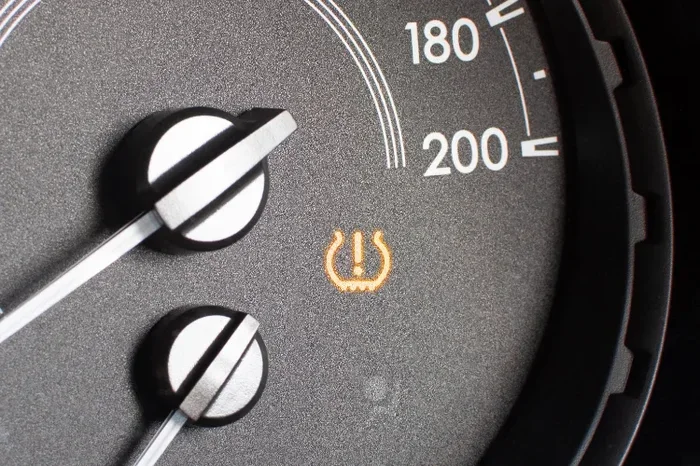
Modern vehicles built after 2007 in the United States are required to have TPMS installed. This system was introduced to improve safety and fuel efficiency. When the TPMS light comes on, it usually looks like a horseshoe shape with an exclamation mark in the center. However, the exact symbol can vary by vehicle manufacturer.
How Does TPMS Work?
Your vehicle uses either a direct or indirect TPMS system to track tire pressure. Each system works differently, but both serve the same goal: keeping you informed about your tire health.
Direct TPMS uses a small sensor inside each tire. These sensors measure the actual air pressure inside the tire and send the data to your car’s computer. If the pressure drops below a safe level, the system triggers a warning. The sensor battery typically lasts around 5 to 10 years before it needs replacement.
Indirect TPMS works differently. It uses the wheel speed sensors already present in your vehicle’s anti-lock braking system. When a tire is low on air, it rolls at a slightly different speed than the other tires. The system detects this difference and lights up the warning. Indirect TPMS does not use physical sensors inside the tires.
Why Does the TPMS Light Come On?
Several things can trigger the TPMS light to illuminate on your dashboard. Here are the most common reasons:
- Low tire pressure in one or more tires
- A dead TPMS sensor battery that needs replacement
- A faulty TPMS sensor that is no longer sending readings
- Temperature changes causing temporary pressure drops
- A recently rotated or replaced tire that was not relearned properly
- Interference from aftermarket wheels that do not fit the sensors correctly
Sometimes the light comes on and stays on. Other times it flashes for about 60 to 90 seconds when you start the car and then stays solid. A flashing light usually points to a more serious TPMS malfunction that needs immediate attention.
What Is a Tire Pressure Light?
A tire pressure light is a broader term that many people use to describe any warning related to tire air pressure. Strictly speaking, the tire pressure warning light is the same symbol as the TPMS light. But in everyday conversation, drivers often use “tire pressure light” to mean that their tires simply need more air.
When your tire pressure light comes on, it is telling you that the air pressure inside one or more tires has fallen below the recommended level. This is a direct alert about the condition of your tires, not about the monitoring system itself.
What Causes Low Tire Pressure?
Low tire pressure is one of the most common issues drivers face. Here are the top causes you should know about:
- Punctures or slow leaks from nails, screws, or sharp debris on the road
- Natural air loss over time, which happens at about 1 PSI per month
- Cold weather, which causes the air inside tires to contract and drop pressure
- Damaged valve stems that allow air to escape slowly
- Overloaded vehicle that puts extra stress on the tires
- Poor tire maintenance and infrequent pressure checks
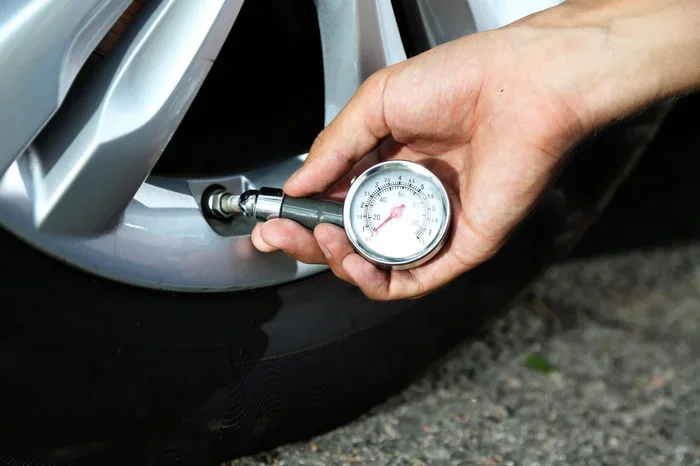
If you notice your tire pressure warning light, the first thing you should do is check the air pressure in each tire with a tire pressure gauge. Most gas stations have free air pumps, and a portable gauge is a great tool to keep in your glove box.
TPMS Light vs Tire Pressure Light: What Is Actually Different?
The TPMS Light vs Tire Pressure Light comparison can be tricky because the symbols often look the same. But the underlying meaning is different. Let us break it down clearly.
The tire pressure light tells you that your tires need air. It is a straightforward message. Inflate your tires to the recommended PSI, and the light should go off after a few miles of driving.
The TPMS light tells you that the system monitoring your tire pressure has a problem. This could mean a dead sensor, a broken sensor, or a communication issue between the sensors and your car’s computer. Even if your tires are perfectly inflated, the TPMS light can still come on.
Here is a quick comparison to help you understand the difference:
| Feature | TPMS Light | Tire Pressure Light |
|---|---|---|
| What it means | Problem with the monitoring system | Tire air pressure is too low or too high |
| Common cause | Faulty sensor, dead battery, system error | Puncture, slow leak, temperature change |
| Does it mean tires are low? | Not necessarily | Yes, almost always |
| Can you drive on it? | Yes, but get the system checked soon | Check and inflate tires as soon as possible |
| Reset needed? | Often yes, after fixing the issue | Usually goes off on its own after inflation |
| Urgency level | Moderate | High if pressure is significantly low |
Many drivers ask, “Can I just ignore the light and keep driving?” The honest answer is no. Whether it is a TPMS light or a low tire pressure warning, ignoring it can lead to bigger problems down the road. Low tires wear out faster, reduce your fuel efficiency, and increase the risk of a blowout.
How to Check Your Tire Pressure Correctly
Checking your tire pressure is one of the simplest and most important things you can do for your vehicle. Here is how to do it the right way.
- Find your recommended PSI. Look for a sticker on the driver’s side door jamb or check your owner’s manual. Do not use the number printed on the tire sidewall. That number is the maximum pressure, not the recommended pressure.
- Check when the tires are cold. Driving heats up the air inside the tires and can give you a false reading. Ideally, check your pressure in the morning before you drive.
- Remove the valve cap. Press the tire pressure gauge firmly onto the valve stem. You should hear a brief hiss of air, which is normal.
- Read the gauge. Compare the reading to the recommended PSI. If it is low, add air. If it is high, let a little air out.
- Replace the valve cap. This small step protects the valve stem from dirt and moisture.
- Repeat for all four tires. Do not forget your spare tire, especially if you have a full-size spare.
Most auto parts stores sell reliable tire pressure gauges for under $15. A digital gauge gives you the most accurate reading, but a pencil-style gauge works just fine for regular checks.
What to Do When the TPMS Light Comes On
Seeing the TPMS light on your dashboard can feel alarming, but it does not always mean something is seriously wrong. Here is a step-by-step approach to handling this warning.
Step 1: Check your tire pressure. Pull over safely and inspect each tire. If one looks noticeably flat, you have found the problem. Add air to the recommended PSI and continue driving.
Step 2: Reset the system. After inflating your tires, the light may not turn off right away. Many vehicles allow you to reset the TPMS reset by pressing a button located under the steering column or in the infotainment system. Check your owner’s manual for the exact steps for your specific model.
Step 3: Drive for a few miles. In many cases, the system needs a short drive to recalibrate. If the light goes off after driving, your issue is resolved.
Step 4: Visit a mechanic if the light stays on. If the TPMS light remains illuminated after you have checked and inflated your tires, there may be a deeper issue. A faulty sensor or a wiring problem could be the culprit. A professional can run diagnostics and pinpoint the exact cause.
Many drivers wonder if they can drive with the TPMS light on safely. In most cases, yes, you can drive a short distance. But if the light is flashing, you should get the vehicle inspected as soon as possible. A flashing light often indicates a more serious sensor failure.
It is also worth noting that ignoring any dashboard warning light, including the tire pressure warning, can lead to more expensive repairs down the road. Taking a few minutes to address the issue early can save you hundreds of dollars in tire replacement and fuel costs.
Common Mistakes Drivers Make With Tire Pressure Warnings
Even experienced drivers make mistakes when dealing with tire pressure warnings. Here are the most common ones to avoid:
- Ignoring the light. Some drivers see a tire pressure warning and assume it will go away on its own. While this can happen with minor temperature changes, a persistent light needs attention.
- Overinflating the tires. Adding too much air can be just as dangerous as driving on low tires. Overinflated tires have less contact with the road, which reduces traction and causes uneven wear.
- Only checking one tire. If one tire is low, the others might be too. Always check all four tires when you see a warning.
- Confusing the TPMS light with other warnings. Dashboard lights can look similar across different systems. If you are unsure what a light means, do not guess. Refer to your owner’s manual or ask a mechanic.
- Forgetting seasonal changes. Cold weather in fall and winter often triggers tire pressure warnings. Checking your pressure seasonally can prevent surprise lights on your dashboard.
If you ever find yourself unsure about a warning light on your dash, it is always better to err on the side of caution. A quick trip to a tire shop or auto parts store can confirm whether your tires are at the right pressure and whether the TPMS system is working properly.
How to Reset Your TPMS Light
Resetting the TPMS light is a straightforward process, but the exact steps vary by vehicle. Here are the general methods most cars use:
- Reset button method: Many vehicles have a dedicated TPMS reset button under the steering wheel or on the center console. Press and hold it until the light blinks three times, then start the engine.
- Infotainment system method: Newer vehicles allow you to reset the TPMS through the settings menu on your touchscreen display. Look for “Vehicle Settings” and then “Tire Pressure Monitoring.”
- Driving method: Some systems reset automatically after you drive at a steady speed of 50 mph for about 10 minutes. This method works on several Toyota, Honda, and Ford models.
After resetting, the TPMS light should turn off within a few miles of driving. If it comes back on, there is likely an underlying issue that needs professional diagnosis.
When to See a Professional
While many tire pressure issues are simple to fix, some situations require professional help. You should visit a mechanic or tire shop if:
- The TPMS light stays on even after you have inflated all tires to the correct pressure
- You notice a hissing sound coming from one of your tires, indicating a slow leak
- Your tire pressure drops repeatedly within a short period
- The TPMS sensor battery needs replacement, which requires specialized tools
- You have recently installed new tires or wheels and the light does not go away
A professional can also help with TPMS sensor replacement and make sure your system is functioning at its best. Regular maintenance checks that include tire pressure inspections are one of the easiest ways to keep your vehicle running smoothly and safely.
Final Thoughts on TPMS Light vs Tire Pressure Light
The TPMS Light vs Tire Pressure Light difference comes down to what each warning is actually telling you. The tire pressure light means your tires need air. The TPMS light means the system that monitors your tire pressure has a problem. Both are important, and neither should be ignored.
Taking a few minutes to understand your dashboard lights can make a huge difference in your vehicle maintenance routine. Regularly checking your tire pressure, keeping a tire pressure gauge in your car, and addressing warnings promptly will keep you safer on the road and save you money in the long run.
Next time you see a warning light on your dash, you will know exactly what it means and what to do about it. Stay proactive with your vehicle care, and your tires and your wallet will thank you.
Frequently Asked Questions
Can I drive my car if the TPMS light is on?
In most cases, you can drive a short distance with the TPMS light on. However, you should check your tire pressure as soon as possible. If the light is flashing, this usually indicates a more serious sensor issue that needs immediate attention. Driving on significantly low tires can be dangerous and damage your wheels.
How much does it cost to replace a TPMS sensor?
The cost to replace a single TPMS sensor typically ranges from $50 to $100 per sensor, including parts and labor. Some vehicles have sensors that are integrated into the valve stem, which can make replacement slightly more expensive. Many tire shops offer bundled pricing if you need multiple sensors replaced at once.
Why does my tire pressure light come on in cold weather?
Cold weather causes the air inside your tires to contract, which lowers the tire pressure. A drop of about 1 PSI for every 10 degrees Fahrenheit is normal. This can trigger your tire pressure warning light even if your tires were properly inflated. Simply adding a bit of air usually resolves the issue when temperatures rise again.
How often should I check my tire pressure?
You should check your tire pressure at least once a month and before any long road trips. Tires naturally lose about 1 PSI per month, and temperature changes can cause additional pressure fluctuations. Regular checks help you catch slow leaks early and maintain optimal fuel efficiency and tire life.
Can a TPMS light go off on its own?
Yes, a TPMS light can turn off on its own in some cases, especially if the warning was caused by a temporary pressure drop from cold weather. Once the tires warm up or you add air to the correct level, the system may reset automatically after a short drive. If the light persists, the system needs manual resetting or professional inspection.
Is it safe to ignore a tire pressure warning light?
No, it is not safe to ignore a tire pressure warning light for an extended period. Low tire pressure reduces handling, increases stopping distance, and raises the risk of a blowout. It also causes uneven tire wear and reduces fuel economy. Always address a tire pressure warning promptly by checking your tire air pressure and inflating to the recommended level.