What Happens if You Forget to Change the Cabin Air Filter
Forgetting to change your cabin air filter can lead to poor air quality inside your car, reduced airflow from the vents, and even musty odors that make every drive uncomfortable. A clogged filter forces your car’s HVAC system to work harder, which can increase fuel consumption and lead to expensive repairs over time. This guide covers exactly what happens when you skip this simple maintenance task and why replacing it on schedule keeps you and your car healthy.
Have you ever gotten into your car on a hot day, cranked the air conditioning, and felt almost no cool air coming through the vents? Or maybe you’ve noticed a strange musty smell every time you turn on the heating. These are signs that your cabin air filter might be begging for a replacement.
Most car owners think about oil changes, tire rotations, and brake pads. But the cabin air filter? It often gets overlooked. And that small oversight can lead to some pretty uncomfortable — and even expensive — consequences. Let’s talk about what really happens if you don’t change the cabin air filter.
The cabin air filter is a small but mighty component in your vehicle. It traps dust, pollen, dirt, and other debris before they enter the cabin through the air vents. Think of it as a shield for your lungs every time you drive. When that shield gets clogged, everything from your air quality to your fuel economy takes a hit.
Key Takeaways
- Poor Air Quality: A dirty cabin air filter lets dust, pollen, and debris fill your car’s interior, triggering allergies and respiratory issues.
- Reduced Airflow: A clogged filter restricts air from the vents, making your AC and heater less effective.
- Musty Odors: Trapped moisture and debris in a dirty filter create a musty or moldy smell inside the cabin.
- Higher Energy Costs: Your HVAC system works harder with a clogged filter, reducing fuel efficiency.
- Expensive Repairs: Ignoring the filter can strain the blower motor and other components, leading to costly fixes.
- Easy and Cheap to Fix: Replacing the cabin air filter is inexpensive and takes just a few minutes.
📑 Table of Contents
- What Does a Cabin Air Filter Do?
- What Happens When You Skip the Replacement
- How Often Should You Replace the Cabin Air Filter?
- How to Tell It’s Time for a Replacement
- Can You Clean a Cabin Air Filter Instead of Replacing It?
- Cabin Air Filter vs. Engine Air Filter
- The Cost of Ignoring the Cabin Air Filter
- Quick Tips for Cabin Air Filter Maintenance
- Common Mistakes People Make With Cabin Air Filters
- Expert Insights on Cabin Air Filter Care
- Final Thoughts
What Does a Cabin Air Filter Do?
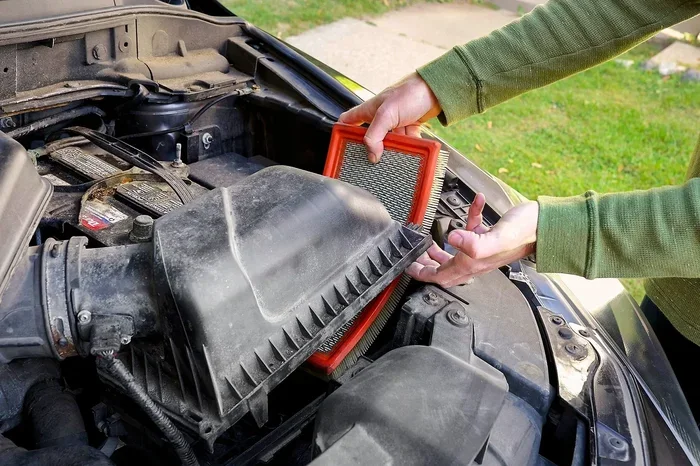
Before we dive into the consequences, it helps to understand the job this filter performs. The cabin air filter sits behind the glove box or under the hood, depending on your vehicle. It cleans the air that flows into the passenger compartment through the HVAC system — that’s your heating, ventilation, and air conditioning.
Every time you drive, outside air gets pulled into the car. The filter catches pollen, dust, soot, and even bugs before they reach you. Over time, all that trapped debris builds up. And just like any filter, it has a limit. Once it’s full, it stops working effectively.
Most manufacturers recommend replacing the cabin air filter every 15,000 to 30,000 miles. But if you drive in dusty areas or deal with heavy pollen seasons, you might need to replace it more often. Regular maintenance of this simple part makes a huge difference in daily comfort.
What Happens When You Skip the Replacement
So what actually goes wrong when you let that old filter stay in place? More than you might think. Here are the main consequences of ignoring this important maintenance task.
Reduced Airflow From the Vents
This is usually the first thing you’ll notice. A clogged cabin air filter restricts the amount of air that can pass through to the vents. You might turn the fan up to maximum and still feel weak airflow. In hot weather or cold weather, that’s more than just annoying — it can be unsafe.
Reduced airflow means poor defrosting in winter. It also means less cool air on summer highways. The HVAC system has to work harder to push air through the dirty filter, which puts extra strain on the blower motor over time.
Poor Air Quality Inside the Car
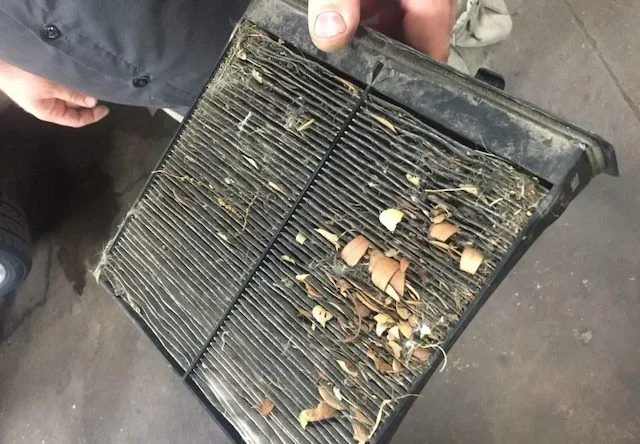
When the filter can’t catch debris anymore, all that dust, pollen, and pollution flows straight into your cabin. For people with allergies or asthma, this is a serious problem. You might notice more sneezing, itchy eyes, or difficulty breathing during drives.
Even if you don’t have allergies, breathing in dirty air for hours every day takes a toll. Air quality inside a car can actually be worse than outside when the filter is clogged. That’s because the trapped pollutants get recirculated through the system.
Musty or Unpleasant Odors
A dirty filter traps moisture along with dust and debris. Over time, that moisture creates the perfect environment for mold and mildew to grow. The result? A persistent musty smell every time you turn on the air or heat.
No amount of air freshener will fix this problem. The smell comes from inside the ventilation system itself. The only real solution is replacing the filter and, in some cases, cleaning the ducts if mold has spread.
Increased Fuel Consumption
Here’s one most people don’t expect. A clogged cabin air filter can actually affect your fuel economy. When the air intake is restricted, the HVAC blower motor works harder. That extra workload draws more energy from the engine.
It might not be a huge jump — maybe one or two miles per gallon — but over thousands of miles, it adds up. Keeping up with regular maintenance like this helps your car run more efficiently overall.
Strain on the Blower Motor and Other Components
Your car’s blower motor pushes air through the filter and into the cabin. When the filter is clogged, the motor has to push much harder. Over months and years, this extra strain can cause the motor to wear out prematurely.
Replacing a blower motor costs several hundred dollars. Replacing a cabin air filter costs between twenty and fifty dollars. The math is pretty clear here. Neglecting this small part can lead to costly repairs down the road.
Potential for Mold Growth in the System
When moisture gets trapped behind a dirty filter, it doesn’t just cause a smell. It can lead to actual mold growth inside the ductwork. Mold spores get distributed through the vents every time you run the air or heat. This is a health hazard, especially for children, elderly passengers, and anyone with weakened immune systems.
Mold in a car’s ventilation system is hard to get rid of. It often requires professional cleaning. In severe cases, you might need to replace duct components entirely. All of this can be avoided with a simple filter change.
How Often Should You Replace the Cabin Air Filter?
The general rule is every 15,000 to 30,000 miles, or about once a year. But several factors can change that timeline:
- Driving in dusty or rural areas: More debris means the filter clogs faster.
- High pollen seasons: Spring and fall can fill up the filter quickly.
- City driving with heavy pollution: Soot and exhaust particles build up faster.
- Frequent use of the HVAC system: If you run AC or heat daily, the filter works harder.
- Pets in the car: Pet hair and dander add extra load to the filter.
A good habit is to check the filter during every oil change. If it looks dark and dirty, go ahead and replace it. The cost is low and the benefit is immediate. You can even replace it yourself if you’re comfortable with basic car maintenance. Just check your owner’s manual for the location.
How to Tell It’s Time for a Replacement
You don’t always need a mechanic to tell you the filter is bad. There are clear signs that your cabin air filter needs attention:
- Weak airflow from the vents, even on high fan speed.
- Unusual smells when the AC or heat is running.
- Increased allergy symptoms while driving.
- Visible debris around the air vents.
- Noisy blower — the motor sounds louder than usual.
If you notice any of these signs, inspect the filter right away. Many people don’t even realize the cabin air filter exists until something goes wrong. A quick check can save you from weeks of discomfort.
Some newer vehicles have a cabin filter indicator that alerts you when it’s time for a replacement. If your car has this feature, pay attention to it. If not, set a reminder on your phone or calendar every six months.
Can You Clean a Cabin Air Filter Instead of Replacing It?
Some people wonder if they can just wash or vacuum the cabin air filter and reuse it. Unlike the engine air filter, which sometimes can be cleaned, most cabin air filters are designed for one-time use. They’re made from paper or fibrous material that doesn’t hold up well to washing.
Trying to clean it might remove some surface debris, but it won’t restore the filter’s ability to trap small particles. The structural integrity of the filter gets compromised. So while cleaning might seem like a cost-saving shortcut, it usually doesn’t work well.
If you want to extend the life slightly, you can gently tap the filter to remove loose dust. But for reliable air quality and system performance, a fresh replacement is always the best choice.
Cabin Air Filter vs. Engine Air Filter
It’s easy to confuse the cabin air filter with the engine air filter. They serve very different purposes, even though both deal with air intake.
| Feature | Cabin Air Filter | Engine Air Filter |
|---|---|---|
| Location | Inside the cabin, behind glove box or under dash | Under the hood, near the engine |
| Purpose | Filters air entering the passenger compartment | Filters air entering the engine for combustion |
| Replacement Interval | Every 15,000 to 30,000 miles | Every 30,000 to 45,000 miles |
| Cost | $20 to $50 | $20 to $50 |
| DIY Friendly | Yes, usually very easy | Yes, moderately easy |
| Impact on Air Quality | Directly affects cabin air | Affects engine performance |
Both filters are essential to your car’s performance. Neglecting either one leads to problems. But the cabin air filter has a more direct impact on your daily comfort and health. That’s why it’s so important not to forget about it.
The Cost of Ignoring the Cabin Air Filter
Let’s put the cost question in perspective. A new cabin air filter costs between $20 and $50 for most vehicles. Labor at a shop might add another $20 to $40 if you don’t do it yourself. That’s a total of maybe $60 to $90.
Now compare that to the cost of replacing a burned-out blower motor, which can run $300 to $600. Or the cost of treating mold exposure that builds up from a neglected system. Or the reduced fuel economy over thousands of miles of driving with restricted airflow.
The numbers speak for themselves. A simple filter replacement saves you money in the short term and prevents bigger expenses in the long term. It’s one of the cheapest and most impactful maintenance tasks you can do.
Quick Tips for Cabin Air Filter Maintenance
- Check the filter during every oil change visit.
- Keep a spare filter in your trunk for emergencies.
- Replace the filter before allergy season if you’re sensitive to pollen.
- Don’t wait for warning signs — follow the mileage schedule.
- If you drive in heavy pollution or dusty conditions, replace more frequently.
- Take a photo of the old filter so you can compare the new one.
- Read your owner’s manual for the exact replacement location and interval.
These small habits take almost no time but pay off big. A clean cabin air filter means better air, better airflow, and a healthier ride every time you drive.
Common Mistakes People Make With Cabin Air Filters
Even well-meaning car owners make mistakes when it comes to cabin air filter care. Here are the most common ones:
Forgetting it exists. Many people don’t even know their car has a cabin air filter. It’s not as commonly discussed as the engine air filter, so it slips under the radar. Now that you know, you’re ahead of the game.
Waiting too long. Some drivers wait until the airflow is barely trickling before they act. By that point, the filter is severely clogged and may have already caused damage to the blower motor. Don’t wait for obvious symptoms.
Buying the wrong filter. Cabin air filters come in different sizes and types for different vehicles. Using the wrong one means poor fit and poor filtration. Always check your owner’s manual or ask a parts store associate for the correct part.
Ignoring the smell. A musty odor is not normal. It means moisture and mold are building up in the system. Replacing the filter is step one, but you may also need to clean the ducts if the smell persists.
Skipping it during inspections. When you take your car in for service, ask specifically about the cabin air filter. Many quick oil change places won’t mention it unless you ask. Being proactive about this maintenance schedule keeps your car running better.
Expert Insights on Cabin Air Filter Care
Automotive experts agree that the cabin air filter is one of the most neglected maintenance items in modern vehicles. According to many mechanics, the average driver doesn’t replace it until problems become obvious — and by then, damage may already be done.
Experienced technicians recommend treating the cabin air filter with the same importance as the oil filter. Both are relatively inexpensive, both are easy to replace, and both protect critical systems in your car. The difference is that the cabin air filter directly affects the air you breathe every single day.
Some mechanics also point out that modern cars are built tighter than older models. This means less outside air naturally enters the cabin. When the filter is clogged in a tightly sealed car, the problem is amplified. The air has nowhere else to go but through the filter, and if that filter is blocked, everyone inside suffers.
Another expert tip: if you buy a used car, replace the cabin air filter immediately. You don’t know how long the previous owner went without changing it. A fresh filter is a cheap way to start your ownership on the right foot. This is similar to how you might want to check the engine oil and other fluids when you first buy a used car.
Final Thoughts
The cabin air filter is one of those small parts that makes a surprisingly big difference. It protects your air quality, keeps your HVAC system running smoothly, and prevents costly repairs. Forgetting to change it might seem harmless in the short term, but the cumulative effects are real.
Replacing the cabin air filter is quick, affordable, and one of the easiest forms of car maintenance you can do. Whether you handle it yourself or have a quick stop at a shop, there’s no reason to let this small filter cause big problems. Set a reminder, mark your calendar, and keep your car’s air clean and fresh.
Your lungs, your nose, and your wallet will all thank you. Don’t wait for the musty smell or the weak airflow — take action now and enjoy a healthier, more comfortable ride every time you get behind the wheel.
Frequently Asked Questions
How much does it cost to replace a cabin air filter?
The filter itself costs between $20 and $50. If you have a shop do it, labor adds $20 to $40, bringing the total to around $40 to $90. It’s one of the cheapest maintenance tasks you can do for your car.
Can a dirty cabin air filter make you sick?
Yes, it can. A clogged filter lets mold spores, pollen, and dust circulate through the cabin. This can trigger allergic reactions, respiratory issues, and headaches. People with asthma are especially vulnerable to poor air quality from a dirty filter.
Where is the cabin air filter located in most cars?
In most vehicles, the cabin air filter is located behind the glove box or under the dashboard on the passenger side. Some cars have it under the hood near the windshield. Check your owner’s manual for the exact location in your specific model.
What happens if you never change the cabin air filter?
Over time, the filter becomes completely clogged with dust, debris, and moisture. This leads to poor airflow, musty odors, reduced air quality, and strain on the blower motor. Eventually, you may face costly repairs like a failed blower motor or mold remediation.
Can I replace the cabin air filter myself?
Absolutely. In most cars, it’s a simple process that takes about five to ten minutes. You just open the glove box, remove the old filter, insert the new one, and you’re done. No special tools are needed. Just make sure you buy the correct size for your vehicle.
Does a cabin air filter affect the AC performance?
Yes, it does. A clogged cabin air filter restricts airflow through the AC system, making it less effective at cooling the cabin. If your AC feels weak even on high, a dirty filter is one of the first things to check. Replacing it often restores full cooling power immediately.
=== CONCLUSION ===
Ignoring your cabin air filter might seem like no big deal, but the consequences add up fast. From reduced airflow and musty smells to poor air quality and expensive motor damage, a forgotten filter creates real problems. The good news is that preventing all of this is simple, fast, and incredibly affordable.
Make cabin air filter replacement part of your regular maintenance schedule. Check it every six months or every 15,000 miles, whichever comes first. Your car will run better, your air will be cleaner, and every drive will be more comfortable. Don’t let this small part become a big headache — take care of it today.