What Happens When an Alternator Goes Out While Driving
When an alternator goes out while driving, your car loses its main source of electrical power. The battery takes over temporarily, but once it drains, your engine will stall, leaving you stranded. Understanding the warning signs and knowing what to do can keep you safe and save you from costly repairs.
You are cruising down the highway, music playing, windows down, and everything feels great. Then your dashboard lights flicker. The radio cuts out. Your headlights start to dim. Within seconds, your engine sputters and dies. This is what happens when an alternator goes out while driving, and it is more common than most people think.
The alternator is the unsung hero of your car’s electrical system. It keeps your battery charged and powers all the electrical components while the engine runs. When it fails, your car essentially starts running on borrowed time. The battery alone cannot sustain everything for long. Understanding what happens next can make the difference between a minor inconvenience and a dangerous roadside situation.
In this guide, we will walk through exactly what happens when the alternator dies on the road. We will cover the warning signs, the immediate effects, what you should do, and how to prevent it from happening again. Whether you are a new driver or someone who has been behind the wheel for years, this information can help you stay safe and informed.
Key Takeaways
- Loss of Electrical Power: Your headlights, dashboard, and accessories will dim or shut off when the alternator fails.
- Engine Stalling Is Likely: Without the alternator recharging the battery, your car will eventually die on the road.
- Warning Signs Appear Early: Dimming lights, battery warnings, and strange noises often signal alternator trouble before total failure.
- Jump Starting May Help Temporarily: You can get a short boost, but a dead alternator means the problem will return quickly.
- Safety Comes First: Pull over safely, turn off unnecessary electronics, and call for roadside assistance if needed.
- Regular Maintenance Prevents Surprises: Checking your charging system during routine oil changes can catch alternator issues early.
📑 Table of Contents
- What Does an Alternator Do?
- What Happens When an Alternator Goes Out While Driving
- Warning Signs Your Alternator Is Failing
- How to React When the Alternator Dies on the Road
- Can You Still Drive With a Bad Alternator?
- How to Prevent Alternator Failure
- Alternator vs. Battery: How to Tell Which One Failed
- How Long Can You Drive on Battery Alone?
- Cost of Replacing an Alternator
- What to Do After Replacing the Alternator
- Final Thoughts
What Does an Alternator Do?
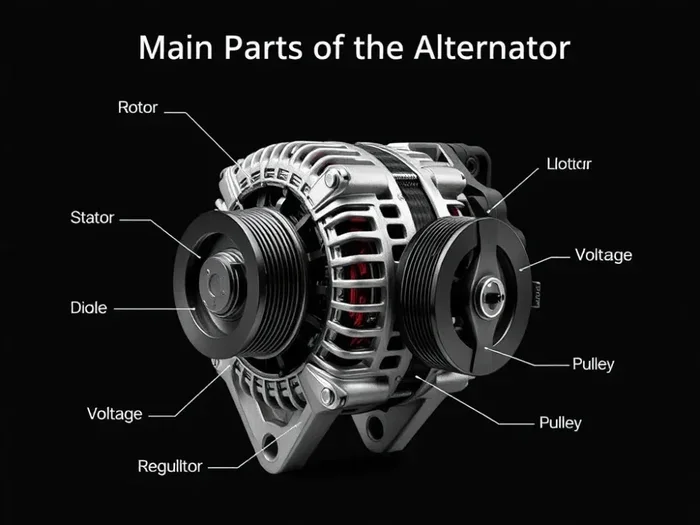
Before we talk about failure, let us understand the basics. The alternator is a small generator attached to your engine. It converts mechanical energy into electrical energy. This power keeps your battery charged and runs all the electrical systems in your car.
Think of it this way. Your car battery is like a water tank. The alternator is the pump that keeps it full. If the pump stops working, the tank will eventually run dry. Once the battery drains completely, your car will not start or run anymore.
Here are the main jobs of your alternator:
- Charging the battery while the engine is running
- Powering electrical accessories like headlights, radio, and air conditioning
- Supporting the ignition system so your engine keeps firing
- Regulating voltage to protect sensitive electronics
Without a working alternator, none of these functions continue for long. Your battery will try to compensate, but it was never designed to do all the work on its own.
What Happens When an Alternator Goes Out While Driving
The moment your alternator stops working, a chain reaction begins. The effects happen fast, and they get worse the longer you keep driving. Let us break down exactly what you will experience step by step.
Dimming Lights and Flickering Electronics
The first thing you will notice is your lights dimming. Your headlights, dashboard lights, and even the interior dome light will start to fade. This happens because the battery is no longer getting recharged. It is running on whatever charge it has left.
You might also notice the radio cutting in and out. The power windows may slow down. Your climate control might act weird. These small electrical glitches are often the earliest warning signs. If you catch them early, you can pull over safely and address the problem before it gets worse.
Battery Warning Light Comes On
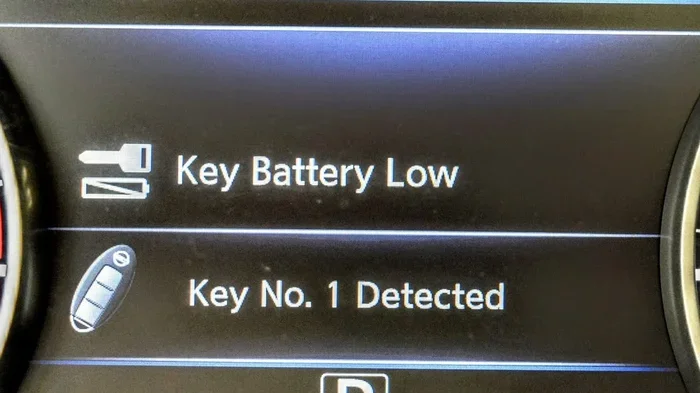
Most cars have a battery-shaped warning light on the dashboard. When the alternator fails, this light will usually turn on. It is your car telling you that the charging system is not working properly.
Do not ignore this light. Many drivers see it and assume it means the battery is bad. In most cases, the battery is actually fine. The problem is the alternator is not charging it anymore. If you see this light while driving, head to a safe spot as soon as possible.
Engine Stalls or Dies
Once the battery runs out of charge, your engine will stall. This is the most dangerous moment, especially if you are driving at highway speeds. Without electrical power, the ignition system cannot spark, and the fuel injectors stop working. The engine simply shuts off.
You will lose power steering and power brakes too. Steering will become very heavy, and braking will require much more effort. This is why it is so important to pull over safely at the first sign of alternator trouble.
Complete Electrical Failure
After the engine dies, all electrical systems go dark. No lights, no radio, no power windows. Your car is essentially a heavy paperweight at this point. You will not be able to restart it unless you get a jump start or replace the alternator.
Even if you do get a jump start, the car will likely die again within minutes. The alternator is not charging the battery anymore, so the jump start only provides a temporary fix. You need a proper repair to get back on the road safely.
Warning Signs Your Alternator Is Failing
The good news is that alternators do not usually fail without warning. Your car gives you plenty of clues before a complete breakdown. Knowing these signs can help you avoid getting stranded.
Unusual Noises From the Engine Bay
A failing alternator often makes strange sounds. You might hear a whining or grinding noise coming from the front of the engine. This usually means the internal bearings are wearing out. Sometimes it sounds like a high-pitched squeal, especially when you turn on the headlights or the air conditioning.
These noises should never be ignored. They often mean the alternator is on its way out. Getting it checked early can save you from a sudden breakdown on the road.
Battery Keeps Dying
If you find yourself needing jump starts frequently, the alternator is a likely culprit. A healthy alternator keeps the battery charged after every start. If the battery keeps going dead even after a recent jump start, the alternator is probably not doing its job.
Many people assume they just need a new battery. But if the battery keeps dying, the charging system is the real problem. Have a mechanic test both the battery and the alternator before replacing parts.
Electrical Accessories Acting Up
Slow power windows, dimming headlights, and flickering dashboard lights are all red flags. Your alternator supplies power to all these accessories. When it starts to weaken, the things that need electricity the most will show signs first.
Pay attention to these small changes. They are your car’s way of telling you something is wrong. Catching them early gives you time to plan a repair instead of dealing with a sudden emergency.
Smell of Burning Rubber or Wires
A failing alternator can overheat. This may produce a burning smell under the hood. You might also notice a burnt rubber odor if the serpentine belt is slipping or fraying. The alternator uses this belt to generate power, so any belt issues will affect its performance.
If you smell something burning while driving, pull over safely and check under the hood. Continuing to drive with an overheating alternator can cause more damage to other engine components.
How to React When the Alternator Dies on the Road
Finding yourself with a dead alternator while driving can be scary. But knowing the right steps to take can keep you safe and help you get back on the road faster.
Step 1: Stay Calm and Pull Over Safely
The moment you notice electrical failures, do not panic. Turn on your hazard lights and slowly steer to the side of the road. If you are on a highway, try to reach the exit or a wide shoulder. Losing power steering and brakes makes driving difficult, so the sooner you pull over, the better.
Step 2: Turn Off All Unnecessary Electronics
Once you are safely pulled over, turn off the radio, air conditioning, and any other accessories. This gives your battery the best chance of holding whatever charge it has left. You need that power for restarting the engine or getting help.
Step 3: Try a Jump Start If You Can
If you have jumper cables and another vehicle nearby, a jump start can get you going again temporarily. However, keep in mind that the car will likely die again once you turn off the engine. The alternator is not charging the battery, so the jump start is only a short-term solution.
If you are not sure how to jump start your car, check our guide on jump starting a car with a bad alternator for helpful tips and safety precautions.
Step 4: Call for Roadside Assistance
If you cannot jump start the car or do not have cables, call for roadside assistance. Towing to a repair shop is the safest option. Trying to drive a car with a dead alternator can damage the battery and other electrical components even further.
Step 5: Get the Alternator Replaced
Once you are safely off the road, have the alternator inspected and replaced if needed. A mechanic can test the charging system and confirm whether the alternator is the problem. Most alternator replacements take a few hours and cost between a few hundred to over a thousand dollars depending on the vehicle.
Can You Still Drive With a Bad Alternator?
The short answer is no, not safely. You might get a few miles on battery power alone, but the battery was never designed to run everything by itself. Driving with a bad alternator risks stalling in traffic, losing steering assist, or leaving you stranded in a dangerous location.
Some people wonder if they can make it home or to a nearby shop. This is risky. The battery charge depletes quickly when the alternator is not working. Even a short drive can drain the battery completely, leaving you unable to restart the car.
If you suspect your alternator is failing, get it checked right away. Do not wait for a complete failure while driving. Prevention is always cheaper and safer than dealing with a breakdown on the side of the road.
How to Prevent Alternator Failure
The best way to deal with alternator failure is to prevent it from happening in the first place. Regular maintenance and smart driving habits can extend the life of your alternator and keep your electrical system running smoothly.
Stick to a Regular Maintenance Schedule
Have your charging system tested during routine oil changes. Most mechanics can check the alternator output, battery health, and belt condition in minutes. This simple step can catch alternator problems long before they leave you stranded.
During an oil change, ask the technician to inspect the serpentine belt as well. A worn or cracked belt can cause alternator problems and even damage other engine accessories.
Watch for Early Warning Signs
Do not ignore dimming lights, unusual noises, or battery warnings. These are your car’s way of telling you something needs attention. Addressing small issues early can prevent costly repairs and unexpected breakdowns.
Keep the Battery Clean and Secure
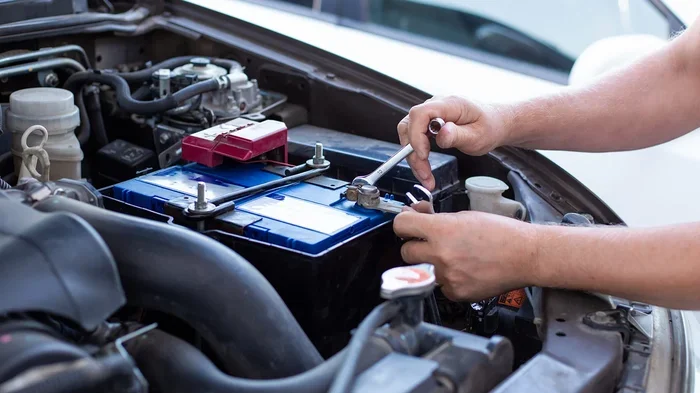
A corroded or loose battery connection can mimic alternator problems. Make sure the battery terminals are clean and tight. A poor connection can prevent the alternator from charging the battery properly, even if the alternator itself is working fine.
Avoid Overloading the Electrical System
Adding too many aftermarket electronics can strain your alternator. If you have extra lights, a powerful sound system, or other accessories, make sure your alternator can handle the extra load. Upgrading to a higher-output alternator might be necessary if you have added significant electrical demands to your vehicle.
Alternator vs. Battery: How to Tell Which One Failed
People often confuse alternator problems with battery problems. Both can cause your car not to start, but the causes and solutions are very different. Here is how to tell the difference.
| Sign | Pointing to Alternator | Pointing to Battery |
|---|---|---|
| Dashboard battery light | Light stays on while driving | Light may not appear at all |
| Jump start result | Car dies again shortly after | Car starts and runs normally |
| Electrical accessories | Dim or flickering while engine runs | Work fine after jump start |
| Engine behavior | Stalls while driving | Crashes or fails to start |
| Strange noises | Whining or grinding from engine bay | Usually no noise |
If you are unsure which component is the problem, have a professional test both. Most auto parts stores will test your battery and alternator for free. This quick check can save you time and money by pinpointing the exact issue.
Remember that some problems can involve both the alternator and the battery. A failing alternator can overwork and kill a healthy battery. That is why it is important to test both when electrical issues arise.
How Long Can You Drive on Battery Alone?
This is a common question people ask after their alternator dies. The honest answer is it depends on several factors. A fully charged battery in good condition might give you 10 to 30 minutes of driving time. But that estimate drops fast if you are using headlights, the radio, or the air conditioning.
Driving at low speeds uses less electrical power than highway driving. However, highway driving requires more fuel system electronics and ignition power. The real answer is that you should never count on driving far with a dead alternator. It is simply too risky and unpredictable.
If your alternator dies and you have some battery charge left, use that time to pull over safely. Turn off all accessories, call for help, and wait for assistance. Trying to push through to your destination is never worth the risk.
Cost of Replacing an Alternator
The cost of alternator replacement varies depending on your vehicle make and model. On average, you can expect to pay between $300 and $800 for parts and labor. Some luxury vehicles or trucks with complex engine layouts may cost more.
The alternator part itself usually costs between $100 and $350. Labor charges typically range from $150 to $400, depending on how accessible the alternator is in your engine bay. Some vehicles make alternator replacement quick and easy, while others require removing other components first.
Getting multiple quotes from trusted repair shops can help you find a fair price. Always ask if the shop offers a warranty on parts and labor. A good warranty gives you peace of mind and protects your investment.
What to Do After Replacing the Alternator
Once your new alternator is installed, there are a few things to check. Make sure the battery is holding a charge properly. Test all the electrical accessories to confirm they are working normally. Take a short test drive and watch the dashboard for any warning lights.
Have the serpentine belt inspected too. If the old alternator failed due to a worn belt, replacing the belt along with the alternator is a smart move. A fresh belt ensures smooth operation and prevents future problems.
Keep an eye on your electrical system for the next few weeks. If you notice any of the same warning signs, have the new alternator checked right away. Most replacements last for many years, but it is always better to catch issues early.
Final Thoughts
Knowing what happens when an alternator goes out while driving is essential for every driver. The alternator keeps your car’s electrical system running, and when it fails, everything from your headlights to your engine can be affected. The key is to recognize the warning signs early, react calmly if it happens on the road, and stay on top of regular maintenance.
A dead alternator does not have to be a scary experience if you are prepared. Pull over safely, get the help you need, and have the alternator replaced promptly. With the right knowledge and a little preventive care, you can avoid the stress and danger of an alternator failure on the road.
Stay proactive about your car’s health. Listen to the sounds your engine makes, watch your dashboard lights, and never ignore electrical glitches. Your alternator works hard every time you turn the key, and giving it the attention it deserves will keep you driving safely for miles to come.
Frequently Asked Questions
Can I jump start my car if the alternator is bad?
Yes, you can jump start a car with a bad alternator, but it will not fix the problem. The battery will get a temporary boost, but once you turn off the engine, the car will likely die again because the alternator is not charging the battery. For more details, check our guide on jump starting a car with a bad alternator.
How long can I drive with a failing alternator?
You might get 10 to 30 minutes of driving time on battery power alone, but this varies based on battery condition and electrical load. Driving with a failing alternator is risky because the engine can stall at any moment. It is best to pull over and seek help as soon as you notice alternator failure symptoms.
What causes an alternator to fail suddenly?
Common causes include worn internal bearings, a faulty voltage regulator, a broken serpentine belt, or simply age and wear. Electrical overload from aftermarket accessories can also strain the alternator beyond its capacity. Regular maintenance helps catch these issues before they lead to sudden failure.
Does a bad alternator damage the battery?
Yes, a failing alternator can damage your battery over time. When the alternator does not charge properly, the battery has to work harder to power all electrical systems. This extra strain can shorten the battery’s lifespan significantly. That is why it is important to test both components when electrical problems arise.
Can I start my car if the alternator is completely dead?
You may be able to start the car if the battery still has enough charge, but it will not run for long. Without the alternator providing power, the engine will stall once the battery drains. If you are having trouble starting your car, the issue might also be related to the ignition system.
How much does it cost to replace an alternator?
The average cost ranges from $300 to $800, depending on the vehicle and labor rates. The alternator part typically costs $100 to $350, while labor runs between $150 and $400. Getting quotes from multiple trusted shops ensures you pay a fair price for the repair.