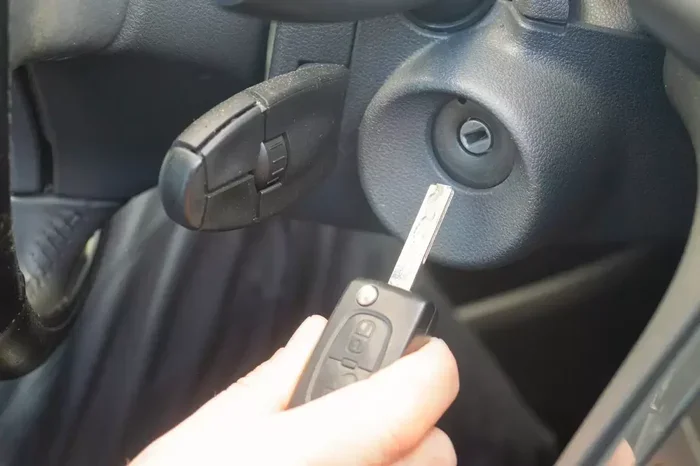
My Key Wont Turn in the Ignition Proven Easy Fixes
When your key won’t turn in the ignition, it can be frustrating and stressful. The good news is that most causes are simple and fixable at home. This guide covers everything from steering wheel locks to worn ignition cylinders, giving you real solutions you can use right now.
Key Takeaways
- Steering wheel lock is the #1 cause: A locked steering column often prevents the key from turning. Simply wiggle the wheel while turning the key to fix it.
- Worn or damaged keys happen often: Over time, keys wear down and fail to align with the ignition tumblers. A spare key or key copy can solve this quickly.
- Ignition switch failure is a common mechanical issue: The internal components of the ignition switch can wear out, especially in older vehicles.
- Dead key fob battery mimics ignition problems: If your car uses a push-button start, a low fob battery can stop the system from recognizing the key.
- Gear shift position matters: Your car won’t turn the key if it’s not fully in Park (automatic) or Neutral (manual).
- Know when to call a professional: If basic fixes don’t work, an ignition cylinder replacement or locksmith visit may be needed.
📑 Table of Contents
- Why Your Key Won’t Turn in the Ignition (And What You Can Do About It)
- 1. Steering Wheel Lock (The Most Common Culprit)
- 2. Worn or Damaged Key
- 3. Ignition Switch or Cylinder Problems
- 4. Gear Shift Position
- 5. Key Fob Battery Issues (For Push-Button Start Vehicles)
- 6. Preventing Ignition Problems in the Future
- When to Call a Professional
- Frequently Asked Questions
Why Your Key Won’t Turn in the Ignition (And What You Can Do About It)
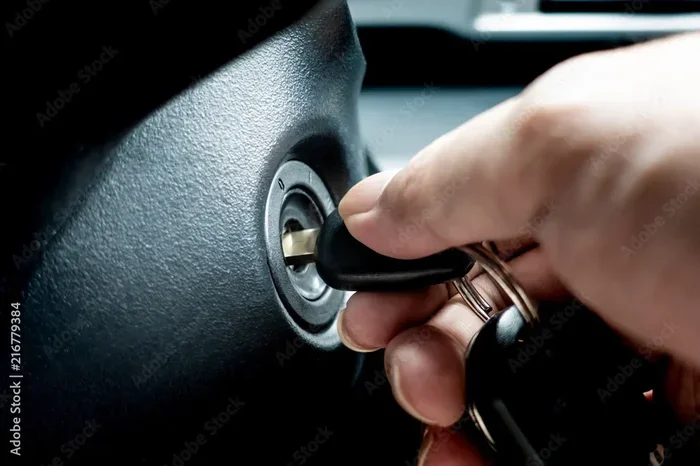
You grab your keys. You slide them into the ignition. You turn. Nothing happens. The key simply won’t budge. It is one of the most annoying moments in any car owner’s day. But here is the good news. In most cases, my key won’t turn in the ignition is a problem with a straightforward fix.
Whether you drive a daily driver or a trusty older model, ignition problems are more common than you might think. The causes range from something as simple as a locked steering wheel to more involved issues like a worn ignition cylinder. This guide walks you through every likely cause and the proven easy fixes that actually work.
You do not need to be a mechanic to handle most of these solutions. With a little patience and the right guidance, you can get back on the road in minutes. Let us dive into the most common reasons your key refuses to turn and how to solve each one.
1. Steering Wheel Lock (The Most Common Culprit)
This is the number one reason keys get stuck. When you turn off your car and turn the steering wheel slightly, the steering column lock engages. It is a built-in security feature. But it can also lock the ignition cylinder in place, making the key impossible to turn.
Here is how to fix it. Gently wiggle the steering wheel left and right while simultaneously trying to turn the key. You should feel the lock release. The key will turn smoothly once the steering column unlocks.
Why Does This Happen?
Cars have a steering lock mechanism that activates when the ignition is off and the wheel is turned even a few degrees. This anti-theft feature is helpful but can be confusing when you are in a hurry. It happens to nearly every driver at some point.
Quick tip: Always release the steering wheel completely before turning off the engine. This simple habit can prevent the lock from engaging in the first place.
When the Steering Wheel Lock Won’t Release
Sometimes the lock is stubborn. If wiggling the wheel does not work, try these steps:
- Apply gentle pressure to the steering wheel in one direction.
- While holding pressure, insert the key and try turning it softly.
- Do not force the key. Forcing it can damage the ignition cylinder.
- Try alternating left and right pressure on the wheel while turning the key.
If the steering column lock releases and the key turns, you have solved the problem. If not, move on to the next potential cause.
2. Worn or Damaged Key
Keys are metal. They wear down over time. The ridges on your key can become smooth or bent, especially if you have been using the same key for years. When the key no longer matches the tumblers inside the ignition cylinder, it simply will not turn.
This is a very common issue with older vehicles. If your key has visible damage, bends, or heavy wear, the key itself is likely the problem.
How to Tell If Your Key Is Worn
Look closely at your key. Do you see any of these signs?
- Flat spots where the ridges should be.
- A bent or warped key blade.
- Scratches or grooves that seem deeper than they should be.
- A key that used to work but now feels loose in the ignition.
If you notice any of these, try using a spare key. A spare key in good condition will tell you right away whether the original key is the problem. If the spare key works, you have your answer. You need a new key cut.
Can You Fix a Worn Key?
Unfortunately, a worn key cannot be repaired. You will need to get a new key cut. Many locksmiths can do this quickly and affordably. Some dealerships can also cut a replacement key for you. If your vehicle has a transponder chip or key fob, you may need to program the new key as well.
Pro tip: Always keep a spare key in a safe place. A spare can save you from being stranded and help you test whether the original key is the issue.
3. Ignition Switch or Cylinder Problems
The ignition switch is the mechanism that reads your key and sends the signal to start the car. Over time, the internal components of the switch or cylinder can wear out. When this happens, the key may not turn at all, or it may turn partially and then stick.
This is a more serious issue than a steering lock or worn key, but it is still very fixable. Ignition switch problems are common in vehicles with higher mileage.
Signs of a Failing Ignition Switch
Watch for these warning signs:
- The key feels gritty or jammed when turning.
- The key turns but the engine does not start.
- The dashboard lights flicker when you turn the key.
- The key gets stuck in the ignition and will not come back out.
- You need to jiggle the key multiple times before it works.
If you experience any of these symptoms, the ignition switch or cylinder may need replacement. This is a job best left to a professional mechanic or locksmith. Replacing an ignition cylinder typically costs between $100 and $300, depending on your vehicle model.
What Causes Ignition Cylinder Wear?
Several factors contribute to ignition wear:
- Heavy keychain use. Hanging multiple keys on one keychain puts pressure on the ignition cylinder.
- Age. Older vehicles simply have more wear on internal components.
- Debris. Dirt and dust can enter the cylinder and cause jamming.
- Forceful key insertion. Yanking the key in and out can damage the tumblers over time.
The good news is that replacing an ignition cylinder is a routine repair. Most mechanics can do it in under an hour.
4. Gear Shift Position
This one catches people off guard all the time. If your car is not in the correct gear position, the ignition key will not turn. In automatic vehicles, the gear selector must be in Park. In manual vehicles, it must be in Neutral.
It sounds too simple, but you would be surprised how often this is the cause. Maybe you shifted the gear and did not push it all the way into Park. Or perhaps the gear selector is slightly off.
How to Fix Gear-Shift-Related Ignition Issues
Follow these steps:
- Press the brake pedal firmly.
- Move the gear selector to Park (automatic) or Neutral (manual).
- Make sure the gear is fully engaged. You should feel it click into place.
- Try turning the key again.
If the key turns after moving the gear, the problem is solved. This is one of the easiest fixes on this list. Some vehicles also have a safety feature that prevents the key from turning unless the brake pedal is pressed.
Quick tip: Make it a habit to fully engage Park before turning off the engine. This prevents the gear shift from being slightly out of position when you next try to start the car.
5. Key Fob Battery Issues (For Push-Button Start Vehicles)
If your vehicle has a push-button start system, it uses a key fob to communicate with the car. When the fob battery dies or gets very low, the system may not recognize the key. This can make it seem like the ignition is not working, even though there is no physical key to turn.
Most modern Toyotas and other vehicles have a backup method for starting the car when the fob battery is low. Check your owner’s manual for the specific procedure. In many vehicles, you can place the fob directly against the start button or a designated spot on the steering column.
How to Replace Your Key Fob Battery
Replacing a key fob battery is simple:
- Find the small notch on the fob casing.
- Use a small flathead screwdriver or coin to pry it open.
- Remove the old battery and note the model number.
- Insert a new battery of the same type (usually CR2025 or CR2032).
- Snap the fob back together.
After replacing the battery, try starting the car again. If it still does not work, you may need to reset the key fob. Some vehicles require you to reset the car key after changing the battery to re-establish the connection.
If you have tried everything and the key still will not work, it may be time to visit a professional. A certified locksmith or dealership technician can diagnose deeper issues with the ignition system, electrical connections, or anti-theft components.
6. Preventing Ignition Problems in the Future
Prevention is always better than repair. Here are some simple habits that can keep your ignition working smoothly for years:
- Do not hang heavy keychains. The weight of multiple keys puts stress on the ignition cylinder. Use a lightweight key ring or carry only the essential keys.
- Turn the key gently. Forcing the key can damage the tumblers inside the cylinder. If it does not turn easily, stop and check the steering lock or gear position first.
- Keep the key clean. Wipe your key periodically to remove dirt and grime that can accumulate on the key ridges.
- Replace worn keys promptly. Do not wait until the key completely fails. Getting a new key cut early can prevent being stranded.
- Use the correct key. Always use the key that matches your vehicle. Copying keys at a hardware store can sometimes result in an imperfect cut.
- Schedule regular maintenance. During routine service, ask your mechanic to check the ignition switch and cylinder for early signs of wear.
These small habits add up. They can extend the life of your ignition system and save you from unexpected breakdowns. A little prevention goes a long way toward keeping your car reliable.
When to Call a Professional
Most ignition problems can be fixed at home with the steps outlined above. But some situations require professional help. You should call a mechanic or locksmith if:
- The key is completely stuck and will not come out of the ignition.
- You have tried all the fixes and the key still will not turn.
- The ignition switch feels loose or wobbly when you turn the key.
- Your vehicle has an anti-theft system that is preventing the key from working.
- You suspect the ignition cylinder needs to be replaced.
- The car key not turning in ignition issue happens repeatedly, even with a new key.
Ignition problems can sometimes be symptoms of larger electrical issues. A professional can run diagnostics to make sure there is not a deeper problem lurking under the dashboard. It is always better to be safe than sorry when it comes to your vehicle’s starting system.
Dealing with ignition trouble can feel overwhelming, but it does not have to be. With the right knowledge and a calm approach, most drivers can identify and fix the problem themselves. And for those times when you need help, a trusted locksmith or mechanic is just a phone call away.
Frequently Asked Questions
Can you start an ignition without a key?
In some older vehicles, it is possible to hotwire the ignition, but modern cars have advanced anti-theft systems that make this very difficult. If you have lost your key, the best option is to call a locksmith or roadside assistance for a replacement key. Attempting to bypass the ignition yourself can cause expensive damage.
What should I do if my key fob battery dies and I cannot start the car?
Most vehicles with push-button start have a backup starting method. Look for a designated spot on the steering column or center console where you can place the fob. Check your owner’s manual for the exact procedure. Replacing the fob battery is usually a quick and inexpensive fix.
Why does my key get stuck in the ignition?
A key can get stuck for several reasons, including a faulty ignition switch, a worn key, or a steering column lock that has engaged. Try gently wiggling the steering wheel while pulling the key out. If the key remains stuck, do not force it. Seek professional help to avoid breaking the key inside the cylinder.
Can a dead key fob battery prevent the car from starting?
Yes, in vehicles with keyless push-button start systems, a dead fob battery can prevent the car from recognizing the key. Most systems have a backup method to start the car with a low battery. Simply replace the fob battery and the problem should be resolved immediately.
How much does it cost to replace an ignition cylinder?
The cost varies depending on your vehicle make and model, but most ignition cylinder replacements range from $100 to $300 for parts and labor. Luxury vehicles or models with advanced security systems may cost more. Always get a quote from a trusted mechanic before proceeding with the repair.
Is it safe to drive with ignition problems?
If your vehicle starts but the ignition switch feels loose or unreliable, it is best to have it inspected soon. A failing ignition switch can cut off power to the engine while driving, which is dangerous. If the key will not turn at all, do not attempt to drive the car. Arrange for a tow or professional assistance instead.