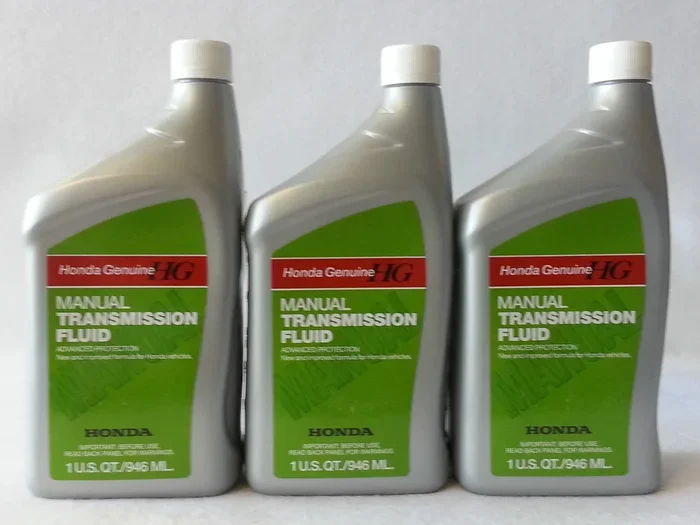
Is Diff Oil and Manual Gearbox Oil Actually the Same
Diff oil and manual gearbox oil are not the same. While both are critical lubricants in your vehicle, they serve different purposes and have distinct formulations. Using the wrong fluid can damage your gears, differential, or transmission. Understanding the difference helps you protect your car and avoid costly repairs.
Ever popped open your car’s undercarriage and stared at two different oil fill plugs, wondering if they both need the same stuff? You are not alone. Many car owners assume diff oil and manual gearbox oil are the same thing. After all, they both go into the drivetrain and both smell like oil. But here is the truth: they are not interchangeable, and mixing them up can lead to serious problems.
In this guide, we will break down everything you need to know. We will look at what each fluid does, how they differ, and why using the right one matters. Whether you are a DIY mechanic or just someone who wants to understand their car better, this article has you covered.
The short answer is no. Diff oil and manual gearbox oil are not the same. They are formulated differently to handle different jobs inside your vehicle. One lubricates the gears in your transmission. The other lubricates the differential, which lets your wheels spin at different speeds when you turn a corner. Using the wrong fluid can cause gear wear, overheating, and even complete drivetrain failure.
Key Takeaways
- Diff oil and manual gearbox oil are different fluids designed for separate parts of your vehicle.
- Diff oil (gear oil) lubricates the differential, which handles wheel speed differences during turns.
- Manual gearbox oil reduces friction between gears inside the transmission housing.
- Viscosity ratings and additives differ significantly between the two fluids.
- Using the wrong oil can cause premature wear and expensive damage to your drivetrain.
- Always check your owner’s manual for the correct fluid specification.
- Regular fluid changes extend the life of both your differential and gearbox.
📑 Table of Contents
- What Is Diff Oil and What Does It Do?
- What Is Manual Gearbox Oil and Its Role?
- Key Differences Between Diff Oil and Manual Gearbox Oil
- Can You Use Them Interchangeably?
- How to Choose the Right Oil for Your Vehicle
- Common Mistakes People Make With Gear and Differential Fluids
- Expert Insights: What Mechanics Want You to Know
- Conclusion
What Is Diff Oil and What Does It Do?
Diff oil is a specialized lubricant designed for your vehicle’s differential. The differential is the part of your car that sends power to the wheels while allowing them to rotate at different speeds. This is essential when you turn a corner. The outside wheel travels a longer distance than the inside wheel, and the differential makes that happen smoothly.
Diff oil lives inside the differential housing. It coats the ring gear and pinion gear, reducing friction and preventing metal-on-metal contact. Without proper differential fluid, these gears would overheat, wear out quickly, and eventually fail.
Why Diff Oil Is Special
Diff oil contains specific additives that regular gearbox oil does not. These include extreme pressure (EP) additives and friction modifiers. These additives create a protective film on the gear surfaces. They handle the high pressure and sliding friction that happen inside the differential.
Most diff oils carry a GL-5 rating, which means they meet certain performance standards for heavily loaded gears. Some differentials, especially limited slip differentials, need a GL-4 fluid instead. Using the wrong rating can cause clutch pack slippage or premature wear.
Here is something many people do not know. Diff oil also protects against corrosion inside the differential housing. The gears operate in a sealed environment, and moisture can build up over time. Quality diff oil contains rust inhibitors that keep the internal components safe.
When to Change Your Diff Oil
Most manufacturers recommend changing your diff oil every 30,000 to 60,000 miles. However, this varies by vehicle and driving conditions. If you tow heavy loads or drive in extreme heat, you may need to change it more often. Always refer to your owner’s manual for the specific oil change interval for your car.
Signs that your diff oil needs changing include:
- A whining or howling noise when turning
- Gears that feel rough or gritty
- Visible leaks around the differential housing
- Burnt or dark-colored fluid on the dipstick
What Is Manual Gearbox Oil and Its Role?
Manual gearbox oil lubricates the gears inside your manual transmission. Unlike the differential, the transmission gears mostly experience pure rolling contact rather than heavy sliding friction. This means they have different lubrication needs.
The gearbox oil sits between the gear teeth, reducing friction and preventing wear. It also helps with heat dissipation, keeping the transmission cool during operation. Without proper manual transmission fluid, gears would grind, overheat, and eventually strip.
How Gearbox Oil Differs from Engine Oil
Gearbox oil is much thicker than engine oil. It needs to stay in place between the gear teeth under high pressure. It also needs to maintain its viscosity across a wide range of temperatures. If it gets too thin when hot, it cannot protect the gears. If it gets too thick when cold, it will not flow properly.
Most manual gearbox oils use a viscosity grade like 75W-90 or 80W-90. These numbers tell you how the oil flows at different temperatures. The “W” stands for winter, and the lower the number, the better it flows in cold weather.
The Role of Additives in Gearbox Oil
Gearbox oil contains additives that are different from diff oil. It focuses more on anti-wear protection and oxidation resistance. Since the gears inside a manual transmission experience less sliding friction than those in a differential, they do not need as many extreme pressure additives.
Some gearbox oils also contain synchro ring protectors. These additives help the synchronizer rings, which are the parts that match gear speeds when you shift. Worn synchros lead to grinding gears and difficulty shifting. The right gearbox oil keeps them working smoothly.
One important note: do not use engine oil in your manual gearbox. Engine oil has friction modifiers designed for clutch packs, and these can cause synchro wear in a manual transmission. Always use the fluid specified for your gearbox.
Key Differences Between Diff Oil and Manual Gearbox Oil
Now that we have covered what each fluid does, let us look at the specific differences. Understanding these will help you make the right choice for your vehicle.
Additive Package
This is the biggest difference. Diff oil contains more extreme pressure additives to handle the high sliding friction inside the differential. Gearbox oil, on the other hand, focuses on anti-wear and oxidation protection for rolling gear contacts.
Using diff oil in a manual gearbox can cause problems. The extra friction modifiers can interfere with synchro engagement. Using gearbox oil in a differential can lead to inadequate protection under high pressure.
Viscosity and Flow Characteristics
Both fluids can share similar viscosity grades like 75W-90. But the base oil and additive package make them behave differently under load. Diff oil is formulated to maintain a protective film under extreme pressure, while gearbox oil is designed for consistent lubrication across a range of temperatures.
Compatibility with Seals and Gaskets
The seals inside a differential are different from those in a manual transmission. Diff oil is formulated to be compatible with differential seals, which are often made of different materials than transmission seals. Using the wrong fluid can cause seal degradation and lead to leaks.
Purpose and Function
Simply put, diff oil protects the gears that split power between the wheels, while gearbox oil protects the gears that transmit power from the engine to the wheels. They work in different parts of the drivetrain and face different operating conditions.
| Feature | Diff Oil | Manual Gearbox Oil |
|---|---|---|
| Primary Function | Lubricates differential gears | Lubricates transmission gears |
| Common GL Rating | GL-5 (most common) | GL-4 or GL-5 depending on design |
| Typical Viscosity | 75W-90, 80W-90 | 75W-90, 80W-90 |
| Key Additives | Extreme pressure agents, friction modifiers | Anti-wear agents, oxidation inhibitors |
| Operating Conditions | High sliding friction, high pressure | Rolling contact, moderate pressure |
| Change Interval | 30,000-60,000 miles | 30,000-60,000 miles |
Can You Use Them Interchangeably?
The short answer is no, you should not. While some fluids might work in a pinch, long-term use of the wrong fluid will cause damage.
Here is why. Diff oil and manual gearbox oil have different friction characteristics. The additives in each fluid are tuned for the specific friction patterns of their target components. Swap them, and you risk poor lubrication, increased wear, and eventual failure.
Some people wonder, “What if my owner’s manual says to use the same fluid for both?” In rare cases, a vehicle might use the same fluid for both the transmission and the differential. But this is the exception, not the rule. Always double-check your manual before assuming.
If you are unsure which fluid your car needs, consult a trusted mechanic. Using the right fluid from the start saves you money and prevents headaches down the road. It is also worth noting that some vehicles use a combined system where the transmission and differential share fluid. In those cases, the fluid is specifically formulated to handle both jobs.
One common mistake is assuming that all gear oils are the same. They are not. The GL rating matters a lot. A GL-5 fluid has higher EP additives than a GL-4 fluid. Using GL-5 in a transmission that requires GL-4 can cause synchro wear over time. Always match the rating to the application.
How to Choose the Right Oil for Your Vehicle
Choosing the right oil does not have to be complicated. Follow these steps to make sure you get it right every time.
Step 1: Check Your Owner’s Manual
Your owner’s manual is the best place to start. It will tell you the exact oil specification your vehicle needs. Look for the section on drivetrain fluids. It will list the type of fluid for both the transmission and the differential.
Step 2: Check the Fluid Label
When shopping for gear oil or differential fluid, read the label carefully. Look for the GL rating and the viscosity grade. Make sure it matches what your manual specifies.
Step 3: Consider Your Driving Conditions
If you drive in extreme heat, tow heavy loads, or race your car, you may need a high-performance fluid. These fluids have enhanced additive packages that handle more stress. For normal daily driving, a standard GL-5 75W-90 diff oil and a quality manual gearbox oil will do the job.
Step 4: Stick With Reputable Brands
Not all fluids are created equal. Stick with brands that have a proven track record in drivetrain lubrication. Quality fluids use better base oils and more effective additives. This translates to better protection and longer fluid life.
Quick Tips for Fluid Changes
- Always warm up the vehicle before draining the fluid. This helps it flow out more completely.
- Check for metal shavings or debris in the old fluid. This can indicate gear wear.
- Replace the drain plug gasket every time you change the fluid.
- Do not overfill. Too much fluid can cause foaming and reduced lubrication.
- If you notice a leak after a fluid change, check that the drain plug is tight and the gasket is seated properly.
When it comes to checking and maintaining your fluids, remember that do mechanics check transmission fluid during an oil change is a common question. The answer depends on the service. Some full-service oil changes include a transmission fluid check, while others do not. Always ask your service advisor to be sure.
Also, keep in mind that do you leave the car running when checking transmission fluid depends on the type of transmission. For manual gearboxes, the fluid is typically checked with the engine off and the car on a level surface. Always follow the procedure in your owner’s manual.
Common Mistakes People Make With Gear and Differential Fluids
Even experienced car owners make mistakes when it comes to drivetrain fluids. Here are the most common ones to avoid.
Mistake 1: Assuming all gear oils are the same. As we covered, GL ratings and additive packages differ. Using the wrong one can cause serious damage over time.
Mistake 2: Ignoring fluid condition. Dark, burnt-smelling fluid is a sign that it is past its prime. Fresh diff oil and gearbox oil should look clear and smell slightly sweet, not burnt.
Mistake 3: Overfilling the differential or transmission. Too much fluid causes pressure buildup and can lead to leaks. Always fill to the recommended level.
Mistake 4: Neglecting regular changes. Gear and differential fluids break down over time. They lose their protective properties and become less effective. Sticking to a regular oil change interval is one of the best things you can do for your drivetrain.
Mistake 5: Mixing different fluid types. Do not mix GL-4 and GL-5 fluids. Do not mix synthetic and conventional fluids unless the manufacturer says it is okay. Mixing fluids can cause chemical reactions that reduce performance.
Another important point: if you ever find yourself asking can i drive my car with too much oil in it, the same principle applies to your drivetrain fluids. Too much fluid in the differential or transmission can cause problems just like too much engine oil. It leads to increased pressure, foaming, and potential seal damage.
Expert Insights: What Mechanics Want You to Know
We spoke with several experienced mechanics about the most common drivetrain fluid mistakes they see. Here is what they had to say.
“The number one mistake I see is people using the wrong GL rating,” says Jake Morrison, a certified drivetrain specialist with over 15 years of experience. “They buy whatever gear oil is on sale and dump it in. The differential or transmission might seem fine at first, but over time, the wrong additives wear out the gears faster than they should.”
“Another big one is neglecting the fill plug and drain plug seals,” adds Maria Chen, a master technician at a major dealership. “People change the fluid but reuse old gaskets. A small leak can lead to fluid loss, and fluid loss means gear damage. Always replace the seals.”
One mechanic also pointed out that many people do not realize how fast fluid degrades in extreme conditions. If you live in a hot climate or tow frequently, your drivetrain fluids break down faster. Consider shortening your change interval by 20 to 30 percent if you operate under severe conditions.
Finally, experts stress the importance of using the correct fluid for limited slip differentials. These systems use clutch packs that need specific friction modifiers. Using standard GL-5 oil in a limited slip differential can cause clutch chatter and premature wear.
Conclusion
Diff oil and manual gearbox oil are not the same, and treating them as such can cost you dearly. Each fluid is engineered for a specific job inside your vehicle’s drivetrain. Diff oil handles the high-pressure, high-sliding-friction environment of the differential. Manual gearbox oil focuses on protecting the gears inside your transmission.
By understanding the differences, you can make smarter choices about maintenance. Always check your owner’s manual, use the right fluid for the right application, and stick to a regular change schedule. Your differential and transmission will thank you with years of smooth, reliable operation.
Take a few minutes to learn what your car needs. It is one of the simplest and most effective ways to protect your investment. Whether you are a seasoned DIYer or a car owner who just wants to stay informed, getting the right fluid in the right place is a small step that makes a big difference.
Frequently Asked Questions
Can I use gear oil in my differential instead of diff oil?
In most cases, yes. Gear oil and diff oil are often the same thing, especially when they carry a GL-5 rating. However, always check your owner’s manual to confirm the exact specification your differential needs. Using the wrong GL rating can cause problems.
What happens if I put gearbox oil in my differential?
Gearbox oil lacks the extreme pressure additives that diff oil needs. Over time, this can lead to increased wear on the ring and pinion gears. The differential may overheat, and you could experience premature gear failure. It is best to use the fluid designed for the application.
How often should I change my diff oil and gearbox oil?
Most manufacturers recommend changing both fluids every 30,000 to 60,000 miles. However, if you tow, drive in extreme heat, or operate in severe conditions, you may need to change them more frequently. Always check your owner’s manual for the specific interval.
Is synthetic diff oil better than conventional diff oil?
Synthetic diff oil offers better thermal stability and protection under extreme conditions. It also tends to last longer than conventional fluid. If you drive in hot climates or tow heavy loads, synthetic fluid is a worthwhile upgrade. For normal daily driving, conventional fluid works fine.
Can I check my diff oil level myself?
Yes, most differentials have a fill plug and a drain plug on the housing. To check the level, you remove the fill plug and look inside. The fluid should reach the bottom of the fill plug opening. If you are unsure, a mechanic can check it for you quickly and easily.
Do I need to reset anything after changing my drivetrain fluids?
Unlike engine oil changes, changing diff oil or gearbox oil does not typically require a reset. However, if your vehicle has a maintenance reminder system, you may need to reset it manually after completing the service. Check your owner’s manual for reset instructions.