Why Did My Car Lock With My Key Fob Inside Learn How
Locking your car with the key fob inside is one of the most frustrating moments any driver can face. This happens more often than you might think, and it can leave you stranded at the worst possible time. In this guide, you will learn the real reasons why your car locked with the key fob inside, how to get back in safely, and proven ways to prevent it from ever happening again.
You walk away from your car. You hear the satisfying click of the doors locking. Then it hits you. Your key fob is still sitting on the passenger seat. Panic sets in. You tug at the door handle. Nothing. You press the unlock button on the fob. Still nothing. This is the dreaded car lockout scenario that happens to millions of drivers every year.
Why did my car lock with my key fob inside? It seems like such a simple mistake, but the reasons behind it are more interesting than you might think. Modern cars are packed with smart technology designed to make your life easier. However, that same technology can sometimes work against you. From proximity sensors to auto-lock timers, your vehicle has several features that can lock the doors without you even realizing it.
In this article, we will walk you through everything you need to know about why your car locked with the key fob inside. We will cover the common causes, the best ways to get back in, and simple steps you can take to prevent this from happening again. Whether you are dealing with this right now or just want to be prepared, this guide has you covered.
Key Takeaways
- Auto-lock features are the main culprit: Most modern vehicles have a proximity-based auto-lock system that can engage even when the key fob is still inside the car.
- A weak key fob battery causes signal confusion: When the fob battery dies or weakens, the car may not detect the fob is inside and will lock the doors automatically.
- Spare keys and prevention tools save the day: Keeping a spare key accessible and using key fob finders can help you avoid a costly lockout situation.
- Roadside assistance and locksmiths are reliable options: Professional help is always available and often the safest way to regain access without damaging your vehicle.
- Small habits make a big difference: Simple routines like checking for your fob before closing the door can prevent lockouts entirely.
- Know your vehicle’s settings: Adjusting auto-lock timers and proximity sensor sensitivity can reduce the risk of accidental lockouts.
📑 Table of Contents
- Why Did My Car Lock With My Key Fob Inside? Understanding the Problem
- Common Reasons Your Car Locked With Key Fob Inside
- How to Get Back Into Your Car When Locked Out
- How to Prevent Locking Your Key Fob Inside
- When to Call a Professional for Car Lockout Help
- Expert Tips to Keep Your Car Secure
- Final Thoughts
Why Did My Car Lock With My Key Fob Inside? Understanding the Problem
The first step to solving any problem is understanding what causes it. When your car locked with the key fob inside, it is not because your vehicle is trying to punish you. It is because of the sophisticated systems built into modern cars. These systems are designed for convenience and security, but they can sometimes create unexpected lockout situations.
How Auto-Lock Systems Work
Most vehicles built after 2010 come with an auto-lock feature. This system automatically locks all doors when the vehicle detects that the driver has walked away. It uses a proximity sensor to measure the distance between the key fob and the car. When the fob moves beyond a certain range, the central locking system engages. This is meant to protect your vehicle from theft.
Here is where things go wrong. The proximity sensor does not always know whether the fob is inside the car or just far away. If you leave the fob on a seat or the console, the sensor might still detect it is nearby. But in some cases, the signal gets confused. The car thinks the fob has left the area and locks the doors. This is the most common reason why did my car lock with my key fob inside becomes a real problem.
Why Your Car Might Ignore the Key Fob Signal
Your vehicle relies on a remote keyless entry system to communicate with the key fob. The fob sends out a low-frequency signal that the car receives. When the signal is strong, the car knows the fob is close. But several factors can weaken or interfere with that signal. A weak key fob battery is the number one cause of signal problems. When the battery drops below a certain level, the fob cannot transmit a clear signal to the car.
Other factors include interference from nearby electronic devices, physical obstructions like metal objects, or even extreme temperatures. In cold weather, key fob batteries tend to drain faster. This means your fob might work fine at home but fail to communicate with the car when you are standing outside in the freezing cold.
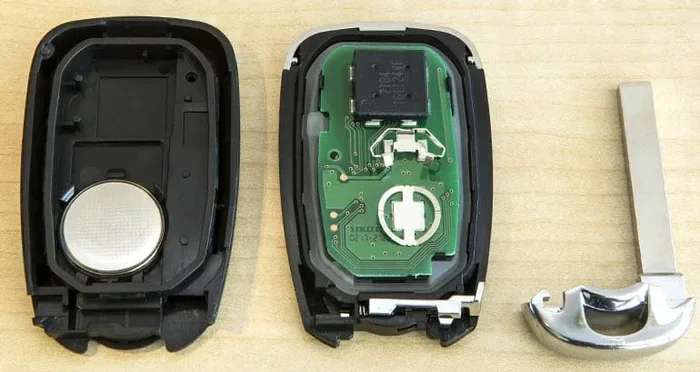
Quick Tip: If your car door locks or unlocks from a shorter distance than usual, it is time to replace the key fob battery. Most fobs use a CR2032 battery that costs just a few dollars and is easy to swap out.
Common Reasons Your Car Locked With Key Fob Inside
Now that you understand how the system works, let us look at the specific reasons why your car locked with the key fob inside. These are the situations that cause lockout situations more often than not.
Distraction and Busy Schedules
Let us be honest. Life gets busy. You are juggling groceries, a phone call, and your kids all at once. In the middle of all that chaos, you walk away from the car without thinking. Your car door lock clicks shut behind you. By the time you realize what happened, you are standing outside with no way in.
Distraction is the single biggest cause of car lockouts. Studies show that most drivers who lock their key fob inside the vehicle were multitasking at the time. It could be as simple as checking a text message or loading something heavy into the trunk. The auto-lock feature does its job too well, and before you know it, you are locked out.
Faulty Key Fob Signal or Weak Battery
A dying key fob battery can trick your car into thinking the fob is not inside the vehicle. When the battery is low, the fob cannot send a strong enough signal to the car’s proximity sensor. The car assumes the fob has walked away and locks the doors. This is especially common with older fobs or fobs that have been dropped and damaged.
Some vehicles have a transponder key system that requires the fob to be within a very specific range. If the signal is weak, the car does not recognize the fob is inside. Instead, it treats the situation as if the fob is outside and locks up. This is a frustrating but very common lockout situation that catches even the most careful drivers off guard.
Auto-Lock Timer Settings
Many modern vehicles come with customizable auto-lock timer settings. These settings determine how long the car waits after the driver walks away before locking the doors. Some cars lock almost instantly. Others give you a window of 30 seconds or more. If your auto-lock timer is set too short, you might not have enough time to grab your fob and close the door properly.
Check your vehicle’s owner manual or settings menu to see if you can adjust this timer. Increasing the delay gives you a little more breathing room and can significantly reduce the chances of a car lockout.
The Proximity Sensor Confusion
Proximity sensors are designed to detect the key fob and determine whether the car should stay unlocked or lock itself. But these sensors are not perfect. They can be confused by metal surfaces, other electronic devices, or even the position of the fob inside the car.
For example, if you place your fob in a metal cup holder or next to a laptop, the signal might get blocked. The car does not receive the fob’s signal and assumes it has left the area. The doors lock. This is a subtle but very real issue that affects many keyless entry systems on the market today.
Common Mistakes: Placing your fob in a glove box or center console with metal lining can block the signal. Also, keeping multiple fobs in the car at once can confuse the proximity sensor. Always keep your primary fob in a clear, accessible spot like a cup holder or on the passenger seat.
How to Get Back Into Your Car When Locked Out
So you are standing outside your car. The key fob is inside. What do you do now? Stay calm. There are several reliable ways to get back in without causing damage to your vehicle.
Check for a Spare Key First
The fastest solution is often the simplest one. Do you have a spare key? Many drivers keep a spare hidden somewhere on their property or stored in a safe place at home. If you have a spare, the quickest fix is to grab it and use it to unlock the car.
If you do not have a spare key at home, think about whether anyone else who has access to the vehicle might have one. A family member, spouse, or roommate might be able to bring it to you. This is why it is always a good idea to have at least two copies of your key fob or physical key.
Use Roadside Assistance or a Locksmith
If a spare key is not an option, roadside assistance is your next best call. Most auto insurance policies and vehicle warranties include roadside assistance coverage. A professional can usually reach you within 30 to 60 minutes and help you regain access to your vehicle.
A licensed car locksmith is another excellent option. Professional locksmiths specialize in car lock repair and lockout situations. They have the tools and expertise to open your car safely without damaging the doors, windows, or locking mechanism. Most locksmiths can handle modern keyless entry systems and smart key systems with ease.
Expert Insights: Always call a licensed and insured locksmith. Avoid unmarked vehicles or individuals who approach you offering to help. A legitimate professional will provide proper identification and upfront pricing. If you are a member of AAA or have roadside assistance through your insurance, call them first. They often cover lockout services at no extra cost.
Try Override Methods for Your Vehicle
Some vehicles have manual override options for lockouts. Check your owner’s manual for information about emergency access methods. Many cars have a hidden mechanical key slot somewhere on the door handle or lock cylinder. You can use a physical transponder key or a metal override key to unlock the door manually.
Another method some drivers use is the shoelace technique for older vehicles with manual lock buttons. However, this method does not work on most modern cars with electronic locking systems. It is worth trying only if you are certain your vehicle has a manual lock button on the interior door panel.
Quick Tip: Save your vehicle’s roadside assistance number in your phone contacts right now. You never know when you will need it. Also, keep the number of a local locksmith in your phone for emergencies. These few minutes of preparation can save you hours of stress later.
How to Prevent Locking Your Key Fob Inside
The best way to deal with a car lockout is to prevent it from happening in the first place. The good news is that there are several simple steps you can take to avoid this frustrating situation.
Build a Simple Lockout Routine
Create a habit of checking for your key fob before you close the door. It sounds obvious, but when you are in a hurry, it is easy to forget. Make it a part of your exit routine. Touch the fob in your pocket or purse. Confirm the doors unlock and then walk away.
Some drivers find it helpful to attach the fob to a specific lanyard or keychain that they always keep in their hand until they are fully inside the house. This physical reminder can go a long way in preventing lockout situations.
Use Key Fob Finders and Alerts
Technology has made it easier than ever to keep track of your key fob. Bluetooth key fob finders like Apple AirTags or Tile trackers can help you locate your fob if you accidentally leave it somewhere. Some of these devices also send alerts to your phone when the fob moves away from your vehicle.
Certain car models also have built-in key fob alert systems. These systems beep or flash the lights if they detect the fob is still inside the vehicle when you try to lock the doors. Check if your vehicle has this feature and make sure it is turned on.
Adjust Your Auto-Lock Settings
Many vehicles allow you to adjust the auto-lock timer and proximity sensor sensitivity. Increasing the delay before auto-lock engages gives you more time to realize you still have the fob. You can also check your vehicle’s settings to see if there is an option to disable auto-lock entirely or make it less aggressive.
Consult your owner’s manual or visit your dealer to learn about the available settings for your specific model. A few minutes of adjustment can save you from countless car lockouts in the future.
Keep a Spare Key in a Safe Place
This cannot be stressed enough. Always have a spare key available. You can keep one at home, give one to a trusted family member, or store one in a secure lockbox in your car. Just make sure the spare is not in the glove box if that is where you normally keep your primary fob.
Some drivers use a magnetic lockbox attached to the undercarriage of their vehicle. These are hidden from view and can only be opened with a code. It is a secure and convenient way to store a spare key for emergencies.
Quick Tips to Prevent Lockouts:
- Always keep your fob in your pocket or bag before closing the door.
- Replace your key fob battery every 12 months, even if it still seems to work.
- Avoid placing your fob near metal objects or electronic devices that can block the signal.
- Teach everyone in your household the importance of checking for the fob before leaving the car.
- Consider investing in a key fob finder or tracker for added peace of mind.
- Know how to contact roadside assistance and a trusted locksmith before you need them.
When to Call a Professional for Car Lockout Help
Not every lockout situation can be solved with a spare key or a simple trick. Sometimes you need professional help. Knowing when to call for assistance can save you time, money, and a lot of frustration.
Signs You Need Expert Help
If you have tried all the DIY methods and still cannot get into your car, it is time to call a professional. Other signs that you need expert help include: the car door lock is jammed, the vehicle lock mechanism feels stuck or damaged, or you have tried multiple times and the lock is not responding. Forcing the lock yourself can cause expensive damage that a professional could have avoided.
Also, if your car immobilizer has engaged, you will not be able to start the car even after gaining access. A professional locksmith or dealer can help you reset the immobilizer and get your vehicle running again safely.
What to Expect from a Professional Locksmith
A professional locksmith will arrive with the right tools and knowledge to handle your specific vehicle. They can open the car using non-destructive methods, replace a damaged lock if needed, and even program a new key fob on the spot. Most locksmiths are trained to work with all major car brands and models, including vehicles with smart key systems and remote keyless entry.
The cost of a locksmith visit varies depending on your location, the time of day, and the complexity of the lockout. On average, you can expect to pay between $50 and $150 for a standard lockout service. Having roadside assistance coverage through your insurance or credit card can often reduce or eliminate this cost entirely.
Expert Tips to Keep Your Car Secure
While car lockouts are frustrating, your vehicle’s security features are there to protect you. The key is understanding how these systems work and using them to your advantage. Here are some expert tips to keep your car both secure and accessible.
Upgrade Your Car Security System
If your vehicle is older and does not have modern keyless entry systems, consider upgrading. Newer car security systems come with advanced features like proximity sensors, key fob alerts, and smartphone integration. These upgrades can make your daily routine smoother while keeping your vehicle safe from theft.
Some aftermarket security systems can send notifications to your phone if someone tries to tamper with your car. Others allow you to lock and unlock your doors remotely using an app. These features add an extra layer of convenience and protection that every driver can appreciate.
Maintain Your Key Fob and Remote Systems
Regular maintenance of your key fob goes a long way in preventing lockouts. Replace the battery at least once a year. Keep the fob clean and free from debris. If the fob has been dropped or damaged, have it repaired or replaced promptly. A well-maintained fob communicates clearly with your car and reduces the risk of signal confusion.
It is also a good idea to have a spare key fob programmed by your dealer. Having a backup fob means you always have a way to access your vehicle, even if your primary fob fails. This small investment can save you from a costly emergency call later.
Final Thoughts
Why did my car lock with my key fob inside? The answer usually comes down to a combination of modern technology, human error, and a few preventable oversights. Your vehicle’s auto-lock feature, proximity sensor, and keyless entry system are designed to protect you. But they can also create unexpected lockout situations when the conditions are just right.
The good news is that you now have the knowledge to handle this situation confidently. You know the common causes, the best ways to get back in, and the steps you can take to prevent it from happening again. Keep a spare key handy, replace your key fob battery regularly, and build a simple lockout routine that works for you.
Remember, roadside assistance and professional locksmiths are always there to help when you need it. Do not hesitate to call for expert support if the situation feels beyond your control. With the right preparation and a little awareness, you can say goodbye to car lockouts for good.
Frequently Asked Questions
Why did my car lock with my key fob inside even though the fob was in the car?
Your vehicle’s proximity sensor may have confused the fob’s signal or the auto-lock timer may have engaged too quickly. A weak key fob battery can also cause the car to miss the fob’s signal and lock the doors automatically.
How do I unlock my car if I locked my key fob inside?
First, check if you have a spare key available. If not, call roadside assistance or a licensed locksmith. They can help you regain access safely without damaging your vehicle. Avoid forcing the lock yourself.
Can a weak key fob battery cause my car to lock with the fob inside?
Yes, absolutely. When the key fob battery is low, the signal becomes too weak for the car to detect. The vehicle assumes the fob has walked away and locks the doors. Replacing the battery regularly prevents this common issue.
How can I prevent locking my key fob inside my car?
Build a habit of checking for your fob before closing the door. Keep a spare key in a safe place, use a key fob finder or tracker, and adjust your auto-lock timer settings to give yourself more time. These simple steps can prevent most lockouts.
Should I call a locksmith or roadside assistance for a car lockout?
Either option works well. Roadside assistance is often free if you have it through your insurance or credit card. A professional locksmith can also help and is a great option if you do not have roadside coverage. Both can handle modern keyless entry systems safely.
Do all modern cars have an auto-lock feature that can cause lockouts?
Most modern vehicles come with an auto-lock feature and proximity sensors designed to lock the doors when the driver walks away. While these features improve security, they can sometimes create lockout situations if the fob signal is weak or the sensor is confused.