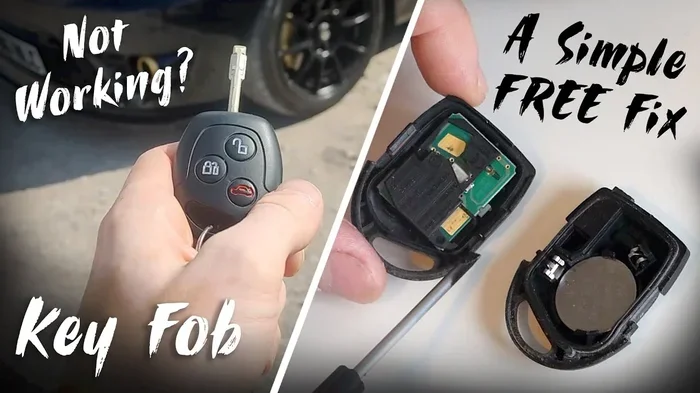
Why Did My Key Fob Suddenly Stop Working Without Warning
Your key fob can stop working for many reasons, from a simple dead battery to signal interference or water damage. Understanding the root cause helps you fix the problem fast and avoid costly trips to the dealer. This guide walks you through every common reason why your key fob suddenly stopped working and gives you actionable steps to get back on the road.
There is nothing worse than standing in your driveway, pressing the button on your key fob, and getting nothing. No lights. No confirmation. Just silence. You might think your car has some mysterious problem, but the truth is usually much simpler. Why did my key fob suddenly stop working is one of the most common questions drivers ask every year.
The good news is that most causes are easy to fix. You do not need to be a mechanic. You do not even need to visit a dealership. With a little knowledge, you can troubleshoot the issue yourself and save both time and money. This article covers every major reason your car key fob stopped working and gives you clear steps to bring it back to life.
Whether your remote key fob not working is a one-time glitch or a recurring headache, this guide has you covered. We will look at batteries, signal problems, water damage, and much more. By the end, you will know exactly what to do and why it happened.
Key Takeaways
- A dead or dying battery is the #1 reason key fobs fail unexpectedly.
- Signal interference from other devices can block your key fob from communicating with your car.
- Water damage and cold weather are two sneaky causes that many drivers overlook.
- Reprogramming or resetting your key fob often solves the problem in minutes.
- Knowing when to seek professional help saves time and money in the long run.
- Preventive maintenance like regular battery swaps keeps your key fob reliable.
📑 Table of Contents
- 1. The Dead Battery: The Most Common Culprit
- 2. Signal Interference: When Other Devices Block Your Fob
- 3. Water Damage and Moisture Exposure
- 4. Cold Weather and Extreme Temperatures
- 5. Programming and Software Issues
- 6. Mechanical Wear and Button Damage
- 7. The Immobilizer System: A Hidden Cause
- 8. Aftermarket Key Fobs: A Budget-Friendly Option
- Conclusion
1. The Dead Battery: The Most Common Culprit
Let us start with the obvious. In the vast majority of cases, a key fob suddenly stopped working because the battery died. Key fob batteries typically last between two and four years. But they can drain faster if you press buttons accidentally or if the fob sits unused for a long time.
How to Know If the Battery Is Dead
Here are the telltale signs that your key fob battery replacement is overdue:
- Reduced range. You have to stand right next to the car for the fob to work.
- Intermittent response. The fob works sometimes but not others.
- No response at all. Pressing any button does nothing.
- Dashboard warning. Some cars display a key fob battery low message on the dash.
How to Replace the Battery
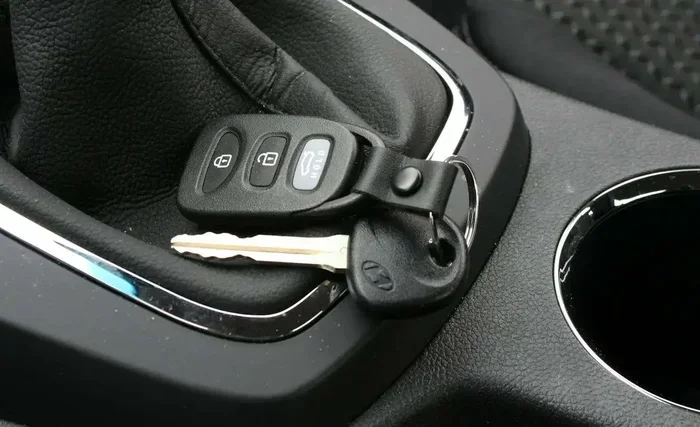
Replacing the battery is simple. Most key fobs use a small CR2025 or CR2032 coin cell battery. Here is what to do:
- Find the small seam or notch on your fob.
- Use a flathead screwdriver or a coin to gently pry it open.
- Remove the old battery and note which side faces up.
- Insert the new battery with the correct orientation.
- Snap the fob back together and test it.
Do this yourself and you just saved a trip to the dealer. It takes about five minutes and costs less than five dollars. Key fob battery replacement is one of the easiest car maintenance tasks you can do at home.
Quick Tip: Keep a spare battery in your glove box. You never know when you will need it, and it takes two seconds to swap.
2. Signal Interference: When Other Devices Block Your Fob
Sometimes the problem is not your key fob at all. It is the environment around you. Key fob signal interference happens when other electronic devices disrupt the communication between your fob and your car.
What Causes Interference?
Several everyday items can cause this problem:
- Other key fobs. If you carry multiple fobs in the same pocket, they can confuse the system.
- Cell phones and chargers. Some phone signals operate on similar frequencies.
- USB hubs and charging cables. These can emit electromagnetic noise.
- Nearby buildings or structures. Large metal objects can block the signal.
- Gas station electronic systems. Yes, even the pumps can cause temporary issues.
How to Fix It
The fix is usually straightforward. Move away from other electronic devices and try again. Stand a few feet from your car and press the button. If the fob works from a distance but not up close, interference is likely the cause.
Another trick: try pressing the button while holding the fob right against the start button or the door handle. This bypasses the smart key system range requirement and can confirm whether interference is the issue.
3. Water Damage and Moisture Exposure
Water and electronics do not mix. If your key fob stopped working after you dropped it in a puddle, washed your hands with it still in your pocket, or left it in a rainy car, moisture damage is a real possibility.
What Happens Inside When Water Gets In
Even a small amount of moisture can corrode the internal circuit board of your fob. The contacts between the battery and the circuit can oxidize. This leads to intermittent or complete failure of the remote key fob.
What To Do If Your Fob Gets Wet
Act quickly if you suspect water damage:
- Remove the battery immediately. This prevents short circuits.
- Dry the fob thoroughly. Use a soft cloth and let it air dry for at least 24 hours.
- Use silica gel packets. Place the fob in a bag with silica gel to absorb remaining moisture.
- Clean the contacts. Use a cotton swab dipped in rubbing alcohol to gently clean the battery terminals.
- Reinsert the battery and test.
If the fob still does not work after drying, the circuit board may be permanently damaged. In that case, you will need a key fob replacement or professional repair.
Expert Insight: Many people do not realize that sweat from your hands can slowly damage a key fob over time. If you tend to grip the fob tightly or carry it in a sweaty pocket, consider using a protective case.
4. Cold Weather and Extreme Temperatures
Did you know that cold weather key fob problems are surprisingly common? Extreme temperatures, both hot and cold, can wreak havoc on your key fob’s performance.
Why Cold Weather Affects Key Fobs
Batteries struggle in cold conditions. The chemical reactions inside the battery slow down significantly when temperatures drop. This means a battery that works fine in summer might fail in the middle of winter. The key fob range can shrink dramatically in freezing weather.
How Cold Weather Affects Your Car’s System
Cold weather can also affect the car’s immobilizer system, which is the security feature that reads your fob. When the car’s computer gets cold, it may take longer to recognize the fob. You might need to press the button multiple times or stand closer to the vehicle.
Quick Tips for cold weather:
- Keep your fob close to your body. Your body heat keeps the battery warmer.
- Avoid leaving the fob in an unheated garage overnight during winter.
- If the car has a manual key override, use it as a backup in extreme cold.
- Consider a fob with a protective insulating sleeve.
5. Programming and Software Issues
Modern cars rely on complex smart key systems that communicate with your fob through encrypted signals. Sometimes the key fob programming gets disrupted, and the fob simply stops being recognized by the car.
What Causes Programming Issues?
Several things can cause your car key fob not working to become a programming problem:
- Battery replacement. Some fobs lose their programming when the battery is changed and need to be reprogrammed.
- Software updates. Car manufacturers occasionally release updates that affect fob compatibility.
- Aftermarket fobs. Non-OEM fobs sometimes require extra programming steps.
- Electrical system issues. A dead car battery or jump start can reset the fob pairing.
How To Reprogram Your Key Fob
Reprogramming steps vary by car brand and model. However, here is a general process that works for many vehicles:
- Sit in the driver’s seat and close all doors.
- Turn the ignition to the “On” position without starting the engine.
- Press and hold the lock button on the fob for several seconds.
- Turn the ignition off and repeat the process within a specific time window.
- Listen for a confirmation sound or see the lights flash.
Check your owner’s manual for the exact steps for your specific vehicle. If reprogramming does not work, a dealership or locksmith can handle it for you.
6. Mechanical Wear and Button Damage
Key fobs go through a lot of daily abuse. They get dropped, sat on, and pressed hundreds of times a week. Over time, this wear and tear can cause real problems.
Common Mechanical Issues
Here are the mechanical problems that cause push button start problem situations and fob failures:
- Worn-out buttons. The rubber contacts under the buttons wear down and lose conductivity.
- Cracked housing. A dropped fob can crack open, exposing internal components to dust and moisture.
- Stuck buttons. Debris or spilled liquids can cause buttons to stick or register as constantly pressed.
- Broken antenna loop. Some fobs have an internal antenna loop that can break from impact.
When To Replace the Fob Instead of Repairing It
If the battery is fresh, there is no water damage, and the programming is intact, but the fob still does not work, the internal electronics may be failing. At that point, key fob replacement is the most practical solution. You can buy a replacement fob online or from a dealer. Programming a new fob usually costs between $50 and $200 at a dealership or locksmith.
Quick Tip: Before buying a new fob, try the manual key blade inside the fob. Most modern fobs have a hidden metal key for unlocking the door. If the manual key works but the remote does not, you know the issue is electronic, not mechanical.
7. The Immobilizer System: A Hidden Cause
Your car has a security feature called the immobilizer system. This system prevents the engine from starting unless it recognizes the correct transponder key or smart key fob. When this system malfunctions, it can feel like your fob has completely stopped working.
Signs of an Immobilizer Problem
Watch for these warning signs:
- The dashboard shows a security warning light or a key icon.
- The engine cranks but does not start.
- The fob works for locking and unlocking but not for starting the car.
- The car occasionally fails to recognize the fob even when it is very close.
What To Do About Immobilizer Issues
If you suspect the immobilizer is the problem, try these steps:
- Remove the fob battery and wait 30 seconds.
- Reinsert the battery and try starting the car again.
- Try a spare fob if you have one.
- Check that the fob is not near other electronic devices that could confuse the system.
If none of these steps work, the immobilizer module may need professional diagnosis. This is a job for a qualified mechanic or dealership technician.
8. Aftermarket Key Fobs: A Budget-Friendly Option
If your original fob is beyond repair, you have options. Aftermarket key fobs are widely available and can cost significantly less than dealer replacements. These fobs work with most major car brands and can be programmed to match your vehicle.
Pros and Cons of Aftermarket Fobs
| Pros | Cons |
|---|---|
| Much lower cost than OEM fobs | May not have all advanced features |
| Easy to find online | Quality varies between brands |
| Often come with batteries included | Programming may require extra steps |
| Work well for basic locking and unlocking | Some luxury features may not be supported |
Choosing the Right Aftermarket Fob
Look for fobs that match your car’s year, make, and model. Read reviews before purchasing. Brands like Keyless Entry Remote, FobKey, and SmartFob are well-regarded in the market. Always confirm the programming instructions match your vehicle before buying.
Conclusion
Figuring out why did my key fob suddenly stop working does not have to be stressful. In most cases, the answer is simple: a dead battery, signal interference, or minor water damage. With the troubleshooting steps in this guide, you can diagnose and fix the problem yourself in most situations.
Start with the easiest fix: replace the battery. If that does not work, check for interference and moisture damage. Consider reprogramming the fob if the problem started after a recent battery change or electrical event. And if none of these steps help, it may be time for a key fob replacement or a visit to a professional.
Taking care of your key fob with regular maintenance goes a long way. Keep it dry, replace the battery every two to three years, and store it away from other electronics. These small habits prevent most common key fob problems before they start.
Now you know exactly what to do when your car key fob stopped working. You are equipped to handle it quickly and confidently. Do not let a dead fob ruin your morning. Take action today and get back to driving with ease.
Frequently Asked Questions
How much does it cost to replace a key fob battery?
A key fob battery typically costs between $2 and $10. You can buy them at any drugstore, grocery store, or online. The replacement process takes about five minutes and requires no special tools.
Can I drive my car if the key fob stops working completely?
Most modern cars have a manual key blade hidden inside the fob for emergency door unlocking. Some vehicles also allow you to start the engine by placing the fob directly on the start button. Check your owner’s manual for your specific model’s backup options.
How do I know if my key fob needs reprogramming?
If your fob stopped working after a battery change, a jump start, or a car battery replacement, reprogramming may be needed. Signs include the car not recognizing the fob even when it is close, or the fob working for locks but not for starting the engine.
Does cold weather really kill key fob batteries faster?
Yes, cold weather significantly reduces battery performance. The chemical reactions inside the battery slow down in low temperatures, which shortens the effective range of your fob and can cause it to fail entirely in extreme cold.
Should I buy an OEM fob or an aftermarket fob?
OEM fobs from the dealer are guaranteed to work with all your car’s features but cost more. Aftermarket fobs are much cheaper and work well for basic functions like locking, unlocking, and starting. Choose aftermarket if you want to save money and do not need advanced features like remote start.
How long do key fob batteries typically last?
Most key fob batteries last between two and four years. The lifespan depends on how often you use the fob, the quality of the battery, and environmental factors like temperature and moisture exposure.