How to Get a Replacement Title for Your Car Right Now
Getting a replacement car title doesn’t have to be stressful. Whether you lost your title, damaged it, or need a duplicate, this guide walks you through every step of the process. You’ll learn how to apply online or in person, what documents you need, how much it costs, and how long it takes to receive your replacement title.
Losing your car title can feel like a small panic attack. You need to sell the car. You need to register it in a new state. Or maybe you just misplaced it and now every search turns up empty. The good news? Getting a replacement title is a straightforward process that anyone can handle. You don’t need a law degree or a mountain of paperwork. This guide breaks everything down into simple steps so you can get your replacement car title back as quickly as possible.
A car title is the single most important document you own for your vehicle. It proves ownership. It lets you sell, trade in, or transfer your car legally. Without it, you’re stuck. You can’t complete a sale. You can’t register the vehicle in a new name. And you definitely can’t cruise into a dealership feeling confident. That’s why knowing how to get a replacement title fast matters so much.
Whether your title got lost in a move, damaged in a flood, or stolen, the road to getting a new one is clearer than you think. Every state has a process in place. Some let you apply completely online. Others require a visit to the DMV. Either way, the process is designed to be simple. Let’s walk through it together.
Key Takeaways
- You can apply for a replacement title online or at your local DMV office depending on your state’s options.
- You’ll need basic documents like proof of identity, registration, and a small fee to get started.
- Processing times vary from a few days to several weeks, so plan ahead.
- Costs typically range from $15 to $75 depending on your state.
- Avoid common mistakes like incomplete forms or missing signatures that cause delays.
- Some states offer expedited services for an additional fee if you need your title fast.
📑 Table of Contents
- What Is a Car Title and Why Do You Need a Replacement?
- Common Reasons People Need a Replacement Title
- How to Get a Replacement Title: Step-by-Step Guide
- Getting a Replacement Title Online vs In Person
- Costs and Processing Times for Replacement Titles
- Common Mistakes That Delay Your Replacement Title
- What If You Need to Transfer a Title at the Same Time?
- Tips to Keep Your Title Safe in the Future
- Final Thoughts
What Is a Car Title and Why Do You Need a Replacement?
A car title is a legal document that proves you own your vehicle. Think of it as the birth certificate for your car. It contains important details like the vehicle identification number, the owner’s name, and the current registration status. When you buy a car, the title transfers from the seller to you. That piece of paper carries a lot of weight.
So why would you need a replacement title? Several common situations come up all the time:
- Lost title: You moved, cleaned out your garage, or simply misplaced it.
- Damaged title: Water damage, tears, or fading made it unreadable.
- Stolen title: Someone took the document, and you need a fresh one.
- Name change: You got married or divorced and need the title updated.
- Selling the car: The buyer needs a clean, valid title to complete the purchase.
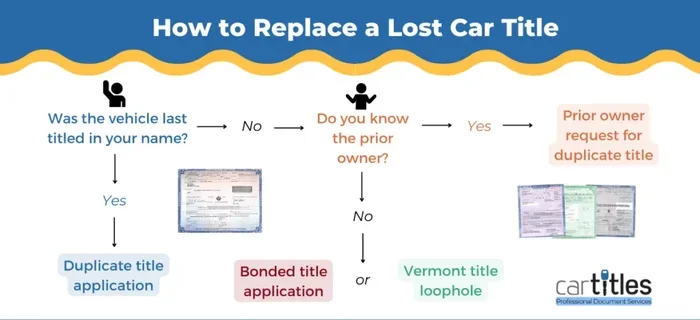
No matter the reason, a replacement car title solves the problem. The process works the same whether your original title is lost or damaged. You simply apply for a duplicate, pay the fee, and wait for the new one to arrive.
Common Reasons People Need a Replacement Title
Moving to a New State
When you relocate, you need to register your vehicle in the new state. That requires a valid title. If your title is from a different state, you might need a replacement title from your home state first. Some states even require you to surrender the old title before issuing a new one for the new state. This process can feel confusing, but it’s very manageable when you know the steps.
Selling or Trading In Your Vehicle
Buyers won’t hand over cash without a title. Dealerships won’t accept a trade-in without one either. A replacement title clears the path for a smooth transaction. If you’re planning to sell soon, don’t wait until the last minute to request a duplicate. Give yourself plenty of buffer time.
After a Name Change
Got married? Divorced? Changed your name for any reason? Your title needs to match your current legal name. You can request a replacement title with the updated name. Most states require a court order or marriage certificate as proof. It’s a simple process, but it keeps your documents legally correct.
How to Get a Replacement Title: Step-by-Step Guide
The process for getting a replacement title is similar across most states. While the exact steps vary slightly, the general flow stays the same. Here’s what you need to do:
Step 1: Gather Your Documents
Before you start the application, gather everything you’ll need. Most states require the following:
- Proof of identity: Driver’s license or state ID.
- Vehicle registration: Current registration card or number.
- Vehicle information: VIN, make, model, and year.
- Proof of ownership: Bill of sale, previous title, or registration documents.
- Payment method: Check, money order, or credit card for the replacement fee.
Having these ready saves you time and prevents trips back and forth. Some states also ask for a signed affidavit stating the original title is lost or destroyed. Check your state’s DMV website for the exact list.
Step 2: Fill Out the Application
Next, complete the replacement title application form. Many states offer this online through their DMV portal. You can also pick one up at your local DMV office. Fill in all the fields carefully. A single missing signature or incorrect VIN can delay the process significantly.
If you’re applying online, make sure your printer works so you can print and sign the form if needed. For paper applications, use black or blue ink only. Double-check every entry before submitting.
Step 3: Pay the Replacement Fee
Every state charges a fee for a replacement title. The cost varies widely. Here’s a quick comparison:
- Low-cost states: $15 to $25 for a duplicate title.
- Mid-range states: $30 to $50 for a replacement.
- Higher-cost states: $55 to $75 or more.
Some states charge extra for expedited processing. If you need the title quickly, factor that into your budget. The fee is usually non-refundable, even if processing takes longer than expected.
Step 4: Submit Your Application
Submit your completed application, documents, and payment. Online submissions are fast and convenient. In-person submissions let you ask questions on the spot. Mail-in applications work too, but they take longer. Choose the method that fits your situation best.
Step 5: Wait for Your New Title
After submission, you wait. Standard processing takes anywhere from a few business days to several weeks. Some states offer tracking so you can monitor your application. Keep your receipt and confirmation number handy. If you don’t receive your replacement car title within the expected window, contact your DMV.
Getting a Replacement Title Online vs In Person
More and more states now let you request a replacement title online. This option saves time and avoids the hassle of waiting in line at the DMV. Here’s how the two methods compare:
- Online: Faster, more convenient, and often available 24/7. You submit everything through the state portal. Just make sure your documents are scanned clearly.
- In person: Better if you have questions or need help with the application. You can also get same-day service in some locations. However, wait times can be long, especially at busy offices.
- By mail: Works if online isn’t available in your state. Just be prepared for a longer wait time and make copies of everything you send.
If your state offers online applications, that’s usually the best route. The process is simple. You enter your vehicle details, upload your documents, pay the fee, and wait. Some states even let you track the status of your replacement title in real time.
For example, if you’re in Georgia, you can apply for a replacement car title online in Georgia through the state’s digital portal. This saves a trip to the courthouse and gets your paperwork moving faster.
Costs and Processing Times for Replacement Titles
The cost and timeline for a replacement title depend on your state and the method you choose. Here’s what to expect:
- Standard processing: 2 to 6 weeks for most states.
- Expedited processing: 3 to 10 business days for an additional fee.
- Instant or same-day service: Available in some states for an in-person visit.
Fees also vary. The average cost sits around $25 to $45, but some states charge less and others charge more. Always check your state’s DMV website for the current fee schedule. Fees can change without much notice, so verify before you submit.
If you’re in a hurry, look into expedited options. Many states offer rush processing for an extra $10 to $30. It’s worth the investment if you need the title for an upcoming sale or registration deadline. Some states also offer walk-in services where you can walk out with a temporary certificate on the spot.
Common Mistakes That Delay Your Replacement Title
Avoid these common pitfalls that slow down the replacement title process:
- Incomplete applications: Missing a signature or leaving a blank field can send your application back.
- Wrong VIN: Double-check the vehicle identification number. One wrong digit creates a mismatch.
- Outdated documents: Make sure your ID and registration are current. Expired documents cause rejections.
- Missing payment: Include the correct fee. Underpayment or non-payment stops everything.
- Sending copies instead of originals: Some states require original documents. Check before you mail anything.
Taking a few extra minutes to review everything before submitting can save you weeks of waiting. Slow and steady wins the race here.
What If You Need to Transfer a Title at the Same Time?
Sometimes you need a replacement title because you’re also transferring ownership. Maybe you’re selling your car or passing it to a family member. In these cases, the process involves two steps: getting the replacement and then transferring it.
If you’re transferring a Tesla to a new owner, for instance, you’ll need a valid title in hand before you can complete the transfer. Make sure both the replacement title and the transfer paperwork are in order before you meet with the buyer. This prevents back-and-forth and keeps everyone happy.
For Tesla owners specifically, the process of transferring your Tesla to a new owner requires a clean title and proper documentation. Plan ahead and request your replacement title well before the scheduled transfer date.
Tips to Keep Your Title Safe in the Future
Once you have your replacement car title in hand, take steps to protect it:
- Store it in a fireproof safe: This protects against damage and theft.
- Make digital copies: Scan your title and save it in a secure cloud folder.
- Don’t carry it in your car: Leave it at home. If your car gets stolen, you don’t want the title going with it.
- Use a title holder or folder: Keep it in a dedicated document folder to prevent wrinkles and tears.
These small habits save you from the hassle of requesting another replacement title down the road. Prevention is always easier than cure.
Final Thoughts
Getting a replacement title for your car is easier than most people think. The process is designed to be simple and accessible. Whether you apply online, visit the DMV, or send your application by mail, the key is to come prepared. Have your documents ready, pay the correct fee, and double-check everything before you submit.
Don’t let a lost or damaged title hold you back. Take action today and get your replacement car title on the way. The sooner you start, the sooner you’ll have that important document back in your hands. And once it’s in your possession, you can sell, register, or transfer your vehicle with confidence.
Remember, every state has its own process. Check your local DMV website for the most accurate and up-to-date information. A few minutes of research now can save you hours of frustration later.
Frequently Asked Questions
How long does it take to get a replacement car title?
Standard processing typically takes 2 to 6 weeks, depending on your state. Expedited services can cut that down to 3 to 10 business days for an additional fee. Same-day service is available in some states for in-person visits.
Can I get a replacement title online?
Many states now offer online replacement title applications through their DMV portals. Check your state’s DMV website to see if this option is available. Online applications are generally faster and more convenient than in-person visits.
How much does a replacement title cost?
Fees range from $15 to $75 depending on your state. The average cost sits around $25 to $45. Some states charge extra for expedited processing or duplicate copies. Always verify the current fee on your state’s DMV website before applying.
What documents do I need for a replacement title?
You’ll typically need proof of identity, your vehicle registration, the VIN, and payment for the replacement fee. Some states also require a signed affidavit stating the original title is lost or destroyed. Check your local DMV for the complete list.
Can I drive my car without a title?
You can drive with a valid registration and proof of ownership, but you cannot legally sell or transfer the vehicle without a title. If your title is lost, apply for a replacement as soon as possible to avoid complications with sales or registrations.
What if my replacement title arrives with errors?
Contact your DMV immediately if you notice errors on your new title. You may need to request a correction or a second replacement. Always review the title carefully as soon as it arrives to catch any mistakes early.