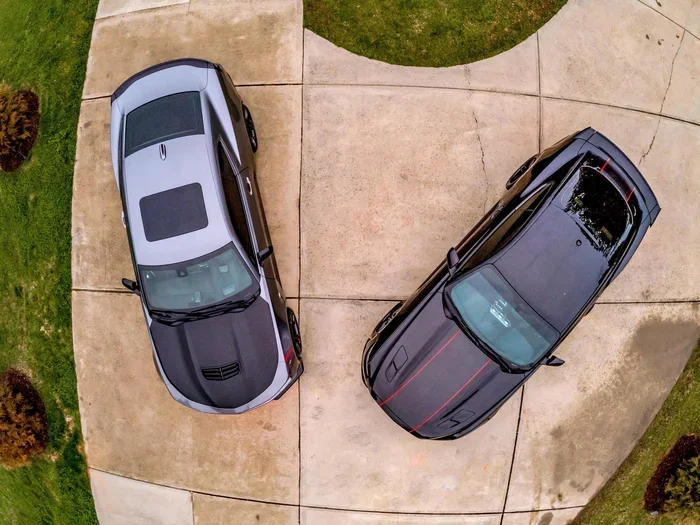
How Much Is Car Insurance for 2 Cars Per Month on Average
Car insurance for 2 cars typically costs between $200 and $500 per month, depending on your driving history, location, and coverage type. A multi-car insurance policy often unlocks significant savings compared to insuring each vehicle separately. Understanding what drives your auto insurance premium helps you find the best deal every month.
If you own two cars, you have probably wondered about the monthly cost of keeping both insured. Car insurance for 2 cars per month is a question many families and households ask, especially when budgeting for regular expenses. The truth is, the answer depends on several factors, and knowing what those factors are puts you in a much better position to save money.
Insuring two vehicles does not have to break the bank. In fact, most insurance companies offer multi-car insurance discounts that make it cheaper to cover both cars under one policy. Whether you drive a sedan and an SUV or two compact cars, understanding how auto insurance premiums are calculated helps you make smart choices. This guide breaks down everything you need to know about the average cost, what affects your rate, and how to pay less every month.
The average monthly car insurance cost for two vehicles falls somewhere between $200 and $500. But this range is just a starting point. Your actual bill could be lower or higher depending on your personal situation. Let us walk through the details so you know exactly what to expect and how to get the best deal possible.
Key Takeaways
- Multi-car discounts save money: Bundling two cars on one policy usually reduces your monthly payment by 10-25%.
- Coverage type matters most: Full coverage costs more than liability-only, but it protects your investment better.
- Your driving record impacts rates: Clean driving history leads to lower monthly premiums for both vehicles.
- Location plays a big role: Urban areas with high traffic and crime drive up the cost of insuring two cars.
- Shopping around pays off: Comparing quotes from multiple insurers helps you find the lowest rate for your situation.
- Deductibles affect your bill: Choosing a higher deductible lowers your monthly premium but increases out-of-pocket costs.
- Bundling adds extra savings: Combining car insurance with home or renters insurance can unlock additional discounts.
📑 Table of Contents
- What Is the Average Cost of Insuring 2 Cars Per Month?
- Factors That Affect Your Monthly Insurance Cost for Two Cars
- How to Lower Your Car Insurance Cost for Two Vehicles
- Coverage Types Explained for Two-Car Households
- Common Mistakes People Make When Insuring Two Cars
- How to Get the Best Quote for Two-Car Insurance
- Final Thoughts
What Is the Average Cost of Insuring 2 Cars Per Month?
When you ask, how much is car insurance for 2 cars per month, the national average gives you a ballpark figure. Most drivers in the United States pay between $200 and $500 monthly for a multi-car insurance policy. This range covers basic liability coverage up to full coverage with comprehensive and collision add-ons.
Here is a quick look at what different coverage levels might cost per month for two cars:
- Minimum liability coverage: Around $100 to $200 per month
- Standard full coverage: Around $200 to $350 per month
- Premium full coverage with add-ons: Around $350 to $500+ per month
These numbers vary widely based on where you live, your age, your driving record, and the type of vehicles you insure. A young driver with two sports cars will pay far more than a middle-aged driver with two family sedans. The key takeaway is that your personal details shape your final bill more than any national average ever could.
Why Does Insuring Two Cars Cost Less Than Two Separate Policies?
Insurance companies love customers who bring them more than one policy. When you insure two cars together, you receive what is commonly called a multi-car discount. This discount typically ranges from 10% to 25% off your total premium. That is real money saved every month.
Instead of managing two separate policies with two different companies, a bundled multi-vehicle policy simplifies your life. You get one bill, one renewal date, and one point of contact for claims. Plus, the administrative convenience often comes with a financial reward in the form of lower rates.
Factors That Affect Your Monthly Insurance Cost for Two Cars
Not everyone pays the same rate for car insurance for 2 cars per month. Several factors work together to determine your final premium. Understanding each one helps you see where you might be able to save.
Your Driving Record
Your driving history is one of the biggest factors insurers look at. If you have a clean record with no accidents or traffic violations, you qualify for the best rates. Even a single speeding ticket or at-fault accident can raise your monthly car insurance cost significantly for both vehicles.
Insurance companies view drivers with clean records as lower risk. That lower risk translates directly into lower premiums. If you have had issues in the past, do not worry. Your rates will improve over time as long as you maintain safe driving habits going forward.
Your Location
Where you live matters a lot. Drivers in busy cities with high traffic and crime rates pay more than those in rural areas. If you live in a state with high insurance requirements, your auto insurance premium will reflect that.
States like Michigan, Louisiana, and Florida tend to have higher average rates. Meanwhile, states like Maine, Iowa, and Virginia often offer lower costs. Your zip code alone can shift your monthly bill by hundreds of dollars, so location is never something to overlook.
The Type of Vehicles You Insure
The make, model, and year of your cars play a role too. Insuring two older, reliable sedans costs less than covering two new luxury SUVs. Sports cars and high-performance vehicles attract higher premiums because they cost more to repair and are more likely to be involved in accidents.
When calculating car insurance for 2 cars per month, insurers consider factors like:
- The vehicle’s market value
- Safety ratings and crash test results
- Repair costs for the specific model
- The likelihood of theft for that vehicle
Your Age and Gender
Age and gender are traditional rating factors in the insurance industry. Younger drivers, especially those under 25, face higher premiums because statistics show they are more likely to file claims. Male drivers under 25 typically pay more than their female counterparts.
As drivers gain experience and age, their rates tend to drop. A driver over 30 with a clean record often enjoys some of the most competitive rates available. This factor applies to both vehicles on your policy, so the age of the primary drivers matters for each car.
Coverage Levels and Deductibles
The type and amount of coverage you choose directly impacts your monthly bill. Liability-only coverage is the cheapest option and meets most state requirements. But it does not cover damage to your own vehicles in an accident where you are at fault.
Full coverage includes comprehensive and collision protection, which covers damage to your cars regardless of fault. This costs more but provides much better financial protection. Your deductible choice also matters. A higher deductible means a lower monthly premium, but you pay more out of pocket when you file a claim.
How to Lower Your Car Insurance Cost for Two Vehicles
Nobody wants to overpay for auto insurance premium payments. The good news is that there are proven strategies to reduce your monthly bill without sacrificing coverage quality.
Shop Around and Compare Quotes
The single best way to save money is to compare quotes from multiple insurance companies. Rates vary dramatically from one insurer to another. What costs $300 per month with one company might cost $220 with another for the exact same coverage.
Use online comparison tools to get quotes quickly. You should also check with local and regional insurers, not just the big national names. Smaller companies often compete aggressively on price to win your business. Make it a habit to review your policy at least once a year and re-quote if your rates go up.
Ask About Every Available Discount
Insurance companies offer many discounts that most drivers never think to ask about. Common discounts include:
- Multi-car discount: Insuring two or more vehicles on one policy
- Safe driver discount: Maintaining a clean driving record
- Good student discount: For students maintaining a B average or higher
- Defensive driving course discount: Completing an approved driving course
- Bundling discount: Combining car insurance with home or renters insurance
- Low mileage discount: If you drive fewer than a certain number of miles per year
Every discount you qualify for chips away at your total premium. Do not assume your insurer automatically applies all of them. Call your agent or check your online account to confirm you are getting every discount you deserve.
Consider Raising Your Deductibles
Raising your deductible is one of the fastest ways to lower your monthly payment. If you switch from a $500 deductible to a $1,000 deductible, you could see a meaningful reduction in your monthly car insurance cost. The trade-off is that you pay more out of pocket if you ever need to file a claim.
This strategy works best if you have an emergency fund and can comfortably handle a higher deductible. For many drivers, the savings over a year far outweigh the increased risk of a slightly higher claim cost.
Maintain Continuous Coverage
Insurance companies reward consistency. If you let your policy lapse or switch carriers frequently, you may face higher rates. Keeping continuous coverage shows insurers that you are a responsible, low-risk customer.
Even if you are between vehicles or one car is off the road temporarily, consider maintaining a basic policy. Temporary car insurance options can keep you covered at a low cost and prevent gaps that could raise your future rates. A clean coverage history works in your favor every time you shop for new quotes.
Drive Less and Earn Low-Mileage Discounts
If you and your household drive fewer miles than average, you may qualify for a low-mileage discount. Many insurers now offer telematics programs that track your actual driving habits through a mobile app or device plugged into your car.
Safe driving behaviors like smooth braking, staying within speed limits, and avoiding late-night driving can earn you additional savings. These programs are especially valuable if one of your two cars sits unused for long periods. The less you drive, the lower your risk profile, and the lower your auto insurance premium can be.
Coverage Types Explained for Two-Car Households
Choosing the right coverage for your two vehicles can feel confusing. Here is a simple breakdown of the most common coverage types and what each one does.
Liability Coverage
Liability coverage is the most basic and legally required type of insurance in most states. It pays for damage and injuries you cause to other people in an accident. It does not cover your own vehicles or passengers.
For a two-car household, liability coverage keeps your monthly costs low. However, it leaves significant gaps in protection. If you total one of your cars in an accident you caused, liability alone will not pay for repairs or replacement.
Collision Coverage
Collision coverage pays for damage to your vehicles regardless of who is at fault. This is especially valuable if you have car loans or leases that require you to carry this protection until the loan is paid off.
For households with two cars, collision coverage ensures that both vehicles are protected in collisions with other cars or objects like fences and guardrails. The monthly cost of adding collision to both vehicles is higher, but the peace of mind is well worth it for most drivers.
Comprehensive Coverage
Comprehensive coverage protects against non-collision damage. This includes theft, vandalism, fire, flooding, hail, and collisions with animals. If you live in an area prone to severe weather or high crime, comprehensive coverage on both cars is a smart investment.
Keep in mind that does car insurance cover tires is a common question. Comprehensive coverage may cover tire damage caused by theft or weather events, but it typically does not cover normal wear and tear. Check your specific policy details to understand exactly what is included.
Uninsured and Underinsured Motorist Coverage
This coverage protects you if you are in an accident with a driver who has no insurance or insufficient coverage. It pays for your medical bills and vehicle repairs when the other driver cannot. Adding this to both vehicles on your policy provides an extra layer of financial security.
Common Mistakes People Make When Insuring Two Cars
Avoiding common pitfalls helps you keep your car insurance rates as low as possible while maintaining the protection you need.
Insuring Each Car Separately
One of the biggest mistakes is buying two separate policies from different companies. This approach costs more and misses out on multi-car discounts. Always ask your insurer to put both vehicles on the same policy before you commit to a purchase.
Choosing Minimum Coverage Just to Save Money
While minimum liability coverage keeps your monthly bill low, it leaves you financially vulnerable. If you cause a serious accident, the costs can quickly exceed your policy limits. Choosing adequate coverage for both cars protects your assets and your wallet in the long run.
Not Updating Your Policy When Circumstances Change
Life changes affect your insurance rates. Moving to a new address, adding a teenage driver, or replacing one of your vehicles should trigger a policy review. Failing to update your insurer means you might be overpaying or underinsured. Regular check-ins keep your coverage aligned with your current situation.
Ignoring the Impact of a Teenage Driver
Adding a teenager to your policy significantly increases your premium. But there are ways to manage this cost. Good student discounts, defensive driving courses, and choosing a safe, older vehicle for your teen can all help offset the added expense. If you are wondering about can a 17-year-old get car insurance in their name, the answer is yes, but it is typically more expensive and often better handled under a parent’s policy.
How to Get the Best Quote for Two-Car Insurance
Getting the best car insurance for 2 cars per month starts with a smart shopping process. Follow these steps to ensure you get the most competitive rate.
- Gather information about both vehicles, including make, model, year, and mileage.
- Know your driving history and any violations or claims from the past 3 to 5 years.
- Decide on the coverage levels you need for both cars.
- Get quotes from at least 3 to 5 different insurance companies.
- Compare not just the price but also the coverage limits, deductibles, and customer service ratings.
- Ask about every discount you might qualify for.
- Review your policy annually and re-quote to ensure you are still getting the best rate.
Insurance markets change constantly. Rates that were competitive last year may no longer be the best deal this year. Staying proactive and reviewing your policy regularly keeps your auto insurance premium as low as possible.
It is also worth noting that car insurance rates going up is a common trend across the industry. Inflation, rising repair costs, and increased accident frequency all contribute to higher premiums nationwide. This makes it even more important to shop around and negotiate the best rate you can find.
Final Thoughts
The cost of car insurance for 2 cars per month varies widely, but most households can expect to pay between $200 and $500. Your actual rate depends on your driving record, location, vehicle types, coverage choices, and the discounts you qualify for. The good news is that you have plenty of control over your monthly premium.
By bundling both cars on one policy, shopping around for the best quotes, and taking advantage of every available discount, you can significantly reduce what you pay. Raising your deductible, maintaining continuous coverage, and driving safely all contribute to lower rates over time. Do not accept your first quote as your final answer. The difference between the cheapest and most expensive policy for the same coverage can be hundreds of dollars per year.
Take the time to review your policy today. A few simple changes could save you real money every single month while keeping both of your vehicles properly protected.
Frequently Asked Questions
What is the average monthly cost of car insurance for 2 cars?
The average cost ranges from $200 to $500 per month, depending on your coverage level, driving record, location, and the type of vehicles you insure. Full coverage policies with comprehensive and collision tend to fall on the higher end of that range.
How can I lower my car insurance cost for two vehicles?
You can lower your cost by bundling both cars on one policy to get a multi-car discount, shopping around for competitive quotes, raising your deductibles, and taking advantage of safe driver and good student discounts. Maintaining continuous coverage and driving fewer miles also help reduce your premium.
Does insuring two cars together always save money?
In most cases, yes. Multi-car discounts typically save 10% to 25% compared to insuring each vehicle separately. However, the total savings depend on the insurer, your location, and the specific vehicles being covered. Always compare bundled and separate quotes to confirm the best option.
What coverage do I need for two cars?
At minimum, you need liability coverage to meet your state’s legal requirements. However, full coverage with comprehensive and collision provides much better protection for both vehicles. The right choice depends on your budget, the value of your cars, and your personal risk tolerance.
Does my credit score affect car insurance rates for two cars?
Yes, in most states, insurers use credit-based insurance scores as a factor in determining your premium. A higher credit score generally leads to lower rates. This applies to both vehicles on your policy, so improving your credit can help reduce your monthly insurance cost for both cars.
Can I insure two cars with different companies?
Yes, you can insure each car with a different company, but you will miss out on multi-car discounts. Most experts recommend bundling both vehicles on one policy to save money and simplify management. If you currently have separate policies, consider consolidating them to take advantage of the savings.