How to Check the Battery Life of a Hybrid Car Quickly
Checking your hybrid car battery life is easier than you think. You can use the onboard diagnostic system, a multimeter, or a scan tool to get accurate readings. This guide shows you exactly how to check hybrid battery health in minutes and spot warning signs early.
Hybrid cars are everywhere now. People love the fuel savings and the eco-friendly feel. But one question keeps coming up: how do you actually check the battery life of a hybrid car? It is not always as simple as looking at a gauge. Your hybrid has two batteries, and each one needs attention. The hybrid battery powers the electric motor, while a smaller 12V battery runs the car electronics. Both matter. In this guide, we walk you through every method to check your hybrid battery life quickly and easily. Whether you own a Toyota, Honda, Ford, or any other hybrid, this article has you covered.
Knowing your battery health saves money. It keeps you from getting stranded. It also helps you decide when to replace a hybrid battery before it becomes a bigger problem. We will cover simple DIY methods, tools you need, warning signs to watch for, and when to call a pro. Let us get into it.
Key Takeaways
- Use the onboard diagnostic display: Most hybrid cars show battery health right on the dashboard or infotainment screen.
- Grab a multimeter: Testing voltage with a multimeter gives you a direct reading of battery condition.
- Watch for warning signs: Reduced fuel economy, strange noises, and dashboard alerts all point to battery issues.
- Scan tools reveal hidden data: An OBD-II scanner pulls detailed battery codes that you cannot see otherwise.
- Professional inspection adds peace of mind: A dealer or certified mechanic can run full diagnostics for a thorough assessment.
- Regular maintenance extends battery life: Simple habits keep your hybrid battery performing well for years.
📑 Table of Contents
- Why Checking Your Hybrid Battery Life Matters
- Understanding Your Hybrid Battery System
- How to Check Hybrid Battery Life Using the Onboard Display
- Using a Multimeter to Test Hybrid Battery Voltage
- Using an OBD-II Scan Tool for Hybrid Battery Diagnostics
- Warning Signs That Your Hybrid Battery Is Failing
- When to Seek Professional Help
- Tips to Extend Your Hybrid Battery Life
- How Often Should You Check Your Hybrid Battery?
- Conclusion
Why Checking Your Hybrid Battery Life Matters
Your hybrid battery is the heart of the electric system. It stores energy and delivers it when you need extra power. Over time, every battery degrades. The key is catching the decline early. Ignoring a weak battery leads to poor performance, higher fuel costs, and expensive repairs down the road.
Here is why regular checks matter:
- Prevent unexpected breakdowns: A failing hybrid battery can leave you stuck.
- Save money on fuel: A healthy battery means better gas mileage.
- Extend overall battery lifespan: Catching issues early prevents full failure.
- Maintain resale value: Buyers pay more for cars with strong hybrid systems.
- Stay safe: A damaged battery can cause overheating or electrical problems.
If you want to learn more about what happens when a hybrid battery dies, check out our guide on can you drive a hybrid without the hybrid battery. It covers what to expect and what your options are.
Understanding Your Hybrid Battery System
The Hybrid Battery vs. the 12V Battery
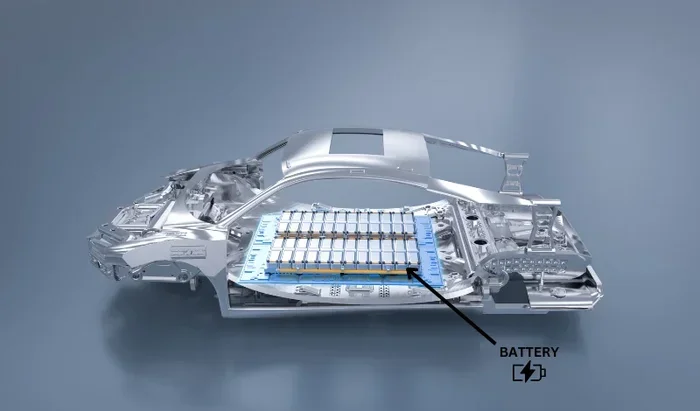
Many people do not realize that hybrid cars have two separate batteries. The hybrid battery pack is a large, high-voltage unit that powers the electric motor. The 12V auxiliary battery is a standard small battery that runs the infotainment system, lights, and computer modules. Both need to work properly for the car to function.
When people talk about checking “the battery,” they usually mean the hybrid battery pack. But a weak 12V battery can also cause starting problems and error messages. Always check both if you notice issues.
How Hybrid Battery Degradation Works
Hybrid batteries lose capacity over thousands of miles. This is normal. Each charge-discharge cycle slightly reduces the total energy the battery can hold. Factors that speed up degradation include:
- Extreme hot or cold temperatures
- Frequent short trips
- Driving habits that strain the battery
- Age and mileage
- Charging the battery to 100% too often
Most hybrid batteries last between 8 and 15 years. But some fail earlier. This is why regular health checks are so important. For more details on hybrid battery types, read our article about are there two batteries in a Prius hybrid.
How to Check Hybrid Battery Life Using the Onboard Display
The easiest way to check your battery is right from the driver seat. Most hybrid cars have a built-in display that shows battery health, charge level, and energy flow. Here is how to access it.
Step-by-Step Dashboard Check
- Start the car. Turn the ignition to ON or press the start button without pressing the brake.
- Look for the energy monitor. Many hybrids have a screen that shows flowing bars or a graph of power usage.
- Check the battery charge indicator. This shows how much charge the hybrid battery currently holds.
- Look for a battery health reading. Some models display a percentage or a health status directly.
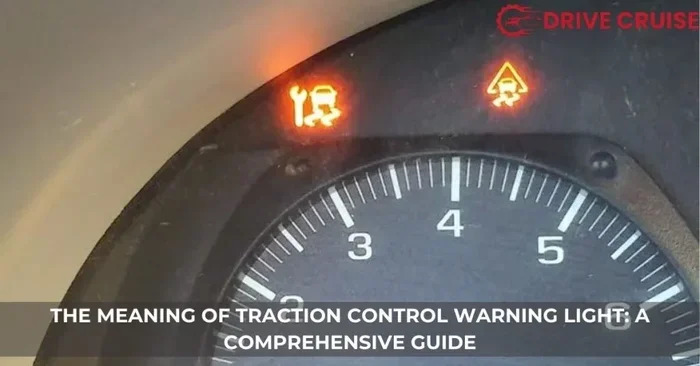
- Watch for warning lights. A red or yellow triangle with an exclamation mark signals a problem.
Different brands display this information differently. Toyota hybrids often show the battery state of charge on the dashboard gauge. Honda hybrids use a multi-information display. Check your owner manual for the exact location of these readings on your specific model.
What Good Battery Health Looks Like
A healthy hybrid battery typically shows a charge level between 40% and 80% during normal driving. If the battery stays in a narrow range, like 20% to 30%, that may indicate degradation. The onboard system also uses bars or segments. If several bars are missing or show empty consistently, the battery is losing capacity.
Quick Tip: If your car has an infotainment system, navigate to the vehicle status or settings menu. Many newer hybrids hide detailed battery stats there.
Using a Multimeter to Test Hybrid Battery Voltage
A multimeter is one of the best tools for checking battery health. It gives you a direct voltage reading that tells a lot about the battery condition. You do not need to be a mechanic to do this.
What You Need
- A digital multimeter (affordable and widely available)
- Your hybrid car owner manual (for the correct testing points)
- Safety gloves and glasses (hybrid systems carry high voltage)
How to Test the Hybrid Battery Voltage
- Turn off the car and wait a few minutes. This lets the system settle.
- Locate the hybrid battery terminals. They are usually under the rear seat or in the trunk. Refer to your owner manual.
- Set your multimeter to DC voltage. Choose a range above the expected voltage.
- Touch the red probe to the positive terminal and the black probe to the negative terminal.
- Read the voltage display. Compare it to the expected range for your car model.
Interpreting the Voltage Reading
Each hybrid battery pack has a different nominal voltage. Here is a general guide:
- 100V to 200V packs: A reading near the top of the range means good health.
- Below expected voltage by more than 10%: This suggests significant degradation.
- Voltage that drops quickly under load: This points to weak or failing cells.
For most Toyota hybrids, a healthy pack reads around 200V to 280V when fully charged. If your reading is much lower, the battery needs attention. If you want to know more about what happens with a dead hybrid battery, see our article on can I drive a Prius with a dead hybrid battery.
Using an OBD-II Scan Tool for Hybrid Battery Diagnostics
An OBD-II scan tool is a small device that plugs into your car’s diagnostic port. It reads error codes and provides detailed information about your hybrid battery. This method is more accurate than the dashboard display alone.
How to Use a Scan Tool
- Find the OBD-II port. It is usually under the dashboard on the driver side.
- Plug in the scan tool. Turn the ignition to ON.
- Select your car make and model. Follow the tool’s menu.
- Navigate to hybrid battery codes. Look for codes starting with P0A or P1A.
- Read and interpret the codes. Each code tells you something specific about the battery system.
Common Hybrid Battery Codes
- P0A7F: Hybrid battery deterioration
- P0A80: Replace hybrid battery pack
- P0AA6: Hybrid battery voltage low
- P0AD8: Battery cell voltage mismatch
These codes give you a clear picture of what is going on. If you see multiple codes related to the battery, it is time for a closer look. A scan tool costs between $30 and $150 for a basic model. For a more in-depth look, you can visit a mechanic or dealer who has professional-grade diagnostic equipment.
Quick Tip: Some scan tools also show the battery’s state of health as a percentage. This is the most direct way to know how much life your battery has left.
Warning Signs That Your Hybrid Battery Is Failing
Sometimes you do not need any tools at all. Your car gives you plenty of warning signs. Here are the most common ones to watch for.
Reduced Fuel Economy
This is often the first sign. If you notice your gas mileage dropping, the hybrid battery may not be holding charge properly. The car relies more on the gas engine, which uses more fuel. Track your mileage over time and compare it to what is normal for your model.
Unusual Noises
A healthy hybrid system is relatively quiet. If you hear clicking, buzzing, or whining sounds coming from the battery area, something is wrong. These noises often indicate failing cells or a damaged cooling fan.
Dashboard Warning Lights
The check engine light or a specific hybrid warning light should never be ignored. These lights activate when the onboard computer detects a problem with the battery system. If you see one, get it checked right away.
Reduced Electric-Only Driving Range
Most hybrids can drive a short distance on electric power alone. If this range shrinks dramatically, the battery is losing capacity. You may notice the gas engine kicking in sooner than usual at low speeds.
Swollen or Warped Battery Case
This is a serious sign. If the battery pack casing looks swollen or deformed, stop driving and get it inspected immediately. A swollen battery can be a safety hazard.
Want to know more about what to do when battery problems arise? Read our guide on can you jump start a Toyota hybrid car for helpful emergency tips.
When to Seek Professional Help
DIY checks are great for staying on top of battery health. But some situations call for a professional. Here is when you should make an appointment.
- The onboard display shows a battery fault: This means the system has detected a serious issue.
- Your scan tool shows multiple error codes: Multiple codes suggest deeper problems.
- You notice a strong chemical smell: This could indicate a leaking battery cell.
- Your fuel economy has dropped significantly: A professional can run a full battery test.
- The car will not start: A dead hybrid battery or 12V battery can prevent starting.
Dealers and certified hybrid mechanics have access to factory-level diagnostic software. They can test individual battery cells, check the cooling system, and assess the overall battery management system. If you are considering a replacement, check out our article on can you replace a hybrid battery yourself to understand your options.
Tips to Extend Your Hybrid Battery Life
Prevention is always better than repair. Here are simple habits that keep your hybrid battery healthy for longer.
- Drive smoothly: Avoid aggressive acceleration and hard braking.
- Keep tires properly inflated: Underinflated tires make the hybrid system work harder.
- Avoid extreme temperatures when possible: Park in shade during hot weather and use a garage in winter.
- Do not drain the battery completely: Try to keep the charge level between 20% and 80%.
- Follow the maintenance schedule: Regular dealer checkups catch small issues before they grow.
- Use the correct driving modes: Some hybrids have an eco mode that reduces strain on the battery.
These small steps add up over time. A well-maintained hybrid battery can easily last 150,000 miles or more. For more on maintaining your hybrid vehicle, check out our article about can I drive my Toyota Camry with the check engine light on, which covers how warning lights affect your car’s health.
How Often Should You Check Your Hybrid Battery?
A good rule of thumb is to check your hybrid battery health every 6 months or every 10,000 miles. At these intervals, you can catch early signs of degradation before they turn into expensive problems. If you notice any warning signs between checkups, do not wait. Test the battery right away.
Most manufacturers recommend a full hybrid battery inspection during every scheduled service visit. This usually happens at 30,000, 60,000, and 90,000-mile intervals. Always keep these appointments. The dealer will run diagnostic tests that go beyond what you can do at home.
Quick Tip: Keep a log of your battery voltage readings over time. This creates a trend that helps you spot gradual degradation before it becomes a serious issue.
Conclusion
Checking the battery life of a hybrid car does not have to be complicated or expensive. You have several options, from a simple dashboard check to using a multimeter or scan tool. The key is to stay proactive. Regular checks help you catch problems early, save money on fuel, and avoid costly repairs. Follow the tips in this guide, watch for warning signs, and keep up with your maintenance schedule. Your hybrid battery will thank you with years of reliable performance.
Remember, a healthy battery means a healthy car. Take a few minutes today to check your hybrid battery health. Your future self will be glad you did.
Frequently Asked Questions
Can I check my hybrid battery health without any tools?
Yes, you can. Most hybrid cars have an onboard display that shows battery charge level and health status. You can also watch for warning signs like reduced fuel economy or dashboard lights. These methods do not require any special equipment.
How much does it cost to replace a hybrid battery?
Replacement costs vary widely depending on the car model and battery type. A new hybrid battery pack typically costs between $1,000 and $6,000. Labor adds another $500 to $2,000. Some refurbished or remanufactured batteries cost less and still offer good performance.
Is it safe to test a hybrid battery with a multimeter?
It is safe if you follow basic safety precautions. Always turn off the car before testing. Wear insulated gloves and avoid touching high-voltage terminals directly. If you feel unsure, have a professional do the test for you.
Can a weak 12V battery cause hybrid system problems?
Yes, it absolutely can. The 12V auxiliary battery powers the hybrid system’s computer and control modules. If it is weak, the car may not start or may show false error codes. Always check both batteries if you experience hybrid issues.
How long does a hybrid battery typically last?
Most hybrid batteries last between 8 and 15 years, or roughly 100,000 to 150,000 miles. However, driving habits, climate, and maintenance all play a role. Regular checks can help you get the most life out of your battery.
What should I do if my scan tool shows a hybrid battery code?
Do not panic right away. Some codes indicate minor issues that are easy to fix. Look up the specific code and check if it is related to a sensor or connection problem. If the code points to battery degradation, schedule a professional inspection as soon as possible.