How Many Axles Does a SUV Have Find Out Everything
Most SUVs have two axles — one in the front and one in the rear — but the exact number depends on the vehicle size, drivetrain, and purpose. Understanding your SUV’s axle setup helps with maintenance, towing, and safety. This guide covers everything you need to know about SUV axles in simple, clear terms.
When you think about what keeps your SUV moving, the engine probably comes to mind first. But there is a hidden hero underneath your vehicle that deserves just as much attention. The axle system is what connects your wheels to the rest of the car. It carries the full weight of your SUV. It transfers power from the engine to the tires. And it keeps your ride smooth and stable.
So, how many axles does a SUV have? The short answer is most SUVs have two axles. But the full story is more interesting than that. The number of axles can change based on the size of the SUV, its purpose, and the drivetrain setup. Whether you drive a compact crossover or a full-size beast, understanding your axles is important. It helps you maintain your vehicle properly. It keeps you safe on the road. And it can even save you money on repairs down the line.
In this guide, we will walk you through everything you need to know about SUV axles. We will cover what an axle does, how many axles different SUVs have, and what you can do to keep them in great shape. Let us dive in.
Key Takeaways
- Standard SUVs use two axles: a front axle and a rear axle handle all the weight and movement.
- Axle count can change: larger or specialty SUVs may have more axles for extra support and load capacity.
- Axle type matters: live axles, dead axles, and drive axles each serve a different purpose in your vehicle.
- Knowing your axle count helps with safety: it affects towing limits, weight distribution, and braking performance.
- Regular axle maintenance is essential: checking axle boots, bearings, and fluid keeps your SUV running smoothly.
- You can count axles yourself: just look at the number of wheel pairs on the ground.
📑 Table of Contents
What Is an Axle and What Does It Do?
An axle is a central shaft that connects the wheels on each side of your vehicle. It is a simple but essential part of your SUV. Without axles, your wheels would not turn. Your car would not move. The axle does more than just spin the wheels though. It also supports the weight of the vehicle. It absorbs bumps and road shocks. And in many cases, it transfers engine power to the wheels.
There are two main jobs an axle handles. The first is load bearing. It holds up the weight of the SUV, passengers, and cargo. The second is power delivery. It sends torque from the engine to the wheels so you can move forward or backward. In some SUVs, the front axle handles steering too. This makes it even more important to keep your axles in top shape.
Types of Axle Systems
Not all axles are the same. Different SUVs use different axle setups depending on their design. Here are the most common types you will find:
- Live Axle: This axle transmits power to the wheels. It is common in rear-wheel-drive and four-wheel-drive SUVs. A live axle actually rotates with the wheels and delivers engine torque.
- Dead Axle: This axle does not transmit power. It simply supports the weight of the vehicle. Front axles in many front-wheel-drive SUVs are dead axles. They help with steering and weight distribution but do not spin with the drivetrain.
- Drive Axle: Also called a half-shaft, this connects the transmission to the wheel. It is what actually spins your wheels when you press the gas pedal.
- Straight Axle: A single rigid shaft connecting both wheels on one side. This design is strong and often used in heavy-duty SUVs and trucks.
- Split Axle: Each wheel on one side has its own shaft. This allows for better handling and a smoother ride. Many modern SUVs use this design.
Each type of axle plays a specific role. The type your SUV uses depends on its size, weight, and intended use. A compact SUV has different axle needs than a large truck-based SUV. Understanding this helps you make better decisions about maintenance and upgrades.
How Many Axles Does a SUV Have
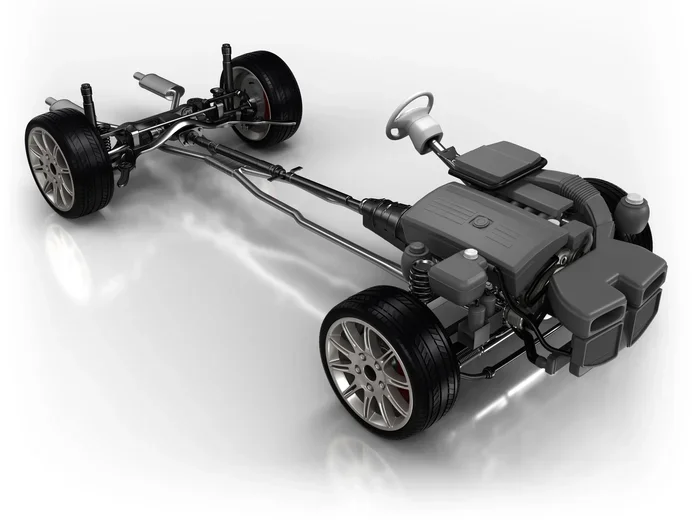
The standard answer to how many axles does a SUV have is two. Almost every passenger SUV on the road today has a front axle and a rear axle. Each axle connects a pair of wheels. So a typical SUV has four wheels total, two on each axle. This two-axle setup works great for most driving situations. It provides stability, good handling, and enough load capacity for everyday use.
But here is where it gets more interesting. Not all SUVs are built the same way. The number of axles can vary depending on several factors. Let us break this down.
Two-Axle SUVs (Most Common)
The vast majority of SUVs you see on the road have two axles. This includes compact SUVs like the Honda CR-V, Toyota RAV4, and Ford Escape. It also includes mid-size SUVs like the Toyota Highlander and Honda Pilot. Even many full-size SUVs like the Chevrolet Tahoe and Ford Expedition stick with a two-axle design.
In a two-axle SUV, the front axle handles steering and some weight. The rear axle handles most of the load and, in rear-wheel-drive or four-wheel-drive models, delivers power to the ground. This setup is efficient, reliable, and cost-effective. It is also what makes how many seats does a Dodge Journey have and similar SUV specs easy to engineer around. The two-axle platform is the foundation for most modern SUV designs.
If you want to check how many axles your SUV has, just look at it from the side. Count the number of wheel pairs. Two pairs means two axles. It is that simple. Most drivers will never need to think beyond this. But if you are towing, hauling heavy loads, or considering a specialty vehicle, the axle count can change.
Three-Axle and Four-Axle SUVs
Some larger or specialty SUVs have more than two axles. You will see this in extended-length SUVs designed for heavy towing or large families. A three-axle setup adds a third pair of wheels, usually in the rear. This extra axle helps distribute weight more evenly. It also increases the vehicle’s load-carrying capacity.
Four-axle SUVs are rare in the consumer market. You mostly see them in specialty vehicles, military vehicles, or heavily modified rigs. These vehicles need extra axles because they carry enormous weight. They might transport large equipment, serve as mobile command centers, or handle extreme off-road conditions.
If you are wondering whether your SUV needs more axles, think about what you use it for. A family hauler that can pull a trailer with a RAV4 or similar vehicle does just fine with two axles. But if you are hauling heavy construction equipment or oversized loads, you might need a vehicle with more axles. Always check your vehicle’s manual or consult a mechanic to understand your specific axle setup.
Axle Count by SUV Category
Here is a quick breakdown of how axle counts typically vary across SUV categories:
- Compact SUVs: Two axles. These are the most common type. Think Honda CR-V, Toyota RAV4, and Hyundai Tucson.
- Mid-Size SUVs: Two axles. Examples include Toyota Highlander, Ford Explorer, and Chevrolet Traverse.
- Full-Size SUVs: Two axles. Vehicles like the Chevrolet Tahoe, Ford Expedition, and GMC Yukon still use two axles despite their large size.
- Extended or Heavy-Duty SUVs: Three or more axles. These are specialty vehicles used for commercial purposes or extreme towing.
- Luxury SUVs: Two axles. Even large luxury SUVs like the Mercedes-Benz GLS or BMW X7 use a standard two-axle setup.
As you can see, two axles is the norm across nearly all SUV categories. The size of the vehicle does not always determine the axle count. The design and purpose of the vehicle matter more than you might think.
Why Axle Count Matters for Your SUV
You might wonder why the number of axles matters so much. After all, most SUVs have two. But the axle count affects several important aspects of your vehicle. Understanding these connections helps you make smarter decisions about driving, maintenance, and safety.
Weight Distribution and Stability
Each axle carries a portion of your SUV’s total weight. The front axle handles steering and absorbs impacts from the front wheels. The rear axle supports the bulk of the cargo and passenger weight. When your axles are properly balanced, your SUV rides smoothly and handles well.
If the weight distribution is off, you might notice handling problems. Your SUV might pull to one side. The brakes might wear unevenly. The ride might feel bouncy or unstable. This is why knowing how much weight your car can hold is so important. Overloading one axle can lead to dangerous driving conditions and expensive repairs.
Towing and Hauling Capacity
When you tow a trailer, the axles bear the extra load. A two-axle SUV can handle moderate towing. But if you need to pull heavier loads, the axle setup becomes critical. Adding a trailer to your how many miles per gallon does a Dodge Challenger get calculations or any SUV’s fuel economy is just one consideration. The real question is whether your axles can handle the weight.
Most SUVs are rated for a specific towing capacity based on their axle strength. Exceeding that limit can damage the axles, transmission, and engine. Always check your owner’s manual for towing limits before hitting the road with a trailer.
Braking Performance
Your axles play a direct role in braking. Each axle has brakes — either disc brakes or drum brakes — that slow the wheels. When you press the brake pedal, the force is distributed through the axles to all four wheels. If one axle is weaker or damaged, your braking performance suffers.
This is especially important in wet or icy conditions. A healthy axle system ensures all four wheels brake evenly. This gives you shorter stopping distances and better control. If you notice any vibration or pulling when braking, get your axles checked right away.
How to Tell How Many Axles Your SUV Has
Figuring out your SUV’s axle count is easier than you might think. You do not need to be a mechanic to do it. Here are a few simple methods anyone can use.
Visual Inspection
The easiest way to count axles is to look at your SUV from the side. Stand a few feet back and look at the wheels. Each pair of wheels connected by a single shaft is one axle. Count the pairs and you have your axle count. Most SUVs will show two pairs of wheels, meaning two axles.
This method works for any vehicle. It does not matter if the SUV is parked or moving. Just look at the wheel pairs and count. If you see two pairs on the ground, you have two axles.
Check the Vehicle Identification Number (VIN)
Your SUV’s VIN contains detailed information about the vehicle. You can use a VIN decoder to find specifics about the axle setup. This is especially helpful if you are buying a used SUV or cannot physically inspect the vehicle.
The VIN will tell you the model, trim level, and drivetrain. From that information, you can usually determine the axle count. For most standard SUVs, the answer will always be two axles.
Consult the Owner’s Manual
Your owner’s manual is one of the best resources for understanding your vehicle. It includes diagrams and specifications for every major component, including the axles. Look for the drivetrain section or the technical specifications chapter.
The manual will tell you the axle type, axle ratio, and load capacity for each axle. This information is invaluable when you are planning modifications, towing, or major maintenance work.
Common Axle Problems in SUVs
Like any part of your vehicle, axles can develop problems over time. Knowing what to watch for can save you from costly repairs and unsafe driving conditions. Here are the most common axle issues SUV owners face.
Worn Axle Boots
Axle boots are rubber covers that protect the axle joints from dirt and moisture. When these boots crack or tear, grease leaks out and contaminants get in. This leads to faster wear on the axle joints. You might hear a clicking noise when turning. That is often the first sign of a damaged axle boot.
Failing Axle Bearings
Axle bearings allow the wheels to spin smoothly. Over time, they wear out from regular use. Symptoms of bad axle bearings include humming noises, vibrations, and wobbling wheels. If you notice any of these signs, get your bearings checked. Ignoring the problem can lead to wheel lockup or even a wheel falling off.
Bent or Broken Axle Shafts
Axle shafts can bend from impacts with potholes, curbs, or road debris. A bent axle shaft causes vibrations, especially at higher speeds. In severe cases, the shaft can break completely, leaving your vehicle stranded. If you hit a deep pothole and feel a new vibration, get your axles inspected right away.
CV Joint Damage
Constant velocity (CV) joints are part of the drive axle system. They allow the wheels to turn at different speeds while maintaining power delivery. CV joints are protected by rubber boots. When those boots fail, the joints wear out. You will hear a clicking or popping sound when turning. CV joint replacement can be expensive, so early detection is key.
Axle Maintenance Tips for SUV Owners
Keeping your axles in good shape does not have to be complicated. A little regular attention goes a long way. Here are some practical maintenance tips every SUV owner should follow.
Inspect Axle Boots Regularly
Get under your SUV or ask your mechanic to check the axle boots during every oil change. Look for cracks, tears, or grease leaks. Replacing a damaged boot is much cheaper than replacing the entire axle shaft. Catching the problem early can save you hundreds of dollars.
Check Axle Fluid
Some axle types use fluid for lubrication. Check the axle fluid level as part of your regular maintenance schedule. Low or dirty fluid causes extra wear on the internal components. If the fluid looks dark or smells burnt, it is time for a change.
Listen for Unusual Noises
Your ears are one of the best diagnostic tools you have. Pay attention to new sounds coming from underneath your SUV. Clicking, humming, grinding, or popping noises can all point to axle problems. Do not ignore these sounds. The earlier you catch an issue, the simpler and cheaper the repair will be.
Avoid Overloading Your SUV
Every SUV has a maximum weight capacity. Exceeding that limit puts extra stress on the axles, suspension, and brakes. If you regularly carry heavy loads or tow trailers, check your vehicle’s weight ratings. You can also learn more about how much weight your car can hold to make sure you stay within safe limits. Overloading is one of the fastest ways to damage your axles prematurely.
Rotate Tires and Align Wheels
Tire rotation and wheel alignment go hand in hand with axle health. Misaligned wheels put uneven stress on the axles. Unevenly worn tires indicate alignment problems that can affect the entire drivetrain. Get your alignment checked at least once a year or whenever you notice pulling to one side.
Upgrade When Needed
If you modify your SUV for towing, off-roading, or hauling, consider upgrading your axles. Stronger axles handle more stress and last longer under heavy use. Before making any upgrades, research your specific model and consult with a trusted mechanic. Sometimes a simple upgrade can make a big difference in durability and performance.
Expert Insights on SUV Axles
We asked experienced automotive technicians about the most common questions they hear about SUV axles. Here is what they had to say.
How often should I inspect my axles? Most experts recommend a visual inspection at every oil change. Axles do not need frequent servicing, but regular checks catch small problems before they become big ones.
Can I drive with a damaged axle? It is not safe. A damaged axle can fail while driving, leading to loss of control. If you suspect an axle problem, get it repaired immediately. Do not put off this type of repair.
How much does axle repair cost? The cost varies widely depending on the damage. A simple boot replacement might cost $150 to $300. A full axle shaft replacement can run $500 to $1,000 or more. The best way to avoid high costs is regular maintenance.
Do all-wheel-drive SUVs have different axles? Yes. AWD SUVs have more complex axle systems because power is sent to all four wheels. The axles include additional components like transfer cases and front drive axles. These systems need more frequent inspection but are generally very reliable.
Is axle maintenance covered by warranty? Some newer SUVs include powertrain warranties that cover axle components. Check your warranty documentation. Even if axles are not covered, regular maintenance keeps your warranty valid for other parts of the vehicle.
Can I upgrade my axle system? Absolutely. Aftermarket axles are available for many SUV models. Upgraded axles offer better durability, higher load capacity, and improved performance. This is especially popular among off-road enthusiasts and heavy-duty towing setups.
Key Takeaways
- Most SUVs have two axles: a front axle and a rear axle handle all the weight and movement.
- Axle count can change: larger or specialty SUVs may have more axles for extra support and load capacity.
- Axle type matters: live axles, dead axles, and drive axles each serve a different purpose in your vehicle.
- Knowing your axle count helps with safety: it affects towing limits, weight distribution, and braking performance.
- Regular axle maintenance is essential: checking axle boots, bearings, and fluid keeps your SUV running smoothly.
- You can count axles yourself: just look at the number of wheel pairs on the ground.
- Early detection saves money: catching small axle problems early prevents expensive repairs down the road.
Frequently Asked Questions
Can I drive my SUV if an axle is broken?
No, you should not drive a vehicle with a broken axle. A failed axle can cause complete loss of wheel control, which is extremely dangerous. If you suspect your axle is damaged, have your SUV towed to a repair shop immediately. Driving on a broken axle can cause further damage to the transmission, wheels, and other drivetrain components.
Does the number of axles affect fuel economy?
Yes, to some degree. More axles mean more weight and more friction in the drivetrain. However, the difference is usually small for most SUV owners. A two-axle SUV will always be more fuel efficient than a four-axle specialty vehicle. For most drivers, the standard two-axle setup offers the best balance of performance, safety, and efficiency.
How do I know if my SUV has a live or dead axle?
A simple way to tell is by looking at whether the axle rotates with the wheels. A live axle spins with the wheels and delivers power. A dead axle just supports weight and does not rotate. Your owner’s manual will also specify which type of axle your SUV uses. If you are still unsure, a mechanic can quickly identify the axle type during an inspection.
What is axle ratio and why does it matter?
Axle ratio is the relationship between the driveshaft and the axle shaft. It determines how much torque reaches the wheels and how fast the wheels turn. A higher axle ratio gives more towing power but lower fuel economy. A lower ratio improves fuel efficiency but reduces towing capacity. Your SUV’s axle ratio is listed in the owner’s manual and affects how you use the vehicle.
How long do SUV axles typically last?
Most SUV axles last between 100,000 and 150,000 miles with proper maintenance. However, driving conditions play a big role. Off-road driving, heavy towing, and exposure to salt and road debris can shorten axle life. Regular inspections and timely repairs help your axles reach or even exceed their expected lifespan.
Can I replace just one axle or do I need to replace both?
You can replace just one axle if only one is damaged. However, many mechanics recommend replacing axles in pairs, especially if the vehicle has high mileage. Matching axle wear ensures balanced handling and prevents premature wear on the new axle. Discuss your options with a trusted mechanic to determine the best approach for your specific situation.
Conclusion
The answer to how many axles does a SUV have is almost always two. A front axle and a rear axle work together to support your vehicle, deliver power, and keep you safe on the road. Whether you drive a compact crossover or a full-size SUV, understanding your axle system helps you be a better, more informed owner.
Regular maintenance goes a long way. Inspect your axle boots, check your fluid levels, and listen for unusual sounds. These simple habits keep your axles healthy for hundreds of thousands of miles. And when problems do arise, addressing them early saves you time, money, and stress.
Your SUV is a complex machine with many moving parts. The axle system is one of the most important. Now that you know how it works and how to care for it, you are better equipped to enjoy a safe, smooth, and reliable ride. Take care of your axles, and they will take care of you.