How Long Will a Car Run If You Never Change the Oil
How long will a car run if you never change the oil? The answer depends on your vehicle, oil type, and driving habits. Most cars can technically run up to 10,000 miles or more on old oil, but doing so risks serious engine damage. Ignoring oil changes can lead to costly repairs and even engine failure over time.
Every car owner has wondered about this at some point. You glance at the mileage on your odometer and realize you are way past the recommended oil change interval. Maybe you have been busy. Maybe you just forgot. Or maybe you are trying to squeeze every last mile out of your current oil to save a few bucks.
Here is the honest truth. How long will a car run if you never change the oil? The short answer is that your car will keep running for a while. But the long answer is much more complicated. Driving without fresh oil is like running a marathon without water. Your body can survive for a bit, but the damage adds up fast. And when things go wrong, they go wrong badly.
In this guide, we will walk through exactly what happens to your engine when you skip oil changes, how far you can actually push it, and what you can do to avoid expensive repairs. Whether you drive a daily commuter or a truck that pulls heavy loads, this information matters for every vehicle owner.
Key Takeaways
- Oil degrades over time: Old oil loses its lubricating properties, causing increased friction and wear on engine parts.
- Driving without oil changes has limits: Most vehicles can run 5,000 to 10,000 miles past the recommended interval, but damage accumulates with each mile.
- Synthetic oil lasts longer: Full synthetic oils can extend intervals, but they still need replacement eventually.
- Engine sludge is a real threat: Neglecting oil changes leads to sludge buildup that can clog vital engine passages.
- Oil life monitors help: Modern vehicles have systems that track oil condition, but they should not be ignored.
- Prevention saves money: Regular oil changes cost far less than rebuilding or replacing a damaged engine.
📑 Table of Contents
- What Does Engine Oil Actually Do?
- How Long Can You Actually Go Without Changing Oil?
- What Happens When You Never Change Your Oil?
- How Much Does It Cost to Skip Oil Changes?
- How to Know When Your Oil Needs Changing
- Quick Tips for Keeping Your Oil in Good Shape
- Common Mistakes People Make With Oil Changes
- Expert Insight: The Real Cost of Never Changing Your Oil
- Conclusion
What Does Engine Oil Actually Do?
Before we talk about what happens when you skip changes, let us understand why oil matters in the first place. Engine oil is the lifeblood of your vehicle. It does several critical jobs that keep your engine healthy and running smoothly.
Lubrication and Friction Reduction
Your engine has hundreds of moving parts. Metal rubbing against metal creates friction. Friction creates heat. Heat causes wear. Oil creates a thin protective film between all those metal surfaces. This film reduces friction and keeps temperatures manageable. Without proper lubrication, engine parts grind against each other and wear out prematurely.
Heat Regulation
Your engine generates enormous heat during operation. Oil helps absorb and carry away excess heat from critical components like the pistons and cylinder walls. Fresh oil does this job efficiently. Old oil loses its ability to manage heat, which can lead to engine overheating and warping of internal parts.
Cleaning and Protection
Good oil also carries away contaminants. As your engine runs, tiny particles of dirt, metal shavings, and combustion byproducts float around inside. The oil traps these particles and sends them to the oil filter for capture. Over time, the oil becomes saturated with contaminants. That is exactly why it needs to be replaced.
How Long Can You Actually Go Without Changing Oil?
This is the question everyone wants answered, and the truth is there is no single magic number. Several factors determine how long your engine can survive on old oil.
The Role of Oil Type
The type of oil you use makes a huge difference. Conventional oil typically needs replacement every 3,000 to 5,000 miles. Synthetic blend oils can stretch to around 5,000 to 7,500 miles. Full synthetic oil can sometimes go 7,500 to 10,000 miles or even more before needing a change.
But here is the catch. These numbers are based on ideal driving conditions. Most of us do not drive in ideal conditions. Stop-and-go traffic, short trips, extreme temperatures, and heavy loads all count as severe driving conditions. These factors degrade oil faster than the standard intervals suggest.
Manufacturer Recommendations vs. Real-World Driving
Car manufacturers build their oil change intervals based on testing under controlled conditions. Many modern vehicles claim intervals of 7,500 to 15,000 miles. But these numbers assume you are driving on clean highways at steady speeds. If your daily commute involves lots of stopping and starting, your oil degrades much faster.
Your vehicle likely has an oil life monitor system. This computerized system tracks your driving patterns and estimates when your oil needs replacement. It is a helpful tool, but it is not perfect. Many mechanics recommend checking your oil manually and sticking to a conservative schedule rather than relying solely on the monitor.
What Happens If You Exceed the Interval?
Going a few hundred miles past your oil change due date is not the end of the world. But consistently pushing well beyond the recommended interval sets off a chain of problems. The oil breaks down chemically. Its viscosity changes. It becomes thinner or sludgy. Contaminants build up. The oil filter gets clogged. All of this combines to reduce engine protection and accelerate wear.
What Happens When You Never Change Your Oil?
Now let us talk about the real consequences. What actually happens inside your engine when you never change the oil? The progression is gradual, but the damage is real.
Stage One: Oil Degradation (0 to 5,000 Miles Past Due)
In the early stages, your oil starts to lose its chemical additives. Detergents, dispersants, and anti-wear agents begin to break down. The oil starts to darken in color as it collects contaminants. At this stage, you might not notice any difference in how your car drives. But the protection is already diminishing.
One thing you can do during this stage is check your oil level regularly. Low oil levels make the problem worse because the remaining oil has to work harder. If you are wondering about checking your oil properly, you can find helpful tips on how to tell if your car is low on oil.
Stage Two: Increased Friction and Heat (5,000 to 10,000 Miles Past Due)
As the oil continues to degrade, it loses its ability to flow smoothly. It becomes thicker or develops a gritty texture. Friction between engine parts increases. This means more heat is generated. The engine runs hotter than it should.
During this stage, you might start to notice subtle signs. Your engine might make slightly louder noises. You might see the temperature gauge creeping up a bit. These are warning signals that should not be ignored.
Stage Three: Sludge Formation and Engine Damage (10,000+ Miles Past Due)
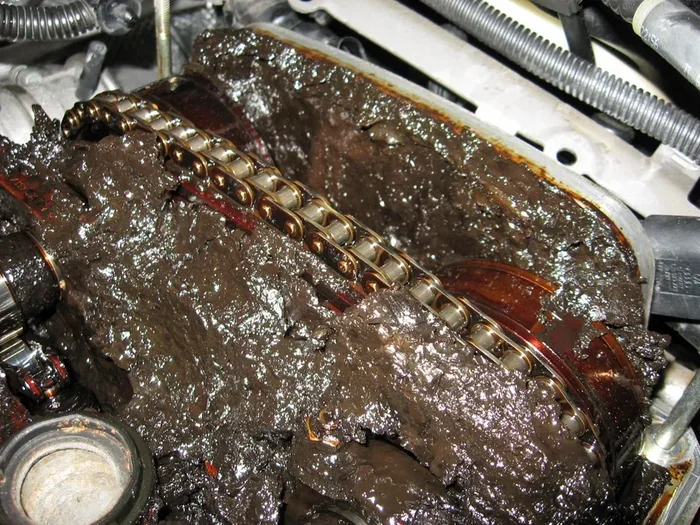
This is where things get serious. Old oil starts to form sludge. Sludge is a thick, tar-like substance that clogs oil passages and prevents oil from reaching critical engine components. Without proper oil flow, parts begin to grind and overheat.
At this stage, you are looking at potential engine damage. Bearings can wear out. Piston rings can fail. The oil pump might struggle to circulate the thick, degraded oil. Repair costs at this point can easily reach thousands of dollars. In the worst cases, the engine might seize entirely, requiring a full replacement.
Can You Add New Oil Instead of Changing It?
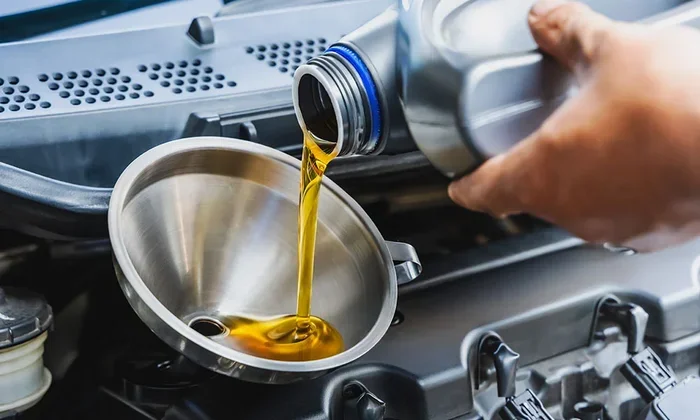
Some people wonder if they can just top off the oil instead of doing a full change. Adding fresh oil does help temporarily. It brings the level back up and adds some fresh additives. But it does not remove the old, contaminated oil and debris that have settled in the engine.
If you are low on oil and need to add some, you can learn more about safely adding oil in our guide on can I add oil to my car if it is low. But remember, topping off is not a substitute for a proper oil change.
How Much Does It Cost to Skip Oil Changes?
Skipping oil changes might seem like a money-saving move in the short term. But the long-term costs can be devastating. Let us put this into perspective with a simple comparison.
| Scenario | Cost | Risk Level |
|---|---|---|
| Regular oil changes every 5,000 miles | $150 to $300 per year | Low |
| Skipping 1 oil change interval | $0 saved, minor wear | Low to Moderate |
| Skipping 2 to 3 oil change intervals | $0 saved, moderate wear | Moderate |
| Never changing oil for 20,000+ miles | $0 saved, engine damage likely | High to Critical |
| Engine rebuild or replacement | $3,000 to $7,000+ | N/A (damage already done) |
The numbers speak for themselves. A few oil changes a year cost a fraction of what an engine repair or replacement would set you back. And if you are wondering about the cost of an oil change, you might be able to negotiate the price of an oil change at some shops, especially if you bring your own oil and filter.
How to Know When Your Oil Needs Changing
Modern vehicles give you several clues about when your oil needs attention. Learning to read these signs can save you from the consequences of going too long.
Check the Oil Dipstick
The dipstick is your best friend when it comes to monitoring oil health. Pull it out, wipe it clean, reinsert it, and pull it out again. Look at the color and level. Fresh oil is amber or light brown. Dark brown or black oil means it has been in there too long. If the oil feels gritty between your fingers, it is definitely time for a change.
Watch the Oil Life Monitor
Most modern vehicles have an oil life monitoring system. This system uses algorithms to estimate when your oil needs replacement based on your driving patterns. When the monitor drops to 15% or lower, it is time to schedule an oil change. Do not wait for it to hit zero.
Listen for Warning Sounds
Your engine will tell you when something is wrong. Knocking or ticking sounds from the engine bay often indicate that oil is not reaching the components that need lubrication. A louder-than-normal engine or a change in the sound of your idle are signs that should prompt you to check your oil immediately.
Pay Attention to Dashboard Warnings
Do not ignore the check engine light or the oil pressure warning light. These are designed to alert you to serious problems. If either light comes on, pull over safely and check your oil level. Driving with low or degraded oil can cause irreversible engine damage within a very short time.
Quick Tips for Keeping Your Oil in Good Shape
Keeping your engine oil in good condition does not have to be complicated. A few simple habits can make a big difference in the longevity of your engine.
- Check your oil level monthly. It only takes a couple of minutes and can catch problems early.
- Follow your manufacturer’s recommendation. Check your owner’s manual for the specific oil type and change interval for your vehicle.
- Use the right oil. Not all oils are the same. Using the correct viscosity and type for your engine matters more than you might think.
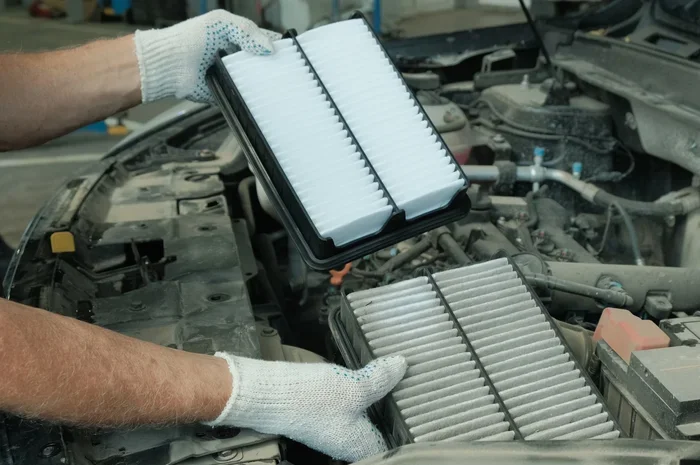
- Replace your oil filter every time. The filter traps contaminants. A clogged filter means dirty oil circulates through your engine.
- Keep a driving log. Track your mileage between oil changes. This helps you stay on schedule and spot patterns.
- Do not ignore severe driving conditions. If you frequently tow, drive in extreme heat or cold, or sit in heavy traffic, you may need to change your oil more often.
- Reset your oil life monitor after each change. If you are unsure how to do this, check out our guide on do you reset after an oil change for step-by-step instructions.
Common Mistakes People Make With Oil Changes
Even well-meaning car owners make mistakes when it comes to oil maintenance. Avoiding these common errors can save you time, money, and headaches.
Mistake 1: Only Adding Oil, Not Changing It
Topping off your oil between changes is a good practice, but it should never replace a full oil change. Old oil needs to be drained and replaced. Simply adding new oil mixes it with the old, degraded oil and does not remove the contaminants that have accumulated.
Mistake 2: Using the Wrong Oil
Every engine is designed to work with a specific oil viscosity and type. Using the wrong oil can lead to poor lubrication, reduced fuel efficiency, and increased wear. Always check your owner’s manual or consult a trusted mechanic before switching oil types.
Mistake 3: Ignoring the Oil Filter
The oil filter does the hard work of trapping contaminants. But a clogged or old filter can actually do more harm than good. Always replace the oil filter whenever you change your oil. It is a small cost that protects your engine in a big way.
Mistake 4: Relying Only on the Oil Life Monitor
Oil life monitors are helpful tools, but they are not infallible. They rely on algorithms that estimate oil condition based on driving patterns. If you drive in unusual conditions, the monitor might not give you an accurate reading. Use the monitor as a guide, but also trust your own observations and manual checks.
Expert Insight: The Real Cost of Never Changing Your Oil
Mechanics who have spent decades working on engines will tell you the same thing. Neglecting oil changes is the number one killer of engines. The cost of a routine oil change is one of the cheapest forms of car maintenance you can invest in. Skipping it is like skipping your annual physical checkup and then wondering why you end up in the emergency room.
Engine oil breaks down. It gets contaminated. It loses its ability to protect your engine. No matter how expensive or high-quality your oil is, it will eventually degrade. The only question is how quickly and how badly.
If you are currently past due on an oil change, do not panic. Go ahead and change the oil as soon as possible. The sooner you do it, the less damage has accumulated. And if you want to understand more about how oil life percentages work, check out our article on at what percent oil life should you change oil for a deeper dive into monitoring your oil condition.
Conclusion
So, how long will a car run if you never change the oil? It can run for a while, but at what cost? The answer is clear. Your car might keep rolling for thousands of miles on old oil, but every mile you push it increases the risk of serious, expensive engine damage. Oil degradation, sludge buildup, and increased friction are all inevitable consequences of skipping oil changes.
The best approach is simple. Stick to a regular oil change schedule based on your vehicle type, driving conditions, and oil quality. Check your oil level regularly. Watch for warning signs. And when in doubt, change your oil. A few hundred dollars spent on routine maintenance today can save you thousands tomorrow and keep your car on the road for years to come.
Your engine works hard every single day to get you where you need to go. The least you can do is give it the fresh oil it needs to keep running strong. Do not wait until it is too late. Schedule your next oil change today and give your engine the care it deserves.
Frequently Asked Questions
How long can a car run without an oil change?
Most cars can technically run 5,000 to 10,000 miles past the recommended oil change interval, but doing so risks engine damage. The exact mileage depends on your oil type, driving conditions, and vehicle model. Synthetic oils last longer than conventional oils, but all oil degrades over time and must eventually be replaced.
What happens if you never change your car’s oil?
Over time, oil breaks down and loses its ability to lubricate, cool, and clean your engine. This leads to increased friction, heat buildup, sludge formation, and eventually severe engine damage. In the worst case, the engine can seize and require a full replacement, which costs thousands of dollars.
Can I just add new oil instead of changing it?
Adding new oil temporarily raises the oil level and introduces fresh additives, but it does not remove the old, contaminated oil. Dirty oil and contaminants remain in the engine. A full oil change, which includes draining the old oil and replacing the filter, is the only way to properly maintain your engine.
How often should I change my oil?
Oil change intervals vary by vehicle and oil type. Conventional oil typically needs changing every 3,000 to 5,000 miles. Synthetic oil can last 7,500 to 10,000 miles or more. Always check your owner’s manual for the manufacturer’s recommendation and adjust based on your driving conditions.
Can you drive a car with low oil?
Driving with low oil is extremely risky. Low oil levels mean insufficient lubrication, which causes increased friction and heat. This can lead to rapid engine wear and catastrophic failure. If your oil is low, add the correct type of oil immediately and check for leaks. For more information, see our guide on how to tell if your car is low on oil.
Does synthetic oil last forever?
No. While synthetic oil lasts longer than conventional oil and handles extreme conditions better, it still degrades over time. The additives in synthetic oil break down, and contaminants accumulate. Even with full synthetic oil, you should follow the manufacturer’s recommended change interval and not push it indefinitely.