How Do I Know If My Fuel Injectors Need Cleaning
Dirty fuel injectors can cause rough idling, poor fuel economy, and engine misfires. Knowing how do i know if my fuel injectors need cleaning is essential for keeping your car running smoothly. This guide walks you through the warning signs, causes, and fix-it-yourself options so you can tackle the problem early.
Your car depends on fuel injectors to deliver the right amount of fuel to each cylinder at the right time. When those tiny nozzles get dirty or clogged, the whole engine suffers. You might notice rough idle, poor acceleration, or a sharp drop in fuel economy. But here is the thing, many car owners ignore the early warning signs until the problem gets worse. Understanding how do i know if my fuel injectors need cleaning can save you time, money, and a lot of frustration at the repair shop.
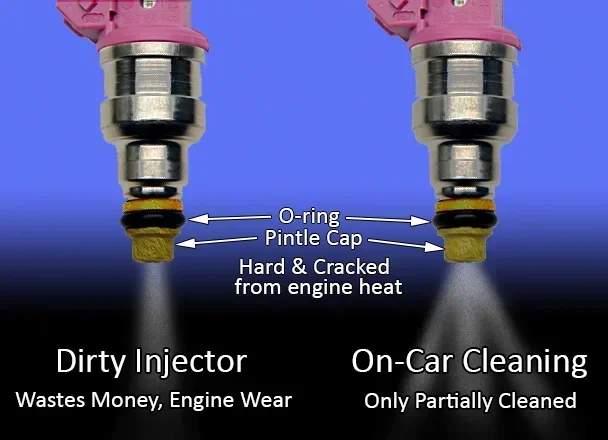
Fuel injectors are small but mighty components in your fuel delivery system. They spray a fine mist of fuel into the combustion chamber so the engine can burn it efficiently. Over time, carbon deposits, varnish, and dirt build up on the injector nozzles. This buildup restricts fuel flow and changes the spray pattern. The result is an engine that does not run as cleanly or efficiently as it should. The good news is that catching the problem early makes fixing it much easier.
Let us walk through the most common symptoms, what causes dirty injectors, and the best ways to clean them. Whether you are a DIY enthusiast or prefer leaving repairs to a mechanic, this guide has you covered.
Key Takeaways
- Rough idle and stalling: These are early signs that your fuel injectors may be clogged or dirty.
- Drop in fuel economy: If you are filling up more often, dirty injectors could be the culprit.
- Engine misfires: Clogged injectors disrupt fuel delivery, causing your engine to sputter or hesitate.
- DIY cleaning works for mild cases: Fuel injector cleaner additives can help restore performance in many situations.
- Professional cleaning is best for severe buildup: When symptoms are serious, a mechanic can do a deep clean that DIY methods cannot match.
- Prevention is simple: Using quality fuel and regular fuel filter changes keeps injectors healthy longer.
📑 Table of Contents
- Signs Your Fuel Injectors Are Dirty
- What Causes Fuel Injectors to Get Dirty
- How to Test If Your Fuel Injectors Need Cleaning
- DIY Fuel Injector Cleaning Methods
- Preventing Dirty Fuel Injectors
- Can Dirty Injectors Damage Your Engine?
- How Often Should You Clean Your Fuel Injectors?
- Cost of Fuel Injector Cleaning
- Final Thoughts on Fuel Injector Maintenance
Signs Your Fuel Injectors Are Dirty
Your car talks to you. It sends signals when something is off. The key is knowing what to listen for and what to look for. Here are the most common signs that your injectors need attention.
Rough Idle and Stalling
One of the first things you might notice is a rough idle. When you stop at a red light, does the engine feel shaky or uneven? A rough idle often points to an inconsistent fuel supply. Dirty injectors cannot spray fuel evenly, so some cylinders get too much fuel while others get too little. This imbalance makes the engine run rough. In worse cases, the engine might stall completely when you come to a stop.
If your car idles roughly, it is worth investigating. Sometimes the fix is as simple as a fuel system cleaner. But if the stalling continues, you may need a deeper inspection.
Poor Fuel Economy
Have you been filling up the tank more often than usual? A sudden drop in fuel economy is a red flag. When fuel injectors are clogged, they do not atomize fuel properly. Instead of a fine mist, they may dribble fuel into the combustion chamber. This means the fuel does not burn as efficiently. Your engine compensates by using more fuel to produce the same power.
Keep track of your miles per gallon. If you notice a consistent decline, dirty injectors could be the reason.
Engine Misfires and Hesitation
A misfiring engine feels like a stumble or a lag when you press the gas pedal. You might also notice hesitation during acceleration. This happens because a clogged injector delays or reduces fuel delivery to one or more cylinders. The engine timing gets thrown off, and you feel it in the way the car responds.
Engine misfires are not just annoying. They can also damage other parts of the engine over time if left unaddressed.
Check Engine Light
The check engine light can come on for many reasons. But one common cause is poor fuel injector performance. When the engine control unit detects irregular fuel delivery, it triggers the light. If the light comes on alongside any of the symptoms above, your injectors are a likely suspect.
You can use an OBD-II scanner to read the error codes. Codes like P0300 (random misfire) or P0171 (lean fuel mixture) often point to injector issues.
Strong Fuel Odor
If you smell fuel near the engine or inside the car, do not ignore it. A strong gasoline smell can mean that an injector is leaking or dripping excess fuel. A stuck or dirty injector might not close properly, allowing fuel to seep past. This is not just a smell issue. It is a safety concern and a waste of fuel.
What Causes Fuel Injectors to Get Dirty
Understanding the root causes helps you prevent the problem in the first place. Several factors contribute to dirty fuel injectors over time.
Low-Quality Fuel
Not all gasoline is created equal. Cheap fuel often contains more impurities and fewer detergents. Detergents in fuel help keep injectors clean by washing away deposits as you drive. When you use low-quality fuel, those deposits build up faster. Over time, this leads to clogging and poor performance.
This is one reason why many car owners swear by top-tier gasoline brands. They contain higher levels of detergent additives that protect the entire fuel system.
Short Trips and Stop-and-Go Driving
If you mostly drive short distances around town, your injectors may not reach full operating temperature. Short trips allow carbon deposits to accumulate on the injector tips. The fuel does not get hot enough to burn off the residue. Stop-and-go driving makes this worse because the engine spends a lot of time idling.
Regular highway driving actually helps keep injectors cleaner. The higher temperatures and sustained airflow burn off deposits more effectively.
Old Age and Wear
Fuel injectors are mechanical parts. They wear out over time. The seals degrade, the internal components get sluggish, and the spray pattern changes. Even with good fuel and regular maintenance, injectors eventually need cleaning or replacement as part of routine fuel system maintenance.
Clogged Fuel Filters
The fuel filter catches debris before it reaches the injectors. When the filter gets clogged, it restricts fuel flow and allows particles to pass through to the injectors. A dirty fuel filter puts extra strain on the injectors and shortens their lifespan. Replacing the fuel filter on schedule is a simple way to protect your injectors.
How to Test If Your Fuel Injectors Need Cleaning
You do not have to guess. There are several ways to check whether your fuel injectors are dirty or functioning properly.
Visual Inspection
A visual inspection starts with removing the intake manifold and accessing the injectors. Look for signs of carbon buildup around the injector tips. You can also check for fuel leaks, which indicate a worn seal or a damaged injector body. This method requires some mechanical knowledge, so it is best left to someone with experience.
Listen for Clicking Sounds
A healthy fuel injector makes a quiet clicking sound when it fires. You can use a mechanic’s stethoscope or even a long screwdriver placed against the injector body. If you do not hear clicking from one or more injectors, that injector may be stuck or clogged. This is a quick and easy test you can do at home.
Fuel Pressure Test
A fuel pressure test measures the output of your fuel pump and the consistency of fuel delivery. Low or fluctuating pressure often points to dirty or failing injectors. This test requires a fuel pressure gauge, which you can borrow from most auto parts stores. If the readings fall outside the manufacturer’s specifications, your injectors need attention.
Balance Test
A balance test compares the fuel output of each injector. The mechanic disconnects each injector one at a time and measures how much fuel each one delivers. If one injector delivers significantly less fuel than the others, it is likely clogged or dirty. This test gives a clear picture of injector health.
DIY Fuel Injector Cleaning Methods
For mild to moderate buildup, you can try cleaning your injectors yourself. Here are the most common DIY approaches.
Fuel Additive Cleaners
Fuel injector cleaner additives are the easiest and most affordable option. You pour the bottle into your gas tank before filling up. The cleaner mixes with the fuel and flows through the injectors as you drive. It dissolves carbon deposits and varnish buildup on the injector nozzles.
Look for cleaners that contain polyether amine (PEA) or polyisobutylene amine (PIBA). These are the most effective detergent ingredients. Brands like Chevron Techron, Red Line SI-1, and Lucas Fuel Treatment are popular choices.
Quick Tip: Run the cleaner through a full tank of top-tier gas for best results. The combination of the additive and quality fuel helps flush out deposits more effectively.
Ultrasonic Cleaning
Ultrasonic cleaning is a step up from additives. You remove the injectors from the engine and place them in an ultrasonic cleaning machine. The machine uses high-frequency sound waves to shake loose deposits from the injector surfaces. This method is more thorough than chemical additives and can restore spray patterns effectively.
You can find ultrasonic cleaning services at many auto parts stores or machine shops. It costs more than a simple additive but less than a full professional cleaning.
Manual Cleaning and Soaking
Some DIY enthusiasts prefer to remove the injectors and soak them in a cleaning solution. This involves disconnecting the fuel lines, removing the injectors, and soaking them in a carburetor or injector cleaner solution for several hours. After soaking, you rinse them thoroughly and reinstall.
This method works well for moderate buildup. However, it requires comfort with basic mechanical work and proper safety precautions. Always work in a well-ventilated area and follow the cleaner manufacturer’s instructions.
When to Use a Professional Cleaning Service
If DIY methods do not resolve the symptoms, it is time to see a professional. A mechanic can perform a professional fuel injector cleaning that reaches deep into the fuel system. They use specialized equipment like a fuel induction service machine that circulates cleaning solution through the intake and injectors while the engine runs.
Professional cleaning is also the right choice when injectors are severely clogged or physically damaged. Sometimes an injector needs to be replaced entirely rather than cleaned. A mechanic can test each injector and recommend the best course of action.
Preventing Dirty Fuel Injectors
Prevention is always easier and cheaper than cleaning or replacing. Here are simple steps to keep your injectors in good shape.
- Use quality fuel: Stick with top-tier gasoline brands that contain higher detergent levels. This is one of the easiest fuel system maintenance habits you can build.
- Add a fuel cleaner periodically: Use a fuel injector cleaner every 5,000 to 10,000 miles. This keeps deposits from building up between fill-ups.
- Replace the fuel filter regularly: Check your owner’s manual for the recommended replacement interval. A clean fuel filter protects the entire fuel delivery system.
- Drive on the highway regularly: Sustained highway driving helps burn off carbon deposits and keeps the fuel system running hot enough to stay clean.
- Address problems early: Do not ignore rough idle, misfires, or drops in fuel economy. The sooner you address the issue, the less damage it can cause.
If you are also curious about whether your car has features like Homelink compatibility, understanding your vehicle’s full capabilities helps you stay on top of maintenance and upgrades.
Can Dirty Injectors Damage Your Engine?
The short answer is yes. Dirty fuel injectors put extra stress on the engine. When fuel delivery is inconsistent, the engine runs lean or rich. Both conditions can cause overheating, increased emissions, and premature wear on engine components. Over time, neglected injectors can lead to more expensive repairs.
For example, running lean (too little fuel) can cause detonation, which damages pistons and connecting rods. Running rich (too much fuel) can foul spark plugs, damage the catalytic converter, and increase fuel consumption. Keeping your injectors clean is one of the simplest ways to protect your engine and extend its life.
Regular maintenance also includes checking other fluid levels. For instance, if you are low on oil, learn more about whether you can add oil to your car if it is low to keep everything running smoothly.
How Often Should You Clean Your Fuel Injectors?
Most manufacturers recommend cleaning fuel injectors every 30,000 to 60,000 miles. However, this interval depends on several factors. The type of fuel you use, your driving habits, and the age of your vehicle all play a role.
If you mostly drive in stop-and-go city traffic, you may need cleaning more often. If you use premium fuel and drive mostly on highways, you can stretch the interval a bit longer. Listen to your car. If you notice any of the symptoms discussed above, do not wait for the next maintenance schedule. Clean the injectors as soon as possible.
Keeping up with your vehicle’s maintenance schedule is also a great way to prevent larger issues down the road. If you are planning bigger changes, check out how to upgrade your vehicle for better overall performance.
Cost of Fuel Injector Cleaning
The cost varies depending on the method and severity of the buildup. Fuel additive cleaners cost between $10 and $30 per bottle and can treat one or more tanks of gas. Ultrasonic cleaning typically runs $50 to $150 per injector. Professional fuel induction cleaning services range from $100 to $300 depending on the shop and your vehicle type.
Replacing a fuel injector is the most expensive option, costing anywhere from $150 to $500 per injector including parts and labor. This is why early detection and regular cleaning are so important. A simple additive or professional cleaning costs a fraction of what a replacement would.
Final Thoughts on Fuel Injector Maintenance
Your fuel injectors play a huge role in how well your car runs. They control the precise delivery of fuel that keeps your engine firing smoothly. When they get dirty, the symptoms are hard to miss. Rough idle, poor fuel economy, misfires, and a check engine light are all clear signals that something is wrong.
The good news is that cleaning your fuel injectors does not have to be complicated or expensive. From simple fuel additives to professional cleaning services, you have options at every budget level. The key is catching the problem early and taking action before it causes bigger damage.
Stay on top of your fuel system maintenance. Use quality fuel, add a cleaner periodically, and replace your fuel filter on schedule. Your engine will thank you with better performance, improved fuel economy, and a longer lifespan. And remember, knowing how do i know if my fuel injectors need cleaning puts you ahead of most car owners. Trust your instincts, pay attention to what your car is telling you, and keep those injectors clean.
If you are also curious about fuel compatibility, you might want to read about whether you can use 87 octane gas in your Toyota to make sure you are using the right fuel for your engine.
Frequently Asked Questions
Can I drive my car with dirty fuel injectors?
You can drive with dirty injectors for a short time, but it is not recommended. Dirty injectors cause poor engine performance, reduced fuel economy, and can lead to more serious engine damage if left unchecked. Address the issue as soon as you notice symptoms.
How long does a fuel injector cleaning take?
A DIY additive cleaning takes just a few minutes to add to your tank. Professional cleaning services typically take one to two hours. Ultrasonic cleaning of removed injectors can take a few hours depending on the level of buildup.
Will fuel injector cleaner damage my engine?
No, fuel injector cleaners are safe for your engine when used as directed. They are specifically formulated to dissolve carbon deposits without harming engine components. Just make sure to use a reputable brand and follow the instructions on the label.
How much does professional fuel injector cleaning cost?
Professional fuel induction cleaning typically costs between $100 and $300. The price depends on your vehicle type, the shop, and the severity of the buildup. It is much cheaper than replacing a damaged injector, which can cost several hundred dollars per unit.
Can I clean fuel injectors without removing them?
Yes, fuel additive cleaners and some professional fuel induction services clean injectors without removing them from the engine. These methods circulate cleaning solution through the fuel system while the engine runs. They are effective for mild to moderate buildup.
What is the difference between a fuel filter and a fuel injector?
The fuel filter catches debris and impurities before they reach the injectors. The fuel injector sprays fuel into the combustion chamber in a fine mist. Both are essential parts of the fuel delivery system, and keeping both clean ensures optimal engine performance.
=== CONCLUSION ===
Knowing how do i know if my fuel injectors need cleaning is a valuable skill for any car owner. The symptoms are clear once you know what to look for. Rough idle, poor fuel economy, engine misfires, and a check engine light are your car’s way of telling you something is wrong. Whether you choose a simple fuel additive, an ultrasonic cleaning service, or a professional fuel induction cleaning, taking action early saves you money and protects your engine.
Keep up with regular fuel system maintenance. Use quality fuel, replace your fuel filter on time, and listen to what your car is telling you. A little attention goes a long way toward keeping your vehicle running strong for years to come.