How Do I Know How Much PSI Is in My Tire Right Now
Knowing your tire PSI is one of the easiest ways to stay safe and save money on fuel. You can check your tire pressure using a simple gauge, your vehicle’s TPMS dashboard light, or the recommended PSI listed on the driver’s side door jamb. Keeping your tires at the right pressure improves handling, extends tire life, and boosts fuel efficiency.
Have you ever wondered, “how much PSI is in my tire right now?” It is a simple question with big consequences. Your tire pressure affects everything from safety to fuel costs. Yet most drivers ignore their tires until something goes wrong. A flat tire, poor handling, or a sudden TPMS warning light can all point back to one root cause: incorrect tire pressure.
The good news is checking your PSI is fast, free, and something anyone can do at home. You do not need to be a mechanic. With just a basic tire pressure gauge and a few minutes of your time, you can know exactly what your tires are reading. This guide walks you through every method, every tool, and every tip you need to stay on top of your tire pressure.
Whether you are a new car owner or have been driving for years, understanding your tire PSI is essential. Properly inflated tires make your car handle better, stop shorter, and last much longer. They also help you save money at the pump. Let us dive into everything you need to know about checking and maintaining the right tire pressure for your vehicle.
Key Takeaways
- Check your tire PSI monthly: Tires lose about 1 PSI per month naturally, so regular checks keep you safe.
- Use the driver’s door jamb sticker: This is the most accurate source for your vehicle’s recommended PSI.
- Don’t rely only on the TPMS light: By the time the light comes on, your tire is already significantly underinflated.
- A digital tire gauge is affordable and accurate: You can pick one up for under $15 at any auto store.
- Check PSI when tires are cold: Driving heats up the air inside tires and gives a falsely high reading.
- Underinflated tires waste fuel: Even a few PSI low can reduce your gas mileage by up to 3%.
- Fix leaks promptly: A slow leak can drain your tire over days or weeks without you noticing.
📑 Table of Contents
Why Tire PSI Matters So Much
Tire PSI stands for pounds per square inch. It measures how much air is inside your tire. Every vehicle has a specific PSI range that the manufacturer recommends. Staying within that range is not just a suggestion. It directly impacts your safety, your wallet, and the life of your tires.
Safety on the Road
Underinflated tires are dangerous. They flex more than they should, which builds up heat. Over time, that heat can cause a blowout. According to the National Highway Traffic Safety Administration, tire failures contribute to thousands of crashes every year. Many of those failures trace back to low tire pressure.
Overinflated tires are risky too. They have a smaller contact patch with the road. That means less grip, especially on wet surfaces. Your stopping distance increases, and cornering feels unstable. Neither extreme is safe, which is why knowing your exact PSI matters so much.
Fuel Economy and Tire Wear
Did you know that underinflated tires can lower your fuel economy by up to 3%? That might not sound like much, but it adds up over months of driving. Tires with low PSI create more rolling resistance. Your engine has to work harder, which burns more gas.
Tire wear is another big concern. Underinflated tires wear out the outer edges of the tread faster. Overinflated tires wear down the center of the tread. Either way, you end up replacing tires sooner than you should. A set of new tires can cost several hundred dollars. A simple PSI check can help you avoid that expense.
How to Check Your Tire PSI With a Gauge
The most reliable way to know your tire pressure is with a tire pressure gauge. These small tools are inexpensive and easy to use. You can find them at any auto parts store, gas station, or online. There are three main types to choose from.
Types of Tire Pressure Gauges
Digital tire gauges give you a quick, easy-to-read number on an LCD screen. They are the most popular choice for everyday drivers. Most digital gauges cost between $10 and $25. They are accurate and do not require any effort to read.
Pencil-style gauges are the slim, pen-shaped tools you often see at gas stations. They are very affordable and pocket-sized. The downside is they can be slightly less accurate than digital versions. The small plastic tube sometimes sticks, giving a false reading.
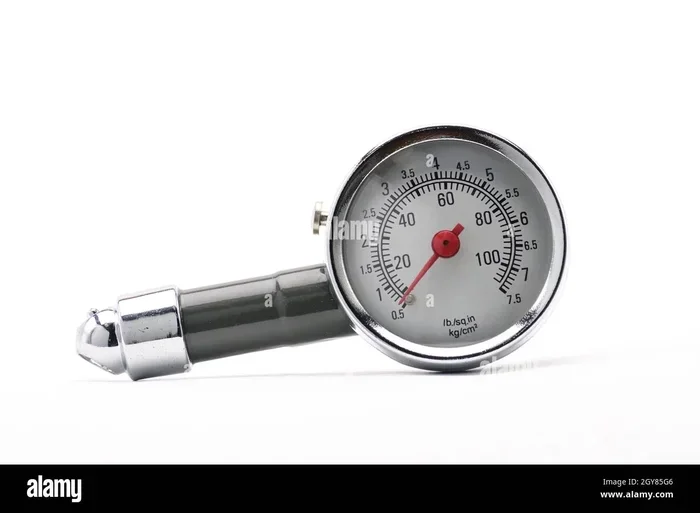
Dial gauges look like a small clock face with a needle. They are more accurate than pencil gauges and very durable. However, they are bulkier and a bit more expensive. These are great for someone who wants precision and plans to check tires regularly.
Step-by-Step: Checking Your PSI
Follow these simple steps to get an accurate reading every time:
- Remove the valve cap from the tire’s valve stem.
- Press the gauge firmly onto the valve stem.
- Hold it steady and wait for the reading to stabilize.
- Read the number on the gauge display or scale.
- Compare the number to your vehicle’s recommended PSI.
- Add air or let some out as needed.
- Replace the valve cap when you are done.
It takes less than two minutes per tire once you get the hang of it. Make this a habit, and you will never have to wonder about your tire pressure again.
Where to Find Your Vehicle’s Recommended PSI
Every vehicle has a specific PSI recommendation from the manufacturer. You need to find this number before you can know if your tires are properly inflated. There are two main places to look.
The Driver’s Side Door Jamb
Open your driver’s door and look at the frame or the door itself. You will see a sticker or a small metal plate. This sticker lists the recommended tire pressure for both the front and rear tires. It also shows the recommended tire pressure for different load conditions. This is the most reliable source for your specific vehicle.
Do not use the number printed on the tire sidewall. That number is the maximum pressure the tire can handle, not the pressure your vehicle needs. Using the tire sidewall number can actually lead to overinflation, which causes an uncomfortable ride and uneven wear.
The Vehicle Owner’s Manual
Your owner’s manual also lists the recommended tire pressure. If you have misplaced the paper manual, many manufacturers publish digital versions on their websites. Simply search for your vehicle make, model, and year, and you can find the specifications online.
Using the TPMS to Monitor Tire Pressure
Most modern vehicles come equipped with a Tire Pressure Monitoring System, commonly known as TPMS. This electronic system keeps an eye on your tire pressure and alerts you when something is off. It is a helpful feature, but it has limitations you should understand.
How TPMS Works
Each tire has a sensor, usually located inside the tire near the valve stem. This sensor measures the air pressure and sends a signal to your car’s computer. If the pressure drops below a certain threshold, the TPMS light on your dashboard illuminates. The light usually looks like a horseshoe shape with an exclamation point in the center.
Limitations of TPMS
Here is the important part. The TPMS light does not come on for small pressure drops. It typically triggers when tire pressure is 25% or more below the recommended level. By the time that light comes on, your tire is already significantly underinflated. You should not rely on the TPMS light as your only method of checking pressure.
Some vehicles show a digital PSI reading for each individual tire on the dashboard display. This is much more helpful than the simple warning light. If your car has this feature, use it regularly to monitor all four tires. But even with a digital TPMS display, a manual check with a gauge at least once a month is still a good practice.
TPMS Sensor Replacement
TPMS sensors have batteries that eventually die. When a sensor battery fails, the system may give inaccurate readings or trigger a persistent warning light. If you notice your TPMS light staying on even after you inflate your tires, a sensor battery replacement might be needed. You can fix your own tire pressure sensor in many cases, which saves you a trip to the shop.
What Happens When Tire PSI Is Wrong
Driving with incorrect tire pressure affects your vehicle in several ways. Understanding these effects can motivate you to check your PSI regularly.
Underinflated Tires
Underinflated tires are the most common problem drivers face. They cause the tire to bulge outward on the sides. This creates more surface area touching the road, which leads to overheating. The tread wears out faster on the outer edges of the tire.
Signs your tire might be underinflated include:
- A soft or spongy feel when turning the steering wheel
- The TPMS warning light coming on
- Reduced fuel efficiency
- Visible sagging or bulging on the tire sidewall
- The car pulling to one side
Overinflated Tires
Overinflated tires are stiffer than they should be. The center of the tread bears most of the weight. This causes the center to wear down much faster than the outer edges. Overinflated tires also provide a harsher ride because they absorb less road vibration.
Signs of overinflation include a harsh ride, excessive wear in the center of the tread, and reduced traction on wet roads. If you ever accidentally overinflate a tire, you can release a small amount of air by pressing the small pin inside the valve stem.
Quick Tips for Maintaining Proper Tire Pressure
Keeping your tires at the right PSI does not have to be complicated. A few simple habits make a huge difference. Here are some practical tips that every driver should follow.
Check Your Tires When They Are Cold
Always check your tire pressure in the morning before you drive, or at least three hours after your last trip. Driving heats up the air inside the tire, which raises the PSI reading. A warm tire can show a reading 3 to 5 PSI higher than the actual cold pressure. Checking cold gives you the most accurate number.
Keep a Tire Gauge in Your Glove Box
Do not wait until you are at a gas station to check your pressure. Gas station air pumps are often inaccurate, and the gauge on the machine may not be well maintained. Having your own gauge means you can check anytime, anywhere. A small digital gauge fits easily in your glove box or center console.
Check All Four Tires and the Spare
It is tempting to only check the tires that look low. But all four tires should be checked every time. The spare tire in your trunk also loses air over time. You do not want to discover a flat spare when you need it most.
Invest in a Portable Air Compressor
A small 12-volt air compressor that plugs into your car’s cigarette lighter is a game changer. You can top off your tires at home or anywhere else. This eliminates the need to find a gas station air pump. Many portable compressors cost under $30 and are worth every penny.
Don’t Forget the Valve Stems
Valve stems are the small protrusions on your wheels where you attach the air hose. Over time, the rubber can crack and dry out, causing slow leaks. If you notice a tire losing air frequently, the valve stem might be the culprit. Replacing a valve stem is inexpensive and takes just a few minutes.
Seasonal Changes Affect PSI
Air pressure inside tires drops as temperatures fall. For every 10-degree drop in temperature, your tire loses about 1 PSI. This means your tires may be underinflated during winter months even if they were fine in summer. Make it a habit to check more frequently when the seasons change.
Understanding how much PSI is in your tire is a fundamental part of car ownership. It takes just a few minutes and a tool that costs less than a coffee. The benefits, however, last all year long. You will drive safer, save on fuel, and get more life out of your tires. Make tire pressure checks a regular part of your car care routine, and your vehicle will thank you.
Whether you prefer a digital gauge, a pencil gauge, or your car’s TPMS display, the key is consistency. Check often, stay within the recommended range, and address any leaks quickly. Your tires are the only part of your car that touches the road. Treating them well pays off in safety, comfort, and savings.
Remember that proper tire pressure also ties into your overall vehicle maintenance. If you are ever unsure about your tire pressure specifications or need help with other vehicle questions, resources like knowing your vehicle’s weight capacity or understanding your TPMS system can help you become a more informed driver. Stay proactive with your tire care, and you will enjoy a smoother, safer ride every time you hit the road.
Frequently Asked Questions
What is the normal PSI for a car tire?
Most passenger cars recommend a tire pressure between 30 and 35 PSI. However, the exact number varies by vehicle. Always check the sticker on your driver’s side door jamb or your owner’s manual for the specific recommendation for your car.
How often should I check my tire PSI?
You should check your tire pressure at least once a month. Tires naturally lose about 1 PSI per month. You should also check before long road trips and whenever the seasons change significantly, as temperature swings affect air pressure inside tires.
Can I drive with the TPMS light on?
You should not drive with the TPMS light on for extended periods. The light means at least one tire is significantly underinflated, which can be unsafe. Pull over and check your tire pressure as soon as possible. If you are near a gas station, add air to reach the recommended PSI.
Do I need a special gauge to check tire PSI?
No, you do not need anything special. A basic digital or pencil-style tire pressure gauge costs between $10 and $25 and works perfectly well. You can find them at any auto parts store, gas station, or online retailer. A digital gauge is the easiest to read and most accurate for everyday use.
Why does my tire keep losing air?
A tire that loses air slowly may have a small puncture, a leaking valve stem, or a poor seal between the tire and the rim. If you notice your tire losing more than 1 PSI per month, inspect it closely. You can often fix a slow leak yourself or have a tire shop repair it affordably.
Is it safe to fill tires to the max PSI on the tire sidewall?
No, you should never fill your tires to the maximum PSI listed on the tire sidewall. That number is the absolute maximum the tire can handle, not the pressure your vehicle needs. Overinflating your tires leads to a harsh ride, reduced traction, and uneven center tread wear. Always use the recommended PSI from your door jamb sticker or owner’s manual.