How Can I Get My Key Out of the Ignition Right Now
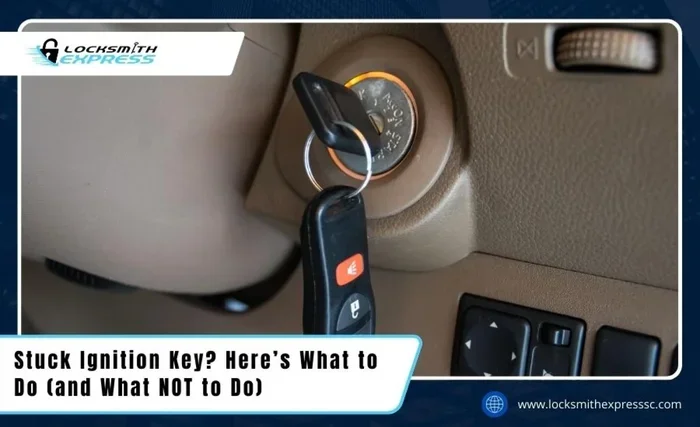
Getting your key stuck in the ignition is frustrating, but it happens to many drivers. This guide walks you through simple fixes to remove your key safely, explains why keys get stuck, and shares expert tips to prevent it from happening again. Whether you have a traditional key or a push-button start, you will find practical solutions to get your key out of the ignition right now.
You turn the key, the engine dies, and now the key will not come out of the ignition. Sound familiar? This is one of those moments that can throw off your entire day. You stand there, tugging gently, then a little harder, wondering if you are about to break something expensive. You are not alone. Millions of drivers face a stuck ignition key at some point, and the good news is that most of the time, it is a simple problem with a straightforward fix.
This guide will show you exactly how to get your key out of the ignition without causing damage. We will cover the most common reasons keys get stuck, give you step-by-step removal methods, and share tips to keep this from happening again. Whether you drive a sedan, SUV, or truck, these solutions work across most vehicle types. Let us get your key free.
Key Takeaways
- Steering wheel lock is the most common cause of a key stuck in the ignition and is easy to fix.
- Never force the key out — this can break it inside the ignition cylinder.
- A dead key fob battery can prevent proper ignition release on modern vehicles.
- Parking on a slope can put pressure on the transmission and lock the key in place.
- Regular maintenance and the right lubricant can prevent ignition problems.
- Knowing when to call a locksmith can save you time and money.
📑 Table of Contents
Why Does Your Key Get Stuck in the Ignition?
Before we dive into fixes, it helps to understand what is causing the problem. Knowing the root cause makes the solution much easier to find. There are several common reasons a key gets stuck in the ignition, and most of them are simple to address.
The Steering Wheel Lock
This is the number one reason keys get stuck. When you turn off your car and remove the key, the steering wheel can lock into place. The steering lock mechanism then engages with the ignition lock, physically preventing the key from turning or coming out. It is a safety feature designed to deter thieves, but it can be incredibly annoying when it works against you.
If you try to pull the key out while the steering wheel is locked, you will feel resistance. The key will not budge. This happens to almost every driver at some point. The good news is that releasing the steering lock is usually very easy.
A Dead Key Fob Battery
On modern vehicles with push-button start or smart key systems, a dead key fob battery can cause all sorts of problems. If the car does not recognize the key fob, it may not allow the key to release from the ignition. This is especially common in vehicles that rely on proximity detection. When the battery in your fob dies, the system thinks the key is not present and locks up.
If you have been driving and suddenly notice the key will not come out, check the fob battery first. It is a quick and easy fix that many people overlook. You can always drive your car with a low key battery for a short distance, but once the battery dies completely, you may run into issues like this.
Ignition Switch Problems
The ignition switch is the mechanism inside the steering column that controls the electrical connection to your vehicle. Over time, these switches can wear out or become misaligned. When this happens, the key may not fully rotate to the off position, which prevents it from being removed. Ignition switch problems are more common in older vehicles with higher mileage.
You might notice other signs of a failing ignition switch, such as flickering dashboard lights or intermittent starting problems. If the switch is the issue, you will want to address it before it leaves you stranded.
Transmission Not in Park
Many automatic transmission vehicles have a safety feature that prevents the key from being removed unless the transmission is in Park. If your shifter is slightly out of position, the car thinks you are still in Drive or Reverse, and it will not release the key. This is a safety mechanism, but it can be confusing when you are standing at the parking lot with a stuck key.
This often happens when you park on a hill or slope. The weight of the vehicle shifts the shifter slightly out of the Park position. Always make sure you press the brake pedal firmly and confirm the shifter is fully in Park before trying to remove the key.
Worn or Damaged Key
A key that has been used thousands of times over the years can wear down. The ridges on the key become smooth, and it no longer aligns perfectly with the ignition cylinder. A worn key can get stuck, feel stiff, or refuse to turn fully to the off position. If your key looks bent, scratched, or thinner than it used to be, it may be time for a replacement.
Using the wrong key is another common issue. If you have multiple keys for different vehicles, it is easy to grab the wrong one by mistake. Always double-check that you are using the correct key for your vehicle.
How to Get Your Key Out of the Ignition Right Now
Now that you know the common causes, let us walk through the actual steps to remove your key. These methods work for most vehicles and require no special tools. Try them in order, starting with the simplest solutions.
Method 1: Release the Steering Wheel Lock
This is the first thing you should try, and it solves the problem most of the time.
- Do not pull on the key. Leave it alone.
- Gently wiggle the steering wheel left and right. You want to feel for a slight give.
- While wiggling the wheel, try turning the key with your other hand.
- The steering lock should release, and the key will turn freely.
- Once the key turns to the off position, gently pull it out.
This simple trick works because you are releasing the mechanism that is physically blocking the key. It takes just a few seconds once you know what to do.
Method 2: Check the Transmission Position
If the steering wheel release does not work, check your shifter.
- Keep your foot firmly on the brake pedal.
- Move the shifter fully into Park.
- Listen for a click or feel the shifter engage.
- Try removing the key again.
Some vehicles have a small release button near the shifter. If your shifter seems stuck between positions, press this button and move the shifter to Park. Then try removing the key.
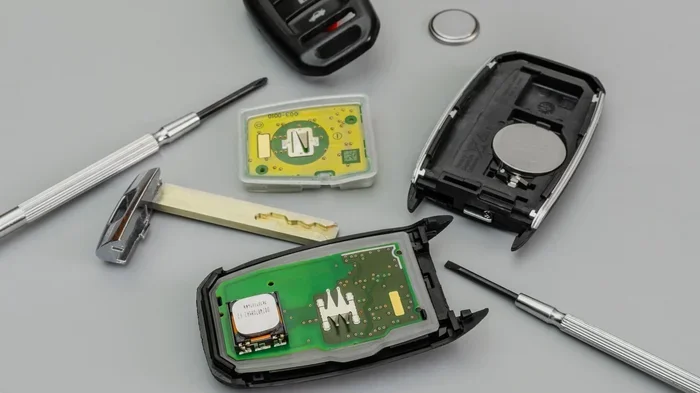
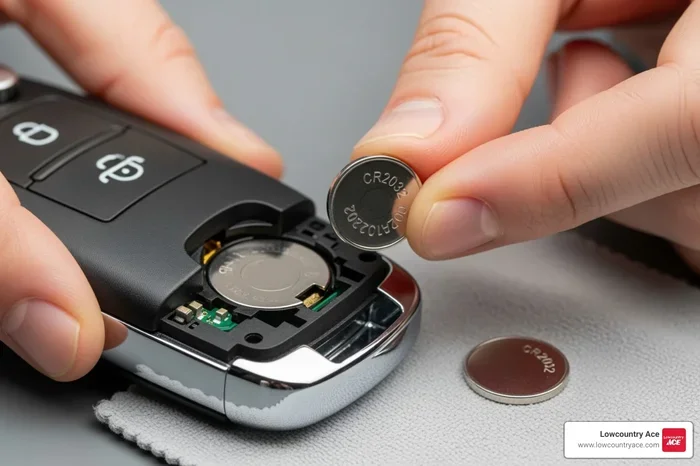
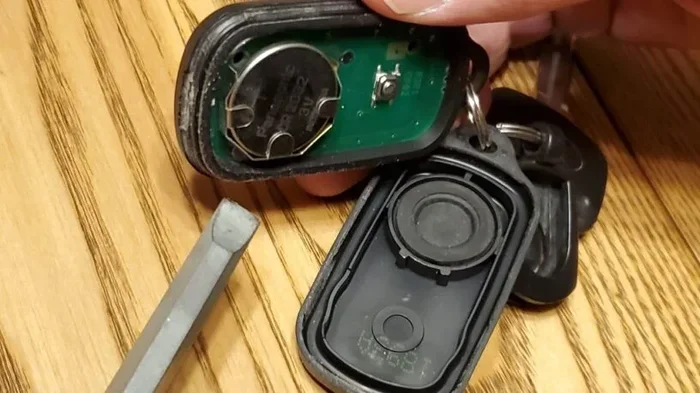
Method 3: Replace the Key Fob Battery
If you drive a vehicle with a push-button start or smart key system, a dead fob battery might be the culprit.
- Check your dashboard for a fob battery warning light.
- Replace the battery in your key fob with a fresh CR2032 or equivalent battery.
- Hold the fob close to the start button and try starting the car again.
- Once the car recognizes the fob, try removing the key.
You can also try placing the dead fob directly against the start button. Many vehicles have a backup reader that can detect the fob even with a dead battery. This is a handy trick to know, especially if you are away from home and cannot get a new battery right away.
Method 4: Jiggle the Key While Turning
Sometimes the key just needs a little encouragement to turn fully.
- Insert the key fully into the ignition.
- Gently jiggle the key up and down while applying light turning pressure.
- Try turning the key to the off position.
- Once it turns, pull the key straight out.
The key is that simple movement combined with a small amount of pressure. Be gentle. If the key feels like it is grinding or catching, stop and try a different approach. Forcing it can make things worse.
Method 5: Use a Lubricant on the Ignition Cylinder
If the key feels stiff or gritty, the ignition cylinder may need lubrication.
- Use a dry graphite lubricant or a silicone-based spray.
- Spray a small amount into the ignition cylinder.
- Insert the key and work it in and out several times.
- The lubricant should loosen any debris or rust inside the cylinder.
- Try removing the key again.
Avoid using WD-40 or oil-based lubricants for this purpose. These can attract dirt and gum up the ignition cylinder over time. Graphite is the best choice because it stays dry and does not create buildup.
What to Do If the Key Breaks Inside the Ignition
This is a nightmare scenario, but it happens more often than you might think. A key that is worn or weakened can snap inside the ignition cylinder. If this happens to you, stay calm. You have options.
Do Not Panic
The first thing to do is stop trying to pull out the broken key. Yanking on it can push the broken piece further in or damage the ignition cylinder. Take a deep breath and assess the situation.
Try to Extract the Broken Piece
If part of the key is still sticking out, you may be able to pull it out with a pair of needle-nose pliers. Go slowly and gently. If the broken piece is flush with the surface, do not force it. You will need professional help.
Call a Locksmith
A locksmith can extract a broken key from the ignition without damaging the cylinder. This is usually a quick and affordable job. Most locksmiths can come to your location, which is especially helpful if you are stranded somewhere.
After the broken key is removed, you will need a new key cut. If you have a spare, you are all set. If not, a locksmith or dealership can cut a new key for you. The ignition repair cost for a broken key extraction is typically much lower than replacing the entire ignition cylinder.
Can You Start an Ignition Without a Key?
If you have completely lost your key or the key is broken beyond use, you may wonder how to start your car. The answer depends on your vehicle. Many modern cars with push button start can still be started using the key fob directly against the start button. Some vehicles also have a backup ignition slot hidden under a cover plate. You can also start an ignition without a key in certain situations, but this should only be done by a professional to avoid damaging your vehicle.
How to Prevent Keys From Getting Stuck in the Ignition
Prevention is always better than cure. Here are some simple habits that can keep your key from getting stuck in the ignition in the first place.
Turn the Steering Wheel Before Removing the Key
Make it a habit to release the steering lock before you remove the key. Wiggle the wheel slightly while turning the key to the off position. This prevents the lock from engaging and holding the key in place.
Keep Your Key in Good Condition
Inspect your key regularly. If you notice wear, bending, or damage, get a replacement made. A well-maintained key works smoothly in the ignition and lasts much longer. You can get a spare key cut at most hardware stores or locksmiths for a small fee.
Use the Right Lubricant
A little graphite lubricant applied to the key and ignition cylinder once or twice a year can prevent sticking and stiffness. This is especially helpful in climates with extreme temperatures or high humidity.
Park on Level Ground
When you park, try to do so on flat, level ground. Parking on a slope puts extra pressure on the transmission and shifter, which can prevent the key from releasing. If you must park on a hill, turn your wheels toward the curb and make sure the shifter is fully in Park before removing the key.
Replace the Key Fob Battery on Schedule
Do not wait for the fob battery to die completely. Most key fob batteries last about two years. Mark your calendar or set a phone reminder to replace the battery proactively. This simple habit prevents many ignition-related headaches.
When to See a Professional
Most ignition key problems can be solved at home with the methods described above. However, there are times when you should call in a professional. If you have tried all the steps and the key still will not come out, it is time to seek help. Similarly, if the key is broken inside the ignition, a locksmith is your best option.
Other signs that you need professional help include:
- The key feels like it is grinding or catching inside the cylinder.
- The ignition switch feels loose or wobbly.
- You notice electrical issues, such as flickering dashboard lights or non-functioning accessories.
- The vehicle will not start even with a properly working key.
A qualified mechanic or locksmith can diagnose the problem quickly and recommend the right repair. Ignoring ignition problems can lead to more serious issues, including a vehicle that will not start at all. The ignition repair cost for a simple fix is usually quite affordable, especially compared to the cost of replacing a damaged ignition cylinder.
Also, keep in mind that some vehicles have specific quirks. If you drive a Toyota, you may want to check whether you can take your Toyota to any dealership for service or if you need to visit a specific dealer. Similarly, if you have a Lexus, you might wonder whether you can get your Lexus oil change at a Toyota dealership for convenience. These are separate issues, but they highlight the importance of knowing your vehicle and its service options.
Quick Tips for Common Ignition Problems
- Key feels stiff: Apply graphite lubricant and work the key in and out gently.
- Key will not turn to off: Release the steering wheel lock first.
- Key will not come out: Make sure the shifter is fully in Park.
- Smart key not recognized: Replace the fob battery or hold the fob against the start button.
- Key is worn: Get a replacement key cut before it breaks inside the ignition.
- You are locked out: Call a licensed locksmith for emergency help.
These quick tips can save you time and frustration. Bookmark this section for the next time you run into an ignition problem.
Key Takeaways
- Steering wheel lock is the most common cause of a key stuck in the ignition and is easy to fix.
- Never force the key out — this can break it inside the ignition cylinder.
- A dead key fob battery can prevent proper ignition release on modern vehicles.
- Parking on a slope can put pressure on the transmission and lock the key in place.
- Regular maintenance and the right lubricant can prevent ignition problems.
- Knowing when to call a locksmith can save you time and money.
Getting your key out of the ignition does not have to be stressful. Most of the time, it is a simple mechanical issue that you can fix in under a minute. Start with the steering wheel release and work your way through the methods in this guide. If the key is broken or nothing works, a locksmith can help quickly and affordably. Keep your keys in good shape, maintain your ignition, and you will rarely have to deal with this problem again.
Remember that understanding your vehicle goes a long way. If you ever wonder whether you can drive your car with a low key battery, the answer is usually yes for a short distance. But once the battery dies completely, you may face issues like a key that will not release from the ignition. Staying ahead of these small problems keeps you on the road and out of trouble.
Finally, if you are dealing with a key that simply will not cooperate, do not force it. Take a step back, try the methods above, and reach out to a professional if needed. A calm approach will always get better results than a panicked yank. You can get your key out of the ignition — you just need the right approach.
Frequently Asked Questions
Why won’t my key come out of the ignition?
The most common reason is a locked steering wheel. When the steering wheel locks, it engages with the ignition lock and prevents the key from turning or being removed. Try wiggling the steering wheel gently while turning the key to release the lock.
Can a dead key fob battery cause the key to get stuck?
Yes, especially in vehicles with push-button start or smart key systems. If the car does not recognize the key fob, it may not allow the key to release from the ignition. Replacing the fob battery usually solves this problem quickly.
Is it safe to pull a stuck key out forcefully?
No, you should never force a stuck key out. This can bend or break the key inside the ignition cylinder, which is a much more serious and expensive problem. Always try gentle methods first, such as releasing the steering lock or checking the shifter position.
What should I do if my key breaks inside the ignition?
Do not try to pull out the broken piece yourself. Stop immediately and call a locksmith. A professional can safely extract the broken key without damaging the ignition cylinder and can cut you a new key if needed.
How can I prevent my key from getting stuck in the ignition?
Release the steering wheel lock before removing the key, keep your key in good condition, use graphite lubricant in the ignition cylinder, park on level ground, and replace your key fob battery on a regular schedule. These simple habits prevent most ignition problems.
Can I drive my car if my key fob battery dies?
In most modern vehicles, you can still drive for a short distance with a dead key fob battery. However, once the battery dies completely, you may experience issues such as the key not releasing from the ignition. It is best to replace the fob battery as soon as you notice it is low.