How to Get Rid of the TPMS Light Without Visiting a Mechanic
The TPMS light can be frustrating, but you do not always need a mechanic to turn it off. This guide walks you through easy TPMS light reset methods, common causes, and DIY fixes anyone can do at home. You will learn how to reset TPMS light issues quickly and keep your tires in great shape.
That little yellow horseshoe-shaped icon on your dashboard just popped on, and now you are staring at it like it is the scariest thing in the world. Relax. It is the TPMS light, and it happens to almost every driver at some point. The good news? You can often fix it yourself without ever stepping foot in a repair shop.
In this guide, we will walk you through everything you need to know about the tire pressure monitoring system, why your TPMS warning light comes on, and exactly how to reset TPMS light problems in minutes. Whether you are dealing with low tire pressure after a cold night or a stubborn sensor that just will not cooperate, we have you covered. Let us get your dashboard looking clean again.
Key Takeaways
- DIY Reset Works: Most TPMS light issues can be fixed at home with a simple reset.
- Low Pressure Is the #1 Cause: Checking tire pressure first saves time and money.
- Battery Replacement Matters: A dead TPMS sensor battery triggers the warning and needs replacement.
- Tools Are Affordable: A TPMS reset tool costs under $30 and works in minutes.
- Prevention Is Easy: Regular tire pressure checks keep the light off for good.
- Know When to Call a Pro: Some TPMS malfunction issues need professional help.
📑 Table of Contents
What Is a TPMS Light and Why Does It Come On?
The TPMS light is part of your car’s tire pressure monitoring system. This system uses small sensors inside each wheel to check the air level in your tires. When the pressure drops too low or rises too high, the dashboard indicator lights up to warn you.
Think of it as your car telling you, “Hey, check your tires!” It is actually a really helpful feature. Tire pressure affects everything from fuel economy to safety. Driving on underinflated tires wears them out faster and can even lead to blowouts. So that little yellow light is trying to protect you.
How Does the Tire Pressure Monitoring System Work?
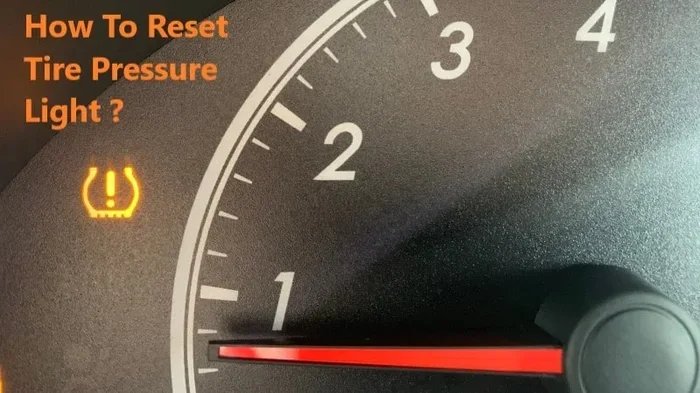
Each wheel has a TPMS sensor attached to the valve stem. This sensor measures the air pressure inside the tire and sends the data to your car’s computer. If the pressure falls below the recommended level, the TPMS light turns on. Some cars show a flat tire icon, while others display a horseshoe shape with an exclamation mark in the center.
The system is pretty smart. It can detect even small changes in pressure. That means it catches problems early, before they become dangerous or expensive. Most vehicles recommend keeping tire pressure between 30 and 35 PSI, but always check your owner’s manual for the exact tire pressure recommended for your car.
Common Reasons Your TPMS Light Is On
Before you try to reset TPMS light issues, it helps to know what is causing them. Here are the most common reasons the TPMS warning light shows up on your dashboard.
1. Low Tire Pressure
This is the number one reason. A slow leak, a puncture, or even changes in weather can cause tire pressure to drop. Cold mornings are especially tricky because the air inside the tire contracts, lowering the pressure. If you notice the light comes on more in winter, this is likely why.
Quick fix: Use a tire pressure gauge to check each tire. If one is low, add air until it reaches the tire pressure recommended level listed on the driver’s side door jamb. Once the pressure is right, the light usually turns off on its own after a short drive.
2. Rapid Air Loss
If you just hit a pothole or ran over a sharp object, a tire can lose air fast. The TPMS sensor picks up on this immediately and triggers the TPMS light. In this case, you should inspect the tire visually for any damage or embedded objects like nails or screws.
3. Temperature Changes
Did you know that a 10-degree drop in temperature can lower your tire pressure by about 1 PSI? This is because the air inside the tire contracts in the cold. If you drive from a warm garage into a freezing morning, the TPMS light might flicker on temporarily.
4. TPMS Sensor Battery Failure
The sensors inside your wheels run on small batteries that last about 5 to 10 years. When the battery dies, the TPMS sensor cannot send data, and the TPMS warning light comes on. This is a very common reason for the light, especially in older vehicles.
5. TPMS Malfunction After Tire Service
Sometimes the light comes on after you get new tires, rotated tires, or replaced a valve stem. This usually means the TPMS sensor was not reconnected properly or needs to be reprogrammed. A TPMS reset tool can fix this quickly.
| Cause | Severity | DIY Fix? |
|---|---|---|
| Low tire pressure | Low | Yes |
| Rapid air loss | Medium | Yes |
| Temperature change | Low | Yes |
| Sensor battery dead | Medium | Partially |
| TPMS malfunction after service | Low | Yes |
| Damaged sensor | High | No |
How to Reset the TPMS Light Yourself
Now for the part you have been waiting for. Resetting the TPMS light at home is easier than most people think. You do not need expensive equipment or advanced mechanical skills. Here are the most effective methods.
Method 1: The Driving Technique
Sometimes the simplest fix works best. If your tire pressure is correct, just drive the car at a steady speed of about 50 mph for 10 to 15 minutes. The TPMS sensor recalibrates itself as you drive, and the light often turns off automatically.
This method works great for minor pressure drops caused by temperature changes or slight leaks. Give it a try before reaching for any tools.
Method 2: Use the TPMS Reset Button
Many cars have a dedicated TPMS reset button located under the steering column, near the gear shift, or inside the glove box. Here is how to use it:
- Turn the ignition to the “on” position (do not start the engine).
- Press and hold the TPMS reset button until the warning light blinks three times.
- Start the engine and let the car idle for 20 minutes.
- The light should turn off as the system recalibrates.
Check your owner’s manual to find the exact location of the reset button for your specific vehicle. Every car is a little different.
Method 3: Inflate Tires to the Correct Pressure
If the light is on because of low tire pressure, simply inflating the tires to the right level often does the trick. Here is what to do:
- Find the tire pressure recommended PSI on the driver’s door jamb sticker.
- Use a portable tire pressure gauge or visit a gas station air pump.
- Add air to each tire until it matches the recommended PSI.
- Drive for a few miles and check if the TPMS light goes off.
Method 4: Disconnect the Car Battery
This method works when the dashboard indicator refuses to go away even after you fix the tire pressure. Here is the process:
- Turn off the car and remove the keys.
- Disconnect the negative battery terminal using a wrench.
- Wait for 10 to 15 minutes.
- Reconnect the battery terminal and start the car.
- The TPMS light should reset along with the car’s computer.
Be careful when doing this. Make sure you know where the battery is and how to safely disconnect it. This method also resets other settings like radio stations and clock time, so keep that in mind.
Method 5: Use a TPMS Reset Tool
A TPMS reset tool is a small handheld device that communicates directly with your car’s tire pressure monitoring system. You can find them online or at auto parts stores for $15 to $40. Here is how to use one:
- Turn the ignition to the “on” position.
- Place the reset tool near the sensor on each tire.
- Follow the tool’s instructions to send a reset signal.
- The TPMS light should turn off within a few minutes.
These tools are especially handy if you frequently deal with tire pressure issues or if you replace your own tires. They are a great investment for any car owner.
Quick Tips
- Always check tire pressure when the tires are cold (before driving) for the most accurate reading.
- Keep a portable tire inflator in your trunk for emergencies.
- Write down the recommended PSI for each tire and keep it in your glove box.
- Check your spare tire too — it has a sensor in many modern cars.
- Reset the TPMS light after every tire rotation or tire change.
When the TPMS Light Flashes: What It Means
A solid TPMS light usually means low pressure. But if the light is flashing, that is a different story. A flashing TPMS warning light typically indicates a problem with the TPMS sensor itself, not the tire pressure.
Here are the most common reasons for a flashing light:
- Dead sensor battery: The sensor cannot communicate with the car’s computer.
- Damaged sensor: The sensor was knocked loose or broken by road conditions.
- Incompatible sensor: Aftermarket tires or wheels may not fit the original TPMS sensor.
- System error: The tire pressure monitoring system needs a full recalibration.
If your light is flashing, do not ignore it. A malfunctioning TPMS sensor means you are not getting accurate pressure readings, which can be dangerous. In most cases, a flashing light requires a TPMS reset tool or a visit to a tire shop for sensor replacement.
Expert Insights
According to automotive technicians, a flashing TPMS light should be treated as a priority. “A solid light usually means low pressure, which you can fix yourself,” says certified mechanic Jake Thompson. “But a flashing light means the system itself is broken, and you need to address it quickly. Driving without a working tire pressure monitoring system is risky.”
Most TPMS sensor batteries last between 5 and 10 years. If your car is older and the light keeps coming back, it is probably time to replace the sensor battery. This is a quick fix that a tire shop can do for around $20 to $50 per sensor.
TPMS Sensor Battery Replacement Tips
If you have determined that a dead battery is causing the TPMS light to stay on, you have two options: replace the sensor or replace just the battery. Many TPMS sensors allow you to swap out just the battery, which saves money.
Signs Your TPMS Sensor Battery Is Dying
- The TPMS light comes on and stays on even after you inflate your tires.
- The light flickers intermittently, especially in cold weather.
- Your car’s computer displays a “sensor fault” message.
- The tire pressure monitoring system fails to reset after a proper inflation.
How to Replace the Sensor Battery
Replacing a TPMS sensor battery is a delicate process. The sensor is sealed inside the valve stem, so you need to be careful not to damage it. Here are the steps:
- Remove the tire from the wheel.
- Use a special tool to open the sensor housing.
- Swap out the old battery for a new one (usually a CR2032 or similar).
- Reseal the sensor and remount the tire.
- Reset the TPMS light using a reset tool or the driving method.
If this sounds too complicated, you are not alone. Many car owners prefer to have a tire shop handle the replacement. The cost is reasonable, and it ensures the sensor is properly sealed and calibrated.
Common Mistakes
- Using the wrong battery type: Always check the sensor specifications before buying a replacement battery.
- Forcing the sensor open: This can crack the housing and let moisture in, causing permanent damage.
- Skipping the reset step: Even after replacing the battery, you must reset the TPMS light or it will stay on.
- Ignoring the problem: A dead sensor battery will eventually cause the dashboard indicator to stay on permanently.
Preventing TPMS Light Issues in the Future
The best way to deal with the TPMS light is to prevent it from coming on in the first place. A little regular maintenance goes a long way toward keeping your tire pressure monitoring system working properly and your tires in great shape.
Build a Tire Pressure Routine
Set a reminder to check your tire pressure at least once a month. Use a quality tire pressure gauge and compare the readings to the tire pressure recommended PSI for your vehicle. This simple habit catches small problems before they trigger the TPMS light.
Invest in Quality Tires and Valves
Cheap valve stems can leak air slowly over time, causing the TPMS sensor to detect a pressure drop. Replace old valve stems when you get new tires, and consider upgrading to metal valve stems for a tighter seal. Also, always use a valve core tool when adding or checking air to avoid damaging the sensor.
Keep Your TPMS Tools Handy
Having a TPMS reset tool and a portable tire inflator in your garage makes life so much easier. You can handle most TPMS light issues on the spot without waiting for a mechanic or driving to a tire shop.
Expert Insights
Experienced tire professionals recommend replacing TPMS sensors every 7 to 10 years as preventive maintenance. “Sensors wear out over time, and replacing them before they fail keeps the tire pressure monitoring system running smoothly,” notes automotive expert Sarah Collins. “It is a small cost that saves you from unexpected warning lights and potential safety issues.”
Key Takeaways
- Check tire pressure first: Most TPMS light issues are caused by low tire pressure and can be fixed with a simple inflation.
- Reset methods are easy: Use the driving technique, reset button, battery disconnect, or TPMS reset tool to clear the light.
- Flashing lights need attention: A flashing TPMS warning light usually signals a sensor problem, not a pressure issue.
- Sensor batteries have a lifespan: Replace dead TPMS sensor battery units every 5 to 10 years.
- Prevention saves time: Regular tire pressure checks and quality valve stems keep the light off.
- Know your limits: Some TPMS malfunction issues require professional help, and that is okay.
Conclusion
Dealing with a TPMS light does not have to be stressful or expensive. With the right knowledge and a few basic tools, you can reset TPMS light problems yourself and get back on the road with confidence. Start by checking your tire pressure — this fixes the issue more often than not. If the light persists, try one of the reset methods we covered, from the simple driving technique to using a TPMS reset tool.
Remember that the tire pressure monitoring system is there to keep you safe. Do not ignore the TPMS warning light for too long, even if you manage to turn it off temporarily. A well-maintained set of tires with proper tire pressure improves your fuel economy, extends tire life, and keeps you and your passengers safe on every drive.
Take a few minutes today to check your tires, keep a tire pressure gauge in your garage, and invest in a TPMS reset tool if you do not already have one. These small steps make a big difference in keeping your TPMS light off and your car running at its best.
Frequently Asked Questions
Can I drive with the TPMS light on?
You can drive short distances if the light is solid and your tires are at a safe pressure. However, a flashing TPMS light means there is a sensor problem, and you should get it checked as soon as possible. Driving without a working tire pressure monitoring system reduces your awareness of pressure changes.
How much does it cost to fix a TPMS light?
If the issue is low tire pressure, the fix is free — just add air. A TPMS reset tool costs between $15 and $40. Replacing a single TPMS sensor typically runs $50 to $100 per tire, including labor. Replacing the sensor battery is usually $20 to $50 per sensor at a tire shop.
Why does my TPMS light come on in cold weather?
Cold air causes the gas inside your tires to contract, lowering the tire pressure by about 1 PSI for every 10-degree drop. This triggers the TPMS sensor and lights up the TPMS warning light. Adding air to the recommended PSI usually fixes this immediately.
How do I find the TPMS reset button in my car?
The TPMS reset button is usually located under the steering column, near the gear shift, inside the glove box, or on the center console. Check your owner’s manual for the exact location. If your car does not have a reset button, the driving method or battery disconnect method works as an alternative.
How long does a TPMS sensor battery last?
Most TPMS sensor batteries last between 5 and 10 years, depending on driving conditions and climate. When the battery dies, the TPMS light comes on and stays on until the sensor is replaced or the battery is swapped out.
Can a TPMS light come on after a tire rotation?
Yes, this is very common. After a tire service like rotation or replacement, the TPMS sensor positions change, and the system needs to be recalibrated. Using a TPMS reset tool or driving at 50 mph for 15 minutes usually clears the light in this situation.