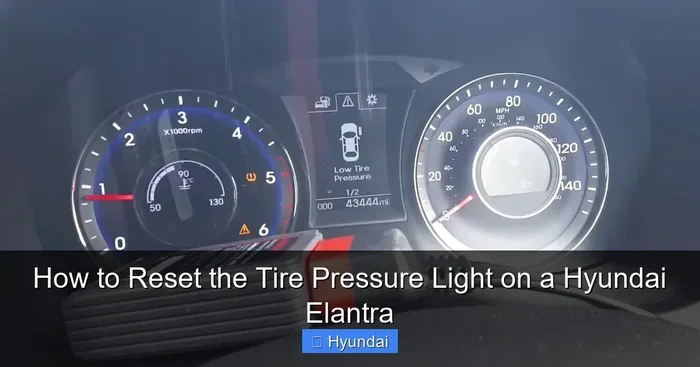
How to Reset the Tire Pressure Light on a Hyundai Elantra
Resetting the tire pressure light on a Hyundai Elantra is a simple process you can do at home. This guide walks you through every method, from the manual reset button to scanning for error codes. You will learn why the light comes on, how to check your tire pressure, and when to seek professional help.
Driving your Hyundai Elantra only to spot a weird yellow warning light on the dashboard can be stressful. That little horseshoe-shaped icon with an exclamation point means your tire pressure monitoring system has detected something is off. But here is the good news. In most cases, you can fix this yourself without visiting a mechanic. This guide shows you exactly how to reset the tire pressure light on a Hyundai Elantra in a few simple steps.
Whether the light came on because of a temperature drop, a slow leak, or you just rotated your tires, we have got you covered. We will walk you through checking your air pressure, using the reset button, and even clearing codes with a scanner. By the end of this article, you will feel confident handling this common Hyundai maintenance task on your own. Let us get started.
Key Takeaways
- Easy DIY Reset: Most Hyundai Elantra models let you reset the TPMS light using the steering wheel controls or a reset button.
- Check Pressure First: Always verify your tire pressure with a gauge before resetting the light to avoid safety risks.
- Sensor Issues: A faulty tire pressure sensor or dead TPMS battery can cause the light to stay on even after a reset.
- Multiple Methods: There are at least three ways to reset the light, including manual, OBD-II scanner, and driving-based methods.
- Prevention Matters: Regular tire maintenance keeps the TPMS light from triggering unexpectedly.
📑 Table of Contents
- Understanding the Tire Pressure Warning Light
- How to Check Your Tire Pressure Before Resetting
- Method 1: Reset the Tire Pressure Light Using the Steering Wheel Controls
- Method 2: Use the Manual TPMS Reset Button
- Method 3: Use an OBD-II Scanner to Clear the Codes
- When the Light Keeps Coming Back
- Quick Tips to Prevent TPMS Light Issues
- When to See a Professional
- Final Thoughts
Understanding the Tire Pressure Warning Light
Before you reset anything, it helps to understand what that little light is trying to tell you. The TPMS warning light is part of your car’s tire pressure monitoring system. It activates when the air pressure in one or more tires falls below the recommended level. On most Hyundai Elantra models, the recommended pressure is between 32 and 35 PSI.
Why Does the Light Come On?
Several things can trigger the tire pressure light. Cold weather is a big one. When temperatures drop, the air inside your tires contracts, which lowers the pressure. A slow puncture or a small nail in the tread can also cause the light to glow. Sometimes, the light comes on after you install new tires or rotate them. The system just needs a recalibration. In rare cases, a dead TPMS sensor battery causes the warning to stay on permanently.
Is It Safe to Drive With the Light On?
If the light is steady, your tire pressure is low but the car is still driveable for short distances. However, if the light flashes, that usually signals a malfunction with the TPMS sensor itself. Driving on underinflated tires for a long time can reduce fuel efficiency and cause uneven tire wear. So it is always best to check your pressure as soon as you notice the light. If you are unsure about what the light means, you might want to look into whether a check engine light can go off by itself for similar diagnostic clarity.
How to Check Your Tire Pressure Before Resetting
Do not skip this step. Resetting the light without fixing the actual problem is just a temporary fix. You want to make sure your tires are properly inflated first. Here is how to do it the right way.
Step-by-Step Tire Pressure Check
- Find the recommended PSI. Open your driver’s side door and look at the sticker on the door frame. It will show the correct tire pressure for your Elantra.
- Remove the valve cap. Unscrew the small cap on the tire valve stem and set it aside.
- Press the gauge onto the valve. Push the tire pressure gauge firmly onto the stem. You will hear a brief hiss of air. That is normal.
- Read the number. Check the display on the gauge. Compare it to the recommended PSI on the door sticker.
- Add air if needed. If the pressure is low, use an air compressor at a gas station or a portable tire inflator to fill the tire to the correct level.
Repeat this process for all four tires, including the spare if your Elantra has one. Once all tires are at the right pressure, you are ready to reset the light. Using a good quality tire pressure gauge makes a big difference in accuracy.
Method 1: Reset the Tire Pressure Light Using the Steering Wheel Controls
This is the most common method for Hyundai Elantra models from 2011 onward. Your Elantra has a set of steering wheel controls that let you navigate the dashboard menus. You can use these to reset the TPMS light without any special tools.
Step-by-Step Reset Process
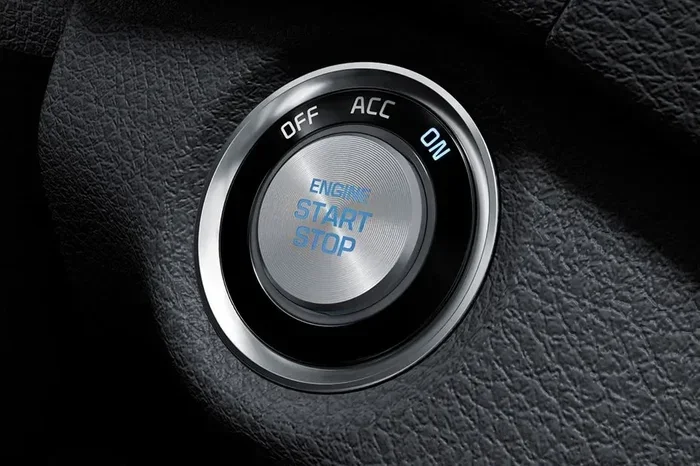
- Turn the ignition to the ON position. Do not start the engine. Just press the start button or turn the key to the “ON” setting.
- Press the steering wheel menu button. Use the arrow buttons on the left side of the steering wheel to scroll through the menu options.
- Navigate to Settings. Look for the gear icon or the “Settings” option on the instrument cluster display.
- Find the TPMS Reset option. Scroll down until you see the tire pressure reset or TPMS initialization choice.
- Select Reset. Press the OK or confirm button on the steering wheel. The system will start the reset process.
- Drive for a few minutes. The light should turn off after you drive a short distance at moderate speed. The system relearns the tire pressure values as you drive.
If the light does not go off after driving for about 10 minutes, try the process again. Sometimes it takes two attempts. This method works on most Hyundai Elantra trims including the base SE, Value Edition, Limited, and SEL models.
Method 2: Use the Manual TPMS Reset Button
Some Hyundai Elantra models have a physical TPMS reset button located beneath the steering column. This is a small pinhole button that you press with a pen or a key. Not all models have this, so check your owner’s manual first.
How to Use the Reset Button
- Locate the button. It is usually found under the steering column on the left side of the dashboard. It may be labeled “TPMS” or have a tire icon.
- Press and hold the button. Use a pen tip or a small pin to press it. Hold it for about three seconds until you hear a beep.
- Start the engine. After pressing the button, start the car and let it idle for a few minutes.
- Drive to complete the reset. The light should turn off after a short drive. The system recalibrates as you move.
This method is quick and does not require any electronic tools. It is the go-to approach for many Elantra owners who want a simple TPMS reset without fuss.
Method 3: Use an OBD-II Scanner to Clear the Codes
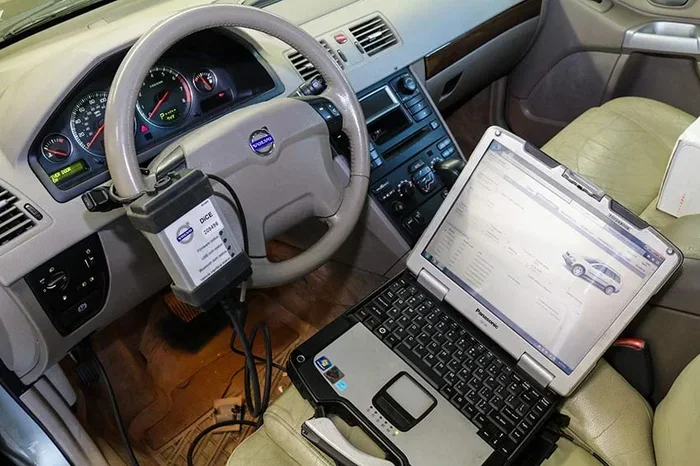
If the manual methods do not work, you can use an OBD-II scanner. This tool plugs into the diagnostic port under your dashboard and reads the error codes stored in your car’s computer. You can then clear those codes to turn off the warning light.
How to Use an OBD-II Scanner for TPMS Reset
- Locate the OBD-II port. It is usually found under the dashboard on the driver’s side, near the steering column.
- Plug in the scanner. Connect the OBD-II device to the port. The port has a trapezoidal shape.
- Turn the ignition to ON. Do not start the engine. The scanner screen should light up.
- Read the codes. The scanner will display any stored diagnostic trouble codes. Look for codes related to TPMS, such as C0035 or C0040.
- Clear the codes. Use the scanner menu to erase the codes. This will turn off the tire pressure light.
- Drive and verify. Take the car for a short drive and check if the light stays off.
If you do not own an OBD-II scanner, you can find them at most auto parts stores for under $30. Some scanners also let you run diagnostics without a check engine light, which is helpful for spotting hidden issues. If you have ever wondered how to handle similar warning systems, you may also want to check how to manually clear your car codes for broader diagnostic insight.
When the Light Keeps Coming Back
Sometimes the tire pressure light returns even after you reset it. This can be frustrating, but it usually points to an underlying issue. Here are the most common reasons the light keeps showing up on your Hyundai Elantra.
Dead TPMS Sensor Battery
Each tire has a TPMS sensor inside the valve stem. These sensors run on small batteries that last about five to seven years. When the battery dies, the sensor cannot send pressure data to the car’s computer. The light will stay on no matter how many times you reset it. Replacing the sensor battery or the entire sensor unit usually solves this problem.
Slow Tire Leak
A slow leak from a worn valve stem or a tiny puncture can keep one tire slightly underinflated. The TPMS system detects this and triggers the light again. If you keep resetting the light but it returns within a few days, grab your tire pressure gauge and check each tire again. You might also want to inspect the valve stems for cracks or damage.
Temperature Changes
Seasonal temperature drops can lower tire pressure enough to trigger the TPMS light. This is very common in fall and winter. If the light comes on during cold mornings but goes away after driving for a while, the temperature is likely the culprit. Topping off the air pressure in your tires during seasonal changes can prevent this.
After Tire Rotation or New Tires
If you recently got new tires or rotated your existing ones, the TPMS sensors may need to be reprogrammed. Some tire shops will do this for free when you buy tires from them. If you rotate your own tires, make sure to reset the TPMS system afterward so the system recognizes the new tire positions.
Quick Tips to Prevent TPMS Light Issues
Keeping your tires in great shape is the best way to avoid frequent TPMS warnings. Here are some simple habits that make a big difference.
- Check tire pressure monthly. Make it a routine. A quick check once a month catches slow leaks early.
- Keep a tire pressure gauge in your glove box. Do not rely solely on gas station air pumps. Having your own gauge ensures accuracy.
- Check pressure when tires are cold. Always measure tire pressure before driving or at least three hours after driving. Hot tires give false readings.
- Replace TPMS sensor batteries on schedule. If your Elantra is five years or older, consider having the TPMS batteries checked during routine service visits.
- Keep your tires properly inflated year-round. Temperature changes affect pressure. Adjust your tire pressure as the seasons change.
Taking care of your tires also improves your fuel economy and keeps you safe on the road. It is one of those small maintenance tasks that pays off big time over the life of your vehicle.
When to See a Professional
Most of the time, resetting the tire pressure light is a straightforward job you can handle yourself. But there are moments when professional help is the right call. If you have tried all three reset methods and the light still does not go off, it is time to visit a mechanic or a Hyundai dealership. A technician can run a full diagnostic scan and check each TPMS sensor individually. Similarly, if you notice the TPMS light flashing rather than staying solid, that often points to a sensor malfunction that needs professional attention.
Also, if you suspect a problem with your tire pressure sensor or need help replacing one, you can explore options for fixing the sensor yourself or getting professional assistance. Sometimes the issue is more complex than a simple reset, and that is perfectly okay. Getting it checked early can save you from bigger tire problems down the road.
Final Thoughts
Resetting the tire pressure light on your Hyundai Elantra does not have to be complicated. Whether you use the steering wheel controls, the manual reset button, or an OBD-II scanner, the process is quick and manageable for most car owners. The most important step is always to check your tire pressure first and make sure your tires are properly inflated. A simple reset without fixing the real problem will only lead to the light coming back again.
Make tire pressure checks part of your regular Hyundai Elantra maintenance routine. Keep a gauge handy, stay on top of seasonal pressure changes, and replace TPMS batteries when needed. These small habits keep your car running smoothly and your tires lasting longer. You have got this. Your Elantra will thank you for it.
Frequently Asked Questions
Can I drive my Hyundai Elantra if the tire pressure light is on?
If the light is steady, you can drive a short distance carefully. However, driving on underinflated tires for a long time can damage the tires and reduce fuel efficiency. Always check your tire pressure as soon as the light comes on and inflate to the recommended PSI before driving long distances.
How much does it cost to replace a TPMS sensor on a Hyundai Elantra?
TPMS sensor replacement typically costs between $50 and $250 per sensor, depending on whether you choose an OEM part or an aftermarket option. Labor costs are usually minimal since the sensor is located inside the tire valve stem. Some tire shops include sensor replacement as part of a tire service package.
Why does my tire pressure light come on in cold weather?
Cold weather causes the air inside your tires to contract, which lowers the tire pressure. A drop of just 10 degrees Fahrenheit can reduce pressure by about 1 PSI. This is normal and usually resolves once the tires warm up from driving. To prevent this, check your pressure regularly during seasonal temperature changes.
How often should I reset my TPMS light?
You should only reset the TPMS light after you have confirmed all tires are at the correct pressure. There is no set schedule for resetting it. If the light keeps coming back, it is a sign of an underlying issue such as a slow leak or a dead sensor battery that needs to be addressed.
Can a low tire pressure light affect my Hyundai Elantra’s fuel economy?
Yes, driving on underinflated tires increases rolling resistance, which causes your engine to work harder. This can reduce fuel economy by up to 3 percent. Keeping your tires properly inflated is one of the easiest ways to improve gas mileage and extend tire life on your Elantra.
What should I do if the TPMS reset button does not work on my Elantra?
If the reset button does not work, try the steering wheel menu method first. If that also fails, use an OBD-II scanner to clear the codes. If none of these methods work, the TPMS sensor battery may be dead or the sensor itself may be faulty. In that case, take your Elantra to a Hyundai dealership or trusted mechanic for a full diagnostic check.