Harley-Davidson 103 Engine Problems You Need to Know
The Harley-Davidson 103 Engine is a powerful Milwaukee-Eight motor that delivers incredible torque and riding pleasure. However, like any big engine, it comes with its share of known issues ranging from rough idling to overheating concerns. Understanding these problems early can save you time, money, and countless hours of frustration on the road. This guide covers the most common Harley-Davidson 103 Engine Problems and gives you practical solutions to keep your bike running at its best.
Key Takeaways
- Rough Idle and Misfires: The Harley-Davidson 103 Engine is prone to rough idling, often caused by ignition coil issues or fuel delivery problems.
- Overheating Risks: Hot weather and heavy loads can push the 103 engine toward overheating, especially if coolant levels are low.
- Check Engine Light Triggers: Multiple sensors and components can activate the check engine light on your Harley 103, and some issues resolve on their own.
- Regular Maintenance Matters: Sticking to a consistent service schedule prevents most common 103 engine problems before they become serious.
- DIY Fixes Exist: Many Harley-Davidson 103 Engine Problems can be diagnosed and even fixed at home with basic tools and knowledge.
- Valve Adjustments Are Critical: Neglecting valve lash adjustments is one of the leading causes of poor performance in the 103 cubic inch motor.
📑 Table of Contents
What Is the Harley-Davidson 103 Engine?
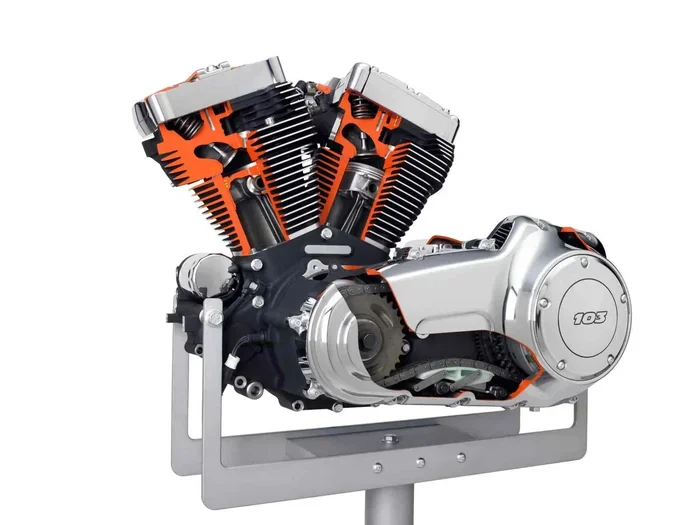
The Harley-Davidson 103 Engine is a big V-twin motor that displaces 103 cubic inches of displacement. Harley-Davidson introduced this engine family as part of the Milwaukee-Eight lineup. It replaced the older Twin Cam engines and brought significant improvements in power, efficiency, and reliability.
Motorcycles equipped with the 103 cubic inch engine deliver massive low-end torque. This makes them perfect for highway cruising and pulling heavy loads. Riders love the rumble and character that comes with a Milwaukee-Eight 103 motor. It has become one of the most popular engine choices among Harley enthusiasts.
But no engine is perfect. Even the mighty 103 cubic inch motor has its quirks. Understanding these issues before they become big problems is key to enjoying your ride. Let us dive into the most common problems riders face with this engine.
Common Harley-Davidson 103 Engine Problems
Every motorcycle engine has weak spots. The Harley-Davidson 103 Engine is no exception. Here are the most frequently reported issues that owners encounter.
Rough Idle and Engine Misfires
A rough idle is one of the first signs of trouble. If your bike shakes at a stoplight or idles unevenly, something is off. The 103 engine uses electronic fuel injection, and the injectors can get dirty over time. Dirty injectors disrupt the fuel-air mixture and cause misfires.
Ignition coils are another common culprit. When a coil fails, one or more cylinders lose spark. This leads to a jerky ride and poor acceleration. Replacing a faulty ignition coil is usually straightforward and affordable.
- Symptom: Engine shakes at idle or feels bumpy at low speeds.
- Cause: Dirty fuel injectors or failing ignition coils.
- Fix: Clean or replace injectors. Swap out bad ignition coils.
Engine Overheating Issues
Overheating is a serious concern for any motorcycle engine. The Harley-Davidson 103 Engine generates a lot of heat, especially during summer rides or heavy traffic. If your temperature gauge climbs into the red zone, pull over and let the engine cool down.
Low coolant levels are a frequent cause of overheating. The cooling system on the Milwaukee-Eight 103 needs regular checks. Old or contaminated coolant loses its ability to transfer heat effectively. This is similar to how old coolant can cause engine overheating in any vehicle, and the same principle applies to motorcycles.
Other overheating causes include a faulty thermostat, a clogged radiator, or a broken water pump. Regular inspection of the cooling system can prevent most of these issues from escalating.
Check Engine Light Keeps Coming On
The check engine light on a Harley-Davidson 103 can be frustrating. It may flicker on during a ride and then go away. Sometimes it stays on constantly. Either way, it means something needs attention.
Common triggers include oxygen sensor failures, loose gas caps, or exhaust system leaks. A loose gas cap is the simplest fix and often overlooked. If the cap does not seal properly, fuel vapors escape and the engine runs lean.
Some riders wonder if the check engine light can resolve itself. In some cases, it does. A temporary sensor glitch or a one-time lean condition may trigger the light, and it can turn off on its own after a few ride cycles. However, you should never ignore a persistent check engine light. Use a diagnostic tool to read the error codes and identify the root cause.
Valve Lash and Tappet Noise
The 103 cubic inch engine uses hydraulic lifters, but they are not immune to problems. Over time, valve lash can drift out of specification. This creates a tapping or clattering noise from the engine head. The sound is often more noticeable when the engine is cold.
Neglecting valve adjustments leads to poor engine performance. You may notice reduced power, increased fuel consumption, or a rough running engine. The Harley-Davidson service manual recommends checking valve lash at specific intervals. Sticking to this schedule prevents costly damage down the road.
Oil Leaks and Seepage
Oil leaks are a common complaint among 103 engine owners. The engine sits low and hot, and seals can deteriorate over time. The most common leak points include the valve cover gaskets, the front primary cover, and the oil pan gasket.
Small seepage is not always an emergency, but it should be monitored. Excessive oil loss can lead to low oil pressure and engine damage. If you notice oil spots under your bike after parking overnight, inspect the engine thoroughly. Replace worn gaskets and seals promptly.
Diagnosing Harley-Davidson 103 Engine Problems
Diagnosis is the first step toward fixing any engine issue. Modern Harley-Davidsons come equipped with onboard diagnostics. These systems store error codes that help pinpoint problems quickly.
You do not always need a dealership to run diagnostics. A generic OBD-II scanner or a Harley-specific diagnostic tool can read the codes. If your check engine light is on but you are unsure why, you might wonder if you can run diagnostics without a check engine light. The answer is yes, in most cases, but having the light on gives you the most relevant data to work with.
Here is a simple diagnostic checklist for common 103 engine problems:
- Check the error codes. Connect a diagnostic tool and read all stored codes. Write them down.
- Inspect the spark plugs. Remove and examine each plug for fouling, wear, or carbon buildup.
- Test the ignition coils. Use a multimeter to check resistance values. Replace any coil that falls outside the spec range.
- Check fuel pressure. A weak fuel pump or clogged filter can starve the engine of fuel.
- Inspect the cooling system. Look at coolant levels, hoses, and the radiator for leaks or blockages.
- Listen for unusual noises. Tapping, knocking, or rattling sounds often point to valve or tappet issues.
Taking the time to diagnose properly saves money and prevents unnecessary part replacements. Many riders rush to replace parts without confirming the actual cause. A systematic approach works much better.
How to Prevent 103 Engine Problems
Prevention is always easier and cheaper than repair. The Harley-Davidson 103 Engine is a robust motor, but it needs proper care to stay healthy. Here are the best practices to keep your engine running smoothly for years.
Follow the Maintenance Schedule
Harley-Davidson provides a detailed maintenance schedule for every model year. This schedule covers oil changes, valve adjustments, spark plug replacements, and coolant flushes. Following this schedule is the single best way to prevent engine problems.
Do not skip oil changes. Fresh oil lubricates engine internals and carries away heat and contaminants. Old oil breaks down and loses its protective properties. For the 103 cubic inch engine, stick to the recommended oil type and change interval.
Use Quality Fuel and Parts
Fuel quality matters more than most riders realize. Low-quality or old fuel can cause starting problems, rough running, and carbon buildup in the combustion chamber. Always use fresh, high-octane fuel from reputable stations.
The same applies to replacement parts. Using OEM or high-quality aftermarket parts ensures proper fit and function. Cheap parts may save money upfront but often lead to premature failures and additional repair costs.
Keep the Cooling System in Good Shape
The Milwaukee-Eight 103 engine runs hot by design. It relies on a well-functioning cooling system to maintain safe operating temperatures. Flush the coolant at the recommended intervals and replace it with the correct specification fluid. Inspect hoses for cracks or swelling. Make sure the radiator cap seals properly.
Monitor Your Oil Levels Regularly
Make it a habit to check your oil level before every ride. The 103 engine has a relatively small oil capacity for its size. Low oil levels increase friction and heat, which accelerates wear on internal components. Keep a small bottle of the recommended oil in your saddlebag for top-ups on longer trips.
DIY Fixes for Common 103 Engine Issues
Many Harley-Davidson 103 Engine Problems can be tackled at home if you have basic mechanical skills and the right tools. Here are some fixes you can do yourself.
Replacing Spark Plugs
Spark plugs are wear items and need regular replacement. The 103 engine uses specific spark plug types, so check your owner manual for the correct part number. Removing and installing new plugs takes about 20 minutes. This simple job improves combustion efficiency and smooths out idle quality.
Cleaning Fuel Injectors
Dirty fuel injectors cause rough running and poor fuel economy. You can clean them using a quality fuel injector cleaner added to your tank. For a deeper clean, remove the injectors and soak them in a dedicated cleaning solution. This restores proper spray patterns and fuel delivery.
Fixing Minor Oil Leaks
Small oil seepage from valve cover gaskets can often be addressed at home. Clean the affected area thoroughly, then apply a high-quality gasket sealer. If the gasket is visibly damaged or hardened, replace it entirely. Always use the correct torque specs when reinstalling the valve cover to prevent future leaks.
Resetting the Check Engine Light
If you have fixed the underlying problem, you may want to clear the check engine light yourself. A diagnostic tool or code reader can erase stored codes and reset the light. Just make sure the actual problem is resolved before clearing the codes. Otherwise, the light will return quickly.
When to See a Professional Mechanic
Not every repair is suitable for a home garage. Some Harley-Davidson 103 Engine Problems require professional tools, expertise, or specialized equipment. Here are situations where you should take your bike to a qualified mechanic.
Major internal engine damage. If you hear a loud knocking sound or notice a sudden loss of power, stop riding immediately. These symptoms can indicate serious internal problems like a broken connecting rod or a cracked cylinder head. Continuing to ride in this condition can destroy the engine entirely.
Cooling system failures. A failed water pump or a clogged radiator requires professional diagnosis and repair. Overheating can warp cylinder heads and blow head gaskets. These are expensive repairs that are entirely preventable with timely attention.
Persistent check engine light. If you have checked the gas cap and cleared the codes but the light returns, there is an underlying issue that needs professional scanning. A mechanic can access deeper diagnostic data and perform tests that go beyond what a basic scanner offers.
Valve adjustments and camshaft work. While basic valve lash checks are doable at home, more complex valve train work should be left to experienced technicians. Incorrect adjustments can cause valve damage, piston contact, and catastrophic engine failure.
Final Thoughts on Harley-Davidson 103 Engine Reliability
The Harley-Davidson 103 Engine is a fantastic powerplant that delivers an incredible riding experience. It is strong, torquey, and full of character. Like any engine, it has its vulnerabilities, but most problems are preventable with proper care and maintenance.
Stay on top of your service schedule, use quality fuel and parts, and pay attention to warning signs. A rough idle, a rising temperature gauge, or an illuminated check engine light should never be ignored. Addressing small issues early prevents them from becoming major expenses.
Whether you ride a Harley-Davidson Road Glide, a Street Glide, or another Milwaukee-Eight equipped model, the 103 engine needs your attention and care. Treat it well, and it will reward you with thousands of miles of reliable, thrilling performance. The Harley-Davidson 103 Engine Problems discussed in this guide are manageable when you know what to look for and how to respond.
Keep your bike maintained, ride safely, and enjoy every mile on the road. Your 103 cubic inch Milwaukee-Eight is built to last, and with the right care, it will keep you riding for many years to come.
Frequently Asked Questions
What are the most common Harley-Davidson 103 Engine Problems?
The most common issues include rough idle, engine misfires, overheating, check engine light triggers, valve lash noise, and oil leaks. Most of these problems are preventable with regular maintenance and timely attention to warning signs.
Can I still ride my Harley with the check engine light on?
You can ride short distances with the check engine light on, but you should not ignore it. The light indicates an underlying problem that could worsen over time. Have the codes read and address the issue as soon as possible to avoid further damage to the engine.
How often should I change the oil in my Harley-Davidson 103 Engine?
Harley-Davidson recommends changing the oil every 5,000 miles or once a year, whichever comes first. Riding in harsh conditions like extreme heat, dust, or stop-and-go traffic may require more frequent oil changes. Always use the recommended oil type for the 103 cubic inch motor.
Does the Harley-Davidson 103 Engine overheat easily?
The 103 engine runs hotter than smaller displacement engines because of its large displacement and power output. It does not overheat easily under normal riding conditions, but high temperatures, heavy loads, and a poorly maintained cooling system can push it toward overheating. Regular coolant checks are essential.
Can rough idle on a 103 engine be fixed at home?
Yes, in many cases. Rough idle is often caused by dirty fuel injectors or a failing ignition coil. Cleaning the injectors with a fuel additive or replacing a bad ignition coil are jobs most riders can do at home with basic tools.
How do I know if my Harley 103 engine needs valve adjustments?
Signs that valve adjustments are needed include a tapping or clattering noise from the engine head, especially when cold, reduced power, and rough running. The Harley service manual specifies the interval for valve lash checks. Following this schedule prevents most valve-related problems.
=== CONCLUSION ===
The Harley-Davidson 103 Engine is a powerhouse, but it demands respect and proper care. Harley-Davidson 103 Engine Problems are manageable when you understand what to watch for and how to respond. From rough idle and overheating to check engine light alerts and oil leaks, each issue has a solution. Stay proactive with maintenance, address small problems before they grow, and your Milwaukee-Eight 103 will keep delivering the performance and character Harley riders love.