1990 Cars in India The Iconic Rides That Defined an Era
1990 cars in India represent a golden chapter in the country’s automotive history. These vehicles combined affordability, style, and reliability in ways modern cars sometimes miss. The Maruti 800, Hindustan Ambassador, and Premier Padmini became household names across the nation. This era saw car ownership explode as India opened up to global manufacturers. If you love classic rides or want to understand India’s car culture, this guide covers everything you need to know.
Key Takeaways
- The 1990s transformed India’s car market with affordable hatchbacks and sedans reaching millions of families.
- Maruti 800 dominated the decade as the most popular car, setting the standard for small, fuel-efficient vehicles.
- Iconic models like the Ambassador and Padmini carried forward their legacy from the 1980s into the 1990s.
- Car ownership in India grew rapidly during this period, driven by economic liberalization and rising middle-class incomes.
- Classic 1990 cars hold strong nostalgia value and are increasingly sought after by collectors and enthusiasts.
- Maintenance and parts availability remain manageable for most popular 1990 models thanks to a large aftermarket network.
- The decade laid the foundation for India’s modern automotive industry and its obsession with hatchbacks and sedans.
📑 Table of Contents
The Golden Age of Indian Roads
The 1990s were a special time for cars in India. The country had just begun its economic liberalization journey. New factories opened. Roads expanded. And suddenly, owning a car stopped being a distant dream for millions of Indian families.
Before the 1990s, car ownership in India was limited to the wealthy few. But things changed fast. The government opened doors for private automobile companies. Foreign brands entered the market. And Indian manufacturers stepped up their game too.
This was the period when 1990 cars in India truly came into their own. The roads filled with colorful hatchbacks, sturdy sedans, and rugged SUVs. Every city, town, and village had its own car culture. The Maruti 800 ruled the roost, but it was far from alone.
What made this era so memorable? It was the combination of simplicity, affordability, and character. Cars were easy to repair. Parts were cheap. And every model had a personality of its own. Today, those same vehicles evoke powerful nostalgia among Indians of all ages.
Why the 1990s Mattered for Indian Car Culture
The decade of the 1990s was a turning point. India’s economy grew at a rapid pace. The middle class expanded significantly. More people wanted to buy cars. And manufacturers responded with a wide range of options at different price points.
Car shows became popular. Car magazines started covering the Indian market in detail. Young people dreamed of owning their first car. The 1990s car culture in India was vibrant and growing every single year.
Also, the government reduced import duties on auto components. This made it cheaper to build cars domestically. Companies like Maruti Suzuki, Hyundai, and Tata Motors launched new models regularly. The competition was healthy. And consumers were the biggest winners.
The Cars That Ruled the 1990s
Several models defined the decade. Some were new launches. Others carried forward their legacy from earlier years. Together, they created a diverse and exciting car landscape across India.
Maruti 800: The Undisputed King
No discussion about 1990 cars in India is complete without the Maruti 800. Launched in 1983, it continued to dominate the 1990s with ease. It was small, fuel-efficient, and incredibly affordable. Almost every Indian family knew someone who owned one.
The Maruti 800 came with a 796cc engine. It delivered around 35 horsepower. That might sound modest today. But back then, it was perfect for city driving. The car could glide through crowded streets with ease.
Maintenance was simple. Mechanics across India knew every bolt of the Maruti 800. Spare parts were available everywhere. And the resale value remained strong throughout the decade. It was truly the people’s car of India.
By the mid-1990s, Maruti had sold over a million units. The company expanded its lineup too. The Maruti Zen and Maruti Wagon R joined the family. But the 800 remained the most beloved model.
Hindustan Ambassador: The Classic Sedan
The Hindustan Ambassador was a legend. Based on the Morris Oxford from the 1950s, it kept evolving through the decades. By the 1990s, it had become an icon of Indian roads. Taxi drivers, government officials, and families all chose the Ambassador.
The car had a boxy design that never went out of style. Its spacious interior made it ideal for families. The ride was comfortable, especially on India’s often rough roads. Many people still remember the distinctive sound of its engine.
The Ambassador came with a 1.5-liter petrol engine. Later versions offered a diesel option too. Fuel economy was decent for its size. And the car was built like a tank. Several Ambassadors from the 1990s are still on the road today.
One reason the Ambassador lasted so long was its simplicity. The design changed very little over the decades. This made it easy to maintain. Parts were widely available. And the car’s charm never faded.
Premier Padmini: The Elegant Choice
The Premier Padmini was another classic from the 1990s. It was based on the Fiat 1100, which had been a popular car in Italy. Premier Automobiles built it under license in India. The Padmini became synonymous with elegance and reliability.
The car had a 1.1-liter engine. It was smooth and refined for its time. The Padmini was known for its excellent build quality. Many owners drove their cars for decades without major issues.
The Padmini was especially popular in Mumbai and other coastal cities. Its compact size made it perfect for narrow Indian streets. The car handled well and felt responsive. It was a favorite among young professionals in the 1990s.
Production of the Padmini continued until 2001. By then, it had built a loyal fan base. Today, restored Padminis are considered collector’s items. They fetch good prices in the vintage car market.
Hyundai Santro and Other New Entrants
The 1990s also saw the arrival of new global brands in India. Hyundai launched the Santro in 1998. It was a game-changer. The Santro was stylish, modern, and surprisingly affordable. It quickly gained popularity among young buyers.
Other brands like Tata Motors and Mahindra also made their mark. The Tata Indica launched in 1998 and became India’s first domestically designed mass-market car. It offered a spacious interior and a diesel engine option. This was a big deal at the time.
Mahindra launched the Scorpio in 1999. It was India’s first SUV designed entirely by an Indian company. The Scorpio combined rugged looks with everyday practicality. It set the template for Indian SUVs in the years to come.
The 1990s was a decade of choices. Buyers were no longer limited to a handful of models. They could pick from hatchbacks, sedans, SUVs, and even multi-purpose vehicles. The Indian car market had truly arrived.
Why 1990 Cars Still Hold a Special Place
You might wonder why people still talk about cars from over three decades ago. The answer lies in emotion, nostalgia, and a simpler way of life.
Cars from the 1990s were straightforward. They did not have complex computer systems. There were no touchscreens or advanced driver-assistance features. Instead, you had a steering wheel, pedals, and a simple dashboard. Everything was easy to understand and easy to fix.
Many Indians who grew up in the 1990s have fond memories of their family cars. The Maruti 800 was often the first car a family owned. Road trips in a Padmini or Ambassador created lasting memories. These cars were more than just transportation. They were part of the family.
The Nostalgia Factor
Nostalgia plays a huge role in the popularity of 1990 cars in India. People remember the smell of leather seats. They remember the sound of the horn in traffic. They remember the joy of riding in a brand-new car for the first time.
Social media has amplified this nostalgia. Groups on Facebook and Instagram are dedicated to vintage Indian cars. Owners share photos, stories, and restoration tips. The community is growing every year.
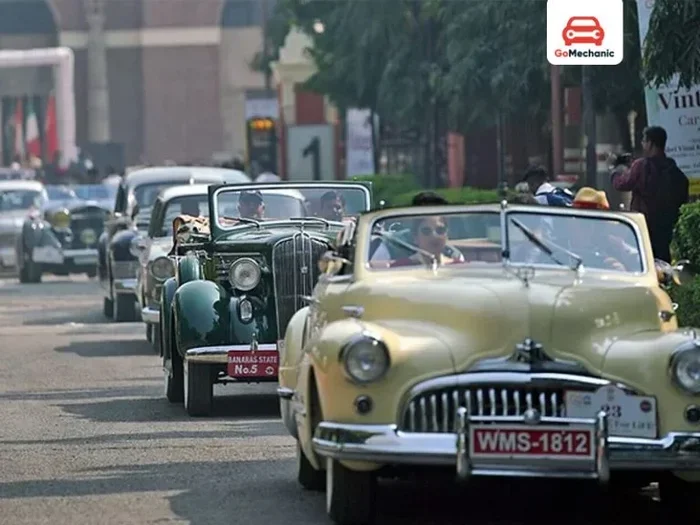
Car meets and rallies have also become popular. Vintage car owners gather at events across India. They showcase their prized possessions. These events attract thousands of visitors. They celebrate the rich automotive heritage of the country.
Simplicity and Ease of Ownership
One practical reason people love 1990s cars is their simplicity. These vehicles were designed in an era before electronics took over. The engines were basic. The electrical systems were simple. This made them easy to maintain even in small towns.
Any local mechanic could work on a Maruti 800 or an Ambassador. You did not need specialized tools or computer diagnostics. A basic set of wrenches and some mechanical knowledge was enough. This accessibility made car ownership much more practical.
Fuel economy was another advantage. Most 1990s cars were designed for efficiency. With fuel prices rising over the years, these older cars can still be economical to run. Many owners prefer them over newer, more complex vehicles for daily city driving.
Ownership Experience and Maintenance
Owning a 1990s car in India is a unique experience. It is different from owning a modern vehicle. The experience is more hands-on and personal.
Daily Driving a Classic 1990 Car
If you drive a 1990 car today, you will notice a few things right away. The ride is firm but comfortable. The steering feels heavy compared to modern cars. But there is a raw, honest connection with the road that modern vehicles often lack.
Visibility in older cars is usually excellent. The windows are large. The pillars are thin. You can see the road and surroundings clearly. This makes driving in Indian traffic less stressful.
Noise levels are higher than in modern cars. The wind noise at highway speeds can be noticeable. The engine makes its presence known. But many owners find this charming rather than annoying. It is part of the character of these vehicles.
Maintenance Tips for 1990s Indian Cars
Keeping a 1990s car running well requires some basic knowledge. Here are some practical tips:
- Change the engine oil regularly. Use the grade recommended by the manufacturer. Old engines benefit from fresh oil.
- Check the cooling system often. Overheating was a common issue with older cars. Keep the radiator clean and the coolant topped up.
- Replace spark plugs at regular intervals. This keeps the engine running smoothly and improves fuel economy.
- Inspect the brakes frequently. Drum brakes were common in 1990s cars. Replace brake shoes and pads before they wear out completely.
- Keep the body rust-free. Many 1990s cars are prone to rust. Wash the undercarriage regularly and apply anti-rust coatings.
- Use genuine or high-quality spare parts. Aftermarket parts vary in quality. Stick to trusted brands for critical components.
- Store the car properly. If not used daily, keep the car covered and run the engine periodically to keep components lubricated.
Following these simple steps can keep a 1990s car on the road for many more years. Several owners have driven their Maruti 800s and Ambassadors for over 30 years with proper care.
Collecting and Restoring Classic Cars Today
The market for vintage and classic cars in India has grown significantly. Collectors now seek out well-preserved 1990s models. Restoring old cars has become a popular hobby across the country.
Which 1990 Cars Are Most Collectible?
Not all 1990s cars are equally valued by collectors. The most sought-after models include:
- Maruti 800 (early versions): The first-generation models are highly prized. Their simplicity and historical significance make them valuable.
- Hindustan Ambassador AVPi: The updated versions from the late 1990s are rare and desirable.
- Premier Padmini: Well-maintained examples fetch good prices. The car’s elegant design appeals to collectors.
- Hyundai Santro GLS: The top-end version with full features is a collectible in its own right.
- Tata Indica: As India’s first indigenous mass-market car, it holds special significance.
The Restoration Process
Restoring a 1990s car can be a rewarding project. The process typically involves several steps:
- Assessment: Evaluate the car’s condition. Identify areas that need repair or replacement.
- Sourcing parts: Find original or compatible parts. Online forums and specialist dealers can help.
- Bodywork: Repair rust, dents, and paint damage. This is often the most time-consuming step.
- Engine and mechanical work: Rebuild or refurbish the engine, transmission, and suspension.
- Interior restoration: Reupholster seats, replace dashboard components, and restore the electrical system.
- Final detailing: Clean, polish, and protect the car. Make it look as close to new as possible.
Restoration costs can vary widely. A simple cosmetic refresh might cost a few thousand rupees. A full frame-off restoration can run into lakhs. But for enthusiasts, the joy of bringing a classic car back to life is priceless.
The Legacy of 1990 Cars in India
The impact of 1990s cars on India’s automotive landscape cannot be overstated. This decade set the stage for the modern Indian car market. It introduced millions of Indians to car ownership. And it created a culture of motoring that continues to thrive today.
The cars from this era were more than just machines. They were symbols of progress and aspiration. Owning a car meant you had “arrived.” It was a status symbol and a practical necessity rolled into one.
Today, the lessons from 1990s car design still matter. Simplicity. Reliability. Affordability. These principles guide car manufacturers even now. Modern cars are more advanced, of course. But the essence of what made 1990s cars great remains relevant.
As India moves toward electric vehicles and autonomous driving, the classics from the 1990s will always hold a special place. They remind us where we came from. They tell the story of a nation on the move. And they will continue to inspire car lovers for generations to come.
If you ever get a chance to ride in a 1990 car in India, take it. Roll down the windows. Feel the breeze. Listen to the engine. You will understand why these vehicles are so deeply loved. They are not just cars. They are pieces of Indian history.
Frequently Asked Questions
What were the most popular 1990 cars in India?
The Maruti 800, Hindustan Ambassador, and Premier Padmini were the most popular cars in India during the 1990s. The Hyundai Santro and Tata Indica also gained strong followings toward the end of the decade.
Are 1990s Indian cars still reliable for daily driving?
Yes, many 1990s Indian cars remain reliable for daily driving with proper maintenance. The Maruti 800 and Ambassador are known for their durability. However, regular servicing and timely part replacements are essential.
Where can I find spare parts for 1990s Indian cars?
Spare parts for 1990s Indian cars are widely available across the country. Local auto markets, authorized service centers, and online platforms like OLX and specialized forums are good sources. Common models like the Maruti 800 have the best parts availability.
What is the average price of a classic 1990s car in India today?
Prices vary based on the model, condition, and rarity. A well-maintained Maruti 800 from the 1990s can cost between Rs 1 lakh and Rs 3 lakhs. Rarer models like the Ambassador AVPi or a restored Padmini can command higher prices, sometimes exceeding Rs 5 lakhs.
Can I import a 1990s car from other countries to India?
Yes, it is possible to import vintage cars into India under specific rules set by the customs department. Cars older than 50 years can be imported as personal vehicles with reduced duties. Cars between 25 and 50 years old have different regulations. It is best to consult a customs agent for current rules.
How do I start collecting classic Indian cars from the 1990s?
Start by researching the models you are interested in. Join online communities and attend car meets to learn from experienced collectors. Inspect any car thoroughly before buying. Focus on models with good documentation and a clean maintenance history. Set a budget and stick to it.
=== CONCLUSION ===
The era of 1990 cars in India was truly special. These vehicles captured the spirit of a nation in transition. They were affordable, reliable, and full of character. From the humble Maruti 800 to the elegant Premier Padmini, each model told a story. Stories of families, road trips, and everyday life on Indian roads.
Today, these classic cars continue to inspire. They remind us of simpler times. They connect us to our automotive roots. Whether you are a collector, a restorer, or simply a fan of old-school motoring, the 1990s car scene in India has something for everyone.
Take the time to explore this wonderful world. Visit a car meet near you. Talk to owners. Sit behind the wheel of a classic ride. You will come away with a deeper appreciation for the iconic cars that defined an era. And who knows, you might just find your dream car waiting in a dusty garage somewhere in India.