Do You Attach Jumper Cables While the Car Is Running
No, you should not attach jumper cables while the car is running. Connecting cables with the engine on can damage the electrical system and create sparks. Always attach jumper cables to a turned-off vehicle to ensure safety and protect both batteries.
Getting stranded with a dead battery is never fun. You grab your jumper cables, flag down a good Samaritan, and suddenly you face a big question. Do you attach jumper cables while the car is running? This simple question can make the difference between a quick fix and a costly repair. Many drivers get this wrong, and the consequences can be serious. In this guide, we walk you through exactly what to do, what not to do, and why the order matters so much.
Jump-starting a car seems straightforward on the surface. You connect two cables, let the good battery power up the dead one, and drive away. But there is a lot more to it than that. The way you connect jumper cables affects your entire electrical system. It impacts your alternator, your voltage regulator, and even your onboard computer. Getting the steps wrong can fry sensitive electronics. That is why we break down every detail so you can stay safe and get back on the road.
Key Takeaways
- Turn off both vehicles: Always shut off the engine on both cars before attaching jumper cables.
- Follow the correct order: Connect red to positive first, then black to negative or grounded metal.
- Running the dead car’s engine can cause damage: The alternator surge may harm the electrical system.
- Never attach cables to a running car first: This creates a spark risk and voltage spike.
- Remove cables in reverse order: Black first, then red, after both cars are running.
- Safety comes first: Wear gloves and goggles, and avoid leaning over the battery.
- Consider a portable jump starter: These tools let you skip another vehicle entirely.
📑 Table of Contents
- Why This Question Matters So Much
- The Correct Order to Attach Jumper Cables
- Should You Attach Jumper Cables While the Car Is Running?
- Step-by-Step Jump Start Process
- Common Mistakes People Make
- When to Call a Professional
- Preventing Dead Batteries in the Future
- Expert Insights on Battery Safety
- Final Thoughts on Attaching Jumper Cables
Why This Question Matters So Much
The question of whether to attach jumper cables while the car is running comes up more often than you might think. People hear different advice from friends, YouTube videos, and even some mechanics. The truth is that the standard safety procedure is clear. You should always attach jumper cables to a vehicle with the engine turned off. Here is why this matters so much.
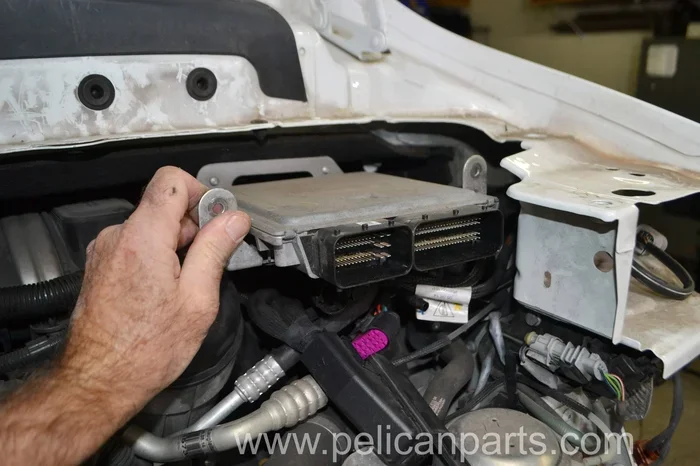
When a car engine is running, the alternator is producing electricity. It sends power to the battery and all the electrical components in the vehicle. The alternator outputs a higher voltage than a resting battery. If you connect jumper cables while the donor car is running, you create a sudden surge. This surge can travel through the cables and into the dead vehicle’s electrical system. Sensitive components like the ECU (Engine Control Unit) can get damaged by this spike.
Another risk is sparking. When you clip a cable to a live battery, you may create a spark near the battery terminals. Car batteries produce hydrogen gas. A spark in that area can be dangerous. At worst, it can cause the battery to explode. This is why safety guidelines always tell you to keep both engines off during the connection process.
The Role of the Alternator
Let us talk a bit about the alternator. When your engine runs, the alternator charges the battery and powers the electrical systems. It works like a small generator. If you connect cables while the donor car is running, the alternator is already at full output. The dead battery tries to draw a massive amount of current all at once. This sudden demand can strain the alternator and blow fuses. It can also damage the voltage regulator, which controls how much power flows through the system.
Think of it like this. Imagine two water tanks connected by a pipe. One tank is full and pressurized. The other is empty. If you open the valve too fast, the pressure surge can burst the pipe. The same idea applies to your car’s electrical system. You want a controlled, gentle flow of power. That is only possible when both engines are off during the initial connection.
The Correct Order to Attach Jumper Cables
Now that you know the engine should be off, let us talk about the correct order. The sequence in which you connect jumper cables is just as important as whether the car is running. Follow these steps carefully to stay safe and get the best results.
Step 1: Park Both Cars Safely
Pull both vehicles close enough that the cables can reach. Make sure both cars are in park (or neutral for manual transmissions). Turn off the ignition on both vehicles. Engage the parking brakes. This prevents either car from rolling while you work. It also ensures the electrical systems are completely dormant.
Step 2: Identify the Battery Terminals
Open the hood on both cars. Locate the batteries. You will see two terminals on each battery. The positive terminal is marked with a plus sign (+) and usually has a red cover or red cable. The negative terminal has a minus sign (-) and usually has a black cover or black cable. If the terminals are corroded or dirty, wipe them off with a cloth before connecting the cables.
Step 3: Connect the Red Cable First
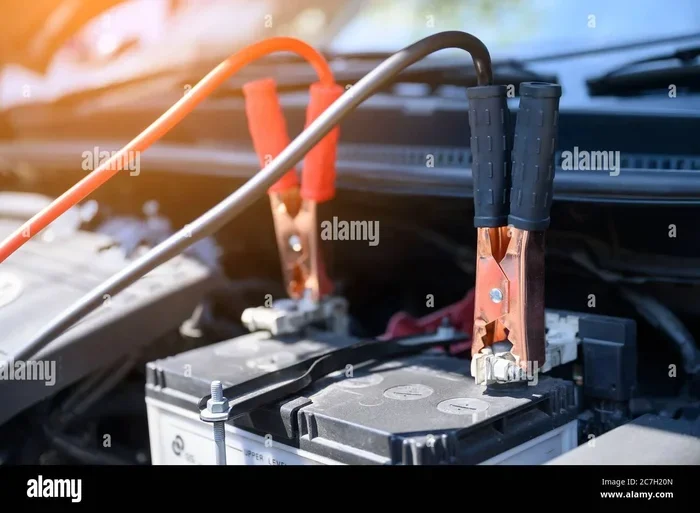
Take the red jumper cable and attach one clamp to the positive terminal of the dead battery. Then attach the other red clamp to the positive terminal of the good battery. Always start with the dead battery. This reduces the chance of sparking near the dead battery, where hydrogen gas may be present.
Step 4: Connect the Black Cable
Now take the black jumper cable. Attach one clamp to the negative terminal of the good battery. Then attach the other black clamp to an unpainted metal surface on the dead car’s engine block. This is called grounding. It is safer than connecting the black clamp directly to the dead battery’s negative terminal. Grounding on metal reduces the risk of sparks near the battery.
Step 5: Start the Donor Car First
Here is a key step many people miss. Start the engine of the donor car first. Let it idle for a few minutes. This allows the good battery to send a steady charge to the dead battery. After a few minutes, try starting the dead car. If it does not start right away, wait another minute or two and try again. Do not keep cranking for more than five seconds at a time. Let the battery rest between attempts.
Should You Attach Jumper Cables While the Car Is Running?
Let us answer the main question directly. No, you should not attach jumper cables while the car is running. The standard safety procedure requires both vehicles to be off during the cable connection process. Here are the specific reasons why attaching jumper cables to a running car is a bad idea.
First, it increases the risk of electrical damage. A running engine means the alternator is active and producing power. When you connect cables to a live electrical source, you create a potential for voltage spikes. These spikes can travel through the wiring and damage sensitive electronic components. Modern cars have dozens of computers and sensors. A voltage spike can fry one or more of these modules. Repair costs for electronic damage can easily run into hundreds or even thousands of dollars.
Second, there is the spark hazard we mentioned earlier. A running car’s battery is already under load. Connecting a cable to an active battery increases the chance of a spark. If that spark occurs near the battery, it can ignite hydrogen gas. While battery explosions are rare, they do happen. The risk is simply not worth taking.
Third, connecting cables to a running car can cause a voltage drop in the donor vehicle’s electrical system. The dead battery acts as a heavy load on the alternator. This can cause dimming lights, flickering dashboards, or even stalling in the donor car. You do not want to damage the vehicle that is helping you.
What About Portable Jump Starters?
Portable jump starters are a great alternative. These small devices have their own built-in battery. You do not need another vehicle at all. You can use a portable jump starter with the car’s engine off. In fact, that is the recommended way. Attach the jump starter cables to the dead battery, turn off the car’s electrical systems, and start the engine. Then you can disconnect the jump starter. This method is safe, simple, and very convenient.
Many jump starters also have USB ports and air compressors built in. They are a smart investment for any driver. You keep one in your trunk, and you are prepared for a dead battery situation anytime. Some models even have flashlights and emergency sirens. The best part is that you never have to worry about another car or whether the engine should be running.
Step-by-Step Jump Start Process
Let us walk through the entire jump-start process from start to finish. Follow these steps in order for a safe and successful jump start.
Before You Begin
- Make sure both vehicles are parked on level ground.
- Turn off all electrical loads in both cars (radio, lights, A/C, phone chargers).
- Check that the donor battery has enough voltage (12 volts or higher).
- Never attempt to jump-start a battery that is cracked, leaking, or visibly damaged.
- Wear safety glasses and gloves if you have them.
The Connection Process
- Both cars off: Ensure both vehicles are turned off and in park.
- Red to dead positive: Attach the red clamp to the positive terminal of the dead battery.
- Red to good positive: Attach the other red clamp to the positive terminal of the good battery.
- Black to good negative: Attach the black clamp to the negative terminal of the good battery.
- Black to grounded metal: Attach the other black clamp to an unpainted metal part of the dead car’s engine block.
- Start the good car: Let the donor car idle for two to three minutes.
- Start the dead car: Try to start the car with the dead battery.
- Let both cars run: Once the dead car starts, let both engines idle for a few minutes.
Removing the Cables
Once the dead car is running, you can remove the cables. Always remove them in the reverse order of how you connected them.
- Remove the black clamp from the grounded metal on the dead car.
- Remove the black clamp from the negative terminal of the good battery.
- Remove the red clamp from the positive terminal of the good battery.
- Remove the red clamp from the positive terminal of the dead battery.
Keep the cables organized and away from moving engine parts. Let the newly started car run for at least 15 to 20 minutes. This gives the alternator time to recharge the battery fully. If the battery was deeply discharged, you may need to drive the car for 30 minutes or more to restore a full charge.
Quick Tips for a Smooth Jump Start
- Clean any corrosion off the terminals with a wire brush before connecting cables.
- Make sure clamps do not touch each other during the connection process.
- Do not let the red and black cables cross at any point.
- If the dead car does not start after three attempts, stop and seek help.
- Drive the jumped car for at least 20 minutes to recharge the battery.
Common Mistakes People Make
Even with good intentions, people make mistakes when jump-starting a car. Here are the most common errors and how to avoid them.
Mistake 1: Connecting Cables to a Running Engine
We have covered this one already. Never attach cables while either car is running. This is the number one mistake people make. Always start with both engines off.
Mistake 2: Wrong Cable Order
Connecting the cables in the wrong order can cause sparks, short circuits, or electrical damage. Always follow the red-positive-positive, black-negative-grounded metal sequence. Never skip steps or rush the process.
Mistake 3: Letting Clamps Touch
If the red and black clamps touch each other or touch any metal surface other than the intended terminal, you create a short circuit. This can melt cable insulation, damage the clamps, or cause sparks. Keep the clamps separated and handle them carefully.
Mistake 4: Ignoring Corroded Terminals
Corrosion on battery terminals looks like a white or greenish powdery buildup. It blocks the electrical connection. If you try to jump-start a car with corroded terminals, the cables may not make proper contact. Clean the terminals first with a battery terminal cleaner or a mixture of baking soda and water.
Mistake 5: Not Letting the Battery Recharge
After a successful jump start, some drivers turn off the car immediately. This is a mistake. The battery needs time to recharge. Drive the car for at least 15 to 30 minutes before turning it off again. If the battery keeps dying, it may need to be replaced.
Mistake 6: Using the Wrong Gauge Cables
Not all jumper cables are created equal. Thin, lightweight cables have high resistance and may not deliver enough current to start a car. Look for cables that are at least 6 gauge for standard vehicles. For larger trucks and SUVs, 4 gauge or even 2 gauge cables work better.
When to Call a Professional
Sometimes jump-starting a car is not the right move. Here are situations where you should call a professional or roadside assistance instead.
- The battery is cracked or leaking: Do not attempt to jump-start a damaged battery. It could explode.
- The battery is more than five years old: Old batteries often cannot hold a charge anymore. A jump start may only work temporarily. Consider replacing the battery.
- The car has been sitting for months: A deeply discharged battery may be permanently damaged. It may not accept a charge at all.
- You are unsure about the process: If you feel uncomfortable or uncertain, it is perfectly fine to call for help. There is no shame in asking for assistance.
- The jump start does not work after several tries: The problem may not be the battery. It could be the starter motor, the alternator, or another electrical issue. A professional mechanic can diagnose the real problem.
Roadside assistance services like AAA or your insurance provider’s roadside plan can help in these situations. Many newer cars also come with roadside assistance coverage from the manufacturer. Keep these numbers saved in your phone for emergencies.
Preventing Dead Batteries in the Future
The best way to deal with a dead battery is to avoid one in the first place. Here are some simple habits that can extend your battery life and prevent unexpected failures.
- Turn off all lights and accessories when you exit the car. Leaving headlights or the interior dome light on is one of the most common causes of dead batteries.
- Drive your car regularly. The alternator charges the battery while you drive. If a car sits unused for weeks, the battery slowly loses its charge.
- Check the battery age. Most car batteries last three to five years. Mark the installation date on the battery with a marker. Replace it before it fails.
- Keep the terminals clean. Inspect the battery terminals every few months. Clean off any corrosion with a wire brush and a baking soda solution.
- Invest in a portable jump starter. These devices are affordable and compact. They can save you from a dead battery situation without needing another car.
- Limit short trips. Short drives do not give the alternator enough time to fully recharge the battery. If you only take short trips, consider driving longer distances occasionally.
Expert Insights on Battery Safety
We spoke with a few automotive professionals about jump-starting best practices. Here is what they had to say.
Maria Lopez, ASE Certified Mechanic: “The number one thing I tell my customers is to never rush the process. Turn both cars off, follow the cable order exactly, and be patient. A few extra minutes of care can save you hundreds of dollars in electrical repairs.”
James Chen, Auto Electrical Specialist: “Modern vehicles are much more sensitive to electrical issues than older cars. The ECU and other modules can be easily damaged by a voltage spike. That is why the rule of keeping both engines off during connection is so important. It is not just an old wives’ tale. It is genuine protection for your car’s electronics.”
Sarah Mitchell, Roadside Assistance Coordinator: “We see a lot of callouts for failed jump starts. Half the time, it is because the cables were connected in the wrong order or one of the cars was running. I always recommend people watch a proper tutorial or read the owner’s manual before they need to do it for real.”
Final Thoughts on Attaching Jumper Cables
So, do you attach jumper cables while the car is running? The answer is a clear no. Both vehicles should be completely off when you connect the cables. This simple rule protects your electrical system, prevents dangerous sparks, and keeps you and your helper safe. Follow the correct connection order, let the good car charge the dead battery for a few minutes, and then start the dead car. Remove the cables in reverse order, and let the restarted car run long enough to recharge the battery.
Jump-starting a car is a basic skill every driver should know. But knowing the basics is not enough. You need to know the correct steps and the reasons behind them. When you understand why the process works the way it does, you are much less likely to make a costly mistake. Keep a set of quality jumper cables in your trunk, consider a portable jump starter as a backup, and always prioritize safety over speed.
The next time you find yourself facing a dead battery, you will know exactly what to do. Stay calm, follow the steps, and you will be back on the road in no time. And if you ever feel unsure, there is no shame in calling for professional help. The road is full of kind strangers and reliable services ready to lend a hand.
Frequently Asked Questions
Can I attach jumper cables while the donor car is running?
No, you should always attach jumper cables with both cars turned off. A running donor car creates a voltage surge that can damage the dead car’s electrical system. It also increases the risk of sparking near the battery, which can be dangerous. Always start with both engines off and follow the correct cable connection order.
What happens if you attach jumper cables in the wrong order?
Attaching cables in the wrong order can cause sparks, short circuits, and electrical damage. It may blow fuses, fry the ECU, or damage the alternator. In the worst case, it can cause the battery to explode. Always connect red to positive first, then black to negative or grounded metal, and remove them in reverse order.
How long should I let the donor car run before trying to start the dead car?
Let the donor car idle for two to three minutes before attempting to start the dead car. This gives the good battery time to send a steady charge to the dead battery. If the dead car does not start, wait another minute or two and try again. Do not crank the engine for more than five seconds at a time.
Can a portable jump starter be used while the car is running?
You should use a portable jump starter with the car turned off. Connect the jump starter cables to the dead battery, turn off all electrical loads, and start the engine. Once the car is running, you can disconnect the jump starter. Using it while the car is running is unnecessary and could cause a voltage mismatch.
Why should I ground the black cable on metal instead of the battery?
Grounding the black cable on an unpainted metal surface of the engine block reduces the risk of sparking near the battery. Car batteries produce hydrogen gas, and a spark in that area can be hazardous. Connecting the black clamp to metal away from the battery is a safer practice that professionals recommend.
How long should I drive after a jump start to recharge the battery?
Drive the car for at least 15 to 30 minutes after a successful jump start. This allows the alternator to recharge the battery fully. If the battery was deeply discharged or is old, you may need to drive for longer. If the battery keeps dying after a jump start, it is likely time to replace it.
=== CONCLUSION ===
Do you attach jumper cables while the car is running? The answer is simple and clear: no. Always attach jumper cables to both vehicles with the engines turned off. This protects your electrical system, prevents dangerous sparks, and ensures a safe and effective jump start. Follow the correct cable order, be patient, and let the batteries do their work. With the right knowledge and a little preparation, you can handle a dead battery confidently and safely every single time.