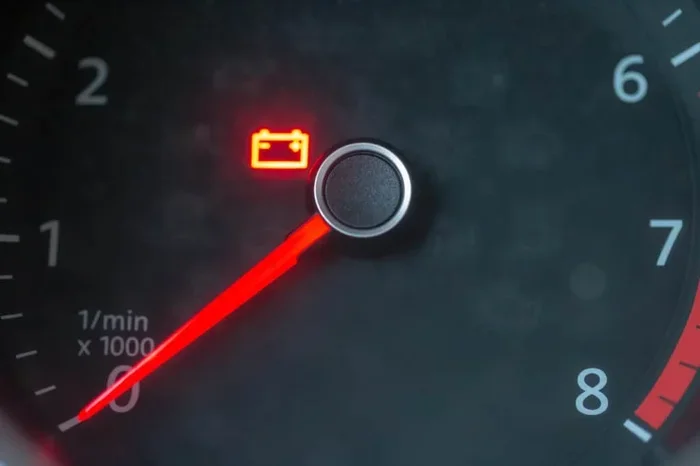
Can You Still Drive With a Check Charging System Warning
You can drive a short distance with a check charging system warning, but it is not safe for long trips. This warning light means your car’s electrical system is not charging the battery properly. Ignoring it can leave you stranded with a dead battery or a stalled engine. In this guide, we will walk you through exactly what this warning means, what to do, and how to stay safe on the road.
You are driving down the road, and suddenly a yellow or red light pops up on your dashboard. It says something like “Check Charging System” or shows a battery icon. Your heart skips a beat. You wonder, can you drive with a check charging system warning? The short answer is yes, but only for a little while. The longer answer is much more important, and it could save you from a roadside breakdown.
This warning light is your car’s way of telling you something is wrong with the electrical charging system. The system includes the battery, alternator, voltage regulator, and the serpentine belt that connects them all. When one of these parts fails, your car cannot keep the battery charged while you drive. That means you are running on battery power alone. And battery power does not last forever.
In this article, we will explain everything you need to know. We will cover what this warning means, whether you should keep driving, what causes it, and how to handle the situation safely. Whether you are on a highway or a quiet neighborhood street, this guide will help you make the right call.
Key Takeaways
- Short drives may be possible: You can sometimes drive a few miles, but the risk grows with every minute.
- Battery power is limited: Without a working charging system, your battery will drain quickly.
- Common causes include alternator failure, belt issues, and voltage regulator problems.
- Immediate action matters: Knowing when to pull over can save you from a dangerous breakdown.
- Regular maintenance helps prevent this warning from appearing in the first place.
- Never ignore the warning light. Even if the car seems fine, damage may be building.
📑 Table of Contents
- What Does the Check Charging System Warning Mean?
- Can You Still Drive With a Check Charging System Warning?
- Common Causes of a Charging System Warning
- What Happens If You Ignore the Warning?
- How to Diagnose the Problem
- When to Pull Over Immediately
- Preventing Charging System Problems
- Comparison: Driving With vs. Without a Charging System Warning
- How Far Can You Really Go?
- What to Do Right Now If the Light Comes On
- Conclusion
What Does the Check Charging System Warning Mean?
Before you decide whether to keep driving, you need to understand what this warning is telling you. The charging system warning light is part of your car’s onboard diagnostics. It monitors the health of the electrical system while you drive. When the system detects a problem, it triggers the light to alert you.
Most cars use a battery-shaped icon on the dashboard. Some vehicles show text like “Check Charging System” or “Charging System Fault.” No matter how it appears, the message is the same: the alternator is not charging the battery properly.
How the Charging System Works
Your car’s electrical system has a few key parts that work together:
- Battery: Provides the initial power to start the engine.
- Alternator: Generates electricity while the engine runs.
- Voltage Regulator: Controls the electrical output from the alternator.
- Serpentine Belt: Drives the alternator and other accessories.
- Wiring and Connections: Carry electricity throughout the vehicle.
When the engine is running, the alternator takes over from the battery. It keeps the battery charged and powers all the electrical systems in your car. If any part of this chain breaks down, the warning light comes on. The charging system is then running on backup power only, which is the battery.
Can You Still Drive With a Check Charging System Warning?
This is the question most drivers want answered. The honest answer is yes, but with major caveats. You can drive for a short distance, usually between 10 and 30 miles depending on your battery condition. However, every minute you drive with this warning increases the risk of a complete electrical failure.
The distance you can cover depends on several factors:
- Battery health: A newer battery will last longer than an old one.
- Electrical load: Using headlights, AC, and the radio drains the battery faster.
- Driving conditions: Stop-and-go traffic drains power quicker than highway driving.
- Temperature: Extreme cold or heat reduces battery performance.
The safest approach is to drive to the nearest auto repair shop or a safe location. Turn off all non-essential electrical systems to conserve power. Do not try to drive long distances or take highway trips with this light on.
Quick Tips
- Turn off the air conditioning and radio to save battery power.
- Drive directly to a safe location or mechanic.
- Do not turn off the engine once you are stopped, as restarting may be difficult.
- Keep your phone charged in case you need to call for help.
Common Causes of a Charging System Warning
Understanding the root cause helps you decide how urgent the situation is. Several things can trigger the check charging system warning. Here are the most common culprits:
1. Alternator Failure
The alternator is the workhorse of the charging system. When it fails, the battery becomes the only power source. Alternator failure can happen due to worn bearings, damaged diodes, or general wear over time. A dead alternator means the car will stall once the battery drains.
2. Serpentine Belt Problems
The serpentine belt connects the engine to the alternator and other accessories. If this belt breaks or slips, the alternator stops spinning. Without rotation, there is no electricity generation. A loose or worn belt is one of the most common reasons for this warning light.
3. Voltage Regulator Malfunction
The voltage regulator controls how much power the alternator sends to the battery. If it fails, the alternator may overcharge or undercharge the battery. Either situation triggers the warning light and can cause long-term damage.
4. Battery Corrosion or Weak Battery
Sometimes the battery itself is the problem. Corroded terminals or a weak battery cannot hold a charge. The charging system works fine, but the battery cannot keep up. This is more common in older vehicles or cars that sit unused for long periods.
5. Faulty Wiring or Connections
Loose or corroded wires can interrupt the flow of electricity. Even a small connection issue can cause the warning light to come on. Electrical problems are tricky because they can come and go, making diagnosis harder.
What Happens If You Ignore the Warning?
Some drivers see the warning light and decide to keep going. They think it is just a minor glitch. This is a dangerous mistake. Ignoring the check charging system warning can lead to serious consequences.
Here is what can happen if you keep driving without addressing the issue:
- The battery dies completely: Once the battery is drained, the engine will stall. You will be stranded on the road.
- Loss of power steering: Many modern cars use electric power steering that fails when the battery dies.
- Loss of power brakes: Brake boosters rely on the electrical system. Without power, stopping becomes much harder.
- Engine damage: A stalled engine in traffic can cause collisions or damage to the engine itself.
- Electrical system damage: Sensitive electronics like the ECU, sensors, and infotainment system can be fried by voltage irregularities.
The risk of a roadside breakdown increases every minute you ignore this warning. What starts as a small issue can turn into a costly repair bill and a very unsafe situation.
Expert Insight
Certified mechanics often see drivers who ignored the charging warning for days. By the time they bring the car in, the battery is completely dead, and the alternator is also damaged. What could have been a simple alternator replacement turns into a double repair job. The cost goes up, and the downtime is longer.
How to Diagnose the Problem
If you see the warning light, you do not have to guess what is wrong. A few simple checks can help you narrow down the cause. Some of these you can do yourself, while others need a professional.
Check the Battery Voltage
Use a multimeter to test the battery voltage with the engine off. A healthy battery should read around 12.6 volts. Then start the engine and test again. The voltage should rise to between 13.7 and 14.7 volts. If it stays below 13.5 volts, the alternator is likely not charging properly.
Inspect the Serpentine Belt
Open the hood and look at the serpentine belt. Check for cracks, fraying, or looseness. A belt that looks worn or makes a squealing noise needs replacement. This is one of the easiest charging system repairs you can do yourself if you are handy.
Listen for Unusual Sounds
A failing alternator often makes grinding or whining noises. If you hear strange sounds coming from the engine bay, get the car checked right away. These sounds usually mean internal parts are wearing out.
Watch for Other Warning Signs
Pay attention to other signs that point to a charging problem:
- Dimming headlights or dashboard lights.
- Electrical accessories acting erratically.
- The engine cranking slowly when starting.
- Warning lights flickering on and off.
If you notice any of these along with the charging warning, treat it as urgent. Get the car to a mechanic as soon as safely possible.
When to Pull Over Immediately
Not every situation with this warning is the same. Sometimes you need to pull over right away. Here are the signs that you should stop driving immediately:
- The engine starts stalling: If the engine cuts out while driving, pull over safely and turn on hazard lights.
- Multiple warning lights appear: If the battery light comes with other warnings like oil pressure or engine temperature, stop immediately.
- Loss of power steering: If the steering becomes heavy or unresponsive, this is a safety hazard.
- Electrical systems failing: If the dashboard goes dark or lights flicker severely, pull over.
- Strange smells or sounds: Burning smells or loud grinding noises mean something is seriously wrong.
When you pull over, turn on your hazard lights. If you are on a highway, move to the shoulder as far as possible. Call for roadside assistance if you cannot safely reach a repair shop. Do not try to push the car or fix it yourself on a busy road.
Preventing Charging System Problems
The best way to deal with the check charging system warning is to prevent it from happening in the first place. Regular maintenance goes a long way in keeping your electrical system healthy.
Routine Maintenance Tips
- Inspect the serpentine belt every 30,000 miles: Look for cracks, wear, or glazing. Replace it if needed.
- Test the battery twice a year: Most auto parts stores will test your battery for free.
- Check the alternator output during oil changes: A quick voltage test can catch problems early.
- Keep battery terminals clean: Remove any corrosion with a wire brush and baking soda solution.
- Avoid short trips when possible: Short drives do not give the alternator enough time to fully recharge the battery.
Following these simple steps can help you avoid the stress and danger of a charging system failure on the road.
Common Mistakes to Avoid
- Ignoring the warning light: Even if the car seems to run fine, the problem will get worse.
- Jump-starting without fixing the root cause: A jump start is a temporary fix. It does not solve the underlying issue.
- Replacing the battery when the alternator is the real problem: This wastes money and the new battery will die quickly.
- Driving long distances with the warning on: This risks a complete breakdown and potential engine damage.
- Not checking the belt tension: A loose belt is a common and easy-to-fix cause of charging warnings.
Comparison: Driving With vs. Without a Charging System Warning
| Factor | Driving With Warning | Normal Driving (No Warning) |
|---|---|---|
| Battery Status | Draining with no recharge | Being continuously charged |
| Risk of Breakdown | High within 30 minutes to 1 hour | Very low |
| Power Steering | May fail as battery drains | Fully operational |
| Power Brakes | May become harder to depress | Fully operational |
| Electrical Systems | Unreliable, may flicker or shut off | Stable and consistent |
| Repair Cost | Can increase if damage spreads | No additional cost |
| Safety Risk | Elevated, especially in traffic | Normal |
As the table shows, driving with a charging system warning is fundamentally different from normal driving. The risks compound over time, and the longer you drive, the worse the situation becomes.
How Far Can You Really Go?
The honest answer depends on your specific situation. A modern car with a healthy battery might run for 30 to 40 miles with a failed alternator. An older car with a weak battery might only last 5 to 10 miles. Here is a rough guide:
- New battery, no electrical load: Up to 40 miles possible.
- Average battery, lights and radio on: About 15 to 25 miles.
- Old battery, AC and headlights on: As little as 5 to 10 miles.
- Very old or weak battery: May not even start after the warning appears.
These numbers are estimates. Your results may vary based on the factors mentioned earlier. The safest approach is always to pull over and seek help rather than risk being stranded.
What to Do Right Now If the Light Comes On
If the check charging system warning appears while you are driving, follow these steps:
- Stay calm: The car will not shut off immediately. You have some time to react.
- Turn off all non-essential electrical systems: This includes the AC, radio, heated seats, and rear windshield heater.
- Find a safe place to pull over: Look for a parking lot, side street, or shoulder.
- Do not turn off the engine: Once stopped, keep the engine running if possible. Restarting a car with a dead battery is very difficult.
- Call for roadside assistance: If you are not near a mechanic, call for a tow or a jump start.
- Get the car inspected: Have a professional diagnose the problem as soon as possible.
Following these steps keeps you safe and minimizes the risk of further damage to your vehicle.
Conclusion
The answer to the question can you drive with a check charging system warning is yes, but only for a very short distance. This warning is a serious alert that should never be ignored. Your car’s charging system keeps the battery alive and powers all the electrical components you rely on every day. When it fails, you are on borrowed time.
The safest approach is always to pull over, turn off unnecessary electronics, and get the car to a mechanic. Regular maintenance of the alternator, battery, and serpentine belt can help you avoid this situation altogether. Do not take chances with your safety or your wallet. Address the warning as soon as it appears, and you will save yourself from a much bigger headache down the road.
Remember, the check charging system warning is your car trying to tell you something important. Listen to it. Your safety, your wallet, and your peace of mind depend on it.
Frequently Asked Questions
How long can I drive with a check charging system warning on?
You can typically drive between 10 and 40 miles depending on your battery condition and electrical load. However, this is not recommended. The safest choice is to pull over and get the car inspected as soon as possible. Every minute you drive increases the risk of a complete electrical failure.
What causes a check charging system warning to come on?
The most common causes are alternator failure, a loose or broken serpentine belt, a faulty voltage regulator, a weak battery, or corroded wiring connections. Any problem in the charging system chain can trigger this warning light on your dashboard.
Can a dead battery cause the check charging system warning?
Yes, a dead or weak battery can trigger the warning. However, the warning usually points to a charging system issue rather than just a dead battery. A professional diagnosis can help determine whether the battery itself is the problem or if something else in the charging system is failing.
Is it safe to drive with the charging system warning light on at night?
No, it is especially dangerous to drive at night with this warning. Your headlights rely on the electrical system, and a failing charging system means your lights may dim or go out entirely. This creates a serious safety hazard for you and other drivers on the road.
What should I do if the warning light comes on while on the highway?
Stay calm and reduce your speed gradually. Turn off all non-essential electrical systems. Move to the right lane or shoulder and pull over safely. Turn on your hazard lights and call for roadside assistance. Do not attempt to keep driving on the highway with this warning active.
Can I fix a charging system problem myself?
Some minor issues like a loose serpentine belt or corroded battery terminals can be fixed at home with basic tools. However, alternator and voltage regulator problems require professional diagnosis and repair. If you are not confident in your mechanical skills, it is best to visit a qualified mechanic.