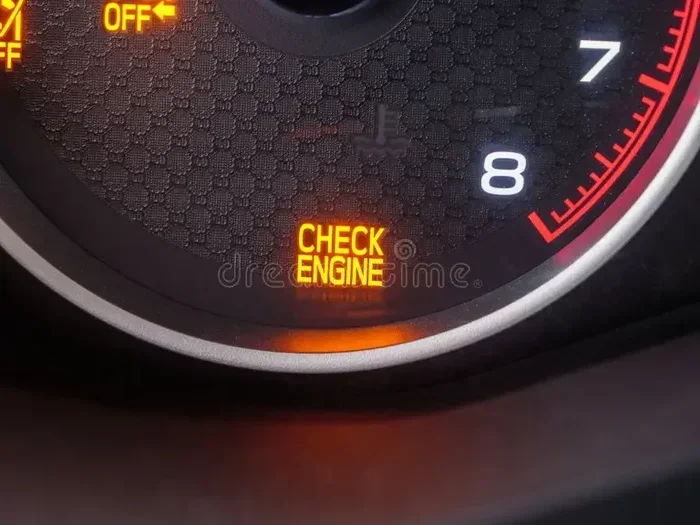
Can I Still Drive With a P0171 Code Heres What You Need
Can I still drive with a P0171 code? The short answer is yes, but only for a short distance and with caution. A P0171 code means your engine is running too lean, which can cause serious damage if ignored. This guide covers what the code means, the symptoms to watch for, the common causes, and the best ways to fix it. You will also learn when it is safe to keep driving and when you should pull over immediately.
You are driving along, and suddenly the check engine light pops on. You glance at the dashboard and feel a sinking feeling. Then you plug in your scanner, and it confirms your fear. The code reads P0171. Your mind starts racing. Can I still drive with a P0171 code? Is this something I can ignore? Or is this the beginning of a very expensive problem?
Let me put your mind at ease. You can still drive with a P0171 code in most cases. But that does not mean you should. This code tells you something is wrong with your engine’s air-fuel mixture. It means the engine is running too lean. That is, there is too much air and not enough fuel. Over time, this can cause real damage. The good news is that this article will walk you through everything you need to know. You will learn what the code means, what causes it, what the symptoms look like, and how to fix it. Let us get into it.
Key Takeaways
- You can drive short distances: A P0171 code does not always mean your car will stop running, but it is not safe to ignore it.
- Lean condition is the core issue: The P0171 code means your engine has too much air or not enough fuel in the combustion chamber.
- Common causes include vacuum leaks and faulty sensors: The mass airflow sensor, oxygen sensor, and fuel injectors are frequent culprits.
- Driving with the code too long can cause engine damage: Running lean can hurt your catalytic converter, pistons, and other expensive parts.
- A scan tool helps diagnose the problem: An OBD-II scanner lets you read the code and check fuel trim values.
- Fix it promptly: The sooner you address the P0171 code, the cheaper and easier the repair will be.
📑 Table of Contents
What Does the P0171 Code Mean?
The P0171 code is one of the most common trouble codes you will see. It stands for “System Too Lean (Bank 1).” Bank 1 refers to the side of the engine that contains cylinder one. When your car’s computer detects that the air-fuel mixture is too lean, it sets this code. Your engine needs a precise balance of air and fuel to run well. When that balance tips too far toward air, problems start to happen.
How the Air-Fuel Ratio Works
Your engine runs best when the air-fuel ratio sits around 14.7 to 1. That means 14.7 parts air to one part fuel. This is called the stoichiometric ratio. When the mixture goes above this ratio, the engine runs lean. When it goes below, it runs rich. The P0171 code specifically points to a lean condition. Your car’s computer uses sensors to monitor this ratio constantly. If the mixture stays too lean for too long, the check engine light comes on.
Short-Term vs Long-Term Fuel Trim
Your engine’s computer adjusts fuel delivery in real time. It uses two types of fuel trim values. Short-term fuel trim makes quick adjustments. Long-term fuel trim makes bigger, slower changes. When the P0171 code appears, you will often see fuel trim values that are very high. Positive fuel trim values above 20 percent usually indicate a lean condition. Your scanner will show you these numbers, and they are very helpful for diagnosis.
Can I Still Drive With a P0171 Code?
This is the question everyone wants answered. And the honest answer is: it depends. You can drive a short distance with a P0171 code. Maybe a few miles to get home or to a repair shop. But you should not drive long distances or push the engine hard. The risk of damage increases the longer you drive with a lean condition.
When It Is Safe to Drive
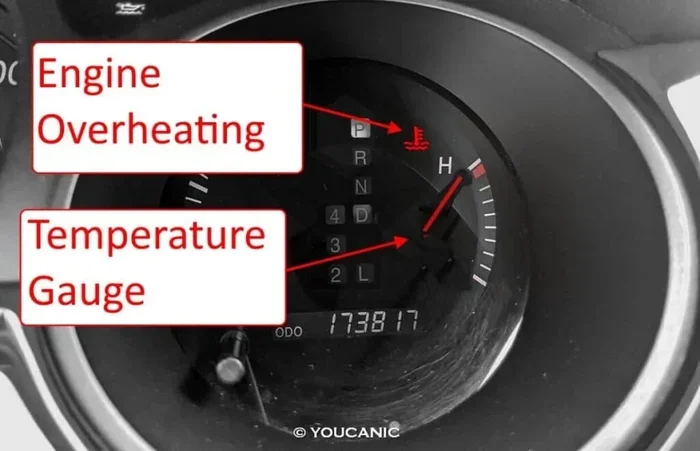
There are a few situations where driving with a P0171 code is relatively low risk. If the code just appeared and your car feels normal, you might have a minor issue. Perhaps the fuel quality was off, or there was a temporary sensor glitch. In these cases, you can drive carefully to a safe location. Just keep the speed moderate and avoid heavy acceleration. Watch your temperature gauge and pay attention to any new symptoms.
When You Should Stop Driving
You should stop driving right away if you notice any of these signs. Rough idling is a big red flag. If the engine shakes or stalls at a stoplight, do not keep going. Loss of power while driving is another warning sign. If your car struggles to accelerate, pull over safely. Knocking or pinging sounds from the engine mean the lean mixture is causing detonation. This can damage pistons and connecting rods quickly. If the check engine light is flashing instead of staying solid, that is even more urgent. A flashing light often means a misfire is occurring, which can destroy the catalytic converter in minutes.
The Real Risks of Ignoring the Code
So what happens if you just keep driving? A lean engine runs hotter than normal. The combustion temperatures rise, which can cause pre-ignition and detonation. Over time, this wears out piston rings, valves, and cylinder walls. The catalytic converter also suffers. It has to handle higher temperatures and unburned oxygen, which can melt the internal substrate. Replacing a catalytic converter costs a lot of money. We are talking hundreds or even thousands of dollars. Fixing the P0171 code early is always cheaper than fixing the damage it causes later.
Common Causes of the P0171 Code
Understanding what causes a P0171 code helps you figure out how serious the problem is. Several things can trigger a lean condition. Some are simple and cheap to fix. Others are more involved. Let us look at the most common causes.
Vacuum Leaks
A vacuum leak is one of the top causes of the P0171 code. Your engine has many rubber hoses and gaskets that seal the intake system. Over time, these can crack, harden, or come loose. When unmetered air enters the engine through a leak, the computer does not account for it. The result is a lean mixture. Common leak points include the intake manifold gasket, vacuum hoses, the PCV valve hose, and the brake booster line. A simple smoke test at a repair shop can find these leaks quickly.
Faulty Mass Airflow Sensor
The mass airflow sensor, or MAF sensor, measures the amount of air entering the engine. If this sensor is dirty or failing, it sends wrong readings to the computer. The computer then delivers the wrong amount of fuel. A dirty MAF sensor often causes a lean code. You can sometimes clean it with special MAF sensor cleaner spray. But if it is damaged, replacement is the fix. The good news is a new MAF sensor is usually not very expensive.
Oxygen Sensor Problems
The oxygen sensor, or O2 sensor, monitors the exhaust gases. It tells the computer how rich or lean the mixture is. If the O2 sensor fails or gets slow readings, the computer cannot adjust fuel delivery properly. Bank 1 sensors are especially important for triggering the P0171 code. Oxygen sensors wear out over time, usually after 60,000 to 100,000 miles. Replacing an O2 sensor is a common and affordable repair.
Fuel Injector Issues
Fuel injectors spray fuel into the combustion chamber. If one or more injectors are clogged, dirty, or failing, they do not deliver enough fuel. This creates a lean condition on the affected cylinders. You might notice a rough idle or a slight misfire along with the P0171 code. Fuel injector cleaner additives can sometimes help. But severely clogged injectors may need to be removed and cleaned or replaced entirely.
Fuel Pump or Fuel Pressure Regulator
Your fuel pump delivers fuel from the tank to the engine at the right pressure. If the pump is weak or failing, it cannot supply enough fuel. The fuel pressure regulator controls this pressure. If it malfunctions, fuel pressure drops, and the engine runs lean. These are more serious causes that usually require a mechanic to diagnose and fix.
Exhaust Leaks
Believe it or not, an exhaust leak before the oxygen sensor can also trigger a P0171 code. The O2 sensor reads the exhaust gases to adjust the fuel mixture. If there is a leak, outside air gets sucked into the exhaust stream. This tricks the sensor into thinking the mixture is lean. The computer then adds more fuel, but the real problem is the leak, not the fuel delivery. Exhaust leaks near the manifold are common and can sometimes be heard as a ticking or hissing sound.
Air Filter or Intake Issues
A less obvious cause is a clogged air filter or a problem with the intake system. If the air filter is extremely dirty, it can sometimes cause erratic airflow readings. In some cases, aftermarket air filters or cold air intake kits can cause issues if they are not installed correctly. The computer expects a certain amount of airflow, and any deviation can trigger the P0171 code.
Symptoms of a P0171 Code
Knowing the symptoms helps you catch the problem early. Some signs are obvious, while others are subtle. Here are the most common symptoms you might notice.
- Check engine light: This is the most obvious sign. The light comes on and stays on when the P0171 code is stored.
- Rough idle: The engine shakes or feels uneven when you are stopped.
- Hesitation or stumbling: The car feels sluggish when you press the gas pedal.
- Reduced fuel economy: You might notice you are filling up more often than usual.
- Hard starting: The engine takes longer to turn over or may not start at all.
- Engine misfires: You feel a jerking sensation, especially at low speeds.
- Dark or black exhaust: In some lean conditions, unburned fuel can create dark smoke.
- Smell of fuel: A strong fuel odor near the exhaust or engine bay is a warning sign.
Not everyone will experience all of these symptoms. Some cars run surprisingly fine with a P0171 code for a while. But even if the car feels okay, the underlying problem is still there. Ignoring it will only make things worse.
How to Diagnose and Fix the P0171 Code
Diagnosing a P0171 code takes a systematic approach. You do not just replace parts randomly. That is a quick way to waste money. Here is how a good mechanic or a DIYer would approach this.
Step 1: Scan for Codes
Start by plugging an OBD-II scanner into the diagnostic port. This is usually located under the dashboard on the driver’s side. Read the codes and write them down. The P0171 code will be there, but you might also see related codes. Codes like P0174 (System Too Lean Bank 2) or misfire codes can give you more clues about the problem.
Step 2: Check for Vacuum Leaks
Next, inspect the vacuum hoses and intake components. Look for cracked hoses, loose connections, or damaged gaskets. A spray bottle with soapy water can help. Spray it around the intake manifold and vacuum lines while the engine is running. If you see bubbles forming, you have found a leak. This is one of the easiest and cheapest fixes.
Step 3: Inspect the Mass Airflow Sensor
Remove the MAF sensor and check it for dirt or contamination. If it looks dirty, clean it gently with MAF sensor cleaner. Do not touch the delicate wires inside. After cleaning, reinstall it and clear the code. Drive the car and see if the P0171 code returns.
Step 4: Check Fuel Pressure
Use a fuel pressure gauge to test the system. Compare the readings to your vehicle’s specifications. Low fuel pressure points to a weak fuel pump or a failing pressure regulator. This is a more involved repair but still very doable.
Step 5: Inspect the Oxygen Sensor
Check the O2 sensor readings on your scanner. The sensor should fluctuate between rich and lean in a normal pattern. If it stays stuck lean or rich, the sensor is likely faulty. Replacement is straightforward and usually takes about 30 minutes.
Step 6: Check Fuel Injectors
Inspect the fuel injectors for clogs or leaks. A fuel injector cleaning service can sometimes restore proper function. If an injector is leaking or not spraying properly, it needs to be replaced.
Quick Tips for Diagnosis
- Always start with the simplest and cheapest fixes first.
- Do not replace parts without confirming they are faulty.
- Use freeze frame data on your scanner to see what conditions triggered the code.
- Check for any technical service bulletins from the manufacturer for your specific vehicle.
- If you are unsure, a professional mechanic can save you time and money in the long run.
How Much Does It Cost to Fix?
The cost to fix a P0171 code varies widely depending on the cause. Here is a rough breakdown of common repairs and their costs.
| Repair | Estimated Cost | Difficulty |
|---|---|---|
| Fix vacuum leak | $50 – $200 | Easy to moderate |
| Clean or replace MAF sensor | $50 – $250 | Easy |
| Replace oxygen sensor | $100 – $300 | Moderate |
| Clean or replace fuel injector | $150 – $500 | Moderate |
| Replace fuel pump | $300 – $800 | Moderate to hard |
| Replace catalytic converter | $500 – $2,500 | Hard |
As you can see, the cost ranges a lot. The earlier you catch the P0171 code, the cheaper the repair. A simple vacuum leak fix costs very little. But if you ignore the code and damage the catalytic converter, you are looking at a much bigger bill. The message is clear. Do not delay.
Expert Insights on the P0171 Code
Experienced mechanics often say that the P0171 code is one of the most overdiagnosed codes on the road. Many people assume the worst when they see it. But in reality, the cause is often simple. A vacuum leak or a dirty MAF sensor accounts for a large percentage of P0171 cases. The key is to diagnose properly before replacing expensive parts. Always read the freeze frame data. This tells you the exact conditions when the code was triggered. It gives you valuable context that helps narrow down the cause.
Another expert tip is to check the fuel cap. It sounds silly, but a loose or damaged fuel cap can sometimes cause lean codes. The evaporative emissions system is part of the engine management system. A bad seal at the fuel cap can trigger the check engine light and even set a P0171 code in some cases. Always check the simple things first.
Key Takeaways
- You can drive short distances: A P0171 code does not always mean your car will stop running, but it is not safe to ignore it.
- Lean condition is the core issue: The P0171 code means your engine has too much air or not enough fuel in the combustion chamber.
- Common causes include vacuum leaks and faulty sensors: The mass airflow sensor, oxygen sensor, and fuel injectors are frequent culprits.
- Driving with the code too long can cause engine damage: Running lean can hurt your catalytic converter, pistons, and other expensive parts.
- A scan tool helps diagnose the problem: An OBD-II scanner lets you read the code and check fuel trim values.
- Fix it promptly: The sooner you address the P0171 code, the cheaper and easier the repair will be.
Conclusion
So, can I still drive with a P0171 code? Yes, you can, but only for a short distance and with care. The P0171 code tells you your engine is running lean, which means there is too much air and not enough fuel. This condition can cause serious engine damage if you ignore it. The good news is that the most common causes are easy and affordable to fix. A vacuum leak, a dirty MAF sensor, or a failing oxygen sensor can all trigger this code, and all are repairable.
Do not wait for the problem to get worse. If your check engine light is on and the P0171 code is showing, take action now. Use an OBD-II scanner to confirm the code. Check for obvious issues like vacuum leaks or a loose fuel cap. If you cannot find the cause, visit a trusted mechanic. The sooner you fix the P0171 code, the better off your engine will be. Your wallet will thank you too.
Driving with a P0171 code is not the end of the world. But it is a warning you should not ignore. Treat it as a call to action. Diagnose the problem, fix it, and get back on the road with confidence. Your car will run better, last longer, and save you money in the long run. That is a win for everyone.
Frequently Asked Questions
Can I drive 50 miles with a P0171 code?
In most cases, you can drive a short distance like 50 miles with a P0171 code if the car is running reasonably well. However, you should avoid highway speeds and heavy acceleration. If the car starts running rough or losing power, pull over and get it towed to a repair shop.
What is the most common cause of a P0171 code?
The most common cause is a vacuum leak. Unmetered air entering the engine through a cracked hose or bad gasket tricks the computer into running the mixture too lean. A dirty mass airflow sensor is the second most common cause. Both are relatively easy and affordable to fix.
Will a P0171 code clear itself?
Sometimes the code will clear itself if the issue was temporary, like bad fuel or a momentary sensor glitch. However, if the underlying problem still exists, the code will return. You should always diagnose the root cause rather than just clearing the code and hoping it goes away.
How serious is a P0171 code?
A P0171 code is moderately serious. It is not an immediate emergency in most cases, but it should not be ignored. Driving with a lean condition for extended periods can damage the catalytic converter, pistons, and other engine components. The longer you wait, the more expensive the repair becomes.
Can a bad fuel cap cause a P0171 code?
Yes, a loose or damaged fuel cap can sometimes trigger a P0171 code. The fuel cap seals the evaporative emissions system. If the seal is broken, air can enter the system and affect the air-fuel mixture readings. Always check the fuel cap first when a lean code appears.
How much does it cost to fix a P0171 code?
The cost depends entirely on the cause. A simple vacuum leak repair might cost under $100. Cleaning or replacing a MAF sensor could run $50 to $250. Replacing an oxygen sensor typically costs $100 to $300. More serious repairs like a fuel pump or catalytic converter replacement can cost several hundred to over a thousand dollars.