What Is the Difference Between Roof Rack and Roof Rail
A roof rack and a roof rail are not the same thing. A roof rack is a complete system with bars that sits on top of your car, while roof rails are the raised tracks or strips mounted directly to the vehicle’s roof. Understanding this difference helps you choose the right car roof accessories for your needs.
Key Takeaways
- Roof rails are factory-mounted tracks on the vehicle roof that provide a base for attaching accessories.
- A roof rack is a full system that includes crossbars and sometimes feet, designed to carry cargo on top of a vehicle.
- Factory roof rails come built into many modern cars, while aftermarket roof rack systems can be added to any vehicle.
- Roof rack compatibility depends on whether your car has raised rails, flush rails, or no rails at all.
- Installation ease differs greatly between the two systems, with rails often requiring fewer steps.
- Weight capacity and cargo options vary based on the system you choose.
- Both systems serve different purposes but can work together for maximum hauling versatility.
📑 Table of Contents
- What Is the Difference Between a Roof Rack and a Roof Rail?
- What Is a Roof Rail?
- What Is a Roof Rack?
- Key Differences Between a Roof Rack and a Roof Rail
- Which One Should You Choose?
- Installation Tips for Roof Racks and Roof Rails
- Common Mistakes People Make
- Expert Insights on Roof Racks and Roof Rails
- Quick Tips Summary
- Conclusion
What Is the Difference Between a Roof Rack and a Roof Rail?
If you have ever stood in an auto parts store or browsed online for car roof accessories, you have probably seen the terms roof rack and roof rail used a lot. They sound similar. They look somewhat alike. But they are not the same thing.
The main difference comes down to what each one is and how it works on your vehicle. A roof rail is a track or raised strip that is attached directly to the roof of your car. A roof rack is a complete system that includes bars, feet, and sometimes even crossbars that sit on top of the roof.
Knowing this difference matters a lot. It affects what you can carry. It affects how you install things. And it affects how much weight your vehicle can safely handle on top. This guide breaks it all down in simple terms.
By the end, you will know exactly which system you need. You will also understand how roof rack installation works and why roof rail compatibility is so important when shopping for car roof accessories.
What Is a Roof Rail?
A roof rail is a strip or track that runs along the length of your vehicle’s roof. It is usually made of metal or sturdy plastic. Most of the time, it comes attached to the car when you buy it.
Think of roof rails as the foundation. They give you something to attach other accessories to. Without them, many roof-mounted items would have no way to stay in place.
Types of Roof Rails
Not all roof rails look the same. There are a few common types you should know about.
- Raised roof rails: These stick up above the roof surface. They are easy to spot and make it simple to clip on accessories like roof rack bars or a cargo carrier.
- Flush roof rails: These sit flat against the roof. They are smoother and lower profile. Many modern cars use this design for a sleeker look.
- Painted or body-colored rails: These match the car’s color. They blend in and do not stand out much.
- Chrome or polished rails: These have a shiny finish. They look sporty but can show scratches more easily.
What Can You Attach to Roof Rails?
Roof rails open up a lot of possibilities. You can add a roof box for extra storage. You can mount a kayak carrier for weekend adventures. Some people use them to hold bikes, skis, or even cargo baskets.
The key thing to remember is that roof rails alone do not hold much. They need a roof rack system or specific adapters to create a usable platform. But they give you the anchor points you need to make all of that work.
What Is a Roof Rack?
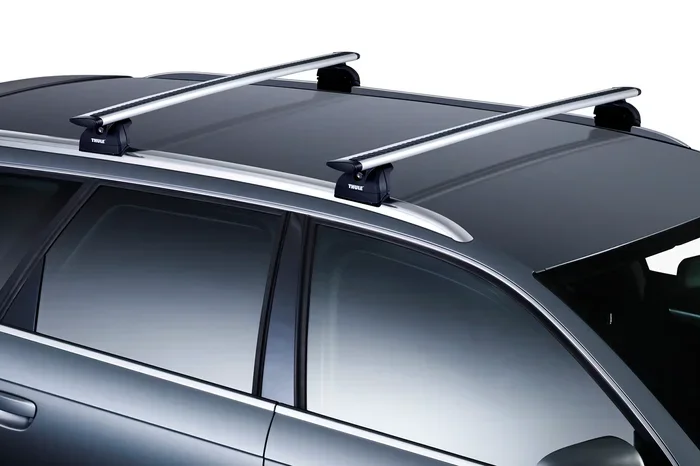
A roof rack is a full system built to carry things on top of your car. It usually has two main parts: the feet that attach to the roof and the crossbars that run across the top.
Some roof rack systems come with everything you need right out of the box. Others need separate pieces depending on your vehicle. The goal is always the same: to give you a sturdy platform for hauling gear.
Parts of a Roof Rack
Understanding the parts helps you see why a roof rack is more than just a couple of bars.
- Feet or base plates: These are the pieces that attach to the roof. They either clamp onto roof rails or sit on the roof surface using straps or suction cups.
- Crossbars: These run the length of the roof. They are the bars you actually load gear onto. Roof rack crossbars come in different lengths and materials.
- Towers or towers with locks: These connect the feet to the crossbars. Some systems use a quick-release mechanism so you can remove the bars when not in use.
- Accessories: Things like cargo carriers, kayak carriers, bike racks, and ski racks all attach to the crossbars.
When Do You Need a Roof Rack?
You need a roof rack when you want to carry things that will not fit inside the car. Maybe you are moving to a new place and need extra space. Maybe you are a kayaker or a skier who needs specialized carriers.
A roof rack system is also great for road trips. You can pack a roof box with clothes, food, and camping gear. This frees up space inside the car for passengers.
Key Differences Between a Roof Rack and a Roof Rail
Now that you know what each one is, let us look at the real differences. These points will help you make the right choice.
Installation
Roof rail installation is usually done by the manufacturer. The rails come pre-attached to the vehicle. You do not need to do anything special.
Roof rack installation is something you do yourself after purchase. It involves placing the feet on the roof, locking them into the rails or onto the roof surface, and then sliding the crossbars into place. Most kits come with clear instructions, but it does take some time.
Compatibility
This is a big one. Not every car has roof rails. And not every roof rack fits every car.
- If your car has raised roof rails, you can use many standard roof rack systems.
- If your car has flush roof rails, you may need a specific adapter or a rack designed for flat surfaces.
- If your car has no rails at all, you can still get a roof rack that uses straps or suction-based feet.
Always check roof rail compatibility before buying anything. The wrong system will not fit safely.
Weight Capacity
A roof rack generally has a higher weight capacity than roof rails alone. The full system distributes weight across the roof more evenly. This matters a lot when you are carrying heavy items like a loaded cargo carrier or multiple bikes.
Roof rack weight capacity depends on the vehicle manufacturer. You can usually find this information in the owner’s manual. Never exceed the limit. Too much weight on top can affect your driving and safety.
Aesthetics
Roof rails are part of the car’s design. They look clean and integrated. A roof rack adds bulk to the roof. Some people love the rugged look. Others prefer the sleeker appearance of rails without a rack on top.
If looks matter to you, consider flush roof rails paired with a low-profile roof rack system. This combo keeps the vehicle looking smooth while still giving you hauling power.
Cost
Factory roof rails are already paid for when you buy the car. Adding a roof rack system costs extra. Prices vary widely based on brand, material, and features.
A basic aftermarket roof rack can cost anywhere from 100 to 400 dollars. Premium systems with aerodynamic bars and locking mechanisms can go higher. Car roof accessories like boxes and carriers add to the cost.
Removability
Most roof rack systems are removable. You can take the bars off when you are not using them. This helps with fuel economy and keeps the roof looking clean.
Roof rails stay on the car permanently. They are part of the vehicle’s structure. You cannot remove them without modifying the car.
Which One Should You Choose?
The right choice depends on your lifestyle and what you plan to carry.
Choose Roof Rails If…
- Your car already has them and you only need a few accessories.
- You want a clean, low-profile look most of the time.
- You occasionally carry light items like a roof box or a cargo bag.
- You do not want to deal with installing and removing a full rack system.
Choose a Roof Rack If…
- Your car does not have roof rails and you need a way to carry gear.
- You regularly haul heavy or bulky items like bikes, kayaks, or skis.
- You need a roof rack weight capacity that can handle serious loads.
- You want a complete, versatile roof rack system with multiple attachment points.
Can You Use Both Together?
Absolutely. In fact, that is the most common setup. The roof rails serve as the base. The roof rack bars and crossbars clip right onto the rails. This gives you the strongest and most stable setup for carrying cargo.
If your car has factory rails, you are in luck. Most roof rack systems are designed to work with them. Just make sure you buy a kit that matches your rail type.
Installation Tips for Roof Racks and Roof Rails
Whether you are installing a roof rack system or adding accessories to existing rails, these tips will help.
Read the Manual First
Every vehicle and every rack system is different. The owner’s manual will tell you the roof rack weight capacity and the correct roof mounting points. Skipping this step can lead to a dangerous setup.
Check All Parts Before You Start
Lay out every piece before you begin. Make sure you have all the bolts, locks, and adapters. Missing a part in the middle of installation is frustrating and wastes time.
Use the Right Tools
Most roof rack installation jobs need basic tools like a wrench and a screwdriver. Having the right size on hand makes the process smooth and quick.
Tighten Everything Properly
A loose roof rack system is dangerous. Before you drive, tug on every bar and connection. Make sure nothing wiggles. A cargo carrier or heavy load will put extra stress on weak points.
Test Before a Long Trip
Do a short test drive after installation. Listen for any rattling or movement. Check that the load is balanced and secure. Fix any issues before hitting the highway.
Common Mistakes People Make
Even experienced car owners make mistakes when setting up their car roof accessories. Here are the most common ones to avoid.
- Ignoring weight limits: Every vehicle has a maximum vehicle roof load. Going over this limit can damage the roof or affect handling.
- Buying the wrong rack for your rail type: Not every roof rack system fits every rail. Check compatibility before you buy.
- Overloading one side: Distribute weight evenly across the crossbars. Uneven loads can cause the car to pull to one side.
- Forgetting to remove the rack when not in use: Leaving a roof rack system on the car increases wind drag. This hurts fuel economy.
- Skipping lock mechanisms: A cargo carrier or roof box left unlocked is an easy target for theft. Always use locks.
Expert Insights on Roof Racks and Roof Rails
We spoke with automotive experts to get their take on choosing between these two systems.
Tip from a gear hauling specialist: “If you only need a roof box a few times a year, go with factory roof rails and a clip-on rack. You save money and keep the car looking clean. But if you are hauling gear every weekend, invest in a full roof rack system with locking crossbars.”
Tip from a safety expert: “Never assume your roof rack weight capacity is higher than what the manufacturer states. The roof is not built like the rest of the car. Overloading it can lead to serious problems on the road.”
Tip from a car accessory reviewer: “When shopping for aftermarket roof rack options, look for aerodynamic bars. They reduce wind noise and improve fuel economy. It is a small upgrade that makes a big difference on long trips.”
Quick Tips Summary
- Always check roof rail compatibility before buying a roof rack system.
- Know your vehicle’s roof rack weight capacity and never exceed it.
- Use roof rack crossbars that match the length of your roof.
- Remove the roof rack bars when not in use to save fuel.
- Lock all accessories to prevent theft.
- Distribute weight evenly for a safer drive.
- Read the manual for your specific vehicle model.
Conclusion
The difference between a roof rack and a roof rail is simpler than most people think. A roof rail is the track on your car. A roof rack is the full system of bars and crossbars that sits on top.
Both serve important roles in the world of car roof accessories. Your choice depends on your vehicle, your lifestyle, and what you plan to carry. Whether you need a sleek setup for occasional trips or a heavy-duty roof rack system for regular hauling, there is an option that fits.
Take the time to understand your roof rail compatibility and roof rack installation requirements. Do your research before buying. And always prioritize safety when loading and securing cargo on your vehicle roof load.
With the right setup, you can carry anything from a kayak carrier to a full-sized cargo carrier with confidence. The key is knowing the difference and choosing the system that works for you.
Frequently Asked Questions
Can I install a roof rack on a car without roof rails?
Yes, you can. Many aftermarket roof rack systems are designed for cars without factory rails. These racks use straps, suction cups, or clamp-on feet that grip the roof directly. Just make sure the system is compatible with your specific vehicle model.
What is the average roof rack weight capacity?
Most roof rack systems support between 100 and 165 pounds. However, the exact roof rack weight capacity depends on your vehicle manufacturer. Always check the owner’s manual or the rack specifications before loading heavy items.
Are flush roof rails less strong than raised roof rails?
Not necessarily. Both types are engineered to support vehicle roof load within the manufacturer’s limits. Flush rails look sleeker but can be just as sturdy. The strength depends on the material and design, not whether the rail is raised or flush.
How do I know if my car has factory roof rails?
Look at the top of your car. If you see raised strips or tracks running along the roof, you have factory roof rails. Check your vehicle’s manual or look up the model online if you are unsure. Many modern cars come with rails as standard equipment.
Can I use a roof rack and roof rails at the same time?
Absolutely. In fact, most setups work best when both are used together. The roof rails provide the anchor points, and the roof rack bars and crossbars attach directly to them. This creates the most stable platform for carrying cargo.
What accessories can I attach to a roof rail system?
You can attach a wide range of car roof accessories to roof rail systems. Popular options include roof boxes, cargo carriers, kayak carriers, bike racks, and ski racks. Just make sure each accessory is compatible with your specific rail type.