What Is Push-Button Start Everything You Need to Know
What Is Push-Button Start? is an essential topic that provides valuable insights.
Key Takeaways
- Understanding What Is Push-Button Start?: Provides essential knowledge
📑 Table of Contents
What Is Push-Button Start?
A push-button start system is an electronic ignition method. It replaces the traditional key ignition with a button. You do not need to insert a physical key to start the engine. Instead, the system communicates with a smart key fob inside the vehicle. When the fob is detected, the system allows you to start the car by pressing a button.
This technology is also known as keyless ignition or push to start. It first appeared in luxury vehicles in the early 2000s. Today, it is found in nearly all new cars, trucks, and SUVs. The system has become one of the most popular convenience features in modern automobiles.
How Does It Work?
The push-button start system relies on a few key components. The smart key fob contains a small computer chip. This chip sends a unique signal to the car’s computer. The car’s antenna picks up this signal and verifies the fob is nearby. Once verified, the engine start button becomes active.
Here is the simple process step by step:
- You enter the vehicle with the smart key fob in your pocket or bag.
- The car detects the fob’s presence through its antenna system.
- You press the brake pedal to confirm you want to start the engine.
- You press the start button to ignite the engine.
- The immobilizer system checks the fob’s signal matches the car’s security code.
- If everything checks out, the engine starts immediately.
The entire process takes just a few seconds. It feels seamless and almost magical. But behind the scenes, there is a lot of complex technology at work.
Key Components of the System
Several parts work together to make push-button ignition possible:
- Smart Key Fob – A battery-powered remote that communicates with the car.
- Antenna Module – Detects the fob’s signal inside the vehicle.
- Engine Control Unit (ECU) – The brain that processes the start command.
- Brake Pedal Sensor – Ensures the car is stationary before starting.
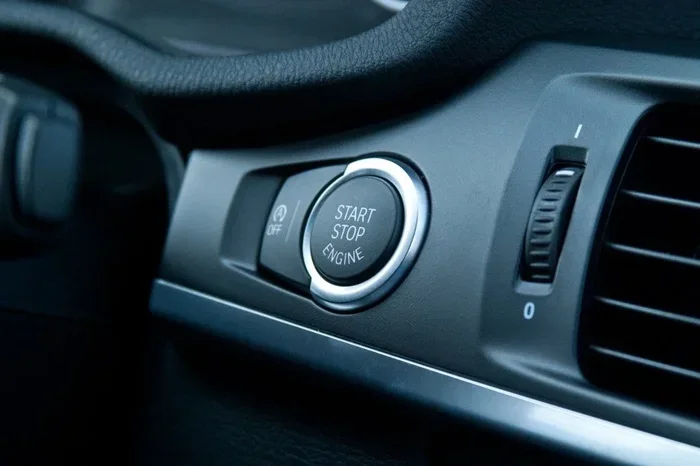
- Start/Stop Button – The physical button you press to ignite the engine.
- Immobilizer System – Prevents the car from starting without the correct fob.
Benefits of Push-Button Start
The push-button start system offers many advantages. It has become popular for good reason. Here are the main benefits drivers enjoy:
Convenience and Speed
The biggest advantage is convenience. You do not need to dig for keys in your bag. Just walk up to the car, press the door handle sensor, and the doors unlock. Then sit down, press the brake, and push the button. The car starting system is ready in seconds. This is especially helpful when your hands are full of groceries or packages.
Enhanced Security
Push-button ignition systems include advanced anti-theft technology. The transponder key system uses rolling codes. This means the signal changes every time you start the car. A thief cannot simply copy the signal and hotwire the vehicle. The immobilizer system adds another layer of protection by preventing the engine from running without the correct fob.
Modern Aesthetic and Feel
There is no denying the appeal. A start button on the dashboard looks sleek and modern. It gives the interior a clean, minimalist design. Many car buyers say this feature influences their purchase decision. It makes the driving experience feel high-tech and premium.
Remote Start Capability
Many push-button start vehicles come with remote start features. You can start the car from outside using the key fob or a smartphone app. This is perfect for warming up the engine on cold mornings or cooling it down in summer. The remote start function works through the same smart key technology.
Common Issues with Push-Button Start Systems
Like any technology, push-button ignition systems can have problems. Most issues are minor and easy to fix. Here are the most common ones drivers face:
Key Fob Battery Dies
The most common problem is a dead fob battery. If the smart key fob battery dies, the car cannot detect it. You will not be able to start the engine. Most vehicles have a backup system for this. You can usually place the dead fob against a specific spot on the steering column or center console. The car will read the fob through contact charging.
Button Does Not Respond
Sometimes the engine start button may not respond when pressed. This can happen if the brake pedal sensor is not working correctly. It can also occur if the car key fob is not properly detected. Try pressing the button firmer or moving the fob closer to the button itself. Check if the brake pedal is fully depressed.
Warning Lights on the Dashboard
Dashboard warning lights can be scary. A flashing start button indicator usually means the system is not detecting the key fob. A steady light may indicate a different issue. Common causes include a weak fob battery or a problem with the antenna module. In rare cases, the engine control unit may need a software update or reset.
Car Starts Then Dies Immediately
This issue can be alarming. If the engine starts but immediately shuts off, the anti-theft system may be blocking the fuel supply. This often happens when the fob signal is weak or interrupted. Replace the fob battery first. If the problem continues, have a mechanic check the immobilizer system and the starter motor connection.
How to Use Push-Button Start Correctly
Using a push-button start system is simple. But there are a few things you should know to avoid problems:
Step-by-Step Starting Process
- Make sure the smart key fob is inside the vehicle.
- Press the brake pedal firmly with your foot.
- Press the start button once and release it.
- The engine should start within a few seconds.
- Release the parking brake and you are ready to drive.
How to Turn Off the Engine
Shutting down is just as easy. Make sure the vehicle is completely stopped. Press the brake pedal. Press the start button once. The engine will turn off. Some vehicles shift to accessory mode automatically when you press the button again.
Tips for Daily Use
- Always keep the smart key fob away from strong electromagnetic fields.
- Replace the fob battery every 1 to 2 years to avoid surprises.
- Do not place the fob near your phone or other electronic devices.
- Keep a spare fob battery in your glove box.
- Make sure the brake pedal sensor is clean and unobstructed.
Quick Tips for Push-Button Start Users
Here are some quick tips to keep your push-button ignition system running smoothly:
- Store the fob in a dedicated spot in your car to avoid misplacing it.
- Learn the backup starting method for when the fob battery dies.
- Clean the start button regularly to prevent dirt buildup.
- Check the fob battery when you notice a weak signal from the key fob.
- Read your vehicle’s manual for specific instructions and troubleshooting steps.
Push-Button Start vs. Traditional Key Ignition
How does push-button start compare to the old-fashioned key ignition? Let us look at the differences:
| Feature | Push-Button Start | Traditional Key Ignition |
|---|---|---|
| Starting Method | Press a button | Insert and turn a key |
| Key Required | Smart key fob (no physical insertion) | Physical metal key |
| Security Level | Advanced immobilizer system and rolling codes | Basic transponder key system |
| Convenience | Very high, especially with remote start | Lower, requires manual key handling |
| Cost to Replace | Higher (fob battery or full fob replacement) | Lower (standard key replacement) |
| Reliability | Electronic, depends on battery and sensors | Mechanical, fewer electronic parts |
| Modern Appeal | High, preferred by most new car buyers | Classic, but becoming rare |
The push-button start system clearly wins in convenience and modern appeal. However, traditional keys still have one advantage: they do not rely on electronics or batteries. In extreme conditions or during electronic failures, a physical key is more reliable. Most drivers today prefer the keyless ignition experience despite the slight cost increase.
Expert Insights on Push-Button Start Technology
Automotive experts agree that push-button ignition is the future of driving. The technology continues to evolve. Many new vehicles now offer phone-as-a-key features. This means your smartphone can replace the physical smart key fob entirely. Some cars even use ultra-wideband technology for precise location detection of the key.
Experts also recommend regular maintenance of the push-button start system. Keep the fob clean and dry. Replace the battery before it fully dies. If you notice any warning lights or unusual behavior, address it immediately. Ignoring small issues can lead to bigger problems with the engine start button or the car starting system.
Another expert tip is to familiarize yourself with your vehicle’s specific push-button start features. Different brands have different backup methods. Some use a hidden fob slot under the steering column. Others have a specific area on the center console. Knowing this can save you from being stranded.
Is Push-Button Start Safe?
Safety is a top concern for many drivers. The push-button start system is generally very safe. The anti-theft system and immobilizer make the vehicle harder to steal. The brake pedal sensor ensures the car cannot move while starting. Most systems also have a feature that shuts off the engine if the smart key fob leaves the vehicle while driving.
However, there is one safety concern to be aware of. Carbon monoxide buildup in enclosed spaces. If you start the car in a closed garage, the engine start button allows the engine to run without a key in the ignition. This means someone could accidentally leave the car running. Always make sure the engine is off when parking in a garage.
Key Takeaways
- Push-button start is an electronic ignition system that replaces the traditional key turn with a simple button press.
- The system uses a smart key fob that communicates with the car’s computer through an antenna network.
- Benefits include convenience, enhanced security, and remote start capability.
- Common issues include dead fob batteries, unresponsive buttons, and warning lights on the dashboard.
- The immobilizer system and anti-theft technology make keyless ignition vehicles more secure than traditional key systems.
- Regular maintenance and timely battery replacement prevent most push-button start problems.
- Understanding your vehicle’s backup starting method can save you from unexpected situations.
Frequently Asked Questions
Can I start a push-button start car without the key fob?
In most cases, no. The push-button ignition system requires the smart key fob to be inside the vehicle. However, many cars have a backup method. You can place the dead or lost fob against a specific spot on the steering column or center console. This allows the car to read the fob through contact. Check your vehicle’s manual for the exact backup location.
How much does it cost to replace a push-button start system?
The cost varies depending on the vehicle and the problem. Replacing a smart key fob battery costs around $5 to $10. A full fob replacement can range from $50 to $400. If the engine control unit or antenna module needs replacement, the cost can be higher. Always get a quote from a certified mechanic before proceeding with expensive repairs.
Is push-button start the same as remote start?
No, they are related but different. Push-button start refers to starting the car from inside the vehicle by pressing a button. Remote start allows you to start the car from outside using the key fob or a smartphone app. Many vehicles with push-button ignition also include remote start as an added feature.
What should I do if the push-button start button does not work?
First, check if the smart key fob battery needs replacement. Next, make sure the brake pedal is fully pressed. Try moving the fob closer to the start button. If none of these work, the antenna module or brake pedal sensor may need inspection. Contact a qualified mechanic for proper diagnosis.
Do all modern cars have push-button start?
Most modern cars now include keyless ignition as a standard feature. However, some budget models and older vehicles still use traditional keys. The push-button start system has become so popular that even many affordable cars now offer it. If you are buying a used car, check whether it has this feature before purchasing.
Can push-button start systems be hacked?
The push-button start system uses encrypted rolling codes that change constantly. This makes hacking extremely difficult. However, some older smart key fob systems have been vulnerable to relay attacks. To protect your vehicle, store the fob in a signal-blocking pouch when not in use. Keep the fob away from doors and windows at home.
=== CONCLUSION ===
The push-button start system has transformed how we drive. It offers unmatched convenience, improved security, and a modern driving experience. From the smart key fob to the engine start button, every component works together to make starting your car effortless. While the technology is reliable, understanding how it works helps you avoid common issues.
Keep your smart key fob battery fresh. Learn the backup starting method. And do not ignore warning lights on your dashboard. With proper care, your push-button ignition system will serve you well for years. Whether you are a daily commuter or an occasional driver, this feature adds real value to your vehicle. Embrace the technology and enjoy the ease of keyless ignition every time you hit the road.