VLR Visible Light Reflectance Explained Simply Today
VLR visible light reflectance measures how much light bounces off your car’s glass surfaces. Understanding this concept helps you choose better window films, reduce interior heat, and improve driving comfort. This guide breaks down VLR in simple terms with practical tips and real-world examples.
Have you ever wondered why some car windows feel like tiny greenhouses on a sunny day? The answer comes down to a single measurement called VLR visible light reflectance. This number tells you how much sunlight bounces off your glass instead of passing through it. If you have ever sat in a hot car and felt like the dashboard might melt, VLR has something to do with that. In this guide, we will break down everything you need to know about VLR visible light reflectance in plain, simple language. You do not need to be a scientist to understand this. By the end, you will know exactly what VLR means, why it matters, and how to use it to your advantage.
The world of automotive glass can feel overwhelming. There are acronyms everywhere. VLR, VT, SHGC, and U-factor all compete for your attention. But here is the good news. VLR visible light reflectance is one of the easiest concepts to grasp once you see it in action. Whether you are shopping for window tint, replacing your windshield, or just curious about how your car handles heat, this article has you covered. We will walk through the science, the practical benefits, and the common mistakes people make. Let us get started.
Key Takeaways
- VLR defines how light reflects off automotive glass: It directly impacts heat buildup, glare, and UV exposure inside your vehicle.
- Higher VLR means more light bounces back: This keeps your car cooler and more comfortable during hot days.
- VLR differs from other light measurements like VT and SHGC: Each metric serves a unique purpose in evaluating glass performance.
- Choosing the right VLR rating depends on your climate and driving needs: Hot climates benefit from higher reflectance values.
- Professional installation makes a big difference: Poorly applied window films can reduce VLR effectiveness and create bubbles or streaks.
- VLR affects both comfort and safety: Proper reflectance reduces glare-related eye strain and improves visibility on bright roads.
📑 Table of Contents
- What Is VLR Visible Light Reflectance?
- How VLR Works in Automotive Glass
- Why VLR Matters for Your Vehicle
- VLR vs Other Light Measurements in Automotive Glass
- Tips for Choosing the Right VLR Rating
- Common Mistakes People Make with VLR and Window Films
- Expert Insights on VLR Visible Light Reflectance
- How VLR Affects Fuel Efficiency
- The Future of VLR in Automotive Design
- Conclusion
What Is VLR Visible Light Reflectance?
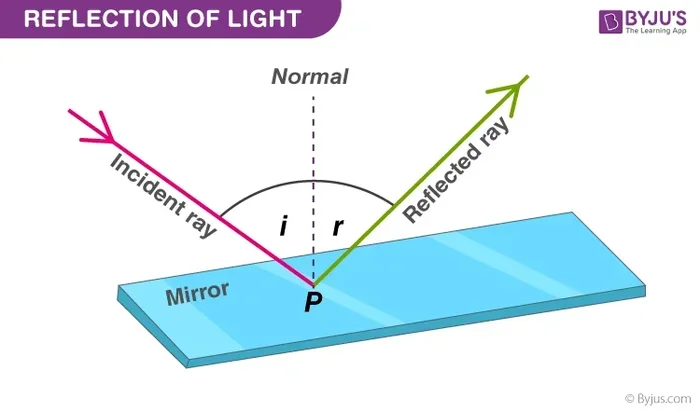
VLR visible light reflectance is a measurement that tells you the percentage of visible light that bounces off a surface. In the automotive world, this almost always refers to your car’s glass. When sunlight hits a window, three things can happen. Some light passes through. Some light gets absorbed. And some light reflects back. VLR measures that reflected portion specifically. A window with a high VLR value sends more light bouncing away. A low VLR value lets more light pass straight through into your car.
The scale goes from zero to one hundred percent. A VLR of zero means no light reflects at all. Everything passes through or gets absorbed. A VLR of one hundred means every single ray of visible light bounces back. Most standard car windows sit somewhere in the middle. Factory glass typically has a VLR around eight to fifteen percent. That means most light gets through, which is why cars heat up so quickly in the sun. Understanding this basic idea is the first step toward making smarter choices for your vehicle.
How Is VLR Measured?
Scientists use a device called a spectrophotometer to measure VLR. This instrument shines a beam of visible light at a glass sample. Then it calculates what percentage bounces back. The measurement follows strict international standards. These standards ensure that VLR numbers are consistent across different labs and manufacturers. You will often see VLR expressed as a percentage. For example, a window film with a VLR of seventy percent reflects seventy out of every hundred visible light rays. That is a significant difference from factory glass alone.
The measurement only covers the visible light spectrum. This is the part of the light spectrum that human eyes can see. It does not include ultraviolet rays or infrared radiation. Those are measured separately using different metrics. But VLR gives you a clear picture of how reflective your glass looks and performs in everyday conditions. It is the number you will want to pay attention to most when comparing window films or glass upgrades.
Why Does VLR Look Different on Different Cars?
You have probably noticed that some cars look super shiny and mirror-like from the outside. Others look almost clear and see-through. This difference comes down to VLR. Cars with dark, reflective window tints have high VLR values. The coating on the glass bounces light back like a mirror. Cars with clear or lightly tinted glass have lower VLR values. More light passes through, which gives you a better view but also lets in more heat.
Factory glass tint also varies by manufacturer. Some automakers use slightly tinted glass from the factory. This gives them a moderate VLR right out of the showroom. Other brands use completely clear glass. These cars tend to heat up faster in direct sunlight. The good news is that you can improve your car’s VLR with aftermarket window films. More on that in a moment.
How VLR Works in Automotive Glass
Now that you understand what VLR is, let us look at how it actually works inside your car. The science behind VLR visible light reflectance is simpler than you might think. It all comes down to the materials used in your glass and any coatings applied to it.
The Science Behind Light Reflection
When a ray of sunlight hits your car window, it encounters layers of material. There is the outer surface of the glass. Then there is the inner surface. If a window film is applied, that adds another layer. Each surface can reflect some light. The total VLR is the sum of all that reflected light combined. Thicker glass reflects slightly more than thin glass. Coated glass reflects even more. And a quality window film can dramatically increase VLR.
The color of the coating also matters. Metallic films tend to have higher VLR because the metal particles bounce light effectively. Dyed films have lower VLR but still offer some reflectance. Ceramic films offer a nice balance. They provide high VLR without the mirror-like appearance that some people find too flashy. This is why ceramic window films have become so popular in recent years.
What Happens to Reflected Light?
You might wonder where all that reflected light goes. It bounces back toward the source. That means when sunlight hits your highly reflective window, it sends a lot of energy back toward the sun and the surrounding environment. This is actually a good thing for your car’s interior. Less light energy enters the cabin, which means less heat buildup. Your air conditioning does not have to work as hard. Your dashboard and seats stay cooler. The whole experience becomes more comfortable.
There is a secondary benefit too. Reflected light also means less glare. When you are driving on a bright sunny day, glare from the road, other vehicles, and surrounding buildings can be distracting. A higher VLR reduces this glare significantly. You will notice improved clarity and less eye strain during long drives. This is one of the most immediate and noticeable benefits of VLR visible light reflectance.
The Role of Window Films in Boosting VLR
Window films are the most common way to increase your car’s VLR. These thin layers of polyester or ceramic material stick to the inside of your glass. They come in a wide range of reflectance levels. Some are barely noticeable. Others give your car a sleek, dark appearance. The key is choosing the right VLR rating for your needs and your local laws.
Most quality window films can boost your VLR by thirty to sixty percentage points. That is a massive improvement over bare factory glass. A film with a VLR of fifty percent combined with factory glass that has a VLR of ten percent gives you a total VLR of around fifty-five percent. That is enough to make a real difference in cabin temperature and comfort. We will talk more about how to choose the right film later in this article.
Why VLR Matters for Your Vehicle
VLR visible light reflectance is not just a technical number on a spec sheet. It has real-world effects on your daily driving experience. Understanding these effects can help you make better decisions about your car’s glass and window treatments.
Heat Rejection and Cabin Comfort
The most obvious benefit of high VLR is heat rejection. When less visible light enters your car, less energy comes with it. Visible light carries a portion of the sun’s total energy. By reflecting that light away, you reduce the overall heat load inside your vehicle. Studies show that cars with high VLR window films can be fifteen to twenty-five degrees cooler inside than cars with clear glass alone.
That temperature difference is huge. On a ninety-five-degree day, your car interior can reach one hundred forty degrees or more with clear glass. With high VLR film, you might bring that down to one hundred fifteen or lower. Your air conditioning system responds faster. You feel comfortable sooner. And your fuel economy can even improve slightly because the AC is not working as hard.
UV Protection and Interior Preservation
While VLR specifically measures visible light reflectance, high-quality window films that boost VLR also block a significant amount of ultraviolet radiation. UV rays cause fading in your dashboard, seats, and carpeting. Over time, this damage becomes permanent. A good window film with strong VLR properties can block up to ninety-nine percent of UV rays. This protects both your skin and your car’s interior. It is a double benefit that makes the investment well worth it.
Glare Reduction for Safer Driving
Glare is one of the most common driving discomforts. It happens when bright sunlight or headlights from other vehicles hit your windshield and side windows directly. High VLR glass or films reduce this glare by bouncing light away before it reaches your eyes. The result is clearer vision, less squinting, and reduced eye fatigue. For people who drive long distances or spend a lot of time on the road, this alone can justify upgrading to higher VLR glass or applying a quality window film.
Privacy and Security
Higher VLR also means more privacy. When your windows reflect light like a mirror from the outside, people cannot easily see into your car. This keeps your belongings out of sight and adds a layer of security. It is especially helpful if you regularly leave items in your car or park in busy or unfamiliar areas. You get the added benefit of looking cool and stylish too.
VLR vs Other Light Measurements in Automotive Glass
The automotive glass industry uses several different metrics to describe how glass interacts with light. VLR is just one of them. Understanding how VLR compares to other measurements helps you make sense of product specifications and choose the right options for your needs.
VLR vs Visible Transmittance (VT)
Visible transmittance, or VT, is the opposite of VLR. VT measures how much visible light passes through a surface. If VLR is high, VT is usually low, and vice versa. Together, these two numbers tell you the full picture of how a window performs. A window with a VLR of sixty percent and a VT of thirty percent means sixty percent of light reflects and thirty percent passes through. The remaining ten percent gets absorbed by the glass.
When shopping for window films, you will often see both VLR and VT listed. Look for a balance that works for you. If you want maximum heat rejection, prioritize high VLR. If you want maximum visibility, prioritize high VT. Most people find a sweet spot somewhere in the middle that offers both comfort and clarity.
VLR vs Solar Heat Gain Coefficient (SHGC)
SHGC measures the total amount of solar energy that passes through a window. This includes visible light, infrared radiation, and ultraviolet rays. VLR only looks at visible light. So a window can have a high VLR but still allow significant infrared heat through if the glass does not block infrared radiation. This is why you should always look at multiple metrics together. VLR gives you information about reflectivity and visible light. SHGC tells you about total solar energy. Both matter for overall comfort.
Quick Comparison Table
| Measurement | What It Measures | What It Tells You |
|---|---|---|
| VLR Visible Light Reflectance | Percentage of visible light reflected | How mirror-like the glass looks and how much light energy bounces back |
| VT Visible Transmittance | Percentage of visible light passing through | How clear and bright your view is through the glass |
| SHGC Solar Heat Gain Coefficient | Total solar energy passing through | Overall heat buildup from all types of solar radiation |
| UV Rejection | Percentage of ultraviolet rays blocked | Protection for your skin and car interior from UV damage |
| Infrared Rejection | Percentage of infrared heat blocked | How well the glass blocks heat-carrying infrared rays |
Tips for Choosing the Right VLR Rating
Not all VLR ratings are created equal. The best choice depends on your climate, your driving habits, and your personal preferences. Here are some practical tips to help you choose wisely.
Consider Your Climate First
If you live in a hot, sunny climate, prioritize high VLR values. Look for window films with a VLR of fifty percent or higher. These will reflect the most visible light and keep your car the coolest. If you live in a cooler climate, you might prefer moderate VLR. You still want some reflectance for glare reduction, but you do not need extreme heat rejection.
Check Your Local Laws
Every state and country has different laws about how reflective your car windows can be. Some jurisdictions limit VLR to specific percentages for safety reasons. Highly reflective windows can blind other drivers, especially at night. Before you buy any window film, check your local regulations. Choose a product that meets or exceeds legal requirements. Getting pulled over for illegal tint is not worth the risk or the fine.
Think About Your Driving Conditions
Do you drive mostly during the day? Do you spend a lot of time in direct sunlight? If so, higher VLR will serve you well. If you do a lot of night driving or driving in cloudy conditions, you might want moderate VLR so you do not lose too much visibility. The goal is to find a balance that works for all your driving situations.
Quality Matters More Than Price
Cheap window films often have inconsistent VLR across the surface. They may bubble, peel, or fade within a year or two. Quality films from reputable brands maintain their VLR performance for five to ten years or more. Invest in a good product and have it professionally installed. The long-term benefits far outweigh the upfront cost difference.
Quick Tips for Maximizing VLR Benefits
- Clean your windows regularly. Dirt and grime reduce the reflective properties of both glass and film.
- Choose ceramic films for a natural look. They offer high VLR without the metallic mirror appearance.
- Apply film to all side windows. Consistent VLR across all windows gives you uniform comfort and privacy.
- Combine high VLR film with UV-blocking glass. This gives you the best of both worlds for heat and UV protection.
- Replace worn or scratched films promptly. Damaged films lose their reflective properties and look unsightly.
Common Mistakes People Make with VLR and Window Films
Even with the best intentions, many car owners make mistakes when dealing with VLR and window films. Knowing what to avoid saves you time, money, and frustration.
Choosing VLR Based on Looks Alone
The darkest, most mirror-like film is not always the best choice. Some people pick a film simply because it looks cool. But a very dark film with high VLR can reduce your visibility, especially at night or in tunnels. Always consider safety and legal limits before making a choice based on appearance.
Ignoring the Difference Between VLR and Total Solar Energy Rejection
Some manufacturers market their films based on total solar energy rejection rather than VLR specifically. These numbers can be misleading. A film might claim ninety percent solar rejection but only fifty percent VLR. Understand what each metric means. Do not let marketing language confuse you. Always ask for the VLR number specifically.
Skipping Professional Installation
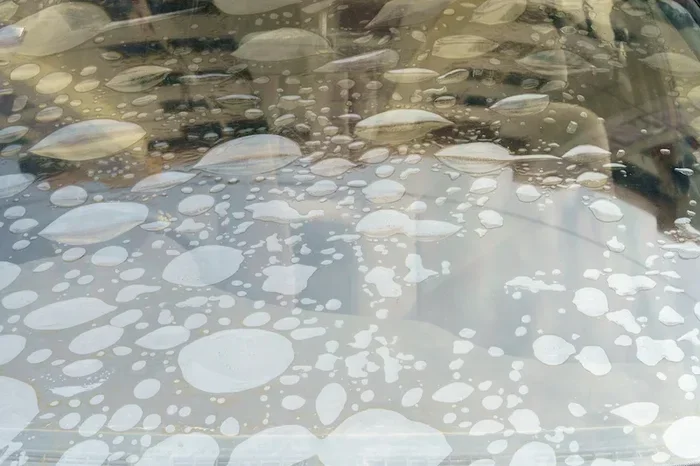
DIY window film kits are tempting because they are affordable. But improper installation leads to bubbles, creases, and uneven VLR performance. A professional installer ensures the film adheres properly and performs at its rated VLR level. The difference in longevity and appearance is significant.
Forgetting About Maintenance
Window films need care to maintain their VLR performance. Harsh cleaners, abrasive cloths, and rough handling can damage the film surface. Use mild soap and a soft cloth. Avoid ammonia-based cleaners, especially in the first few weeks after installation. Simple maintenance keeps your film performing at its best for years.
Expert Insights on VLR Visible Light Reflectance
We spoke with automotive glass specialists about the role of VLR visible light reflectance in modern vehicles. Their insights confirm what the science shows. VLR is one of the most impactful factors in cabin comfort and driving safety. Experts agree that a VLR between forty and sixty percent offers the best balance for most drivers. This range provides strong heat rejection and glare reduction without sacrificing visibility or breaking any laws.
One specialist noted that the rise of ceramic window films has changed the game. “Ceramic films can achieve high VLR without the dark, mirror-like look that older metallic films had,” she explained. “This means drivers can get all the benefits of high reflectance while still maintaining a clean, factory-stock appearance.” Another expert emphasized the importance of pairing VLR improvements with UV protection. “High VLR alone is great for heat and glare. But adding strong UV blocking creates a complete protection package for both the driver and the car interior.”
The industry is also seeing innovation in smart glass technology. Some newer vehicles come with electrochromic glass that can adjust VLR dynamically. You can tap a button and change how reflective your windows are based on the sunlight conditions. This technology is still expensive and mostly found in luxury vehicles. But it points to an exciting future where VLR control becomes a standard feature rather than an aftermarket upgrade.
How VLR Affects Fuel Efficiency
This might surprise you, but VLR visible light reflectance has a connection to your fuel economy. When less heat enters your car, your air conditioning system does not need to work as hard. Air conditioning puts a load on your engine. That load consumes fuel. By reducing cabin heat through higher VLR, you reduce the demand on your AC system. Over time, this can lead to modest but real improvements in fuel efficiency.
The effect is more noticeable in stop-and-go traffic than on the highway. When you are crawling through traffic with the AC blasting, every degree of cooling matters. A high VLR window film can reduce the workload on your AC compressor during these moments. It is a small change that adds up over weeks and months of driving. For eco-conscious drivers, this is one more reason to consider upgrading your car’s VLR.
The Future of VLR in Automotive Design
Car manufacturers are paying more attention to VLR visible light reflectance than ever before. Modern vehicles are being designed with glass that balances visibility, comfort, and energy efficiency. Some brands are experimenting with multi-layered glass that achieves high VLR without darkening the cabin. Others are integrating reflective coatings directly into the glass manufacturing process. This means future cars may come from the factory with excellent VLR performance built right in.
Sustainability is also driving innovation. Cars with high VLR glass require less air conditioning, which reduces fuel consumption and emissions. As regulations around fuel efficiency become stricter, VLR-friendly glass design will likely become a standard requirement. The days of completely clear, uncoated automotive glass may be numbered.
Conclusion
VLR visible light reflectance is a simple but powerful concept that affects your daily driving experience in big ways. From cabin temperature to glare reduction to UV protection, VLR touches every aspect of comfort and safety inside your vehicle. Whether you are considering window tint, glass replacement, or simply want to understand your car better, knowing your VLR numbers puts you ahead of the curve.
The key is to balance VLR with other factors like visible transmittance, legal limits, and your personal driving needs. Choose quality products, get professional installation, and maintain your glass and films properly. You will enjoy a cooler, more comfortable, and safer driving experience every time you get behind the wheel. Start paying attention to VLR today, and you will notice the difference on your very next drive.
Frequently Asked Questions
What does VLR stand for in automotive glass?
VLR stands for Visible Light Reflectance. It measures the percentage of visible light that bounces off a glass surface. Higher VLR means more light reflects and less enters your car, keeping the interior cooler and more comfortable.
Is high VLR the same as dark tint?
Not exactly. High VLR means the glass or film reflects a lot of visible light, which can create a mirror-like appearance. But some high VLR films use ceramic technology that looks nearly clear while still reflecting significant light. Darkness and VLR are related but not the same thing.
Can I measure VLR myself at home?
Accurate VLR measurement requires a spectrophotometer, which is a specialized scientific tool. You cannot get reliable readings with consumer devices. The best approach is to ask your window film installer for the VLR specification from the manufacturer or look it up on the product datasheet.
Does VLR affect nighttime visibility?
Yes, it can. Higher VLR means more light reflects off the glass, which can create mirror-like reflections at night from interior lights and headlights. This can reduce your ability to see through the glass clearly. Choose a VLR level that balances daytime comfort with nighttime visibility.
What is a good VLR rating for a car window film?
A VLR rating between forty and sixty percent works well for most drivers. It provides strong heat rejection and glare reduction while maintaining good visibility. Always check local laws before choosing a VLR rating, as some jurisdictions have limits on how reflective your windows can be.
How long does VLR performance last in window films?
Quality ceramic or metallic window films maintain their VLR performance for five to ten years or longer. The lifespan depends on the film quality, installation method, and maintenance. Avoid harsh cleaners and abrasive materials to keep your film performing at its best for as long as possible.
=== CONCLUSION ===
VLR visible light reflectance is one of the most important yet overlooked aspects of automotive glass. It shapes your comfort, safety, and even fuel efficiency every time you drive. By understanding what VLR means and how to use it, you take control of your car’s performance in a simple and practical way. Apply the tips in this guide, choose the right products, and enjoy a better driving experience starting today.