How to Remove Tape Marks From Car Glass Without Streaks
Removing tape marks from car glass is easier than you think with the right approach and household supplies. Whether you are dealing with leftover adhesive from decals, tinting, or masking tape, this guide covers every method you need for streak-free car window cleaning. Follow our proven techniques to restore your automotive glass care and enjoy a spotless finish every time.
Tape marks on car glass are one of those annoying problems that seem small until they are right in front of your face. You peel off a sticker or remove a decal, and suddenly there is a sticky, stubborn residue staring back at you. It happens after tinting, after a roadside decal, or even from masking tape used during a car wash. The good news is that how to remove tape marks from car glass does not require expensive products or professional help.
In this guide, we walk you through every method that works. We cover simple home remedies, commercial products, and expert techniques that deliver streak-free cleaning every single time. Whether you are a car detailing beginner or a seasoned enthusiast, you will find practical advice here. Let us get those marks off and bring back the clarity of your windows.
Key Takeaways
- Multiple removal methods work: household items like vinegar and baking soda, plus commercial products like WD-40 and adhesive removers, all effectively tackle sticky residue.
- Preparation matters: gathering the right supplies before you start saves time and prevents damage to your car glass.
- Avoid common mistakes: using abrasive scrubbers or harsh chemicals can scratch or cloud your windows.
- Streak-free results are achievable: with the right technique and proper drying methods, your windows will look factory-clean.
- Prevention is key: regular car detailing tips help you avoid future adhesive buildup on your car windows.
- Safety first: always work in a shaded area and wear gloves when using chemical removers.
📑 Table of Contents
- Why Tape Leaves Sticky Marks on Car Glass
- What You Will Need: Supplies and Tools
- Step-by-Step Methods to Remove Tape Marks From Car Glass
- Comparing the Best Removal Methods
- Common Mistakes to Avoid When Removing Tape Marks
- Expert Tips for Streak-Free Car Glass
- Preventing Future Tape Marks on Car Glass
- Conclusion
Why Tape Leaves Sticky Marks on Car Glass
Understanding why tape sticks to glass helps you choose the best removal method. Adhesive bonds form when the glue interacts with the surface of your car window cleaning area. Over time, heat from sunlight and pressure from the tape strengthen this bond. The result is a tough adhesive mark on glass that refuses to budge with a simple wipe.
Different tapes use different adhesives. Masking tape leaves a lighter residue. Duct tape and heavy-duty decals create thicker, more stubborn sticky residue. Car window tint adhesive is especially tricky because it bonds strongly to glass over months or years. Knowing what type of tape caused the mark helps you pick the right removal strategy.
How Heat and Time Worsen the Problem
Sunlight and heat soften the adhesive, letting it seep into tiny pores on the glass surface. The longer the tape stays on, the deeper the bond goes. This is why fresh tape marks come off easily, but old ones need more effort. If you have ever tried removing a car window tint adhesive left behind after a bad tint job, you know exactly how frustrating this can be.
What You Will Need: Supplies and Tools
Before you start, gather everything you need. Having your supplies ready keeps the process smooth and prevents interruptions. Here is a list of items that work great for tape residue removal from car glass.
- White vinegar – a natural, safe cleaner that dissolves light adhesive
- Baking soda – creates a gentle abrasive paste for tougher marks
- Rubbing alcohol – breaks down adhesive bonds quickly
- WD-40 – a versatile lubricant that loosens stubborn residue
- Microfiber cloth – soft and lint-free, perfect for wiping without scratches
- Plastic scraper – safely lifts hardened adhesive without damaging glass
- Commercial adhesive remover – designed specifically for automotive use
- Glass cleaner spray – for final cleaning and shine
- Razor blade (with holder) – for severe cases, used carefully at a flat angle
- Warm soapy water – for initial cleaning before applying any remover
Why Microfiber Cloths Matter
Never use paper towels or rough rags on your car glass. They leave tiny fibers behind and can create micro-scratches. A microfiber cloth is soft enough to protect your glass while being absorbent enough to pick up all residue. This simple swap makes a huge difference in achieving streak-free cleaning.
Step-by-Step Methods to Remove Tape Marks From Car Glass
Now for the part you have been waiting for. Here are the most effective methods for how to remove tape marks from car glass. Each method works for different levels of stubbornness. Start with the gentlest approach and move to stronger options if needed.
Method 1: White Vinegar and Warm Water
This is the simplest and most affordable approach. Mix equal parts white vinegar and warm water in a spray bottle. Spray the solution onto the tape mark and let it sit for five to ten minutes. The acidity in the vinegar breaks down the adhesive bond gently.
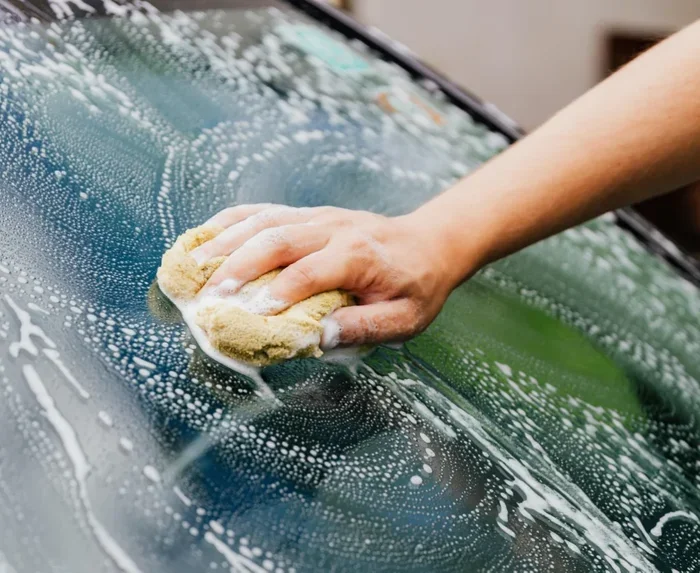
After waiting, take your microfiber cloth and wipe the area in circular motions. The residue should start lifting off easily. For stubborn spots, apply more solution and let it sit a few minutes longer. Finish by spraying glass cleaner spray and wiping dry for a sparkling finish.
Method 2: Baking Soda Paste
When vinegar is not enough, baking soda comes to the rescue. Mix three parts baking soda with one part water to create a thick paste. Apply the paste directly to the adhesive mark on glass and let it sit for about fifteen minutes.
The mild abrasion in baking soda works to lift residue without scratching the glass. Gently rub the paste in with a damp microfiber cloth using small circular motions. Rinse with warm water and dry thoroughly. This method works well for medium-strength sticky residue that vinegar cannot fully handle.
Method 3: Rubbing Alcohol Approach
Rubbing alcohol is a powerful solvent that dissolves adhesive quickly. Dampen a microfiber cloth with rubbing alcohol and press it firmly onto the tape mark. Let it sit for two to three minutes. The alcohol breaks down the glue molecules, making them easy to wipe away.
Use a clean section of the cloth and repeat until the mark is gone. This method is especially effective for decal removal and car window tint adhesive remnants. Always work in a ventilated area and avoid open flames since alcohol is flammable.
Method 4: WD-40 for Stubborn Marks
WD-40 is a household favorite for a reason. Spray a small amount directly onto the tape residue. Let it soak for three to five minutes. The lubricating properties of WD-40 penetrate the adhesive and weaken its grip on the glass.
Wipe away the residue with a microfiber cloth. You may need to repeat the process once or twice for heavy buildup. After removing all the adhesive, wash the area with soapy water to remove the WD-40 film. Finish with a clean glass cleaner for a streak-free finish.
Method 5: Commercial Adhesive Remover
For the toughest cases, a dedicated adhesive remover for car glass is your best bet. Products like Goo Gone, 3M Adhesive Remover, or similar automotive-grade options are formulated to dissolve glue without harming glass or tint.
Apply the remover according to the product instructions. Usually, you let it sit for a few minutes and then wipe away. These products are designed for automotive glass care and work on even the oldest, hardestiest adhesive bonds. Always test a small hidden area first to ensure compatibility.
Method 6: Razor Blade Technique for Severe Cases
This method is for extreme situations where adhesive has bonded strongly and other methods fail. Hold a razor blade flat against the glass at a very low angle, almost parallel to the surface. Use a razor blade holder for safety and control.
Gently scrape the residue off in slow, steady strokes. Never press hard or angle the blade steeply, or you risk scratching the glass. Wet the area with glass cleaner or soapy water to keep the blade lubricated. This technique requires patience but delivers excellent results for paint thinner-level adhesive bonds.
Comparing the Best Removal Methods
Not every method works the same way for every situation. The table below helps you choose the right approach based on the type and severity of the tape mark.
| Method | Best For | Difficulty Level | Time Required | Risk of Scratching |
|---|---|---|---|---|
| White Vinegar Solution | Light adhesive, fresh marks | Easy | 10-15 minutes | None |
| Baking Soda Paste | Medium adhesive, older marks | Easy to Moderate | 15-20 minutes | Very Low |
| Rubbing Alcohol | Moderate adhesive, tint residue | Easy | 5-10 minutes | None |
| WD-40 | Stubborn, thick residue | Moderate | 10-15 minutes | Low (if wiped clean) |
| Commercial Adhesive Remover | Heavy, aged adhesive bonds | Easy | 10-20 minutes | Very Low |
| Razor Blade Scraping | Severe, hardened adhesive | Advanced | 15-30 minutes | Moderate (if not careful) |
Quick Tips for Choosing the Right Method
- Start gentle: always try vinegar or baking soda first before moving to stronger methods.
- Test first: apply any product to a small hidden area to check for damage or discoloration.
- Work in shade: direct sunlight causes products to dry too fast and can leave streaks.
- Be patient: letting solutions sit longer reduces the need for heavy scrubbing or scraping.
- Clean after removal: always wash the area with soapy water after adhesive removal to eliminate any chemical residue.
Common Mistakes to Avoid When Removing Tape Marks
Even with the right products, mistakes can happen. Avoiding these common errors saves you time, money, and potential damage to your car glass.
Using Abrasive Scrubbers
Steel wool, rough sponges, and abrasive pads can scratch car glass badly. The scratches may not be visible at first, but they collect dirt and make future cleaning harder. Always use soft microfiber cloths or plastic scrapers when working on your car window cleaning projects.
Applying Too Much Pressure
Pressing too hard when wiping or scraping can damage the glass surface or the tint film around it. Let the cleaning solution do the work for you. Gentle, consistent pressure with a soft cloth is far more effective than aggressive scrubbing.
Skipping the Test Patch
Every car is different. Some glass coatings or tint films react poorly to certain chemicals. Skipping a test patch can lead to discoloration or peeling. Always test your chosen method on a small, hidden area of the car window first.
Using Harsh Household Cleaners
Bleach, ammonia-heavy cleaners, and abrasive household sprays can damage car glass over time. They strip protective coatings and leave the glass vulnerable to future adhesive buildup. Stick to products designed for automotive glass care or use the gentle methods described in this guide.
Rushing the Process
One of the biggest mistakes people make is not letting solutions sit long enough. Adhesive needs time to dissolve. Rushing leads to excessive scrubbing, which increases the risk of scratches. Give each method the time it needs, and you will get better results with less effort.
Expert Tips for Streak-Free Car Glass
Professional detailers use specific techniques that take results from good to perfect. Here are some car detailing tips that make a real difference in your streak-free cleaning results.
Dry with a Second Clean Cloth
After removing all residue and cleaning the area, always dry with a fresh, clean microfiber cloth. Using the same cloth you applied remover with can re-deposit residue onto the glass. A second cloth ensures a perfectly clean, dry surface.
Use Distilled Water for Final Rinse
Tap water contains minerals that leave spots on glass. Using distilled water for your final rinse prevents water spots and keeps your windows crystal clear. This small change is a favorite among professional detailers.
Apply a Glass Sealant
After cleaning, applying a glass sealant or ceramic glass coating adds a protective layer. This layer repels dirt, water, and future adhesive bonds. It also makes future tape residue removal much easier since adhesive has a harder time bonding to treated glass.
Clean in Sections
Work on one section of the window at a time. This prevents cleaning solutions from drying on the glass before you can wipe them off. Section-by-section cleaning gives you more control and better results, especially when using glass polish or paint thinner for tough spots.
Maintain Regularly
Regular automotive glass care prevents buildup in the first place. Wipe down your windows weekly with a glass cleaner. Address any new adhesive marks immediately before they have time to bond strongly. Prevention is always easier than cure, especially when it comes to adhesive marks on glass.
Preventing Future Tape Marks on Car Glass
Once you have removed all the tape marks, you want to keep your glass looking great. Prevention starts with how you handle decals, tinting, and masking around your car.
- Use low-tack tape: when applying temporary items, choose low-adhesive tape that leaves less residue.
- Apply protectant film: placing a clear protectant film on areas prone to tape contact makes future removal easier.
- Remove decals promptly: do not leave tape or stickers on your car for weeks or months. The longer they stay, the harder they are to remove.
- Use static cling decals: these decorative options stick without any adhesive and leave zero residue on your car window cleaning surface.
- Regular detailing: a consistent car detailing routine keeps glass protected and makes any future residue easier to clean off.
Quick Prevention Checklist
- Choose low-tack or static cling options whenever possible.
- Remove any tape or stickers within a few days of application.
- Apply a glass sealant after every deep clean.
- Keep microfiber cloths and glass cleaner in your car for quick touch-ups.
- Inspect windows regularly for early signs of adhesive buildup.
Conclusion
How to remove tape marks from car glass without streaks is a skill every car owner should have. With the right supplies, the right method, and a little patience, you can restore your windows to crystal-clear perfection. Whether you choose the gentle vinegar approach, the powerful adhesive remover, or the careful razor blade technique, the key is to work slowly and protect your glass.
Remember to always start with the gentlest method and escalate only when needed. Use microfiber cloths, avoid harsh abrasives, and take your time. Your streak-free car window cleaning results will speak for themselves. Apply these car detailing tips regularly, and your automotive glass care routine will keep your windows looking brand new for years to come.
Now that you have all the tools and knowledge, go ahead and give your car windows the treatment they deserve. A clean, clear view makes every drive better, and your car will look great too.
Frequently Asked Questions
Can I use WD-40 on tinted car windows?
Yes, WD-40 is generally safe on tinted windows when used correctly. Spray it lightly and avoid soaking the tint. Wipe it off thoroughly with a microfiber cloth to prevent any film buildup. Always test on a small hidden area first to ensure your tint is not affected.
Will rubbing alcohol damage my car glass?
No, rubbing alcohol is safe for car glass when used properly. It is a gentle solvent that dissolves adhesive without harming the glass surface. Just avoid using it on tinted windows that have already peeling or damaged edges, as the alcohol could seep under the tint and cause lifting.
How do I remove old tint adhesive from car glass?
Old tint adhesive responds well to a combination of rubbing alcohol and a plastic scraper. Apply the alcohol, let it soak for ten minutes, and then gently scrape the softened adhesive with a plastic scraper held flat against the glass. Repeat if needed for stubborn spots.
What is the best adhesive remover for car glass?
Commercial products like Goo Gone, 3M Adhesive Remover, and automotive-specific adhesive removers work best. They are formulated to dissolve tough glue without damaging glass or tint. Always check the product label to confirm it is safe for automotive use.
Can I use a razor blade on car glass safely?
Yes, but only if you hold the blade flat against the glass at a very low angle. Use a razor blade holder for control and always keep the glass wet with glass cleaner or soapy water. Never press hard or use a dry blade, as this increases the risk of scratches.
How can I prevent tape marks from forming on my car windows?
Use low-tack tape or static cling decals instead of strong adhesives. Remove any tape or stickers promptly, ideally within a few days. Apply a glass sealant regularly to create a protective barrier that makes future adhesive removal much easier and prevents buildup.