How Long Is a Long Bed Truck Everything You Need to Know
A long bed truck typically measures 8 feet (96 inches) in bed length, but exact dimensions vary by make and model. This guide explains the standard long bed length, how it compares to short and standard beds, and why it matters for hauling and towing. You’ll learn the key measurements, benefits, and which trucks offer the longest cargo space.
When you are shopping for a pickup truck, one of the first questions that comes up is how long is a long bed truck. The answer is not always straightforward because bed lengths vary between manufacturers and even between different trims of the same model. A long bed typically means 8 feet of cargo space, but that number can shift depending on the brand. Understanding these dimensions helps you choose the right truck for hauling furniture, construction materials, or recreational gear.
Knowing the exact bed length matters more than most people realize. A bed that is too short forces you to strap items to the outside, which is unsafe and illegal in many areas. A bed that is too long can make the truck harder to park and maneuver in tight spaces. This guide breaks down everything you need to know about long bed truck dimensions, comparisons, and real-world benefits. We will walk you through the numbers, the models, and the simple tips that save you time and money.
Key Takeaways
- Standard long bed length: Most full-size long beds measure 8 feet (96 inches) from tailgate to bulkhead.
- Big difference from short beds: A short bed is typically 5.5 to 6.5 feet, so a long bed adds 2 to 3 feet of cargo space.
- Not just about length: Bed width and depth also affect how much you can haul.
- Popular models matter: Trucks like the Ford F-150, Chevrolet Silverado, and Ram 1500 all offer long bed configurations.
- Consider overall truck length: A long bed adds 2 to 3 feet to the total vehicle length, which affects parking and maneuverability.
- Benefits are clear: More space for furniture, lumber, tools, and better towing stability when hauling heavy loads.
- Measure twice, buy once: Always verify the exact bed length for the specific trim and year you are considering.
📑 Table of Contents
- What Is a Long Bed Truck and Why Does Bed Length Matter?
- Standard Long Bed Truck Dimensions You Should Know
- Long Bed vs Short Bed Truck: Which One Fits Your Needs?
- Popular Long Bed Truck Models on the Market Today
- Benefits of a Long Bed Truck for Work and Play
- Common Mistakes When Choosing a Long Bed Truck
- Expert Tips for Maximizing Your Long Bed Truck
- Conclusion
What Is a Long Bed Truck and Why Does Bed Length Matter?
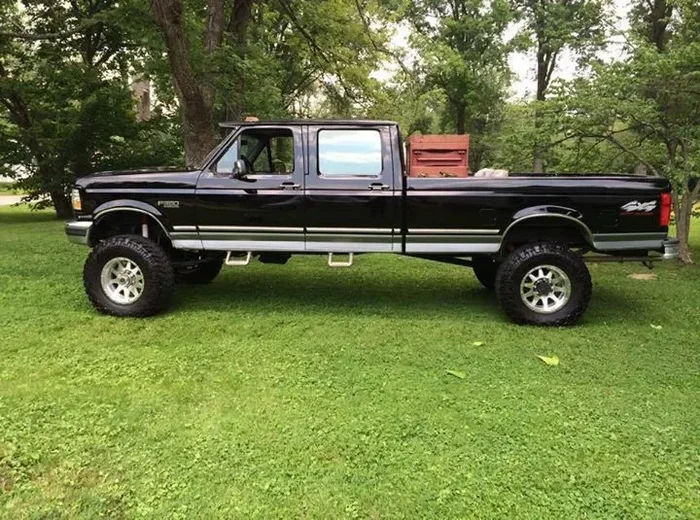
A long bed truck is simply a pickup with an extended cargo box. In the United States, the term “long bed” almost always refers to a bed that is 8 feet long. This is the standard for full-size trucks like the Ford F-150, Chevrolet Silverado 1500, and Ram 1500. However, some midsize trucks offer slightly different measurements, and the overall truck length changes accordingly.
The bed length directly impacts your hauling capacity. More length means you can fit longer items like 8-foot lumber, mattresses, or large coolers. It also gives you more room to stack cargo safely. When people ask how long is a long bed truck, they are really asking how much usable space they will have. That space translates into fewer trips, easier loading, and better stability when towing.
Understanding Bed Length Measurements
Manufacturers measure bed length from the inside of the tailgate to the bulkhead, which is the vertical wall at the front of the bed. Some companies measure from the outside, which can add a few inches. Always check the specification sheet for the exact method. Here are the common terms you will see:
- Short bed: Usually 5.5 to 6.5 feet long. Great for daily driving and light loads.
- Standard bed: Typically 6.5 to 7 feet long. A popular compromise for work and personal use.
- Long bed: 8 feet long. The go-to choice for contractors, movers, and outdoor enthusiasts.
- Extra-long bed: Some specialty trucks or aftermarket extensions can push the bed to 9 or 10 feet, but these are rare.
When you see a truck listed as a “long bed,” you can generally expect the 8-foot measurement. This is the most common long bed size in the full-size pickup segment.
Standard Long Bed Truck Dimensions You Should Know
The exact dimensions of a long bed truck can vary slightly, but the industry standard is well established. Understanding these numbers helps you plan your purchases and ensure the truck fits your garage or workspace.
Typical Lengths and Widths
Most long beds on full-size trucks share these core measurements:
- Bed length: 96 inches (8 feet) from bulkhead to tailgate edge.
- Bed width between wheel wells: Around 71 to 73 inches. This is the narrowest point and limits the width of wide loads.
- Bed width at the top (rail to rail): About 78 to 80 inches, giving you more room for narrower items.
- Bed depth: Usually 18 to 22 inches from the floor to the top of the bed rails.
- Overall truck length with long bed: Roughly 230 to 250 inches (19 to 21 feet), depending on the cab style and model.
These dimensions apply to popular models like the Ford F-150 long bed, Chevrolet Silverado 1500 long bed, and Ram 1500 long bed. Always confirm the exact numbers for the specific year and trim because minor changes happen every generation.
Height and Cargo Capacity
Bed height is another important factor. The bed floor sits roughly 20 to 25 inches off the ground. The bed rails add another 5 to 8 inches on top. This means you can stack cargo up to about 28 to 33 inches high before hitting the top of the bed walls. A bed liner or truck bed mat will add a small amount of height, so keep that in mind when loading tall items.
Cargo capacity is not just about length. The volume of a standard 8-foot long bed is typically around 63 to 68 cubic feet. This is enough to haul a full sheet of plywood (4 by 8 feet) flat in the bed with the tailgate down. For many homeowners and tradespeople, this volume is the sweet spot between utility and manageability.
Long Bed vs Short Bed Truck: Which One Fits Your Needs?
Choosing between a long bed and a short bed is one of the most important decisions you will make. The difference in length changes everything from parking ease to what you can haul. Here is a quick comparison of the two most common options.
| Feature | Short Bed (5.5–6.5 ft) | Long Bed (8 ft) |
|---|---|---|
| Bed Length | 66–78 inches | 96 inches |
| Overall Truck Length | 210–225 inches | 235–250 inches |
| Parking Ease | Excellent | Moderate |
| Hauling Capacity (volume) | 35–45 cubic feet | 63–68 cubic feet |
| Fits 8-ft Lumber? | No (with tailgate up) | Yes |
| Towing Stability | Good | Excellent (more weight over rear axle) |
| Best For | Daily driving, light work, urban use | Contractors, movers, RV towing, hauling long materials |
Short Bed vs Long Bed Length in Real Life
A short bed truck is easier to park in tight garages and city streets. It also tends to have a slightly tighter turning radius. However, if you need to haul a 4×8 sheet of drywall or a couch, a short bed forces you to leave the tailgate down, which can damage the tailgate or limit your speed on the highway. A long bed lets you secure those items safely inside the cargo area.
For many families, a standard bed (6.5 to 7 feet) offers a good middle ground. But if your work or hobbies demand maximum space, the long bed is the clear winner. The question is not just how long is a long bed truck, but whether that extra length fits your lifestyle.
Which Bed Length Fits Your Needs?
Ask yourself these simple questions:
- Do you regularly haul items longer than 6 feet?
- Do you need to transport a full sheet of plywood or drywall?
- Do you tow a trailer and want more weight over the rear axle for stability?
- Do you have a large garage or driveway that can accommodate a longer truck?
- Is parking in tight urban spaces a daily challenge?
If you answered yes to the first three, a long bed is probably the right choice. If you mostly drive in the city and carry smaller loads, a short or standard bed might be more practical.
Popular Long Bed Truck Models on the Market Today
Almost every major manufacturer offers a long bed version of their full-size pickup. Here are some of the most popular models and their approximate long bed measurements.
Full-Size Long Bed Trucks
- Ford F-150 Long Bed: Bed length is 8 feet. Overall truck length is around 231 inches for the SuperCrew cab, making it one of the most popular long bed options in America.
- Chevrolet Silverado 1500 Long Bed: Also offers an 8-foot bed. The Crew Cab long bed model stretches to about 243 inches in total length.
- Ram 1500 Long Bed: The 8-foot bed is available on the Tradesman and Big Horn trims. The total length is roughly 242 inches.
- Toyota Tundra Long Bed: The 2024 model offers an 8-foot bed on the Double Cab, with an overall length around 245 inches.
Midsize Long Bed Options
Midsize trucks like the Toyota Tacoma and Chevrolet Colorado also offer long bed configurations. The Tacoma long bed measures 8 feet 1 inch, which is slightly longer than most full-size long beds. The Colorado long bed is typically 8 feet as well. These trucks are great if you want the cargo space of a long bed but prefer a smaller, more maneuverable vehicle.
When comparing models, always check the exact bed length for the specific cab configuration. A Regular Cab long bed might have a slightly different measurement than a Crew Cab long bed on the same model.
Benefits of a Long Bed Truck for Work and Play
The advantages of a long bed go far beyond just having more room. Here is why many buyers choose the 8-foot option.
More Cargo Space for Big Loads
The most obvious benefit is the ability to carry longer and bulkier items. You can haul a 4×8 sheet of plywood flat, stack multiple pallets, or fit a full set of patio furniture. For contractors, this means fewer trips to the job site and more efficient use of fuel. For DIYers, it opens up possibilities for home renovation projects that would otherwise require a trailer.
Better Towing Stability
A long bed places more weight behind the rear axle. This extra weight helps keep the truck planted and reduces trailer sway. If you tow a travel trailer or a boat, the longer bed can make your tow feel more stable, especially at highway speeds. The tongue weight is better distributed, which is safer and easier on the vehicle.
Versatility for Work and Recreation
A long bed truck is a perfect workhorse and playmate. You can use it for a day job carrying tools and materials, then transform it for a weekend camping trip by adding a bed extender or simply loading up coolers, chairs, and an awning. The open bed design allows for easy cleaning and quick access to your gear.
Higher Resale Value
Because long bed trucks are often used for serious work, they tend to have a reputation for durability. Many buyers specifically seek out long bed models, which can help maintain or even boost resale value compared to short bed versions of the same truck.
Common Mistakes When Choosing a Long Bed Truck
Even experienced truck buyers can make mistakes when selecting a long bed. Avoid these pitfalls to ensure you get the right truck the first time.
Ignoring Overall Truck Length
The biggest mistake is focusing only on bed length and forgetting about the total vehicle length. A long bed truck can be 20 feet or longer overall. If you have a small garage, a tight driveway, or regularly park in compact spaces, that extra length can become a daily headache. Always measure your parking spot and compare it to the truck’s overall length before you buy.
Overlooking Bed Width and Depth
Length gets all the attention, but width and depth matter just as much for hauling. A wide bed can fit more than you think, but the wheel wells create a narrow channel down the middle. If you need to carry wide items like furniture or large pipes, the inside width between the wheel wells is the limiting factor. Depth determines how much loose material like gravel or mulch you can carry without spilling over the sides.
Forgetting About Bed Liner and Accessories
A bed liner, toolbox, or tailgate extender will reduce your usable cargo space by a few inches. If you plan to haul items that are exactly 8 feet long, a bed liner or toolbox might make them too long to fit. Measure your planned accessories and subtract their height and depth from the total bed dimensions. This simple step prevents costly surprises.
Not Test-Loading the Truck
If possible, visit a dealership and bring the items you plan to haul. Load a sheet of plywood, a piece of furniture, or your typical cargo into the bed. This hands-on test tells you more about real-world fit than any spec sheet ever could.
Expert Tips for Maximizing Your Long Bed Truck
Once you have your long bed truck, a few smart habits will keep it working perfectly for years.
Quick Tips for Daily Use
- Use a tonneau cover: It keeps cargo secure and improves fuel economy by reducing drag.
- Install a bed liner: A drop-in liner protects the bed from scratches and dents, which helps maintain resale value.
- Load heavy items over the rear axle: This improves traction and steering control. Place lighter items closer to the cab.
- Tie-down points matter: Use the built-in stake pockets or add aftermarket cleats to secure loads safely.
- Check bed rail height: Low-profile bed rails make it easier to load heavy items without lifting them over a tall wall.
Maintenance and Care
Keep the bed clean and dry to prevent rust. Wash out any salt, mud, or chemicals after hauling. If you have a spray-on bed liner, inspect it annually for cracks. A well-maintained bed will last the life of the truck and protect the underlying steel or composite material.
Also, remember that a long bed truck has a larger turning radius. Practice your turns in an empty parking lot so you feel comfortable with the extra length. This simple exercise builds confidence and prevents curbside scratches.
Conclusion
How long is a long bed truck? The standard answer is 8 feet, or 96 inches, but the full picture includes width, depth, and overall vehicle length. A long bed truck offers unmatched cargo space, better towing stability, and incredible versatility for work and recreation. Whether you are a contractor hauling daily materials or a family preparing for a cross-country move, the 8-foot bed is the most popular and practical choice in the full-size pickup segment.
By understanding the dimensions, comparing bed options, and avoiding common mistakes, you can make a confident purchase. Always measure your available space, consider your typical loads, and test the truck before you buy. With the right long bed truck, you will have the room you need to get the job done right and enjoy every adventure along the way.
Frequently Asked Questions
Is a long bed truck always 8 feet long?
Most full-size long beds measure exactly 8 feet (96 inches) from bulkhead to tailgate edge. However, some midsize trucks like the Toyota Tacoma offer a long bed that is 8 feet 1 inch. Always check the specific model and year for the exact measurement.
What is the difference between a short bed and a long bed truck?
A short bed is typically 5.5 to 6.5 feet long, while a long bed is 8 feet long. The extra length gives you more cargo space, allows you to haul full sheets of plywood, and improves towing stability. Short beds are easier to park and better for daily city driving.
Can I fit a 4×8 sheet of plywood in a short bed truck?
You can fit a 4×8 sheet of plywood in a short bed truck if you leave the tailgate down. However, this extends the load past the rear of the truck, which can be unsafe and illegal in many areas. A long bed lets you secure the plywood fully inside the cargo area with the tailgate closed.
Does a long bed truck affect towing capacity?
A long bed does not directly change the towing capacity listed by the manufacturer, but it can improve towing stability. The extra weight over the rear axle helps keep the truck level when towing a trailer, reducing sway and making the tow feel more controlled at highway speeds.
Are long bed trucks harder to park?
Yes, a long bed truck is longer overall, which can make parking in tight garages or small spaces more challenging. If you have a compact parking spot, consider the total vehicle length before choosing a long bed. A short bed or standard bed might be a better fit for urban environments.
What accessories should I get for a long bed truck?
Popular accessories include a tonneau cover for security and fuel savings, a bed liner to protect the cargo area, tie-down straps or cleats for securing loads, and a bed extender for slightly longer items. A toolbox can be useful but will reduce your usable bed length by a few inches.