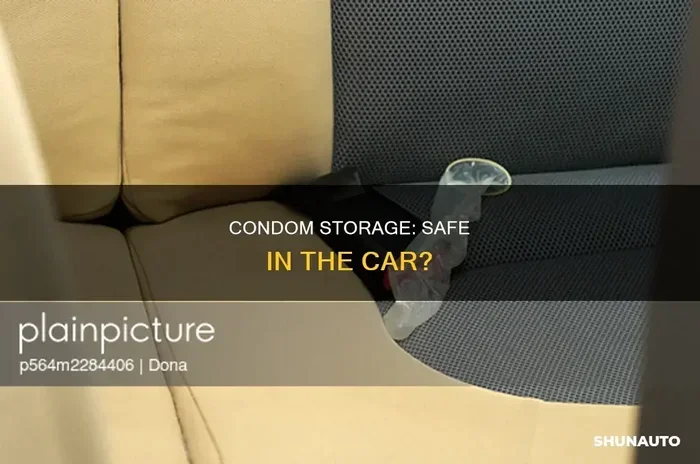
How Long Can Condoms Last in a Car Before They Go Bad
Condoms can degrade quickly when left in a car, especially under extreme temperatures. Most condoms have a shelf life of 1 to 5 years, but car storage can shorten that timeline significantly. Heat, cold, and UV exposure can weaken latex, making condoms more prone to breakage and less effective at preventing pregnancy and STDs.
You might not think twice about tossing a pack of condoms in your glove box or center console. But here is the thing. Your car can turn into a harsh environment for these essential items. The question of how long can condoms last in a car is more important than most people realize. Heat, cold, and sunlight all work together to break down the materials that keep condoms effective. Understanding this can save you from a failed protection moment at the worst possible time.
Many folks store condoms in their vehicles for convenience. Maybe you keep them in your wallet, the glove compartment, or even the trunk. Each of these spots has different temperature levels and conditions. Over time, these conditions can weaken the latex, dry out the lubricant, and compromise the wrapper. This means the condom might not work when you need it most. Let us dive deep into the science, the risks, and the smart storage tips that can help you stay safe.
Key Takeaways
- Heat is the biggest enemy: Temperatures above 104°F can break down latex and lubricant fast.
- Cold weather is risky too: Freezing temperatures make latex brittle and more likely to tear.
- Check the expiration date: A condom past its date is more likely to fail, no matter where it is stored.
- Visual inspection matters: Always check for stickiness, brittleness, or discoloration before use.
- Glove boxes and center consoles are not ideal: These spots get the hottest in summer and the coldest in winter.
- Use a protective case: A small pouch can shield condoms from temperature swings and UV light.
- When in doubt, throw it out: Never risk using a condom you are unsure about.
📑 Table of Contents
Why Car Storage Affects Condom Lifespan
Your car is basically a small oven in summer and a freezer in winter. These extreme temperature swings hit your condoms hard. The materials used to make condoms, mainly latex or polyurethane, are sensitive to heat and cold. When exposed to high temperatures, the latex starts to break down at a molecular level. The lubricant can become sticky or gummy. The wrapper might weaken and develop tiny holes. All of this happens faster inside a car than in a cool, dry place at home.
So how long can condoms last in a car compared to proper storage? In a climate-controlled room, a condom can easily last until its expiration date. In a car? That timeline can shrink by months or even years. The key factor is the temperature range the condom experiences day after day. Even if you live in a mild climate, a parked car can reach extreme temperatures on a sunny day. This is why understanding the risks matters so much.
The Heat Factor
Summer heat is the number one killer of condoms in cars. On a hot day, the inside of a car can reach 140°F or more within an hour. That is well above the safe storage temperature for latex. At these temperatures, the latex becomes soft and sticky. The proteins in the rubber start to break apart. The lubricant can evaporate or become too thick. A condom stored in a hot car for just a few weeks can show signs of serious degradation.
Even on a moderately warm day, say 85°F outside, your car interior can climb past 100°F. That is enough to start the breakdown process. If you leave condoms in the glove box, they sit right in the path of this heat. The dashboard and center console areas get even hotter because of direct sunlight. Trunks can also get very warm, especially in dark-colored cars. Every one of these spots poses a risk to condom quality.
Cold Weather Concerns
People often forget about cold weather damage. Freezing temperatures are just as harmful as extreme heat. When temperatures drop below 32°F, latex becomes stiff and brittle. A brittle condom is much more likely to tear during use. The lubricant can thicken or separate in cold conditions. Even if the condom does not break from cold alone, the combination of cold storage followed by rapid warming can cause condensation inside the wrapper. This moisture can weaken the latex and compromise the barrier.
If you live in a cold climate, this is especially important. Leaving condoms in your car overnight during winter can expose them to temperatures well below freezing. The glove box, trunk, and even the seats can become very cold. Over time, repeated freeze-thaw cycles can cause cumulative damage. This is why checking your condoms before use is always a smart habit, no matter the season.
Understanding Condom Expiration Dates
Every condom box has an expiration date printed on it. This date is not just a suggestion. It is based on rigorous testing by the manufacturer. The expiration date tells you how long the condom is expected to remain effective under proper storage conditions. But here is the catch. Those proper storage conditions do not include a hot car in July or a freezing trunk in January.
Most condoms last between 1 and 5 years from the date of manufacture. The exact lifespan depends on the material. Latex condoms typically last the longest, up to 5 years. Polyurethane condoms usually have a shorter shelf life, around 3 to 4 years. Lambskin condoms, also known as natural membrane condoms, tend to expire the fastest, often within 3 to 4 years. But all of these timelines assume room temperature storage. Car storage can shorten them significantly.
What the Date Really Means
The expiration date is the last day the manufacturer guarantees full effectiveness. After that date, the condom is not automatically useless. But the risk of failure goes up. The latex may have already started to degrade, even in ideal storage. In a car, this degradation process speeds up. A condom that expired six months ago and spent most of that time in a hot car is much riskier than one that expired six months ago and stayed in a cool drawer.
Here is a simple way to think about it. Imagine a rubber band left in the sun for a week. It becomes brittle and snaps easily. Now imagine that same rubber band left in a cool drawer. It stays flexible and strong for much longer. Condoms work the same way. The material is essentially a very thin rubber band. Heat and cold affect it in similar ways.
How Manufacturers Determine Shelf Life
Manufacturers test condoms under controlled conditions. They expose them to heat, cold, humidity, and light in a lab setting. They check for breakage rates, leakage, and elasticity. Based on these tests, they set the expiration date. But these tests do not simulate the wild temperature swings inside a car. That is why a condom stored in a car may not make it to the printed expiration date.
Some studies have shown that condoms stored at temperatures above 104°F for extended periods can lose up to 50% of their strength. That is a huge drop. Even moderate heat, around 90°F, can cause gradual damage over weeks and months. The lubricant may dry out. The wrapper may become more fragile. All of these factors add up to a higher chance of failure when it matters most.
Signs Your Condom Has Gone Bad
Knowing the warning signs of a bad condom can save you from an uncomfortable or dangerous situation. Not every damaged condom looks obviously wrong. Some signs are subtle and easy to miss if you are not looking for them. This is why it pays to inspect every condom before you use it, especially if it has been stored in your car.
Visual Inspection Tips
Start by looking at the wrapper. It should be smooth, clean, and free of any tears or holes. If the wrapper looks discolored, sticky, or brittle, do not use it. A damaged wrapper means the condom inside may also be compromised. Next, check the expiration date. If the date has passed, it is best to grab a new one. Even if the condom looks fine, expired condoms carry a higher risk of failure.
Also pay attention to the color of the condom itself. A fresh condom should be a uniform, milky white color (for latex versions). If it looks yellowed, brownish, or has spots, the material has likely degraded. A condom that looks too dry or too sticky is also a red flag. These visual cues are your first line of defense against using a bad condom.
Touch and Feel Tests
Before opening the wrapper, gently squeeze the condom through the packaging. It should feel soft and flexible, not stiff or crunchy. A condom that feels brittle or hard may have been exposed to cold temperatures or heat for too long. After opening the wrapper, unroll a small portion and check the texture. It should feel smooth and slightly tacky, not dry or greasy.
If the condom feels sticky or tacky in an unusual way, it may have been overheated. The lubricant can break down and become uneven. On the other hand, if the condom feels dry or rough, the lubricant may have dried out. Either of these conditions increases the risk of breakage during use. Trust your senses. If something feels off, it is better to be safe and grab a new condom.
Temperature Ranges and Their Effects on Condoms
Not all temperatures are equally dangerous. The impact on your condoms depends on how hot or cold it gets and for how long. Understanding these ranges can help you make better decisions about where and how you store condoms in your vehicle.
| Temperature Range | Effect on Condoms | Risk Level |
|---|---|---|
| Below 32°F (0°C) | Latex becomes brittle, lubricant thickens, risk of tearing | High |
| 32°F to 60°F (0°C to 15°C) | Generally safe, minimal degradation | Low |
| 60°F to 85°F (15°C to 29°C) | Ideal storage range, minimal risk | Very Low |
| 85°F to 104°F (29°C to 40°C) | Gradual degradation of latex and lubricant | Moderate |
| Above 104°F (40°C) | Rapid breakdown of materials, wrapper damage, lubricant failure | Very High |
| Above 120°F (49°C) | Severe damage, high risk of breakage and leakage | Extreme |
As you can see, the danger zone starts at around 85°F. And most cars exceed that temperature on a sunny day, even in mild weather. The highest risk comes from temperatures above 104°F, which a car interior can easily reach in summer. At these temperatures, the damage happens fast. Even a few days in extreme heat can render a condom ineffective.
What Happens in Extreme Heat
When a car interior reaches 120°F or more, the latex begins to cook, essentially. The proteins in the rubber denature, just like an egg white turns solid when heated. This changes the structure of the material permanently. The condom loses its elasticity and becomes weak. The lubricant can melt or evaporate, leaving the condom dry and more likely to tear. The wrapper can fuse to the condom or develop micro-holes.
Even short exposures to extreme heat can cause damage. Leaving a pack of condoms on the dashboard for an hour on a 95°F day can push the temperature of the condoms past 120°F. That is enough to start the degradation process. If this happens repeatedly, the cumulative damage can be significant. This is why experts strongly advise against keeping condoms in places that get direct sunlight in your car.
What Happens in Freezing Temperatures
Cold weather damage is less obvious but just as real. When latex freezes, the rubber fibers contract and become rigid. Repeated freezing and thawing can cause the fibers to crack and break. A condom that has been through multiple freeze-thaw cycles may look fine but be structurally weak. The lubricant can separate from the latex, creating uneven coverage.
Condoms stored in the trunk during winter are especially vulnerable. Trunks are not insulated and can reach very low temperatures. Even the glove box can get cold enough to damage condoms in harsh winters. If you live in a cold climate, consider keeping your condoms in an interior pocket or a temperature-controlled bag when traveling.
Best Practices for Storing Condoms in Your Car
So what can you do if you need to keep condoms in your car? The good news is that there are several simple steps you can take to protect them. With a little planning, you can keep your condoms effective and ready to use whenever you need them.
Ideal Storage Locations
The best place to store condoms in a car is somewhere with the most stable temperature. The center console, if it is insulated, is a better choice than the glove box. The glove box is often exposed to the HVAC system, which can make it very hot or very cold depending on the season. A small pouch or case tucked under a seat can also work well, as long as it is out of direct sunlight.
Some people use a small insulated bag or case specifically for condoms. These cases help buffer temperature swings and block out UV light. They are small enough to fit in a glove box, center console, or even a backpack. Investing in one of these cases is a smart move if you regularly keep condoms in your car.
Protective Measures
Here are some practical tips to keep your condoms in good shape while stored in your vehicle:
- Keep them out of direct sunlight: UV rays degrade latex over time. Store condoms in a shaded spot or inside a case.
- Avoid the trunk: Trunks experience the most extreme temperature swings and are not insulated.
- Do not leave them on the dashboard: This is the hottest spot in any car and a prime location for UV exposure.
- Use a protective pouch: A small insulated pouch can make a big difference in temperature stability.
- Check them regularly: Inspect your condoms every few weeks for signs of damage or degradation.
- Rotate your stock: Use the oldest condoms first and replace them with fresh ones.
- Keep them dry: Moisture can weaken the wrapper and the latex. Avoid storing condoms anywhere they might get wet.
Quick Tips for Car Condom Storage
Here are a few quick tips to remember. First, never leave a condom in your car overnight in extreme weather. Second, if you notice your car interior getting very hot, move your condoms to a cooler spot or take them with you. Third, always carry a backup condom in a temperature-stable location, like a bag or jacket pocket. Fourth, teach your partner about proper storage too, so both of you stay informed and safe.
Common Myths About Condom Storage
There is a lot of misinformation out there about how to store condoms. Let us clear up some of the most common myths so you can make informed decisions.
Myth 1: Condoms last forever if the wrapper is intact. This is not true. Even an unopened condom will degrade over time, especially under harsh conditions like car storage. The expiration date exists for a reason.
Myth 2: Cold weather preserves condoms. Cold does not preserve condoms. It can actually damage them by making the latex brittle. A cool, dry place at room temperature is the best storage condition.
Myth 3: A condom that looks fine is fine. Not always. Some damage is invisible. The latex may have weakened internally even if the wrapper looks perfect. This is why checking the expiration date and storage conditions matters.
Myth 4: Only extreme heat damages condoms. Moderate heat over a long period can also cause damage. A car that sits at 85°F for weeks can gradually weaken condoms stored inside.
The Health Risks of Using Damaged Condoms
Using a compromised condom puts you at serious risk. A condom that has been weakened by heat or cold is more likely to break during use. A broken condom provides no protection against pregnancy or sexually transmitted infections. The failure rate of a damaged condom can be as high as using no condom at all.
Beyond breakage, degraded lubricant can cause discomfort and irritation. A dry or sticky condom is less comfortable and more likely to tear during intercourse. This can lead to painful experiences and increase the risk of infection. In short, using a bad condom is not worth the risk. Always check your condoms and replace any that have been stored in poor conditions.
If you suspect a condom has been damaged by heat or cold, do not use it. Grab a fresh one instead. It is a small inconvenience that can protect your health and well-being. Remember, condoms are a critical tool for safe sex. Treating them with care ensures they do their job when you need them most.
Conclusion
The answer to how long can condoms last in a car depends on several factors. Temperature, sunlight exposure, humidity, and the original expiration date all play a role. In general, condoms stored in a car are at higher risk of degradation than those kept at room temperature. Heat is the biggest threat, but cold weather can also cause damage. The best approach is to check your condoms regularly, store them properly, and replace them if you are unsure about their condition.
Taking a few simple precautions can make a big difference. Use an insulated pouch, avoid direct sunlight, and keep your condoms away from extreme temperatures. These small steps protect both your health and your peace of mind. Safe sex starts with safe storage. Make sure your condoms are ready to protect you when it matters most.
Frequently Asked Questions
Can condoms survive a hot car in summer?
It depends on the temperature and how long they are exposed. A few hours on a moderately warm day is usually fine, but leaving them in a hot car for days or weeks can damage them. Always check for signs of degradation before use.
What is the safe temperature range for condom storage?
The ideal range is between 60°F and 85°F. Temperatures below 32°F or above 104°F can cause significant damage to the latex and lubricant. Keeping condoms in a stable, moderate environment is the safest approach.
How can I tell if a condom has been damaged by heat?
Look for stickiness, discoloration, or a brittle wrapper. Feel the condom for unusual dryness or stiffness. If anything seems off, it is best to replace it with a new one. When in doubt, do not use it.
Is it safe to keep condoms in the glove box year-round?
The glove box is not ideal because it experiences extreme temperatures in both summer and winter. It is better to use an insulated pouch or store condoms in a more temperature-stable location inside the car.
Do condoms expire faster in a car than at home?
Yes, they can. The temperature swings and exposure to heat and cold in a car accelerate the degradation process. A condom stored in a car may expire months before the printed date, depending on conditions.
What should I do if I left condoms in a hot car?
Inspect them carefully before use. Check the wrapper for damage, the expiration date, and the feel of the condom. If anything seems wrong, throw them out and get a fresh pack. Your health is not worth the risk.