Are Hydrogen Cars Safe Discover The Real Truth Today
Are hydrogen cars safe? The short answer is yes. Hydrogen fuel cell vehicles pass strict safety tests and have built-in fail-safes. Hydrogen car safety is backed by decades of research and real-world data. These vehicles use sealed tanks and advanced leak detection systems. Keep reading to learn the full truth about hydrogen car safety and what experts say.
Are hydrogen cars safe? This is a question many people ask. The idea of fueling a car with gas might feel risky. But hydrogen fuel cell vehicles have been around for years. They have passed tough safety tests worldwide. In this article, we will look at the real truth about hydrogen car safety. You will learn how these vehicles work. You will find out what experts say. And you will understand if a hydrogen car is right for you.
The world is changing fast. More drivers want clean cars. Hydrogen fuel cell vehicles offer zero tailpipe emissions. But safety always comes first. People worry about fires. They worry about leaks. They worry about crashes. We will answer all of these questions. Let us dive into the facts.
Key Takeaways
- Hydrogen cars are safe: They undergo rigorous crash testing and meet strict global safety standards.
- Tanks are incredibly strong: Carbon-fiber hydrogen storage tanks can withstand extreme pressure and impact.
- Leak detection is automatic: Hydrogen cars have sensors that shut down the system if a leak is detected.
- Hydrogen is flammable but so is gasoline: Both fuels require careful handling, but hydrogen disperses quickly in open air.
- Real-world data supports safety: Thousands of hydrogen fuel cell vehicles have been on the road for years with few incidents.
- Hydrogen refueling is designed with safety in mind: Stations use multiple safety layers to prevent accidents.
- Hydrogen cars vs electric cars: Both are safe, but they have different risk profiles worth understanding.
📑 Table of Contents
How Hydrogen Cars Work
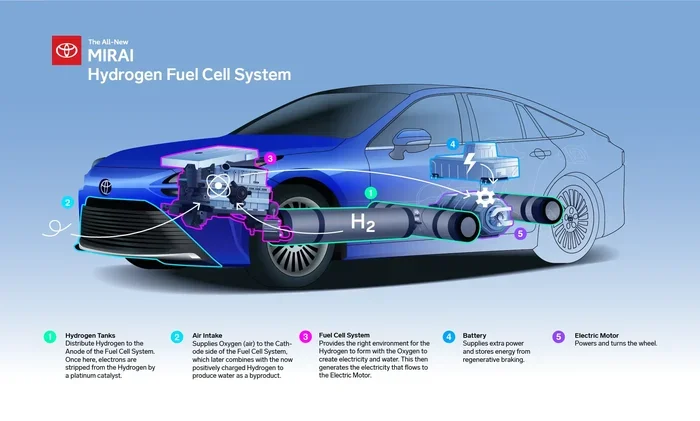
To understand hydrogen car safety, you need to know how these cars work. A hydrogen fuel cell vehicle uses hydrogen gas to make electricity. This electricity powers an electric motor. The only exhaust is water vapor. That is it. No smoke. No harmful fumes.
The process is simple. Hydrogen gas goes into a hydrogen tank. It then flows into a fuel cell stack. Inside the stack, hydrogen meets oxygen from the air. This creates electricity. The electricity runs the car. Water comes out as a byproduct.
The Hydrogen Tank Design
The hydrogen storage tank is the heart of the system. These tanks are not regular gas tanks. They are built to be super strong. They use layers of carbon fiber. The tank can hold hydrogen at very high pressure. Usually around 700 bar. That is about 10,000 pounds per square inch.
These tanks go through brutal testing. They are shot with bullets. They are crushed. They are exposed to extreme heat. They rarely fail. In fact, hydrogen tank design is one of the safest parts of the car.
Fuel Cell Safety Features
Fuel cell technology includes many safety features. The fuel cell is sealed tightly. It has built-in sensors. These sensors watch for any problems. If something goes wrong, the system shuts down. This happens in milliseconds.
Here are some key safety features found in most hydrogen fuel cell vehicles:
- Automatic shut-off valves that close if a leak is detected
- Pressure release systems that vent gas safely
- Flame arrestors that prevent flames from traveling back into the tank
- Leak detection sensors placed throughout the fuel system
- Impact sensors that cut fuel flow during a crash
Hydrogen Safety: What the Experts Say
So, is hydrogen car safety backed by experts? Yes, absolutely. Many organizations have studied this. The National Highway Traffic Safety Administration (NHTSA) has reviewed hydrogen vehicles. The European New Car Assessment Programme (Euro NCAP) has tested them too. The results are very positive.
Global Safety Standards
Hydrogen refueling vehicles must meet strict rules. These rules exist in every major market. In the United States, the Department of Transportation sets the standards. In Europe, the UN has specific rules for hydrogen vehicles. These rules cover everything. They cover the tank. They cover the fuel line. They cover the refueling process.
Every hydrogen fuel cell vehicle sold today has passed these tests. Manufacturers cannot skip them. Safety is not optional. It is required by law.
What Engineers Say
Automobile engineers who work on hydrogen vehicles agree on one thing. These cars are designed to be safe from the start. They are not afterthoughts. Safety is built into every part. Engineers use something called a “fail-safe design.” This means if any part fails, the system still stays safe.
For example, if a hydrogen tank is damaged, it has a special valve. This valve closes automatically. It stops the flow of gas. The tank itself is also designed to vent safely. Gas escapes upward and away from the car. This reduces any risk.
Hydrogen vs Electric Cars: Safety Comparison
Many people compare hydrogen cars vs electric cars. Both are clean vehicles. But are they equally safe? Let us look at the facts.
Battery Electric Vehicles
Battery electric vehicles (BEVs) use large lithium-ion batteries. These batteries store electricity. They are generally very safe. But they can catch fire in rare cases. This is called “thermal runaway.” It happens when the battery gets too hot. It can be hard to put out.
Modern BEVs have battery management systems. These systems watch the temperature closely. They cool the battery down if needed. Still, battery fires do happen. They make headlines. This makes some drivers nervous.
Hydrogen Fuel Cell Vehicles
Hydrogen fuel cell vehicles have a different risk profile. The main risk is gas leaks. Hydrogen is very flammable. But it is also very light. It rises fast and disappears into the air. This is very different from gasoline. Gasoline pools on the ground. It stays there. Hydrogen does not.
Here is a simple comparison table:
| Feature | Hydrogen Cars | Electric Cars |
|---|---|---|
| Fuel/Power Source | Hydrogen gas | Lithium-ion battery |
| Fire Risk | Low (gas disperses quickly) | Low but battery fires can be hard to extinguish |
| Crash Safety | Strong carbon fiber tanks | Battery shield protects pack |
| Leak Risk | Sensors detect leaks instantly | Minimal leak risk |
| Refueling/Charging Safety | Possible gas leak during refueling | Electrical hazard risk during charging |
| Post-Crash Response | Automatic fuel shut-off | Automatic battery disconnect |
Both types of vehicles are safe. But they handle risk differently. Hydrogen safety focuses on gas management. Electric vehicle safety focuses on battery control. Neither is perfect. But both are very safe.
Real-World Safety Tests and Crash Results
Do hydrogen cars actually hold up in crashes? Let us look at real data. This is where the truth really lives.
Crash Test Results
Several hydrogen fuel cell vehicles have been crash tested. The Toyota Mirai is one example. It has been tested by Euro NCAP. It earned a five-star safety rating. The car’s hydrogen tank survived the crash without any leaks.
In another test, engineers shot a hole through a hydrogen tank on purpose. The tank did not explode. The pressure relief valve worked perfectly. Gas vented out safely. This is exactly what the design was meant to do.
Real-World Incidents
Have any hydrogen cars caught fire in real life? Very few cases exist. Most incidents involved hydrogen refueling stations, not the cars themselves. The cars have performed well. This is impressive given how many have been on the road.
Here are some quick facts about real-world hydrogen car safety:
- Toyota has sold thousands of Mirai vehicles worldwide
- Hyundai Nexo has been on roads since 2018
- Very few incidents involving hydrogen vehicles have been reported
- Hydrogen leak detection systems have prevented potential accidents
- Hydrogen refueling stations have safety protocols that work well
The Hindenburg Myth
Some people still think of the Hindenburg disaster. That was a zeppelin filled with hydrogen in 1937. It was a terrible event. But things have changed a lot since then. Modern hydrogen storage is nothing like 1930s technology. Today’s tanks are built with advanced materials. They are incredibly strong. The hydrogen flammability risk is well understood now.
Engineers use this knowledge to make cars safer every day. The Hindenburg does not represent modern hydrogen safety. It is a piece of history. We learn from it. We do not repeat it.
Common Concerns About Hydrogen Cars
It is normal to have questions about hydrogen car safety. Let us address the most common concerns directly.
Can a Hydrogen Car Explode in a Crash?
This is the number one question people ask. The answer is no. Not easily. The hydrogen tank is built to survive serious impacts. It has multiple safety layers. If a crash happens, the system shuts down instantly. The tank vents any gas safely. An explosion is extremely unlikely.
Crash test hydrogen cars have shown this clearly. The tanks stay intact. The fuel system stays sealed. Safety works as designed.
Is Hydrogen Gas Dangerous to Breathe?
Hydrogen is not toxic. You can breathe it without harm. It is not like carbon monoxide. Hydrogen simply does not poison you. However, it can displace oxygen in a very enclosed space. This is rare. And hydrogen leak detection systems alert drivers long before this could happen.
What Happens During a Hydrogen Refueling Fire?
Hydrogen refueling stations have many safety systems. If a fire starts, the station shuts down automatically. Nozzles release the pressure. Fires at stations are rare. When they do happen, safety systems control them. They do not turn into big explosions.
Are Hydrogen Tanks Fragile?
Not at all. Hydrogen storage tanks are among the strongest parts of the car. They are made of carbon fiber and other composites. They can handle extreme pressure. They can handle bumps, crashes, and even bullets. They are built to last the lifetime of the vehicle.
The Future of Hydrogen Car Safety
What does the future hold for hydrogen car safety? The outlook is very promising. Technology keeps improving every year.
Better Tank Materials
Engineers are working on even stronger hydrogen storage materials. New composites are lighter and tougher. These will make hydrogen fuel cell vehicles even safer. They will also make them lighter and more efficient.
Smarter Detection Systems
Hydrogen leak detection is getting smarter. New sensors can find tiny leaks faster. They can tell exactly where a leak is coming from. This helps fix problems before they become serious.
Growing Hydrogen Infrastructure
As hydrogen refueling stations grow, safety standards will too. More stations mean more data. More data means better safety rules. The hydrogen infrastructure is still young. It will only get better.
Green Hydrogen and Clean Energy
Green hydrogen is hydrogen made from renewable energy. It is the cleanest form of hydrogen. As green hydrogen becomes more common, the whole picture gets better. Clean fuel means clean air. And safe fuel means safe cars.
Key Takeaways
- Hydrogen cars are safe: They pass strict crash tests and global safety standards every year.
- Tanks are built to last: Carbon fiber hydrogen storage tanks survive extreme conditions.
- Leak detection is automatic: Sensors and shut-off valves prevent accidents before they start.
- Hydrogen is flammable but disperses quickly: Unlike gasoline, hydrogen gas rises and vanishes into the air.
- Real-world data supports safety: Very few incidents have been reported with hydrogen fuel cell vehicles on the road.
- Hydrogen refueling is designed with safety in mind: Stations use multiple layers of protection.
- Hydrogen cars vs electric cars: Both are safe, but they have different risk profiles that are well managed.
Conclusion
So, are hydrogen cars safe? The answer is a clear yes. These vehicles are built with safety as a top priority. They have strong tanks. They have smart sensors. They have automatic shut-off systems. Hydrogen fuel cell vehicles have been tested thoroughly. They have been on the road for years. The data supports their safety.
Yes, hydrogen is flammable. But so is gasoline. And hydrogen car safety systems are designed to handle that risk. The tanks will not explode in a crash. Leaks are detected instantly. The whole system works together to keep you safe.
If you are considering a hydrogen fuel cell vehicle, you can feel confident. The technology is mature. The safety record is strong. The future looks bright for hydrogen cars. They are a clean, safe, and practical choice for many drivers.
Keep learning about hydrogen car safety. Stay informed. Ask questions. The more you know, the more confident you will feel. And that is what this article is all about.
Frequently Asked Questions
Are hydrogen cars safe in crashes?
Yes, hydrogen cars are safe in crashes. The carbon fiber tanks are built to survive severe impacts. Automatic shut-off systems activate instantly during a collision. Crash tests have shown these vehicles perform very well.
Can a hydrogen car explode?
An explosion is extremely unlikely. Hydrogen gas is lighter than air and disperses quickly. The tanks have pressure relief valves that vent gas safely. Hydrogen car safety systems are designed to prevent this scenario entirely.
How does hydrogen leak detection work?
Hydrogen leak detection uses special sensors placed throughout the fuel system. These sensors can detect even tiny amounts of hydrogen gas. If a leak is found, the system automatically shuts down the fuel supply. This happens in milliseconds.
Are hydrogen refueling stations safe?
Yes, hydrogen refueling stations are built with multiple safety layers. They have automatic shut-off systems. They are regularly inspected and maintained. Hydrogen refueling is designed to be as safe as possible for both users and the public.
How do hydrogen cars compare to gasoline cars in safety?
Hydrogen cars have different risks than gasoline cars. Gasoline pools on the ground and can pool in crashes. Hydrogen gas rises and disperses into the air. Both fuels are flammable, but hydrogen car safety systems are specifically designed to manage this risk effectively.
Is green hydrogen safer than regular hydrogen?
Green hydrogen is the same safe gas as other types. The difference is how it is made. Green hydrogen is produced using renewable energy. The safety of the fuel itself is the same regardless of how it was made.