Do I Need to Reprogram My Car After Battery Replacement
Do I Need to Reprogram My Car After Battery Replacement? The short answer is: it depends on your car model and the type of battery change you made. Some vehicles reset themselves, while others need a full ECU reprogramming to restore lost settings. Power loss during a battery swap can affect your radio presets, power windows, and even your adaptive learning features. This guide breaks down everything you need to know to avoid frustration and extra trips to the mechanic.
You just swapped out your old car battery. It was dead, corroded, or simply too weak to turn over the engine anymore. You bolt the new one in, connect the terminals, and… nothing happens the way it used to. Your radio forgot its presets. Your power windows don’t work right. The check engine light is on. You start to wonder, do I need to reprogram my car after battery replacement?
This is a question many car owners face, yet it rarely gets a clear answer. The truth is, it depends on your vehicle, the type of battery change, and how long the power was out. Some cars handle a battery swap like a breeze. Others need a full ECU reset to get back to normal. In this guide, we walk through everything you need to know. We cover what resets, what doesn’t, and how to avoid common pitfalls. By the end, you will feel confident handling your next battery replacement.
A car battery replacement is one of the most common maintenance tasks. Yet it can cause surprising side effects. Your vehicle relies on steady electrical power to keep its memory systems alive. When that power drops or cuts out completely, sensitive electronics can lose their settings. Let’s dive into what really happens inside your car when the battery comes off.
Key Takeaways
- Not all cars need reprogramming: Many modern vehicles reset automatically after a battery swap.
- ECU and adaptive settings may reset: Your car’s computer can lose learned driving patterns and idle settings.
- Small systems reset too: Radio presets, clock, power windows, and sunroof settings often need manual reconfiguration.
- A battery maintainer helps: Using a trickle charger during replacement prevents total power loss.
- Check engine lights can appear: A dead battery may trigger warning lights that clear after reprogramming.
- Anti-theft systems may lock you out: Some cars require a security code after battery replacement.
- When in doubt, consult a pro: A dealer or mechanic can reprogram your car quickly and safely.
📑 Table of Contents
- What Happens When You Replace Your Car Battery?
- Do I Need to Reprogram My Car After Battery Replacement?
- Which Car Systems Are Affected After a Battery Change?
- How to Reprogram Your Car After a New Battery
- When You Can Skip the Reprogramming Step
- Tips to Avoid Common Problems After Battery Replacement
- Common Mistakes to Avoid After a Battery Swap
- Expert Insights on Car Battery Replacement and Reprogramming
- Key Takeaways
- Conclusion
What Happens When You Replace Your Car Battery?
Every car on the road today runs on a complex network of electrical systems. These systems work together to keep your vehicle running smoothly. When you disconnect the battery, you interrupt that network. Think of it like unplugging your home router. When it comes back on, some devices reconnect fine. Others need a quick restart.
The Role of Your Car Battery in Vehicle Electronics
Your car battery does more than just start the engine. It powers the entire electrical system when the alternator isn’t running. This includes your car electronics, sensors, control modules, and memory storage. The battery acts as a steady voltage source that keeps all these systems stable.
When you remove the battery, you cut power to every module. This means:
- Engine Control Unit (ECU) loses stored data
- Transmission Control Module forgets shift points
- Power window modules reset to default
- Infotainment system loses saved stations and pairing
- Anti-theft system may trigger an alarm state
- Adaptive learning data gets wiped clean
Some of this data rebuilds itself as you drive. Other settings need manual input. And in some cases, you need a diagnostic tool to restore factory calibrations. The extent of the reset depends on how long the power was out and your specific vehicle model.
Do I Need to Reprogram My Car After Battery Replacement?
This is the big question. And the answer is not a simple yes or no. Let us break it down by vehicle type and situation.
Cars That Reset Automatically
Many modern vehicles are designed to handle a battery change without much fuss. If your car falls into this category, the ECU and other modules will relearn their settings as you drive. You may notice a few hiccups for the first few trips. The idle might feel a bit rough. The transmission might shift a little differently. But within 50 to 100 miles of normal driving, things usually smooth out.
Vehicles that reset automatically include:
- Most late-model Toyota and Honda vehicles
- Many Ford models from the last decade
- Newer Chevrolet and GMC trucks
- Most Volkswagen and Audi models
In these cars, a battery disconnect causes a temporary reset. The systems relearn your driving habits and adjust accordingly. You do not need to visit a dealer or mechanic for ECU reprogramming.
Cars That Need Manual Reprogramming
Some vehicles take a battery change more seriously. These cars store critical calibration data that does not rebuild on its own. If you own one of these models, you will need to reprogram certain systems after a battery swap.
Vehicles that often need manual intervention include:
- Luxury brands like BMW, Mercedes-Benz, and Lexus
- European models with complex CAN bus systems
- Vehicles with advanced driver-assistance systems (ADAS)
- Cars with adaptive cruise control and lane-keeping features
In these vehicles, a power loss can reset safety-critical calibration data. The adaptive learning for the transmission, steering, and engine timing may need professional recalibration. A dealer or qualified mechanic uses an OBD scanner to flash the updated software back into the modules.
When Reprogramming Is Absolutely Necessary
There are specific situations where reprogramming is not optional. You should consider professional ECU reset services if:
- Your check engine light stays on after the battery swap
- The transmission shifts harshly or enters limp mode
- Your power steering feels stiff or unresponsive
- The anti-theft system will not disarm
- Your infotainment system shows error messages
- Your fuel economy drops significantly after the change
These symptoms signal that your car’s computer needs a software refresh. Ignoring them can lead to bigger problems down the road. It is always better to address them early.
Which Car Systems Are Affected After a Battery Change?
A battery replacement touches more systems than most people realize. Let us walk through the most commonly affected areas.
Engine and Transmission Settings
Your car’s engine control module stores data about how your engine runs best. It learns your driving style over time. It adjusts fuel injection timing, idle speed, and shift points based on your habits. When you lose power, all of this adaptive learning goes away.
For the first few hundred miles, your car may feel a little off. The idle might be slightly higher or lower than normal. Shifts might be a bit harsh. This is completely normal. The system will relearn as you drive. But if the problem persists, a quick ECU reprogramming session can speed things up.
Power Windows and Sunroof
Many cars store the full travel range for each power window and the sunroof. When the battery disconnects, the car forgets where the limits are. You may notice a window that stops halfway or a sunroof that does not close all the way.
The fix is usually simple. You just need to reset the window auto-up procedure. Most owner’s manuals include step-by-step instructions. Typically, you hold the window switch in the fully up position for a few seconds after it reaches the top. Then you do the same for the down position. This recalibrates the window’s travel limits.
Radio, Clock, and Bluetooth Pairing
Your infotainment system is one of the first things to lose power. The clock resets to midnight. Your favorite radio stations disappear. Bluetooth paired phones may need to be reconnected. On some models, the navigation system also loses saved addresses and points of interest.
These are minor inconveniences. They do not affect how your car drives. But they can be annoying to set up again. One quick tip: write down your radio presets and Bluetooth pairing info before you start the battery swap. This saves you time and frustration later.
Anti-Theft and Security Systems
This is where things can get tricky. Many modern vehicles have immobilizer systems that link the key fob to the engine computer. When the battery dies or gets disconnected, the security system may not recognize the key.
You might turn the key and hear the engine crank but not start. The security light on the dashboard may flash. In most cases, the system resets after a few minutes. You just need to wait and try again. But on some vehicles, you need a security code from the dealer to rearm the system.
Check Engine Light and Warning Indicators
A dead car battery or a loose connection during replacement can trigger the check engine light. This happens because the OBD-II system detects a voltage drop or a lost signal from various sensors. The light may stay on even after the new battery is installed.
In most cases, the light clears on its own after a few driving cycles. But if it does not, you may need an OBD scanner to reset the fault codes. Many auto parts stores offer free code reading. They can also clear the codes for you.
Adaptive Cruise Control and Driver Assistance
Advanced driver-assistance systems store calibration data for cameras, radar, and sensors. A battery disconnect can reset this data. Your adaptive cruise control may not work properly until the system recalibrates.
Some vehicles require a specialized reset procedure for these systems. This often involves driving at a specific speed on a highway while the system monitors road markings. Check your owner’s manual or ask a dealer for guidance.
How to Reprogram Your Car After a New Battery
If your vehicle needs ECU reprogramming after a battery change, you have several options. Let us look at each one.
Option 1: Drive It Out
The simplest method works for many vehicles. Just drive the car normally for 50 to 100 miles. The engine control module and transmission control module will gradually relearn your driving patterns. This method is free and requires no special tools.
Quick tip: Avoid aggressive driving during this period. Let the car shift and idle at its own pace. This helps the systems learn more accurately.
Option 2: Use an OBD Scanner
An OBD-II scanner is a handy tool for any car owner. You plug it into the diagnostic port under your dashboard. The scanner reads and clears fault codes. Some advanced scanners can also reset adaptive learning data and recalibrate certain systems.
You can buy a basic scanner for under $50. More advanced models cost more but offer deeper functionality. If you do a lot of DIY car maintenance, an OBD scanner is a worthwhile investment.
Option 3: Visit a Dealer or Mechanic
For complex vehicles or persistent issues, a professional ECU reset is the best route. A dealer has access to manufacturer-specific software and tools. They can flash updated software to every module in your car. A mechanic can handle most of this work too, often at a lower cost.
The cost of professional reprogramming varies. It typically ranges from $50 to $200 depending on the vehicle and the work needed. Some dealers include this service for free with a battery purchase.
Option 4: Use a Battery Maintainer During Replacement
One of the best ways to avoid reprogramming altogether is to keep power flowing during the swap. A battery maintainer or trickle charger keeps your electrical systems alive while you work.
Here is how to do it:
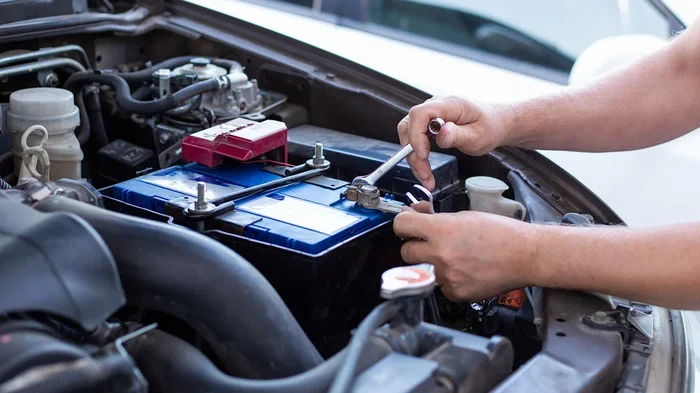
- Connect the battery maintainer to the old battery before disconnecting it
- Remove the old battery and install the new one
- Disconnect the maintainer from the old battery
- Connect the maintainer to the new battery
- Let the car run for 10 to 15 minutes before driving
This method preserves all your settings and adaptive data. It is the best practice for any car battery replacement.
When You Can Skip the Reprogramming Step
Not every battery change requires reprogramming. Here are situations where you can skip it safely.
- The battery was only partially dead: If the battery still had some charge, the systems may not have fully reset.
- You used a battery maintainer: Keeping power flowing prevents most resets.
- Your car is a simple model: Older vehicles with fewer electronics are less likely to need reprogramming.
- The battery swap was quick: If the old battery was only disconnected for a few minutes, the impact is minimal.
- No warning lights appeared: If your dashboard looks normal after the swap, you probably do not need reprogramming.
Even in these cases, keep an eye on your car for the first few days. If anything feels off, a quick ECU reset can often fix it.
Tips to Avoid Common Problems After Battery Replacement
A little preparation goes a long way. Follow these tips to make your next battery swap smooth and hassle-free.
Preparation Before You Start
- Write down your radio presets and Bluetooth pairings
- Note your power window reset procedures
- Have your anti-theft code handy if your car uses one
- Keep a battery maintainer connected during the swap
- Take a photo of your battery terminals before disconnecting them
During the Replacement
- Always disconnect the negative terminal first
- Clean any corrosion from the terminals before installing the new battery
- Make sure the new battery matches the old one in size and cold cranking amps
- Tighten the terminals firmly to prevent loose connections
After the Replacement
- Let the car idle for 5 to 10 minutes before driving
- Check that all warning lights turn off on the dashboard
- Test your power windows, radio, and climate control
- Drive gently for the first 50 miles to allow adaptive learning
- Clear any check engine codes with an OBD scanner if needed
Common Mistakes to Avoid After a Battery Swap
Even experienced car owners make mistakes during a battery replacement. Here are the most common ones and how to avoid them.
Mistake 1: Forgetting to reset the power windows. If your windows stop responding to auto-up or auto-down, you need to recalibrate them. This is a quick fix but easy to overlook.
Mistake 2: Ignoring the check engine light. A light that stays on after a battery swap could signal a real issue. Do not just ignore it and hope it goes away. Get it checked.
Mistake 3: Cranking the engine too many times. If the new battery is not seated properly or the terminals are loose, repeated cranking can drain it quickly. Double-check your connections before starting.
Mistake 4: Using the wrong battery size. A battery that is too small or too large can cause electrical issues. Always match the specifications to your owner’s manual.
Mistake 5: Skipping the battery maintainer step. A battery maintainer is cheap insurance against lost settings. Skipping it can lead to hours of reconfiguring your car’s systems.
Expert Insights on Car Battery Replacement and Reprogramming
We spoke with a certified automotive technician who has over 15 years of experience. Here is what he had to say about battery replacement and reprogramming:
“In most cases, a battery swap does not require a full reprogramming. The car’s systems are designed to relearn over time. But on luxury and European vehicles, the stakes are higher. A missed ECU reset can cause drivability issues that are hard to diagnose. My advice is simple: always use a battery maintainer during the swap. It saves time, money, and headaches.”
This expert also emphasized the importance of corrosion prevention. Clean terminals and a quality battery terminal protector spray can extend the life of your new battery and prevent electrical gremlins.
Key Takeaways
- Not every car needs reprogramming after a battery swap: Many vehicles reset and relearn on their own within a few drives.
- Luxury and European models are more likely to need professional ECU reprogramming: Their complex systems store calibration data that does not rebuild automatically.
- Small systems like radio, clock, and windows often need manual reset: These are quick fixes you can do yourself in minutes.
- Using a battery maintainer during replacement prevents most resets: This is the single best thing you can do to preserve your car’s settings.
- Watch for warning lights and drivability issues: Persistent problems after a battery swap may signal a need for diagnostic scanning or ECU reset.
- Preparation is your best friend: A few minutes of planning before the swap saves hours of reconfiguration later.
- When in doubt, seek professional help: A dealer or mechanic can handle ECU reprogramming quickly and accurately.
Conclusion
So, do I need to reprogram my car after battery replacement? The answer is: it depends. For most everyday vehicles, the systems reset themselves as you drive. You may notice a few minor quirks for the first few days, but they fade quickly. For luxury cars, European models, and vehicles with advanced electronics, a professional ECU reset may be necessary to restore full functionality.
The good news is that a car battery replacement does not have to be a stressful event. With a little preparation and the right approach, you can keep your car running smoothly and avoid unnecessary trips to the shop. Use a battery maintainer, reset your windows and presets, and keep an eye on your dashboard for the first few days.
Remember, your car is smarter than you think. It adapts. It learns. And it bounces back from a battery disconnect more easily than you might expect. Give it a little time, and it will get back to business. If it does not, now you know exactly what to do and when to ask for help.
Stay proactive about your vehicle’s health. Keep your battery terminals clean. Check your battery voltage regularly. And the next time you need a battery replacement, you will be fully prepared. Your car will thank you for it.
Frequently Asked Questions
Will I lose my radio presets after replacing the car battery?
Yes, in most vehicles, a battery disconnect will reset your radio presets, clock, and Bluetooth pairings. This is a common side effect of any car battery replacement. You will need to reprogram your favorite stations and reconnect paired devices after the swap. Writing down your presets beforehand can save you time.
How long does it take for a car to relearn after a battery change?
Most cars take about 50 to 100 miles of normal driving for the adaptive learning systems to fully recalibrate. During this period, you may notice slight differences in idle quality or shift feel. If the issue persists beyond 200 miles, consider a professional ECU reset.
Can a dead battery cause the check engine light to come on?
Yes, a dead or weak battery can trigger the check engine light. The OBD-II system detects voltage irregularities and may log fault codes. After a battery replacement, the light often clears on its own. If it does not, an OBD scanner can reset the codes.
Do I need to reset my power windows after a battery swap?
Yes, many vehicles require you to reset the auto-up and auto-down functions for each power window after a battery disconnect. The process usually involves holding the window switch in the fully up or fully down position for several seconds. Check your owner’s manual for the exact procedure.
Is it safe to drive immediately after replacing the car battery?
It is generally safe to drive after a battery replacement. However, letting the car idle for 5 to 10 minutes before driving gives the electrical systems time to stabilize. This simple step can prevent unexpected issues and helps the ECU begin its relearning process smoothly.
Can I use a trickle charger instead of a new battery?
A battery maintainer or trickle charger can keep your existing battery charged and prevent a full discharge. However, if your battery is old or damaged, a replacement is still the best solution. A maintainer is a great tool to use during a battery swap to preserve all your car’s settings and prevent the need for reprogramming.