40 Percent Window Tint: Benefits and Drawbacks Explained
40 percent window tint is a popular choice for car owners who want a balance between style and function. It blocks a good amount of UV rays and solar heat while still allowing decent visibility. Many drivers choose this tint percentage because it offers glare reduction without going too dark. However, it may not be legal everywhere, and it has some downsides too. This guide covers everything you need to know before choosing automotive tinting.
When it comes to window tinting, there are a lot of options out there. You can go with a very dark shade or keep it almost clear. One choice that stands out is 40 percent window tint. It hits a sweet spot between style, comfort, and practicality. But like anything, it has its pros and cons.
If you have been thinking about tinting your car windows, this guide is for you. We will walk through every benefit and drawback of a 40 percent tint. By the end, you will know exactly whether this shade is the right choice for your vehicle. Let us get into it.
Key Takeaways
- Good UV Protection: A 40 percent tint blocks most harmful UV rays, protecting your skin and car interior.
- Moderate Heat Rejection: It reduces solar heat significantly, making your car cooler in summer.
- Legal Concerns: Window tint laws vary by state and country, so check local rules before tinting.
- Privacy Boost: A 40 percent tint offers extra privacy without making your windows too dark.
- Easy Installation: It is one of the simpler tint shades to apply and maintain.
- Potential Drawbacks: Reduced night visibility and possible bubbling or peeling over time are real concerns.
📑 Table of Contents
- What Is 40 Percent Window Tint?
- Benefits of 40 Percent Window Tint
- Drawbacks of 40 Percent Window Tint
- 40 Percent Tint vs. Other Tint Percentages
- Quick Tips for Getting the Most Out of Your 40 Percent Tint
- Common Mistakes to Avoid When Tinting Your Windows
- Expert Insights on 40 Percent Window Tint
- Is 40 Percent Window Tint Right for You?
- Conclusion
What Is 40 Percent Window Tint?
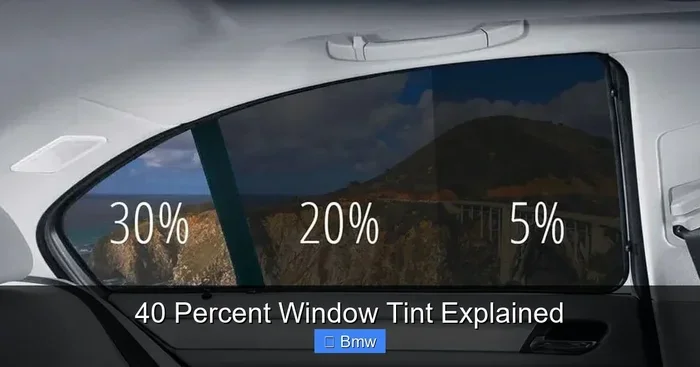
A 40 percent tint means the film allows 40 percent of visible light to pass through your car windows. The lower the number, the darker the tint. So a 40 percent tint is medium-dark. It is darker than a 50 percent tint but lighter than a 20 percent tint.
This shade is sometimes called a “comfort tint.” It is not as dark as a privacy tint, but it still gives you a sleek look. Many car owners choose it because it looks clean and subtle. It also does a solid job of blocking heat and UV rays.
How Visible Light Transmission Works
Visible light transmission, or VLT, is the measurement used to describe tint darkness. A higher VLT means more light gets through. A lower VLT means less light gets through. So a 40 percent tint has a VLT of 40. This is important to understand because it affects how dark your windows will look and how well you can see through them.
Different tint films also have different heat rejection levels. A 40 percent tint film can reject a good amount of solar heat, but the exact performance depends on the type of film you choose. Ceramic tints, for example, perform better than dyed tints at the same percentage.
Benefits of 40 Percent Window Tint
There are many reasons why drivers love a 40 percent tint. Let us look at the biggest benefits in detail.
UV Protection for Your Skin and Car Interior
One of the top reasons people tint their windows is for UV protection. The sun sends out harmful ultraviolet rays that can damage your skin and your car’s interior. A 40 percent tint blocks a large portion of these rays. This helps protect you from sunburn during long drives.
Your dashboard, seats, and trim can also fade over time from sun exposure. Tinting helps slow this down. It keeps your car looking newer for longer. This is a big win for anyone who wants to protect their investment.
Heat Rejection and Cooler Cabin
Nobody likes getting into a hot car after it has been sitting in the sun. A 40 percent window tint helps reduce the amount of solar heat that enters your car. This means your interior stays cooler, and your air conditioning does not have to work as hard.
Less heat inside your car also means less strain on your cooling system. Over time, this can even help with fuel efficiency. A cooler cabin makes every ride more comfortable, especially during summer months.
Glare Reduction for Safer Driving
Glare from the sun or headlights can be dangerous while driving. It can blind you temporarily and make it hard to see the road. A privacy tint at 40 percent helps cut down on this glare significantly.
You will notice a difference during early morning and late afternoon drives. Sunset glare, in particular, becomes much more manageable. This can improve your safety on the road, especially on long highway trips.
Sleek and Stylish Look
Let us be honest. Tinted windows just look good. A 40 percent tint gives your car a polished, finished look without going overboard. It is dark enough to look sporty but light enough to stay practical.
Many car enthusiasts choose this shade because it enhances the vehicle’s appearance. It works well on sedans, SUVs, trucks, and even vans. The look is clean and modern without drawing too much attention.
Extra Privacy for You and Your Passengers
A 40 percent tint makes it harder for people outside to see into your car. This gives you and your passengers more privacy. It is especially useful if you carry valuables in your car and want to keep them out of sight.
You do not have to worry about people staring into your vehicle at stoplights or in parking lots. This added layer of privacy can also make you feel safer, especially when parked in unfamiliar areas.
Easy to Install and Maintain
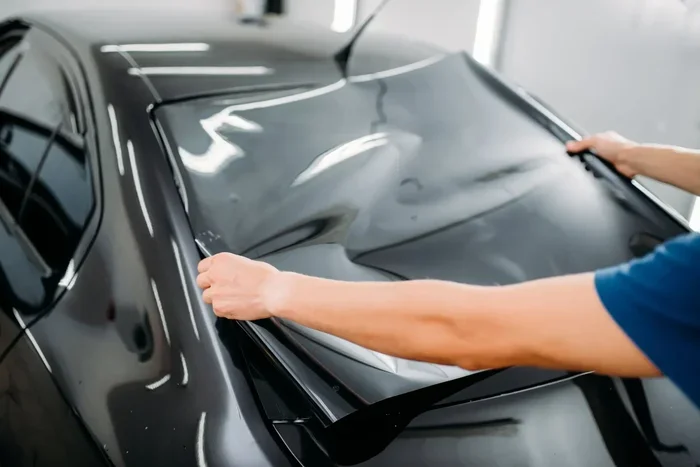
Compared to very dark tints, a 40 percent tint is easier to install. The film is not as tricky to handle, and bubbles are less of a concern. Most professional installers can get it done in a couple of hours.
Maintenance is also straightforward. You just need to avoid rolling your windows down for a few days after installation. Cleaning is simple with a soft cloth and a gentle glass cleaner. It is one of the most low-maintenance car upgrades you can make.
Drawbacks of 40 Percent Window Tint
No tint is perfect, and a 40 percent shade has its downsides too. Let us look at the real drawbacks so you can make an informed decision.
Reduced Night Visibility
One of the biggest concerns with any tint is nighttime driving. A 40 percent tint reduces the amount of light that enters your car. This can make it slightly harder to see at night, especially on poorly lit roads.
If you do a lot of night driving, this is something to consider carefully. Some drivers find that even a 40 percent tint affects their ability to spot pedestrians or obstacles. It is a trade-off between daytime comfort and nighttime clarity.
Legal Restrictions in Some Areas
Window tint laws vary a lot from place to place. In some states or countries, a 40 percent tint on front side windows may not be legal. Many places have rules about the minimum VLT allowed for different windows.
For example, some states require front side windows to have a VLT of 70 percent or higher. In those areas, a 40 percent tint would be illegal for the front windows. You could get a ticket or even be told to remove the tint. Always check your local laws before getting any tint installed.
Not the Best for Maximum Heat Rejection
While a 40 percent tint does reject heat, it is not the best option if you want maximum heat reduction. Darker tints, like 5 percent or 20 percent, block more heat. A 40 percent tint is a middle-ground choice, so it does not excel in extreme heat conditions.
If you live in a very hot climate, you might want to consider a darker tint or a high-performance ceramic film. These options offer better thermal rejection even at higher VLT percentages.
Potential for Bubbling and Peeling
Like all window films, a 40 percent tint can bubble or peel over time. This is more common with lower-quality films. Cheap dyed tints tend to degrade faster than ceramic or metallized options.
Bubbling not only looks bad but also reduces the effectiveness of the tint. It can block your view and make the windows look uneven. Investing in a higher-quality film can help prevent this issue, but it does cost more upfront.
Slightly Higher Cost Than Untinted Windows
Tinting your windows is not free. A 40 percent tint from a reputable brand can cost anywhere from $100 to $400 or more, depending on your vehicle size and the film quality. While it is not the most expensive option, it is still an added expense.
Cheaper tint jobs might save you money now but could lead to problems later. Bubbling, fading, and peeling are all more common with budget films. It is often better to invest in a quality product the first time around.
40 Percent Tint vs. Other Tint Percentages
It helps to compare a 40 percent tint with other popular shades. This gives you a clearer picture of where it stands.
| Tint Percentage | Darkness Level | UV Protection | Heat Rejection | Night Visibility |
|---|---|---|---|---|
| 50 Percent | Light | Good | Moderate | Excellent |
| 40 Percent | Medium | Very Good | Good | Good |
| 20 Percent | Dark | Very Good | High | Moderate |
| 5 Percent | Very Dark | Very Good | Highest | Poor |
As you can see, a 40 percent tint sits in the middle of the pack. It offers a good balance of protection and visibility. If you want the darkest look, go with 5 percent. If you want the best night visibility, go with 50 percent. The 40 percent shade is the compromise option that works for most people.
Quick Tips for Getting the Most Out of Your 40 Percent Tint
Getting a tint is only half the battle. Here are some tips to make sure you get the best results.
- Choose a Quality Film: Go with a reputable brand like 3M, Llumar, or SunTek. Quality films last longer and perform better.
- Pick a Professional Installer: DIY kits can work, but a professional install ensures a bubble-free finish.
- Wait Before Rolling Windows: Keep your windows rolled up for at least 3 to 5 days after installation. This lets the film cure properly.
- Clean with the Right Products: Use a soft microfiber cloth and a non-ammonia cleaner. Harsh chemicals can damage the tint over time.
- Check Your Local Laws: Make sure your tint percentage is legal for all windows on your vehicle. Getting cited for illegal tint is not worth it.
Common Mistakes to Avoid When Tinting Your Windows
Many car owners make avoidable mistakes when getting their windows tinted. Here are the ones to watch out for.
- Skipping the Research: Not all tint shops are the same. Read reviews and ask for recommendations before choosing an installer.
- Going Too Dark: Some people choose a tint that is too dark for their needs or local laws. A 40 percent tint is a great choice, but going even darker without checking regulations can cause problems.
- Ignoring the Cure Time: Rolling your windows down too soon can ruin the tint. Be patient and wait the recommended time.
- Using Abrasive Cleaners: Harsh cleaning products can scratch or degrade the tint film. Stick to gentle cleaners.
- Choosing Price Over Quality: The cheapest option is not always the best. A cheap tint that bubbles or fades in a year is a waste of money.
Expert Insights on 40 Percent Window Tint
We spoke with a few automotive detailing experts about their thoughts on 40 percent tints. Here is what they had to say.
Mike R., Certified Auto Detailer: “A 40 percent tint is the most popular choice among my clients. It gives them a great look without crossing into legal trouble. I always recommend ceramic films for this shade because they offer the best heat rejection.”
Sarah T., Car Enthusiast and Blogger: “I tint all my cars with a 40 percent shade. It is the perfect balance. I get privacy and UV protection, and I can still see clearly at night. It is the sweet spot for daily drivers.”
Most experts agree that a 40 percent tint is one of the most versatile options available. It works well for daily commuters, road trippers, and car enthusiasts alike.
Is 40 Percent Window Tint Right for You?
The answer depends on your priorities and where you live. If you want a good balance of UV protection, heat rejection, and style, a 40 percent tint is a solid choice. It is practical, looks great, and is easy to maintain.
However, if you live in an extremely hot climate or do a lot of night driving, you might want to explore other options. And of course, always make sure your tint choice is legal in your area.
Think about what matters most to you. Is it protection from the sun? Privacy? A sleek look? Whatever your priority, a 40 percent tint can likely deliver. Just make sure you choose a quality film and a skilled installer.
Conclusion
A 40 percent window tint offers a fantastic mix of benefits for car owners. It provides strong UV protection, good heat rejection, and a stylish look. It also adds privacy and reduces glare during the day. These are all reasons why it remains one of the most popular tint choices on the road.
But it is not without its drawbacks. Reduced night visibility, legal restrictions, and the potential for bubbling are real concerns. The key is to weigh the pros and cons based on your specific needs and driving habits.
If you take the time to choose a quality film and a professional installer, a 40 percent tint can serve you well for years. It is one of the best upgrades you can make to your car. So go ahead, explore your options, and find the right window tint for your ride.
Frequently Asked Questions
Is 40 percent window tint legal everywhere?
No, window tint laws vary by state and country. Some places allow a 40 percent tint on all windows, while others restrict front side windows to a higher VLT. Always check your local regulations before getting your windows tinted to avoid fines or legal issues.
Can I install a 40 percent tint myself?
Yes, DIY tint kits are available, but they can be tricky to apply without bubbles or wrinkles. Professional installation is recommended for the best results. A skilled installer will ensure a smooth, bubble-free finish that lasts longer.
How long does a 40 percent tint last?
A quality 40 percent tint can last anywhere from 5 to 10 years with proper care. Cheaper dyed films may fade or bubble within a few years. Ceramic and metallized films tend to have a longer lifespan and better performance over time.
Does a 40 percent tint affect my car’s resale value?
Generally, a professional window tint can improve resale value by making the car look better and protecting the interior. However, very dark tints may not appeal to all buyers. A 40 percent tint strikes a balance that most buyers find attractive.
How much does a 40 percent window tint cost?
The cost typically ranges from $100 to $400 or more, depending on your vehicle size, the film brand, and the installer’s experience. Ceramic films tend to cost more but offer superior performance and durability compared to dyed or metallic options.
Will a 40 percent tint make my car too hot in winter?
No, a 40 percent tint will not make your car too hot in winter. In fact, many tint films help retain heat inside your car during colder months. The tint blocks cold drafts and keeps your cabin more comfortable year-round.