Will My Car Clock Change Automatically After Daylight Saving
Your car clock may or may not change automatically after daylight saving time, depending on your vehicle’s make, model, and year. Newer cars with smart infotainment systems often handle the time change on their own, while older vehicles require a manual reset. This guide covers everything you need to know about your car clock and daylight saving time changes.
Have you ever driven somewhere and noticed your car clock is off by an hour? It happens to the best of us. The clocks spring forward or fall back, and suddenly you are late for work or miss a meeting because your dashboard clock did not update. The big question is simple: will my car clock change automatically after daylight saving time?
The short answer is: it depends on your vehicle. Some cars handle the time change all by themselves. Others need a human touch. In this article, we will break down exactly how car clocks work during daylight saving time. You will learn which vehicles update automatically, which ones do not, and what you can do to fix the problem. Whether you drive a brand-new SUV or a classic sedan, this guide has you covered.
We will also share quick tips, common mistakes, and expert insights to help you stay on time. No fluff. No filler. Just practical advice you can use right away. Let us dive in and solve the car clock mystery once and for all.
Key Takeaways
- Automatic Updates Exist: Many modern cars with GPS or infotainment systems adjust the clock automatically during daylight saving time.
- Older Vehicles Need Manual Help: Cars built before the mid-2000s often lack smart clock features and need a manual reset.
- Check Your Owner’s Manual: Your vehicle’s manual will tell you exactly how your car clock handles time changes.
- Common Culprits: Dead batteries, faulty settings, and disconnected GPS can prevent automatic clock updates.
- Quick Fixes Work: Most manual clock adjustments take less than five minutes and require no special tools.
- Know Your Time Zone: Some cars let you lock or unlock automatic time zone detection for more control.
📑 Table of Contents
- How Car Clocks Work During Daylight Saving Time
- Will My Car Clock Change Automatically After Daylight Saving?
- How to Check If Your Car Clock Updates Automatically
- How to Manually Adjust Your Car Clock
- Common Problems With Car Clocks and Daylight Saving Time
- Expert Insights on Car Clock Maintenance
- Key Takeaways
- Conclusion
How Car Clocks Work During Daylight Saving Time
Understanding how your car clock operates is the first step. Car clocks are not all the same. Different vehicles use different methods to keep time. Some rely on GPS signals, while others depend on manual input or radio signals. Knowing which type your car uses will help you predict what happens when the clocks change.
The Types of Car Clocks
Most car clocks fall into three main categories. Each type handles daylight saving time differently.
- GPS-Connected Clocks: These clocks receive signals from satellites. They know the exact time and time zone. When daylight saving time begins or ends, they update automatically. Most cars made after 2010 use this type of system.
- Radio-Controlled Clocks: Some vehicles pick up time signals from local radio stations. These clocks also adjust on their own during the time change. They are less common but still found in many modern cars.
- Manual Clocks: Older vehicles and budget models often have simple digital or analog clocks. These clocks do not connect to any external signal. They rely entirely on the driver to set and reset the time.
If you are not sure which type your car has, check the owner’s manual. It will list the clock type and explain how it handles time zone changes and daylight saving adjustments.
Why Does My Car Clock Matter?
You might think a clock is just a clock. But a wrong clock can cause real problems. You might miss appointments, arrive late, or even get a speeding ticket if your clock is off and you misjudge your arrival time. Keeping your car clock accurate is a small task that saves a lot of headaches. It is also part of basic car care that many people overlook.
Will My Car Clock Change Automatically After Daylight Saving?
This is the question most drivers want answered. The truth is, it varies widely by vehicle. Let us look at the different scenarios so you know what to expect.
Cars That Update Automatically
Most vehicles built in the last 10 to 15 years have smart clock features. These cars connect to GPS or infotainment systems that track time zones and daylight saving rules. When the clocks spring forward or fall back, the car clock updates itself overnight. You wake up, and the time is correct. No effort needed.
Popular brands like Toyota, Honda, Ford, and Chevrolet often include this feature in their newer models. Luxury brands like BMW, Mercedes-Benz, and Audi have had automatic clock updates for many years. If your car has a touchscreen infotainment system, there is a good chance it updates automatically.
Cars That Need Manual Adjustment
Older vehicles and some budget models still use basic clocks. These clocks do not have GPS or smart features. When daylight saving time arrives, you must change the clock yourself. This usually involves pressing a few buttons on the dashboard or stereo unit.
Vehicles from the early 2000s or older often fall into this category. Some newer budget cars also skip the automatic feature to keep costs down. If your car clock does not update on its own, do not worry. It is a quick fix that anyone can do.
Cars With Mixed Results
Here is where things get tricky. Some cars claim to have automatic clock updates but do not work perfectly. You might find that the clock changes for spring forward but not for fall back. Or it changes on the wrong weekend. This can happen if the car’s software is outdated or if the GPS signal is weak.
In these cases, a manual reset might still be necessary. Always double-check your clock after the time change, even if your car claims to handle it automatically.
How to Check If Your Car Clock Updates Automatically
Wondering whether your car clock will handle the next time change on its own? Here is how you can find out.
Step 1: Check the Owner’s Manual
Your owner’s manual is the best place to start. Look for the section on the clock or infotainment settings. It should mention whether the clock updates automatically for daylight saving time. If you have lost the physical manual, most manufacturers offer PDF versions on their websites.
Step 2: Look for GPS or Smart Features
Check if your car has a GPS navigation system or a smart infotainment display. These features usually include automatic clock updates. Look for settings like “Auto Time Zone” or “Daylight Saving Auto-Update” in the menu. If you see these options, your car likely handles the time change on its own.
Step 3: Test It Before the Time Change
A great way to find out is to test your clock before the next daylight saving weekend. Set a reminder to check your clock on the Sunday morning after the time change. If it is correct, your car updates automatically. If it is off by one hour, you will need to adjust it manually next time.
How to Manually Adjust Your Car Clock
If your car clock does not update automatically, you will need to change it yourself. The good news is that this is usually a simple process. Here is how to do it for most vehicles.
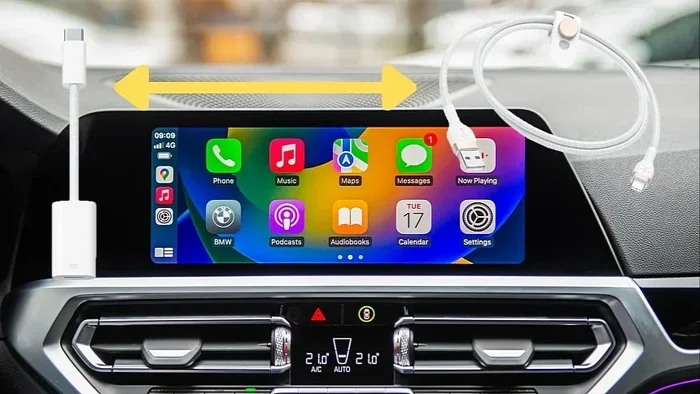
Adjusting the Clock Through the Infotainment Screen
Many modern cars let you adjust the clock through the touchscreen display. Here is the general process:
- Go to the Settings menu on your infotainment screen.
- Look for “Clock,” “Time,” or “Date & Time.”
- Turn off any “Auto Update” or “Auto Time Zone” feature if you want to set the time manually.
- Adjust the hour and minute to the correct time.
- Select “AM” or “PM” if prompted.
- Save your settings and exit the menu.
The exact steps vary by car brand and model. Consult your owner’s manual for specific instructions.
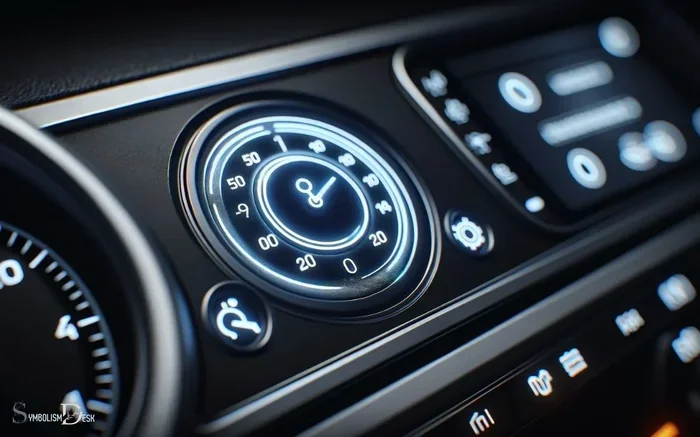
Adjusting the Clock Using Dashboard Buttons
Older vehicles without touchscreen displays often have physical buttons near the clock. These are usually located on the dashboard or steering wheel. Look for buttons labeled “Clock,” “Set,” “Up,” and “Down.” Press the “Set” button, use the arrow buttons to adjust the time, and press “Set” again to save.
Adjusting the Clock Through the Radio Unit
In some cars, the clock is part of the radio or stereo unit. You may need to press and hold a “Clock” button or navigate through radio settings to find the time adjustment options. This is common in older vehicles and some economy models.
Quick Tips for Manual Clock Adjustment
- Always adjust the clock while the car is parked and the engine is off.
- Keep your owner’s manual handy for model-specific instructions.
- Note the correct time on your phone before you start adjusting.
- Change the clock the night before the time shift so you are ready for the next day.
- If your clock resets every time you turn off the car, the internal clock battery may need replacement.
Common Problems With Car Clocks and Daylight Saving Time
Even with automatic clock features, problems can still happen. Here are the most common issues drivers face and how to fix them.
The Clock Does Not Change at All
If your car clock refuses to update during daylight saving time, the first thing to check is the settings. Make sure “Auto Time Zone” or “Auto Daylight Saving” is turned on. If it is already on and the clock still does not change, the GPS antenna might be faulty. In this case, a visit to the mechanic is a good idea.
The Clock Changes on the Wrong Date
Daylight saving time dates can vary by country and even by state. Some car clocks use outdated software that does not recognize the latest time change rules. This is more common in older vehicles. Updating the infotainment system software can often fix this problem. Check with your car dealer for available updates.
The Clock Resets After the Car Sits Idle
If your clock resets to a default time every time you start the car, the clock battery is likely dead or weak. This small battery, similar to a watch battery, keeps the clock running when the car is off. Replacing it is usually inexpensive and easy. You can find the battery type in your owner’s manual.
The Clock Shows the Wrong Time Zone
Some cars allow you to lock the time zone. If you recently traveled to a different state or country, the clock might still be set to the old time zone. Go into the clock settings and make sure the time zone is set correctly. If your car has automatic time zone detection, ensure it is turned on.
Expert Insights on Car Clock Maintenance
We spoke with automotive experts to get their take on car clock maintenance and daylight saving time. Here is what they had to say.
Regular Maintenance Matters: Just like you check your oil and tire pressure, it is a good habit to check your car clock twice a year around daylight saving time. A quick glance at your clock on the Sunday morning after the time change can save you from being late during the week.
Keep Software Updated: Modern cars are essentially computers on wheels. Infotainment systems receive software updates that fix bugs and improve performance. These updates often include improvements to the clock system. Keeping your software up to date ensures your car clock handles daylight saving time correctly.
Know Your Vehicle: Not all cars are created equal. A 2023 model will likely have a very different clock system than a 2005 model. Understanding what your specific vehicle can do helps you set the right expectations. Do not assume your older car has the same features as a newer one.
Battery Health Affects Clocks: Your car battery plays a bigger role in your clock than you might think. A weak or dying battery can cause the clock to reset or lose power during the time change. Keeping your car battery in good condition helps ensure your clock stays accurate year-round.
Key Takeaways
- Automatic Updates Exist: Many modern cars with GPS or infotainment systems adjust the clock automatically during daylight saving time.
- Older Vehicles Need Manual Help: Cars built before the mid-2000s often lack smart clock features and need a manual reset.
- Check Your Owner’s Manual: Your vehicle’s manual will tell you exactly how your car clock handles time changes.
- Common Culprits: Dead batteries, faulty settings, and disconnected GPS can prevent automatic clock updates.
- Quick Fixes Work: Most manual clock adjustments take less than five minutes and require no special tools.
- Know Your Time Zone: Some cars let you lock or unlock automatic time zone detection for more control.
Conclusion
So, will my car clock change automatically after daylight saving? The answer depends on your vehicle’s age, features, and settings. Newer cars with GPS and smart infotainment systems usually handle the time change on their own. Older vehicles and budget models often require a manual adjustment. Either way, knowing how your car clock works puts you in control.
Take a few minutes to check your clock settings and owner’s manual. A little preparation goes a long way toward staying on time all year round. Mark your calendar for the next daylight saving weekend, and make clock checking part of your routine. It is one of those small car care habits that pays off big time.
Remember, a working car clock is not just a convenience. It is a safety feature. Being on time means you are not rushing, not stressed, and fully focused on the road. Take care of your car clock, and it will take care of you.
FAQs
Do all new cars have automatic daylight saving time updates?
Most new cars do, but not all. Vehicles with GPS navigation or smart infotainment systems typically update the clock automatically. However, some budget models may still require manual adjustment. Always check the features list or owner’s manual to confirm.
How do I know if my car clock updates automatically?
Check your owner’s manual for information about the clock system. You can also look for settings like “Auto Time Zone” or “Daylight Saving Auto-Update” in your infotainment menu. Testing the clock after the next time change is the most reliable way to find out.
What should I do if my car clock does not change automatically?
First, check the clock settings to make sure automatic updates are enabled. If the setting is on but the clock still does not change, try a manual reset. If the problem persists, the GPS antenna or clock battery may need attention. A visit to your mechanic or car dealer can help diagnose the issue.
Can a weak car battery affect the clock’s ability to update?
Yes, a weak or dying battery can cause the clock to reset or lose power. The clock relies on a steady power supply to maintain its settings. If your clock keeps resetting, it might be a sign that your car battery needs to be tested or replaced.
Do cars from different countries handle daylight saving time differently?
Yes, cars sold in different countries may have different clock settings. Some vehicles are programmed to follow the daylight saving rules of the country where they were sold. If you move to a new country or drive across borders, you may need to adjust the clock settings manually.
Is it hard to replace the clock battery in my car?
Not at all. Most clock batteries are small and easy to replace. You can usually find the battery type in your owner’s manual. Replacement batteries are inexpensive and available at most auto parts stores. If you are not comfortable doing it yourself, a mechanic can handle it quickly.