Why Isnt My Remote Start Working And How To Fix It
A remote start system lets you warm up or cool down your car before you get in, but when it stops working, it can be frustrating. Common causes include a dead key fob battery, a faulty hood latch sensor, or a blown fuse in the remote start system. This guide walks you through every major reason why your remote start is not working and gives you clear, step-by-step fixes you can do at home or with a mechanic.
There is nothing worse than standing outside on a freezing morning, pressing the button on your key fob, and hearing nothing happen. Your remote start is supposed to make your life easier, not harder. When it suddenly stops working, it can throw your whole routine off.
The good news is that most problems with a remote start not working are simple to fix. You do not need to be a car expert. In this guide, we will walk you through every common reason your remote start system might be failing and show you exactly how to solve each one. Whether you have a factory remote start or an aftermarket unit, this article covers it all.
We will look at everything from a dead key fob battery to wiring issues that need a professional hand. By the end, you will know exactly what to check and how to get your car won’t start remotely problem solved. Let us dive in.
Key Takeaways
- Dead Key Fob Battery: The most common reason your remote start is not working is a weak or dead battery in the key fob.
- Hood Latch Sensor Issue: A faulty hood latch sensor is a safety feature that prevents remote start if it thinks the hood is open.
- Brake Pedal Position Sensor: The car needs to sense the brake is pressed, and a bad sensor can block remote start completely.
- Blown Fuse or Wiring Problem: A tripped fuse or damaged wiring in the remote start system can shut everything down.
- Cold Weather and Range Limits: Extreme cold reduces range and performance, making it seem like your remote start is not working.
- Factory vs Aftermarket Systems: Factory remote start systems and aftermarket units have different troubleshooting steps and common failure points.
📑 Table of Contents
- Why Isnt My Remote Start Working Common Causes
- How Remote Start Systems Work
- Weather and Remote Start Performance
- Troubleshooting Steps When Remote Start Is Not Working
- When to Call a Professional Mechanic
- Preventing Remote Start Problems
- Comparison Table: Factory vs Aftermarket Remote Start
- Quick Tips for Remote Start Troubleshooting
- Common Mistakes People Make When Troubleshooting Remote Start
- Expert Insights on Remote Start Reliability
- Key Takeaways
- Conclusion
Why Isnt My Remote Start Working Common Causes
Before you start pulling parts apart, it helps to understand what could be going wrong. A remote start not responding issue usually comes down to one of several common causes. Let us go through them one by one so you can narrow things down quickly.
Dead Key Fob Battery
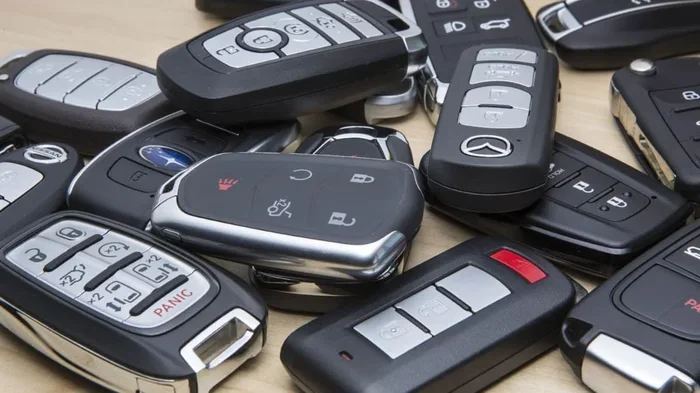
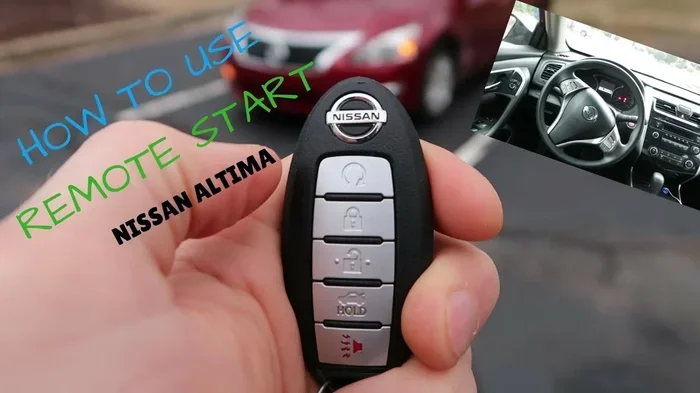
The number one reason your remote start is not working is a dead battery in the key fob. These little batteries do not last forever. If your remote start worked yesterday but not today, a weak fob battery is the first thing to check.
Most key fobs use a small CR2032 or CR2025 battery. Replacing it takes about two minutes and costs under five dollars. If you notice the range getting shorter before it stops working completely, that is a telltale sign the battery is dying.
Hood Latch Sensor Problem
Modern cars have a hood latch sensor as a safety feature. The remote start system will not engage if it thinks the hood is open. Sometimes this sensor gets stuck or dirty, and it sends a false signal to the car’s computer.
Even if the hood is fully closed and latched, a bad sensor can still block remote start. This is one of those annoying issues where everything looks fine but the system simply refuses to work.
Brake Pedal Position Sensor
For safety reasons, most cars require the brake pedal to be pressed before the engine can start. If your brake pedal position sensor is faulty, the car may not recognize that you have pressed the brake. This blocks the remote start from firing up the engine.
This sensor is usually located near the top of the brake pedal arm. Over time, it can wear out or get misaligned. A quick check with a multimeter can tell you if it is working properly.
How Remote Start Systems Work
Understanding how your remote start system works makes troubleshooting much easier. There are two main types of systems, and each has its own quirks.
Factory Remote Start
Many newer cars come with factory remote start built right into the key fob. These systems are designed by the car manufacturer and integrate directly with the vehicle’s computer. They tend to be very reliable, but when they do fail, diagnosing the problem can be tricky because everything is tied into the car’s main network.
Factory systems often require specific procedures for reprogramming. Check your owner’s manual for the exact steps. Sometimes a simple reset fixes the issue without any parts replacement.
Aftermarket Remote Start
An aftermarket remote start is a unit installed by a third party after you buy the car. Popular brands include Compustar, Viper, DroneMobile, and Avital. These systems add features like smartphone control and longer range.
Aftermarket units are more prone to wiring issues because they are not factory integrated. If you recently had one installed, loose connections or a poorly programmed bypass module could be the culprit behind your remote start not working problem.
Weather and Remote Start Performance
Weather plays a bigger role in remote start performance than most people realize. If your system works fine in summer but struggles in winter, you are not alone.
Cold Weather Challenges
Extreme cold affects everything about your car’s electrical system. The key fob battery drains faster in freezing temperatures. The car’s computer takes longer to recognize signals. And the engine itself needs more energy to turn over in cold conditions.
Here are some tips to keep your remote start working in cold weather:
- Keep your key fob close to your body to preserve battery warmth.
- Replace the fob battery before winter each year.
- Park in a garage when possible to reduce cold exposure.
- Check the remote start range in cold weather, as it may be shorter than normal.
Range Limitations
Every remote start system has a maximum range, usually between 500 and 3000 feet. If you are too far from your car, the signal simply will not reach. Buildings, hills, and even dense tree cover can block the signal.
If your remote start is not responding, try moving closer to the car and pressing the button again. If it works from ten feet away but not from across the parking lot, range is likely the issue, not a broken system.
Troubleshooting Steps When Remote Start Is Not Working
Now that you know the common causes, let us walk through the actual troubleshooting steps. Follow these in order to save time and avoid unnecessary repairs.
Step One: Check the Key Fob Battery
Start with the easiest fix. Open your key fob and check the battery. If it looks corroded or if the remote start has been working intermittently, replace the battery. This single fix solves the problem more than half the time.
After replacing the battery, try the remote start again from close range. If it works, you are done. If not, move on to the next step.
Step Two: Check the Hood Position
Open the hood, make sure it is fully latched, and close it firmly. Sometimes the latch does not click all the way in, and the sensor thinks the hood is still open. This simple check can reset the hood latch sensor and restore your remote start function.
While you are at it, inspect the hood latch sensor connector for any visible damage or corrosion. A loose connector can cause intermittent failures that are hard to diagnose.
Step Three: Check the Brake Pedal
Press the brake pedal firmly and hold it while trying the remote start. If the brake pedal position sensor is bad, the car will not recognize the input. You can check this sensor with a basic multimeter to see if it is sending the right signal to the car’s computer.
Some cars have a dashboard warning light that comes on when the brake sensor is malfunctioning. Check your instrument panel before doing any electrical testing.
Step Four: Check Fuses and Relays
A blown fuse in the remote start system can completely shut it down. Locate your fuse box and check the fuse labeled for the remote start or the ignition system. Refer to your owner’s manual for the exact fuse location.
If the fuse looks fine, check the relay. A bad relay can prevent power from reaching the remote start module. Swapping the relay with a similar one is a quick way to test if it is the problem.
Step Five: Reprogram the Key Fob
Sometimes the key fob loses its programming and needs to be reset. The reprogramming process varies by car brand and model. In most cases, you will need to cycle the ignition on and off a specific number of times within a set time window.
Check your owner’s manual for the exact reprogramming steps. If you do not have the manual, a quick search online for your specific car model and year will give you the procedure.
When to Call a Professional Mechanic
Not every remote start problem can be fixed at home. Some issues require professional tools and expertise. Here are the signs that it is time to call a mechanic.
Wiring and Electrical Issues
If you have checked the fuses, the battery, and the sensors, and your remote start system still does not work, there may be a wiring problem. Wiring issues can be hidden inside the dashboard or under the hood where they are hard to access.
A professional mechanic can use diagnostic tools to trace electrical faults quickly. Trying to fix complex wiring problems without the right tools can cause more damage than good.
Bypass Module Failure
If your car has an aftermarket remote start, it likely uses a bypass module. This small device tells the car’s computer that the key is present, allowing the engine to start without the physical key inserted.
A failed bypass module is a common reason for remote start not working in vehicles with aftermarket systems. Replacing a bypass module requires some electrical knowledge, so this is a job best left to a qualified installer.
Computer or Module Failure
In rare cases, the car’s main computer or the remote start control module itself can fail. This usually happens after electrical surges, water damage, or age-related wear. A mechanic can run a full diagnostic scan to check for error codes related to the remote start feature.
If the diagnostic scan shows error codes for the body control module or the ignition control module, you may need to replace one of these components. The cost varies, but most repairs fall between $150 and $400 depending on the car.
Preventing Remote Start Problems
The best way to deal with a remote start not working issue is to prevent it from happening in the first place. A little regular maintenance goes a long way toward keeping your system reliable.
Replace your key fob battery once a year, even if it still seems to work. This simple habit prevents surprises when you need the remote start the most. Keep the key fob clean and dry, and avoid dropping it, as internal damage can affect the signal.
Have your mechanic check the remote start system during regular oil changes or annual inspections. They can spot loose connections, corroded sensors, and worn fuses before they become serious problems. A little prevention saves you from a cold morning with a car that will not start.
Comparison Table: Factory vs Aftermarket Remote Start
| Feature | Factory Remote Start | Aftermarket Remote Start |
|---|---|---|
| Integration | Built into the car by the manufacturer | Installed after purchase by a third party |
| Reliability | Generally very high | Good, but depends on installation quality |
| Common Issues | Software glitches, sensor faults | Wiring problems, bypass module failure |
| Range | Usually 500 to 1000 feet | Can reach 3000 feet or more |
| Smartphone Control | Sometimes available | Often included with premium units |
| Cost to Fix | Varies, often covered by warranty | Typically $100 to $400 for repairs |
| DIY Troubleshooting | Limited to fob battery and reprogramming | More options, including fuse and wiring checks |
Quick Tips for Remote Start Troubleshooting
Here are some quick tips to keep in mind when your remote start is not working:
- Always try the key fob from close range first. If it works nearby, the issue is likely signal strength, not a broken system.
- Replace the key fob battery with a fresh one from a reputable brand. Cheap off-brand batteries can cause intermittent problems.
- Make sure the car is in park before trying remote start. Most systems will not work if the transmission is in gear.
- Check if the security light on the dashboard is flashing. A flashing security light often indicates an anti-theft system is blocking the remote start.
- Keep your owner’s manual handy. It has specific troubleshooting steps for your exact car model.
Common Mistakes People Make When Troubleshooting Remote Start
Avoid these common mistakes that can waste your time and make the problem worse:
- Assuming the whole system is broken. Often, a simple battery replacement or sensor reset fixes the issue completely.
- Ignoring error codes. If your dashboard shows a warning light, do not ignore it. It is your car telling you something specific is wrong.
- Tinkering with wiring without knowledge. Cutting or disconnecting wires without understanding the system can cause electrical damage that costs much more to fix.
- Not checking the parking brake. Some remote start systems require the parking brake to be engaged before they will work.
- Forgetting to close the hood fully. It sounds obvious, but a slightly ajar hood will block remote start every time.
Expert Insights on Remote Start Reliability
Experienced auto electricians agree that most remote start problems come down to three things: the key fob battery, a sensor issue, or a wiring connection. The good news is that all three are fixable with basic tools and a little patience.
If you have an older car with an aftermarket remote start, the wiring connections can loosen over time due to vibration and temperature changes. A quick inspection of all connections at the remote start module can prevent many problems before they start.
For newer cars with factory remote start, software updates from the dealer can sometimes resolve intermittent issues. If your car is still under warranty, always check with the dealer before attempting any repairs yourself. You do not want to void your warranty over a simple fix.
Key Takeaways
- Dead Key Fob Battery: The most common reason your remote start is not working is a weak or dead battery in the key fob.
- Hood Latch Sensor Issue: A faulty hood latch sensor is a safety feature that prevents remote start if it thinks the hood is open.
- Brake Pedal Position Sensor: The car needs to sense the brake is pressed, and a bad sensor can block remote start completely.
- Blown Fuse or Wiring Problem: A tripped fuse or damaged wiring in the remote start system can shut everything down.
- Cold Weather and Range Limits: Extreme cold reduces range and performance, making it seem like your remote start is not working.
- Factory vs Aftermarket Systems: Factory remote start systems and aftermarket units have different troubleshooting steps and common failure points.
Conclusion
A remote start not working can be a real headache, especially on a cold morning when you are already running late. But as we have covered in this guide, the causes are usually simple and the fixes are within reach. Whether it is a dead key fob battery, a stuck hood latch sensor, a blown fuse, or a wiring issue, you now have the knowledge to tackle most problems on your own.
Start with the basics and work your way up. Check the fob battery first, then the sensors, then the fuses. If the problem persists, do not hesitate to call a professional mechanic. A qualified technician can diagnose deeper electrical issues and get your remote start system back up and running.
Regular maintenance goes a long way toward preventing future problems. Replace the fob battery annually, keep connections clean, and have a pro check the system during routine service visits. With the right care, your remote start feature will keep your car comfortable and ready to go whenever you need it.
Now that you know how to fix a remote start not working issue, you can handle it with confidence the next time it happens. Your car, your comfort, and your time are worth the effort it takes to keep everything running smoothly.
Frequently Asked Questions
Why does my remote start work sometimes but not other times?
Intermittent remote start problems are often caused by a weak key fob battery or a loose wiring connection. The signal may work when conditions are favorable but fail when the battery is low or the connection is partially disrupted. Replacing the fob battery and checking all connections usually resolves this issue.
Can cold weather really stop my remote start from working?
Yes, extreme cold can significantly reduce the range and performance of your remote start system. Cold temperatures drain the key fob battery faster and can affect the car’s electrical system. Keeping your fob warm and replacing the battery before winter helps prevent cold-weather failures.
How much does it cost to fix a remote start system?
The cost depends on the cause. A key fob battery replacement costs under five dollars. A hood latch sensor or brake pedal position sensor repair typically runs between $50 and $150. More complex wiring or module issues can cost $150 to $400, depending on the car and the labor involved.
Is it safe to drive a car with a remote start that is not working?
Yes, a broken remote start system does not affect the car’s ability to start normally with the key or push-button ignition. The remote start is a convenience feature, not a safety feature. However, if the issue is related to a brake sensor or hood latch sensor, those components also serve safety functions that should be addressed promptly.
How do I know if my aftermarket remote start needs a new bypass module?
Signs of a failing bypass module include the remote start not engaging at all, the engine starting but stalling immediately, or a flashing security light on the dashboard. A mechanic can run a diagnostic scan to confirm whether the bypass module is the problem and replace it if necessary.
Can I install a remote start system myself?
While it is possible to install an aftermarket remote start yourself if you have electrical experience, professional installation is recommended. Improper wiring can damage the car’s electrical system or void the warranty. A professional installer ensures everything is connected correctly and safely.