Why Did My Pre-Collision System Turn Off All of a Sudden
Your pre-collision system may have shut off due to a dirty sensor, a cracked windshield, a low battery, or a software glitch. This system is a vital safety feature that helps prevent crashes, so it is alarming when it deactivates without warning. In this guide, we break down every possible reason your pre-collision system turned off and give you clear, step-by-step fixes to get it back running.
You are driving down the road, and suddenly a warning light pops up on your dashboard. Your pre-collision system is off. You did not press any button. Nothing seemed wrong a second ago. So why did it just shut down?
This is a scary moment for any driver. Your pre-collision system is one of the most important safety features in your car. It helps you avoid front-end crashes by detecting obstacles and applying the brakes if needed. When it goes offline, you lose that extra layer of protection.
There are many reasons this can happen. Sometimes it is a simple fix, like a dirty sensor. Other times, it points to a deeper electrical or software problem. Either way, understanding the cause helps you act fast and stay safe.
In this article, we will walk through every common reason your pre-collision system turned off all of a sudden. We will also share practical fixes, quick tips, and expert advice so you can get your car’s safety features back up and running. Whether you drive a Toyota, Honda, or any other brand, this guide covers what you need to know.
Key Takeaways
- Sensor Dirt or Obstruction: A dirty radar or camera lens is the most common reason your pre-collision system turns off unexpectedly.
- Windshield Issues: Cracks, chips, or aftermarket windshield replacements can disrupt the cameras and sensors built into the glass.
- Low Battery or Electrical Problems: A weak car battery or faulty wiring can cut power to your safety systems.
- Software Glitches: Outdated software or a minor system error can disable the pre-collision feature temporarily.
- Aftermarket Modifications: Accessories like roof racks or upgraded windshields can interfere with sensor calibration.
- Reset Is Usually Simple: Most causes can be fixed with a quick sensor cleaning, battery check, or system reboot.
- Professional Help May Be Needed: Persistent issues often require a dealer diagnostic scan or sensor recalibration.
📑 Table of Contents
- What Is a Pre-Collision System and Why Does It Matter?
- Common Reasons Why Your Pre-Collision System Turned Off
- How to Tell If Your Pre-Collision System Is Off
- How to Fix Your Pre-Collision System
- Prevention Tips to Keep Your Pre-Collision System Working
- Pre-Collision System Issues by Car Brand
- Is It Safe to Drive Without a Pre-Collision System?
- How Much Does It Cost to Fix?
- Common Mistakes People Make When Their Pre-Collision System Goes Off
- Final Thoughts
What Is a Pre-Collision System and Why Does It Matter?
Before we dive into the reasons your system shut off, let us quickly cover what it does. A pre-collision system is an advanced safety feature found in modern vehicles. It uses sensors and cameras to monitor the road ahead.
When the system detects a potential crash, it can do several things:
- Give you an audible warning
- Tighten the seatbelts
- Apply the brakes automatically
- Pre-charge the brake system for faster stopping
Different car brands call this feature by different names. Toyota calls it the Toyota Pre-Collision System. Honda calls it Honda Sensing. Mercedes uses Pre-Safe. But they all serve the same purpose: helping you avoid or reduce the severity of a crash.
The system relies heavily on sensors. These sensors are usually located near the front bumper, inside the windshield, or near the rearview mirror. If anything blocks or damages these sensors, the system may shut down entirely.
Common Reasons Why Your Pre-Collision System Turned Off
Now let us get to the heart of the matter. Why does this safety feature suddenly stop working? Here are the most common causes.
1. Dirty or Obstructed Sensors
This is the number one reason cars lose their pre-collision function. The sensors and cameras on your vehicle need a clear view of the road. When they get covered in dirt, mud, snow, or ice, they cannot do their job.
Think of it like wearing muddy glasses. You cannot see clearly, so your brain stops processing visual information. The same thing happens with your car’s sensors.
Common situations that cause sensor dirt include:
- Driving through heavy rain or mud
- Snow or ice buildup on the front bumper
- Bug splatter on the windshield near the camera
- Aftermarket front license plate brackets blocking the sensor
Quick Tip: If you notice your pre-collision system has turned off after a long drive or a storm, try cleaning the front of your car thoroughly. Pay special attention to the area around the front bumper and the windshield near the rearview mirror.
2. Windshield Damage or Replacement
Many modern vehicles have cameras and sensors embedded in or mounted near the windshield. When the windshield gets chipped, cracked, or replaced, it can throw off the calibration of these sensors.
Even a small crack near the camera mount can confuse the system. The camera depends on a clear, undistorted view through the glass. Any distortion or misalignment can cause the system to shut down as a safety precaution.
If you recently had a windshield repair or replacement, this is very likely the cause. Some aftermarket windshields are not compatible with factory sensor systems, which can also trigger a shutdown.
Expert Insight: Always tell your windshield installer that your vehicle has a pre-collision system. They need to know where the sensors are located and may need to recalibrate the camera after installation.
3. Low Battery or Electrical Issues
Your car’s safety systems need a steady power supply. If your battery is weak or old, the pre-collision system may lose power and shut off. This is especially common in older vehicles or cars that sit unused for long periods.
Electrical issues can also play a role. Corroded battery terminals, a failing alternator, or damaged wiring harnesses can all interrupt the power flow to your safety features.
Signs that your battery or electrical system might be the culprit include:
- Other electrical accessories acting strangely
- Dashboard lights flickering or dimming
- The car cranks slowly when starting
- Battery warning light on the dashboard
A simple battery test at any auto parts store can tell you if your battery is holding a proper charge. Most batteries last three to five years, so if yours is older, replacement might be the answer.
4. Software Glitches or System Errors
Modern cars are essentially computers on wheels. Like any computer, they can experience software bugs or glitches. Sometimes a minor error in the system causes the pre-collision feature to disable itself temporarily.
This is more common than most people think. A software update gone wrong, a minor system conflict, or even a brief power interruption can trigger the shutdown.
The good news is that a simple system reboot often fixes this. Here is what you can try:
- Turn off the engine and remove the key from the ignition.
- Wait at least 60 seconds.
- Reconnect the battery if needed (for some models).
- Restart the engine and check if the system is back.
If the system comes back on after a reboot, a temporary software glitch was likely the cause. However, if the problem keeps coming back, you may need a software update from your dealer.
5. Aftermarket Accessories or Modifications
Have you recently added a new accessory to your car? Roof racks, aftermarket grilles, bumper guards, or even upgraded windshields can interfere with the pre-collision sensors.
These accessories can physically block the sensors or change the way sensors read the environment. Even a slightly misinstalled accessory can cause the system to shut down.
If you added something new to your car right before the system went off, try removing it temporarily. If the system comes back, the accessory was the problem. You may need to find a different product that is compatible with your vehicle’s safety systems.
6. Faulty Radar or Camera Module
In some cases, the sensor hardware itself fails. The radar module or camera can malfunction due to age, moisture damage, or a manufacturing defect.
This is less common than the other causes, but it does happen. A failed radar sensor will usually trigger a specific warning code that a mechanic can read with a diagnostic tool.
Signs of a failing sensor module include:
- The warning light stays on even after cleaning
- The system turns off intermittently
- Other drivers report similar issues with the same model
If you suspect a hardware failure, it is best to visit a certified mechanic or dealership. They can run a diagnostic scan and determine if the sensor needs replacement.
7. ABS or Traction Control Problems
Your pre-collision system works closely with other safety features like ABS (Anti-lock Braking System) and traction control. If one of these related systems has a problem, it can cause the pre-collision system to shut off as well.
This is because the systems share sensors and control modules. A fault in the ABS wheel speed sensor, for example, can ripple over and affect the pre-collision system.
Quick Tip: If your pre-collision system is off and you also see an ABS or traction control warning light, the root cause is likely a shared sensor or module. Have all related systems checked together.
How to Tell If Your Pre-Collision System Is Off
It is not always obvious that your pre-collision system has shut down. Here are the most common signs to watch for:
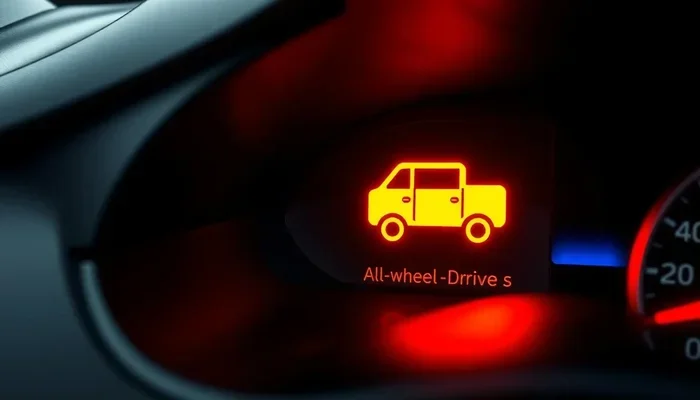
- Warning Light on the Dashboard: Most vehicles display a specific icon when the pre-collision system is deactivated. It often looks like a car with lines in front of it or a triangle with an exclamation mark.
- No Automatic Braking: If you notice the car no longer applies the brakes automatically in emergency situations, the system may be off.
- No Forward Collision Warning: If you do not hear any audible alerts when approaching vehicles too quickly, the system might be disabled.
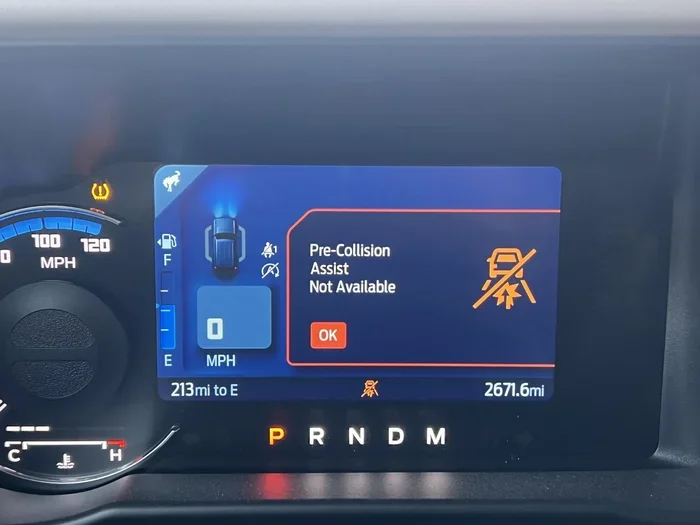
- Message on the Display Screen: Some cars show a text message like “Pre-Collision System Malfunction” or “Pre-Collision System Unavailable.”
If you notice any of these signs, do not ignore them. The pre-collision system is a critical safety feature, and driving without it means you lose an important layer of crash protection.
How to Fix Your Pre-Collision System
Now that you know the common causes, let us talk about solutions. Here is a step-by-step approach to getting your system back online.
Step 1: Check for Visible Obstructions
Start with the simplest fix. Walk around your car and look at the front bumper, the area near the rearview mirror, and the windshield. Remove any dirt, snow, or debris that might be blocking the sensors.
Use a soft cloth and clean water. Avoid harsh chemicals that could damage the sensor lenses. Be gentle around the camera area near the windshield.
Step 2: Inspect the Windshield
Look closely at the windshield for cracks, chips, or damage near the sensor area. Even a tiny chip can interfere with the camera’s ability to read the road.
If you have had a recent windshield replacement, make sure it was done by a shop that understands the needs of modern sensor systems.
Step 3: Reboot the System
Turn off the engine, remove the key, and wait at least one minute. This gives the car’s computer time to reset. Restart the engine and see if the warning light goes away.
This simple step resolves the issue more often than you might think. It works just like restarting your phone when it acts up.
Step 4: Check the Battery
Have someone test your battery voltage. A healthy battery should read around 12.6 volts when the engine is off. If it is below 12 volts, the battery may not be providing enough power to the safety systems.
Also check the battery terminals for corrosion. Clean terminals with a wire brush and baking soda solution if you see any buildup.
Step 5: Visit a Professional
If none of the above steps work, it is time to see a professional. A certified mechanic or dealership technician can run a diagnostic scan to read error codes from your car’s computer.
They can check the radar module, camera alignment, and related systems like ABS and traction control. In many cases, a simple recalibration or software update is all that is needed.
Prevention Tips to Keep Your Pre-Collision System Working
The best way to deal with this problem is to prevent it from happening in the first place. Here are some easy habits that keep your pre-collision system in good shape:
- Keep the front of your car clean: Regularly wash the front bumper and windshield area where sensors are located.
- Fix windshield chips promptly: Small chips can grow into cracks that interfere with sensors.
- Avoid aftermarket parts near sensors: Be careful with accessories that mount to the front of your car.
- Keep software updated: Ask your dealer about any available system updates for your vehicle.
- Check your battery regularly: Replace your battery every three to five years to avoid power issues.
- Do not ignore warning lights: Address dashboard warnings as soon as they appear.
Pre-Collision System Issues by Car Brand
Different car brands have different names for their pre-collision systems, but the common causes and fixes are very similar. Here is a quick comparison.
| Brand | System Name | Most Common Cause of Shutdown | Typical Fix |
|---|---|---|---|
| Toyota | Toyota Pre-Collision System | Dirty sensor or windshield obstruction | Clean sensors; reboot system |
| Honda | Honda Sensing | Camera misalignment after windshield work | Camera recalibration |
| Ford | Pre-Collision Assist | Low battery voltage | Battery replacement or recharge |
| Nissan | Intelligent Forward Collision Warning | Software glitch | System reboot or software update |
| Chevrolet | Forward Collision Alert | Sensor obstruction from dirt or ice | Clean front sensors |
As you can see, the most common reasons are strikingly similar across brands. Dirt, electrical issues, and software problems top the list for nearly every manufacturer.
Is It Safe to Drive Without a Pre-Collision System?
Technically, yes. Your car will still drive, steer, and brake normally. But you lose the extra safety net that the pre-collision system provides.
This system is designed to react faster than a human can. In many crash scenarios, it can apply the brakes a fraction of a second before you even realize there is danger. That split-second advantage can mean the difference between a avoided crash and a serious collision.
Driving without your pre-collision system is not illegal, but it does mean you are relying entirely on your own reaction time. If the system is off, stay extra alert and keep a safe following distance.
Expert Insight: Many drivers do not realize how much they depend on their pre-collision system until it is gone. If you frequently drive in heavy traffic or on highways, getting the system fixed quickly should be a priority.
How Much Does It Cost to Fix?
The cost varies widely depending on the cause. Here is a rough breakdown:
- Sensor Cleaning: Free if you do it yourself. $50 to $100 at a shop.
- Windshield Recalibration: $200 to $400, depending on the vehicle.
- Battery Replacement: $100 to $250 for the battery, plus labor.
- Software Update: Often free at the dealership.
- Sensor Replacement: $300 to $1,500 depending on the sensor type and vehicle model.
Most of these fixes are affordable, especially if you catch the problem early. The worst case scenario is a sensor replacement, which can be expensive but is still worth the investment for your safety.
Common Mistakes People Make When Their Pre-Collision System Goes Off
When drivers see that warning light, they often make mistakes that make the problem worse. Here are the most common ones:
- Ignoring the Warning: Some people just clear the light and keep driving. This is dangerous because the underlying problem is still there.
- Trying to Reset the System by Disconnecting the Battery Improperly: This can cause more issues with the car’s computer system if not done correctly.
- Using the Wrong Cleaning Products: Harsh chemicals can damage the delicate sensor lenses. Always use gentle, automotive-safe cleaners.
- Assuming It Will Fix Itself: While some software glitches do resolve on their own, most causes require some action on your part.
- Delaying Professional Help: If the simple fixes do not work, waiting too long can lead to more serious damage or safety risks.
Avoid these mistakes and you will be in much better shape when dealing with a pre-collision system shutdown.
Final Thoughts
Discovering that your pre-collision system turned off all of a sudden can be stressful. But in most cases, the cause is something simple and easy to fix. A dirty sensor, a minor electrical issue, or a software glitch accounts for the vast majority of these problems.
The key is to act quickly. Do not ignore the warning light or assume the system will come back on its own. Follow the steps in this guide, start with the simple fixes, and seek professional help if needed.
Your pre-collision system is there to protect you and your passengers. Taking care of it means taking care of yourself on the road. Keep those sensors clean, maintain your battery, and stay on top of software updates. Your car will reward you with safer, more confident driving for years to come.
Remember, a working pre-collision system is one of the best investments in your safety. When it is on and functioning properly, you can drive with peace of mind knowing your vehicle has your back.
Frequently Asked Questions
Can a dirty front bumper cause my pre-collision system to turn off?
Yes, absolutely. Dirt, mud, or debris covering the sensors near the front bumper can block the system from detecting obstacles. This is the most common reason the pre-collision system shuts down unexpectedly. A thorough cleaning of the front bumper area usually fixes the problem right away.
How do I know if my pre-collision system needs recalibration?
If the system keeps turning off after a windshield replacement or after you notice the warning light returning frequently, recalibration may be needed. A professional technician can run a diagnostic scan to check sensor alignment and determine if recalibration is required.
Will my insurance cover the cost of fixing a pre-collision system?
It depends on your policy and the cause of the problem. If the system failed due to a defect or after a covered accident, insurance may help. Routine maintenance like sensor cleaning or battery replacement is usually not covered. Check with your insurance provider for specific details.
Can I drive my car if the pre-collision system is off?
You can drive, but you lose an important safety feature. The system helps detect potential crashes and apply brakes automatically. Without it, you must rely entirely on your own reaction time. It is best to get the system fixed as soon as possible.
Does cold weather affect the pre-collision system?
Yes, cold weather can temporarily affect the system. Ice or snow covering the sensors can cause the system to shut off. Once the sensors are cleared of ice and snow, the system usually turns back on automatically.
How often should I have my pre-collision system checked?
There is no set schedule, but it is a good idea to have the system inspected during regular maintenance visits. If you notice any warning lights or changes in system behavior, have it checked immediately. Keeping up with routine car maintenance helps prevent unexpected shutdowns.
=== CONCLUSION ===
Your pre-collision system turning off all of a sudden is a frustrating and sometimes scary experience. But as we have covered in this guide, the causes are usually straightforward and fixable. Whether it is a dirty sensor, a windshield issue, a low battery, or a simple software glitch, there is almost always a clear path to getting your safety system back online.
The most important thing you can do is pay attention to the warning signs. Do not ignore dashboard lights or system warnings. Take action quickly, start with the simple fixes, and do not hesitate to seek professional help when needed.
Your car’s pre-collision system is designed to protect you in your most vulnerable moments on the road. Keeping it in good working order is one of the best things you can do for your safety and the safety of everyone around you. Stay proactive, stay informed, and keep driving with confidence.