Why Cant I Open My Trunk Top Reasons And Easy Fixes
Having trouble with your trunk? This guide covers every reason your trunk might not open, from simple latch issues to electrical failures, and gives you easy fixes you can try at home. Whether you drive a sedan or an SUV, understanding your trunk system saves time, money, and frustration. You’ll learn how to diagnose the problem quickly and apply the right fix without calling a mechanic.
There are few things more frustrating than standing in front of your car, pulling on the trunk handle, and hearing nothing. Your trunk is one of the most used parts of your vehicle. You load groceries, luggage, sports gear, and everything else into it. When it suddenly refuses to open, it throws your whole day off balance.
The good news is that most trunk problems have simple causes and even simpler fixes. Whether your trunk is stuck closed, stuck open, or just unresponsive to the button, this guide walks you through every possible reason and solution. You do not need to be a mechanic to handle most of these issues. A little knowledge and the right tools can get your trunk working again in minutes.
We will cover everything from electrical problems to mechanical failures. You will learn how to diagnose the issue yourself and apply practical fixes. By the end of this article, you will know exactly what to do when your trunk decides to misbehave. Let us dive in and solve this problem together.
Key Takeaways
- Trunk latch problems are the most common reason a trunk won’t open: dirt, rust, or misalignment can all prevent the latch from releasing properly.
- Electrical failures like a blown fuse or dead solenoid can lock your trunk: checking these components is a quick and free diagnostic step.
- Mechanical wear on the trunk cable or handle can cause release failure: regular inspection keeps these parts working smoothly.
- Most trunk problems have simple DIY fixes: lubrication, fuse replacement, and realignment are tasks anyone can do.
- Knowing when to call a professional prevents costly damage: complex electrical or hydraulic issues need expert attention.
- Preventive maintenance keeps your trunk working for years: simple habits like regular cleaning and lubrication go a long way.
📑 Table of Contents
- Common Reasons Your Trunk Won’t Open
- Electrical Issues That Lock Your Trunk
- Mechanical Problems With Your Trunk
- How To Fix a Stuck Trunk
- Preventing Trunk Problems in the Future
- When To Call a Professional Mechanic
- Understanding Your Trunk System
- Quick Tips for Trunk Emergencies
- Key Takeaways
- Conclusion
Common Reasons Your Trunk Won’t Open
A trunk that won’t open usually points to one of several common culprits. Understanding these reasons is the first step toward a fix. Let us break down the most frequent causes people face every day.
Trunk Latch Problems
The trunk latch is the mechanical part that connects your trunk to the car body. Over time, dirt, grime, and road debris build up inside the latch mechanism. This buildup can prevent the latch from releasing when you press the button or pull the handle. Rust is another major enemy here, especially if you live in a wet or snowy climate.
A misaligned latch is also a common issue. If your car has been in a minor accident or if the bumper shifted, the latch and the striker plate may no longer line up. When this happens, the trunk may feel locked even though it is not. You might hear a clicking sound but see no movement.
Quick tip: Try spraying a lubricant like WD-40 directly into the latch mechanism. Work the handle a few times. This simple step solves the problem more often than you might think.
Broken Trunk Release Handle
The trunk release handle is the lever or button you physically touch to open the trunk. On sedans, this is usually inside the car near the driver’s seat or on the trunk lid itself. On SUVs, you might find it on the dashboard or the door panel.
These handles can break from regular wear and tear. The plastic components crack, the cable inside snaps, or the connection becomes loose. When this happens, pressing the handle does nothing. The trunk stays shut no matter how hard you pull.
In some cases, the handle just needs a new cable connection. In other cases, the entire handle assembly needs replacement. Both fixes are affordable and straightforward for most car owners.
Trunk Key or Remote Issues
Your trunk key and remote are the primary ways you access the trunk. When the key fob battery dies, the remote trunk release stops working. This is one of the most overlooked reasons a trunk won’t open. Many people do not realize the key fob battery has died until they need it.
The physical trunk key can also fail. The key blade wears down over time, or the lock cylinder inside the trunk gets stuck. If you have been using the same key for years, it might not turn smoothly anymore. Trying the mechanical key is always a good first step when the remote fails.
Quick tip: Keep a spare key fob battery in your glove box. Replacing it takes seconds and saves you from being stranded with a locked trunk.
Electrical Issues That Lock Your Trunk
Modern cars rely heavily on electricity for trunk operation. When the electrical system has a problem, your trunk can refuse to open even if everything else looks fine. Let us explore the electrical culprits in detail.
Blown Trunk Fuse
A blown fuse is one of the simplest reasons your trunk will not open. Every car has a fuse box, and the trunk release circuit has its own fuse. If too much current flows through the circuit, the fuse blows and cuts power to the trunk motor.
Finding the trunk fuse is easy. Check your car owner’s manual for the fuse box diagram. The manual will tell you which fuse controls the trunk release. Pull out the fuse, inspect it, and replace it if the metal strip inside is broken. This fix costs almost nothing and takes under five minutes.
Quick tip: Always keep a small fuse kit in your car. It includes several fuse sizes and can save you from many electrical headaches on the road.
Faulty Trunk Solenoid
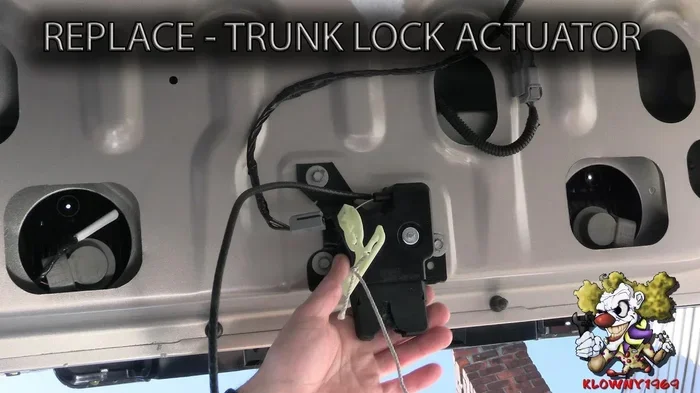
The trunk solenoid is an electromagnetic device that triggers the trunk latch to release. When you press the trunk button, the solenoid receives a signal and pulls the latch open. If the solenoid fails, the signal goes nowhere and the trunk stays locked.
Solenoids fail for several reasons. Corrosion on the contacts is common, especially in humid climates. The coil inside can also burn out after years of use. You can test the solenoid by listening for a clicking sound when you press the trunk release. No click usually means a bad solenoid.
Replacing a trunk solenoid is relatively inexpensive. The part itself costs between $15 and $40. You can find it at any auto parts store. The installation involves removing a few screws and disconnecting the wiring harness.
Trunk Motor Failure
The trunk motor is the electric component that physically pushes or pulls the trunk open. On power trunks, this motor does the heavy lifting. When the motor burns out, you might hear a faint humming sound but see no movement.
Motor failure usually happens after years of heavy use. If you frequently overload your trunk or use the power trunk release many times a day, the motor wears out faster. Dirt and moisture inside the motor housing also accelerate failure.
Replacing a trunk motor requires more mechanical skill than replacing a fuse or solenoid. However, it is still a manageable DIY project if you are comfortable with basic car repairs. Many online tutorials walk you through the process step by step for specific car models.
Mechanical Problems With Your Trunk
Not every trunk problem is electrical. Mechanical issues can be just as frustrating and often require different solutions. Let us look at the mechanical side of trunk malfunctions.
Trunk Cable Damage
The trunk cable connects the release handle to the latch mechanism. When you pull the handle, the cable pulls the latch open. Over time, this cable can stretch, fray, or snap entirely. A damaged cable means the handle moves but does not engage the latch.
Cable damage is common in older vehicles. The rubber protective sleeve around the cable deteriorates, exposing the metal wire inside. Moisture gets in and causes rust. The cable then becomes stiff or breaks.
Replacing a trunk cable is not expensive. The cable itself costs between $10 and $30. The job involves removing the interior trim panel, disconnecting the old cable, and routing the new one into place. It takes about 30 minutes for most car models.
Trunk Seal and Weather Stripping Problems
The rubber seal around the trunk lid keeps water and air out of your cargo area. When this seal deteriorates, water can leak into the trunk space. Moisture then reaches the latch mechanism and causes rust. A rusty latch is a stuck trunk waiting to happen.
Check your trunk seal regularly. If it looks cracked, brittle, or compressed, it is time for a replacement. New weather stripping is inexpensive and easy to install. Simply peel off the old seal and press the new one into place along the trunk lid edge.
Quick tip: Apply a silicone-based protectant to the trunk seal every few months. This keeps the rubber flexible and prevents premature cracking.
Trunk Hydraulic Lift Support Failure
Many cars use hydraulic lift supports to hold the trunk lid open. When these supports fail, the trunk lid may not stay open or may slam shut unexpectedly. A trunk that slams shut can damage the latch mechanism over time.
Hydraulic supports lose pressure as they age. You might notice the trunk lid closing slowly or drooping when open. Replacing the supports is straightforward. Most cars use two supports, one on each side of the trunk lid. The replacement parts are widely available and affordable.
How To Fix a Stuck Trunk
Now that we have covered the reasons, let us talk about fixes. Here is a step-by-step approach to getting your trunk open and back in working order.
Step 1: Try the Manual Key Override
Before you do anything else, try the mechanical key. Every car with a power trunk also has a manual override. This is usually a small keyhole on the trunk lid or inside the car near the trunk release. Insert the key and turn it gently. This bypasses all electrical systems and directly releases the latch.
If the key works, the problem is electrical. If the key does not work either, the issue is mechanical. This simple test narrows down your diagnosis significantly.
Step 2: Check the Fuse Box
Locate your fuse box and find the trunk release fuse. Pull it out and inspect it visually. A blown fuse will have a broken metal strip inside. Replace it with a fuse of the same amperage. Test the trunk release again. This fix alone solves the problem for many car owners.
Step 3: Lubricate the Latch Mechanism
Spray a penetrating lubricant into the trunk latch. Work the release handle several times to distribute the lubricant. Let it sit for a few minutes and try again. This step addresses many common issues with the trunk latch mechanism and requires no tools at all.
Step 4: Inspect the Trunk Cable
If the handle feels loose or does not engage properly, the cable may need inspection. Remove the interior trim panel near the handle and check the cable connection. If the cable is frayed or disconnected, replace it. Reconnect everything securely and test the trunk release.
Step 5: Call a Professional
If none of these steps work, it is time to call a mechanic. Complex electrical issues, motor failures, or internal latch damage require professional tools and expertise. A qualified mechanic can diagnose the problem quickly and provide a reliable fix.
Preventing Trunk Problems in the Future
Prevention is always better than repair. A few simple habits can keep your trunk working smoothly for years to come.
Regular Cleaning and Maintenance
Keep the trunk area clean and dry. Remove any debris, leaves, or standing water regularly. Moisture is the enemy of metal components, and the trunk latch is no exception. Wipe down the latch mechanism every few months to prevent buildup.
Lubricate Moving Parts
Apply a light lubricant to the trunk latch, hinges, and release mechanism every six months. This prevents rust and keeps everything moving smoothly. Use a silicone-based spray or white lithium grease for best results.
Replace Worn Components Promptly
Do not wait for a part to fail completely before replacing it. If you notice the trunk handle feeling loose or the release being slow, inspect the components right away. Replacing a worn cable or handle early prevents more serious damage later.
Protect Your Trunk from Harsh Conditions
If you live in an area with heavy snow, salt, or humidity, take extra precautions. Wash your car regularly, especially the undercarriage and trunk area. Consider using a trunk liner to protect the interior from moisture and scratches.
When To Call a Professional Mechanic
While many trunk problems are DIY-friendly, some situations require professional help. Knowing when to call a mechanic saves you time and prevents further damage.
If your trunk is completely unresponsive to every method, including the manual key override, there may be an internal electrical fault. A mechanic can use diagnostic tools to pinpoint the exact issue. This is especially important for newer vehicles with complex computer-controlled trunk systems.
Hydraulic problems also warrant professional attention. If the trunk lid drops suddenly or will not stay open, the lift supports need replacement. While this is a simple job for a mechanic, attempting it without experience can lead to injury or damage.
Finally, if you have tried multiple fixes and the problem persists, do not keep forcing the trunk open. Forcing a stuck trunk can damage the latch, the hinges, or the trunk lid itself. A professional diagnosis will identify the root cause and provide a lasting solution.
Understanding Your Trunk System
Knowing how your trunk system works helps you diagnose problems faster and communicate better with mechanics. The trunk system is made up of several components working together.
The trunk release button sends an electrical signal to the solenoid. The solenoid activates the latch mechanism. The latch releases the trunk lid, and the lift supports hold it open. The trunk cable connects the interior handle to the latch for manual operation. When any one of these components fails, the entire system stops working.
Understanding this chain helps you narrow down the problem. If the button works but the trunk does not open, the issue is likely in the solenoid or latch. If the button does nothing, the problem could be a blown fuse, dead battery, or broken wiring. This logical approach saves time and frustration.
Different vehicle types also have different trunk configurations. A sedan trunk is usually smaller and accessed from inside the car. An SUV trunk or hatchback trunk is larger and often has a power liftgate. Each type has its own set of common issues, but the diagnostic principles remain the same.
Quick Tips for Trunk Emergencies
Sometimes you need to open the trunk right now. Here are some emergency tips that can help in a pinch.
- Use the physical key: Always carry your mechanical trunk key as a backup. The remote can fail without warning.
- Check the fuse first: A blown fuse is the easiest fix and the most common electrical cause of trunk problems.
- Try the trunk release lever inside the car: Most cars have a secondary release lever near the driver’s seat. Pull it to release the trunk from inside.
- Use a lubricant spray: WD-40 or similar products can free a stuck latch in seconds.
- Keep a flashlight in your car: If your trunk is stuck open at night, you need light to see what is going on.
- Stay calm and do not force it: Forcing a stuck trunk can cause expensive damage. Work through the diagnostic steps patiently.
Key Takeaways
- Trunk latch problems are the most common reason a trunk won’t open: dirt, rust, or misalignment can all prevent the latch from releasing properly.
- Electrical failures like a blown fuse or dead solenoid can lock your trunk: checking these components is a quick and free diagnostic step.
- Mechanical wear on the trunk cable or handle can cause release failure: regular inspection keeps these parts working smoothly.
- Most trunk problems have simple DIY fixes: lubrication, fuse replacement, and realignment are tasks anyone can do.
- Knowing when to call a professional prevents costly damage: complex electrical or hydraulic issues need expert attention.
- Preventive maintenance keeps your trunk working for years: simple habits like regular cleaning and lubrication go a long way.
Conclusion
A trunk that won’t open is a hassle, but it is rarely a serious problem. Most of the time, the fix is simple and affordable. Whether it is a blown fuse, a rusty latch, or a worn cable, you now have the knowledge to diagnose and fix the issue yourself.
Start with the simplest solutions first. Check the fuse. Try the manual key. Lubricate the latch. These steps solve the majority of trunk problems. If the issue is more complex, you now know exactly what to look for and when to call a professional.
Regular maintenance is your best defense against trunk problems. Keep the mechanism clean, lubricated, and well-maintained. Your trunk will serve you reliably for years to come. The next time your trunk gives you trouble, you will know exactly what to do. Stay calm, follow the steps, and get back on the road with confidence.
Frequently Asked Questions
Why won’t my trunk open even when I press the button?
The most common reason is a blown fuse or a faulty solenoid. Check the trunk fuse in your car’s fuse box first. If the fuse is fine, the solenoid may need replacement. These are inexpensive and easy to swap out.
Can I still open my trunk if the remote trunk release is dead?
Yes, every car has a manual override. Use your physical trunk key to open the trunk from the outside or look for a trunk release lever inside the car, usually near the driver’s seat.
How much does it cost to fix a trunk that won’t open?
DIY fixes like replacing a fuse or lubricating the latch cost almost nothing. Professional repairs for a solenoid or motor typically range from $50 to $150. The exact cost depends on your car model and the specific problem.
Is it safe to drive with a trunk that won’t close properly?
It is not recommended. A trunk that does not close securely can open while driving, creating a safety hazard. Have the issue fixed before driving long distances. If you must drive, secure any cargo in the passenger area.
What causes a trunk latch to get stuck?
Dirt, grime, and moisture are the biggest culprits. Over time, these elements build up inside the latch mechanism and cause rust or corrosion. Regular cleaning and lubrication prevent most latch problems.
How can I prevent my trunk from getting stuck in the future?
Keep the trunk area clean and dry. Lubricate the latch and hinges every six months. Replace worn cables and seals promptly. These simple habits go a long way toward preventing trunk issues.