Why Are My Auto High Beams On When They Should Be Off
Auto high beams staying on when they should be off is a frustrating and potentially dangerous issue. This problem usually stems from a faulty ambient light sensor, a malfunctioning headlight module, or a wiring error in your vehicle’s lighting system. In this guide, we walk you through the most common causes, simple DIY fixes, and expert tips to get your headlights working the way they should.
Have you ever been driving at night and noticed your headlights are blasting high beam brightness even though you didn’t switch them on? It is a confusing and sometimes scary moment. You look at your dashboard and wonder, why are my auto high beams on when the road ahead looks fine and there is no apparent reason for it?
This issue is more common than most drivers think. It happens across many vehicle makes and models. Sometimes it is a quick fix. Other times, it points to a deeper electrical problem that needs professional attention. Either way, understanding the root cause is the first step to solving it.
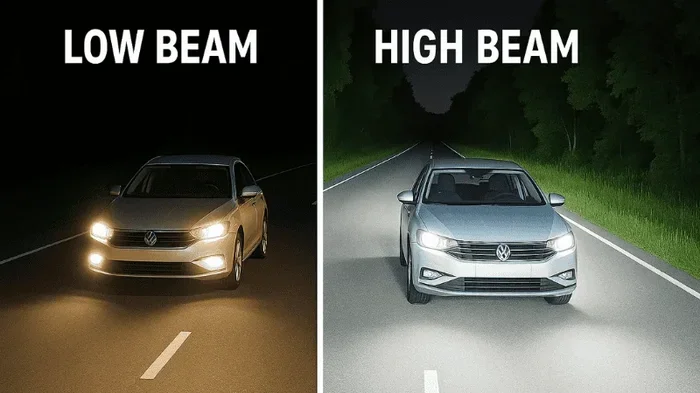
Auto high beam systems are designed to make nighttime driving safer and more convenient. They automatically switch between high and low beams based on surrounding light conditions and the presence of oncoming traffic. When this system malfunctions, it can cause glare for other drivers and reduce your own visibility. That is why it is so important to address the problem quickly.
In this article, we will break down every possible reason your auto high beams stay on when they should turn off. We will cover how the system works, the most common causes, step-by-step diagnosis, and practical fixes you can try at home. By the end, you will have a clear picture of what is going on and how to resolve it.
Let us dive in and get those headlights working the right way again.
Key Takeaways
- Sensor Issues: A dirty or broken ambient light sensor is the most common reason auto high beams stay on.
- Wiring Problems: Damaged wiring harnesses or corroded connectors can trick your system into keeping high beams active.
- Module Failure: The headlight control module or BCM may fail, causing incorrect beam behavior.
- Easy Fixes Exist: Many causes are simple to diagnose and repair at home with basic tools.
- Safety First: Driving with high beams on unnecessarily can blind other drivers and create serious road hazards.
- Professional Help: Some issues require a trained mechanic, especially when the body control module is involved.
- Prevention Matters: Regular maintenance of your vehicle’s lighting system can prevent most auto high beam problems.
📑 Table of Contents
How Auto High Beam Systems Work
Before we look at why things go wrong, it helps to understand how the system is supposed to work. Auto high beam technology uses a combination of sensors and electronic controls to manage your headlights automatically.
The Role of the Ambient Light Sensor
Most vehicles with auto high beams have an ambient light sensor mounted on the windshield, usually near the rearview mirror. This sensor constantly monitors the surrounding light conditions. When it gets dark enough, it triggers the system to turn on your headlights. It also decides whether low beam or high beam is appropriate.
The sensor works hand in hand with your vehicle’s automatic lighting system. Together, they adjust beam levels based on real-time conditions. If the sensor gets dirty or damaged, it cannot read light conditions accurately. This often leads to the high beams staying on when they should switch to low beam or turn off entirely.
How Automatic Beam Switching Works
When you set your headlights to auto mode, the system uses the ambient light sensor and sometimes a camera-based detection system. The camera looks for the headlights and taillights of vehicles ahead of you and approaching from the opposite direction.
When it detects another vehicle, it automatically switches to low beam. Once the road is clear, it switches back to high beam. This whole process happens seamlessly in the background. You barely notice it is happening. But when one part of this chain fails, the high beam indicator on your dashboard may stay lit, and your headlights remain in high beam mode.
The Body Control Module Connection
Your vehicle’s body control module, or BCM, acts as the brain behind the lighting system. It receives input from the ambient light sensor and the camera system. Then it sends signals to the headlight relay and the actual headlight bulbs. If the BCM has an error or a software glitch, it can send incorrect commands. This might cause the auto high beam control to get stuck in the on position.
Common Reasons Your Auto High Beams Stay On
Now that you understand the basics, let us look at the most common reasons auto high beams stay on when they should be off. Each cause is different, but they all lead to the same annoying result.
Dirty or Blocked Ambient Light Sensor
This is the number one culprit in most cases. The ambient light sensor sits on your windshield, usually behind or near the rearview mirror. Over time, dust, dirt, snow, and even stickers can cover it. When the sensor cannot “see” the light around it properly, it may think it is always dark outside.
When it thinks it is always dark, it keeps the high beams on full time. A simple cleaning often fixes this. Use a soft microfiber cloth and a gentle glass cleaner. Wipe the area around the sensor gently. You will be surprised how often this one trick solves the problem.
Faulty Ambient Light Sensor
Sometimes cleaning is not enough. The sensor itself can fail over time. Age, exposure to extreme weather, and UV damage can all take a toll. A failed sensor sends incorrect signals to the BCM. The result is that the automatic high beam system gets stuck and will not switch off.
Replacing an ambient light sensor is usually not expensive. Most sensors cost between $50 and $150 for parts. Labor is often straightforward, especially if your mechanic is familiar with your vehicle model. However, some vehicles require recalibration after a sensor replacement.
Headlight Relay Problems
The headlight relay is a small electrical switch that controls power to your headlights. If the relay gets stuck in the closed position, it sends continuous power to the high beam circuit. This means the high beams stay on regardless of what the sensor or the BCM says.
Relay problems are fairly common in older vehicles. The relay can wear out from repeated use over time. Moisture inside the relay box can also cause corrosion and sticking. Checking the relay is a quick diagnostic step any car owner can do with a basic multimeter.
Wiring Harness Issues
Your vehicle has a complex network of wires that connect the sensors, the BCM, the relay, and the headlight bulbs. If any part of this wiring harness gets damaged, it can send false signals. Corroded connectors, frayed wires, or pinched cables can all cause the auto high beam system to malfunction.
Wiring issues are especially common in older vehicles or those that have been in accidents. Rodents can also chew through wires, causing all sorts of electrical gremlins. If you suspect a wiring problem, it is best to have a professional inspect the entire vehicle lighting system.
Body Control Module Glitches
The BCM controls many functions in your car, including the lighting system. When the BCM encounters a software error or a hardware fault, it can send wrong signals to the headlights. This might cause the auto high beams to stay on or behave erratically.
In some cases, a simple BCM reset or software update fixes the issue. In other cases, the BCM needs to be replaced entirely. BCM replacements can be costly, often ranging from $300 to $800 including parts and labor. This is why it is important to rule out simpler causes first.
Camera or Sensor Calibration Issues
Vehicles with camera-based auto high beam systems rely on a small camera, usually mounted near the rearview mirror. This camera detects the lights of other vehicles and tells the system when to switch to low beam. If the camera is misaligned, dirty, or malfunctioning, it cannot detect other vehicles properly.
This can cause the high beams to stay on even when there is oncoming traffic. Calibration issues often happen after windshield replacements or camera repairs. A professional calibration service is usually needed to fix this type of problem.
Dashboard Warning Light Confusion
Sometimes the high beams are actually off, but the dashboard warning light is stuck on. This can make you think the high beams are on when they are not. The warning light itself might have a bulb failure or a wiring short. It is worth checking whether the high beams are actually on by looking at the beam pattern on the road before assuming the worst.
How to Diagnose the Problem Step by Step
Diagnosing why your auto high beams are on does not have to be complicated. Follow these steps to narrow down the cause.
Step 1: Check the Ambient Light Sensor
Start by locating the ambient light sensor on your windshield. Clean it thoroughly with a microfiber cloth. Look for any physical damage or discoloration. If cleaning does not help, the sensor may need replacement.
Step 2: Inspect the Headlight Switch and Controls
Check your headlight switch or control panel. Make sure it is set to auto mode correctly. Sometimes the switch itself can stick or malfunction, sending incorrect signals to the lighting system. Try turning the headlights off and then back on to reset the system.
Step 3: Check the Dashboard Warning Light
Look at the high beam indicator on your dashboard. Is it actually on, or does it just look like it is? Some dashboard lights can appear dim or flickering even when the system is working normally. Turn the high beams on manually and see if the indicator changes behavior.
Step 4: Inspect the Relay
Locate your headlight relay in the fuse box. Pull it out and inspect it for signs of damage or corrosion. You can also swap it with a similar relay to test if it is the problem. A multimeter can help you check if the relay is functioning correctly.
Step 5: Look for Wiring Issues
Visually inspect the wiring around the headlights and the sensor area. Look for frayed wires, loose connectors, or signs of moisture damage. If you find any issues, address them promptly to prevent further electrical problems.
Step 6: Scan for Error Codes
Use an OBD-II scanner to check for error codes related to the lighting system. Many auto parts stores offer free code scanning. Error codes can point you directly to the faulty component, saving you time and money on guesswork.
How to Fix Auto High Beam Issues
Once you have identified the cause, fixing the problem is usually straightforward. Here are the most common repairs and how to approach them.
Cleaning the Sensor
If the ambient light sensor is dirty, a thorough cleaning is all you need. Use a glass cleaner and a soft cloth. Gently wipe the sensor area until it is clean and clear. This simple step resolves the issue in many cases and costs nothing.
Replacing the Ambient Light Sensor
If cleaning does not work, you may need a new sensor. The process varies by vehicle but generally involves removing the interior mirror or trim piece, disconnecting the old sensor, and plugging in the new one. Most people can do this at home with basic tools and a repair manual for their specific vehicle.
Replacing the Headlight Relay
A faulty relay is an inexpensive and easy fix. Relays are widely available at auto parts stores and online. Simply locate the relay, remove the old one, and insert the new one. Make sure the replacement relay matches the specifications for your vehicle.
Repairing Wiring Issues
Wiring repairs can range from simple connector replacements to full harness swaps. For minor issues like a corroded connector, cleaning the contacts with electrical contact cleaner often does the trick. For more serious damage, you may need to replace a section of the wiring harness. This is best left to a professional if you are not comfortable working with vehicle electrical systems.
BCM Reset or Replacement
If the BCM is the problem, start with a reset. Disconnect the car battery for about 15 minutes, then reconnect it. This can clear temporary software glitches. If the problem persists, a BCM replacement or software update may be necessary. Consult a qualified mechanic for BCM-related repairs.
Camera Recalibration
For vehicles with camera-based auto high beam systems, recalibration is essential after any windshield work or camera repair. This process requires specialized equipment and should be done by a certified technician. Many dealerships and qualified auto shops offer this service.
Quick Tips
- Keep the area around your ambient light sensor clean during regular car washes.
- Always check the simple things first before diving into complex electrical repairs.
- Keep a basic OBD-II scanner in your garage for quick diagnostics.
- Replace dashboard bulbs promptly to avoid confusion about warning lights.
- Document any error codes you find to share with your mechanic.
Preventing Auto High Beam Problems
Prevention is always better than cure when it comes to your vehicle’s lighting system. A few simple habits can keep your auto high beam control working properly for years.
- Clean your sensors regularly. A quick wipe during car washes keeps the ambient light sensor free of dirt and debris.
- Address warning lights promptly. Do not ignore dashboard lights related to your headlights. Early detection prevents bigger problems.
- Keep your wiring in good condition. Check for frayed wires or loose connections during routine maintenance.
- Use quality replacement parts. Cheap relays and sensors may fail sooner and cause recurring issues.
- Stay on top of software updates. Some vehicles receive BCM software updates from the manufacturer. These can fix known bugs.
- Avoid aftermarket modifications that interfere with the lighting system. Improperly installed LED bulbs or aftermarket controllers can confuse the auto high beam system.
When to See a Professional Mechanic
While many auto high beam issues are fixable at home, some situations call for professional help. If you have tried the basic troubleshooting steps and the problem persists, it is time to see a mechanic.
Also, if you suspect a BCM failure or complex wiring damage, do not attempt DIY repairs. Working on the body control module or main wiring harness without proper training can cause additional damage. A qualified mechanic has the tools, knowledge, and diagnostic equipment to handle these issues safely.
Additionally, if your vehicle is still under warranty, check with your dealer before attempting repairs. DIY fixes on covered components could void your warranty. It is always safer to let a professional handle the job in these cases.
Driving with malfunctioning high beams is not just annoying. It is a safety hazard. Other drivers may be blinded by your high beams, leading to dangerous situations on the road. If you cannot fix the problem quickly, consider manually switching to low beam until you can get the issue resolved.
Final Thoughts on Auto High Beam Problems
Dealing with auto high beams on when they should be off is frustrating, but it is almost always fixable. The most common causes are a dirty ambient light sensor, a faulty relay, or a simple wiring issue. With a little patience and basic knowledge, you can diagnose and often repair the problem yourself.
Remember, your vehicle’s lighting system is a critical safety feature. It helps you see the road at night and helps other drivers see you. Taking care of problems quickly keeps you and everyone else on the road safer.
If the issue seems beyond a simple fix, do not hesitate to visit a trusted mechanic. They can run proper diagnostics and get your automatic high beam system back to working order. The peace of mind is well worth the cost of a professional inspection.
Now that you know the common causes and fixes, you are better equipped to handle this issue if it comes up. Keep this guide handy, and you will know exactly what to do the next time your auto high beams stay on unexpectedly.
Frequently Asked Questions
Can a dirty windshield cause auto high beams to stay on?
Yes, a dirty windshield can block the ambient light sensor, which is usually mounted near the rearview mirror. When the sensor cannot read light conditions properly, it may keep the high beams on. Cleaning the sensor area with a glass cleaner often fixes this issue quickly and easily.
Is it safe to drive with auto high beams stuck on?
It is not safe. Stuck high beams can blind oncoming drivers and create dangerous driving conditions. If your auto high beams stay on, switch to low beam manually until you can fix the problem. Your safety and the safety of others on the road should always come first.
How much does it cost to fix auto high beam issues?
The cost depends on the cause. Cleaning a sensor costs nothing. Replacing an ambient light sensor typically costs $50 to $150 for parts. Relay replacements are usually under $30. BCM repairs or replacements can range from $300 to $800. Wiring repairs vary widely depending on the extent of the damage.
Can a software update fix auto high beam problems?
Yes, in some cases a software update for the body control module can resolve auto high beam issues. Manufacturers occasionally release updates that fix known bugs in the lighting system software. Check with your dealership to see if your vehicle is eligible for a software update.
Do all vehicles have auto high beam systems?
No, not all vehicles have auto high beam systems. They are more common in newer models and higher trim levels. However, many modern cars now include this feature as standard or optional equipment. Check your vehicle’s manual to see if your car has auto high beam capability.
What should I do if the dashboard high beam light stays on even after fixing the issue?
If the dashboard warning light stays on after you have fixed the high beam issue, the light bulb in the dashboard gauge itself may be faulty. You can replace the dashboard bulb yourself in most vehicles. If the light still does not go off, use an OBD-II scanner to check for lingering error codes that may need to be cleared.
=== CONCLUSION ===
Why are my auto high beams on when they should be off? The answer usually lies in a few common areas: the ambient light sensor, the headlight relay, the wiring harness, or the body control module. Most of these issues are diagnosable and fixable with basic tools and a little patience.
Start with the simplest solutions, like cleaning the sensor or checking the relay. Work your way up to more complex diagnostics if needed. And remember, when in doubt, a professional mechanic can always provide expert help.
Taking care of your vehicle’s lighting system is not just about convenience. It is about safety. Every time you get behind the wheel at night, you want to know your headlights are working correctly. Now you have the knowledge to make sure they do.