What Is the Gas Tank Opening Called and Why It Matters
The gas tank opening is officially known as the fuel filler neck or fuel filler door, and it includes the gas cap that seals the system. Understanding this simple part helps you prevent fuel leaks, boost gas mileage, and pass emissions tests. This guide breaks down every component, why it matters, and how to maintain it.
You pull up to the pump, grab the nozzle, and flip open a small door on the side of your car. But have you ever stopped to wonder what that door is actually called? The gas tank opening might seem like a tiny, forgettable part of your vehicle, but it plays a big role in safety, fuel economy, and even the environment.
The correct name for the gas tank opening is the fuel filler neck, and the visible door you open is the fuel filler door. Together with the gas cap, these parts form a sealed system that keeps fuel vapor from escaping. In this article, we will explain every piece of the puzzle, why the gas tank opening matters, and how to take care of it.
Whether you are a new driver or a seasoned car owner, understanding your fuel system can save you money and headaches. Let us break it all down in simple, everyday language.
Key Takeaways
- Fuel Filler Neck: The pipe that connects the gas cap to the tank.
- Gas Tank Opening: The access point on your vehicle, often called the fuel filler door.
- Gas Cap: The seal that prevents fuel vapors from escaping.
- Why It Matters: A proper opening prevents leaks, improves fuel efficiency, and passes emissions tests.
- Common Issues: Stuck doors, broken latches, and worn seals can cause fuel odor and waste.
- Replacement Tips: Always match the OEM part number for your vehicle.
📑 Table of Contents
What Is the Gas Tank Opening Called?
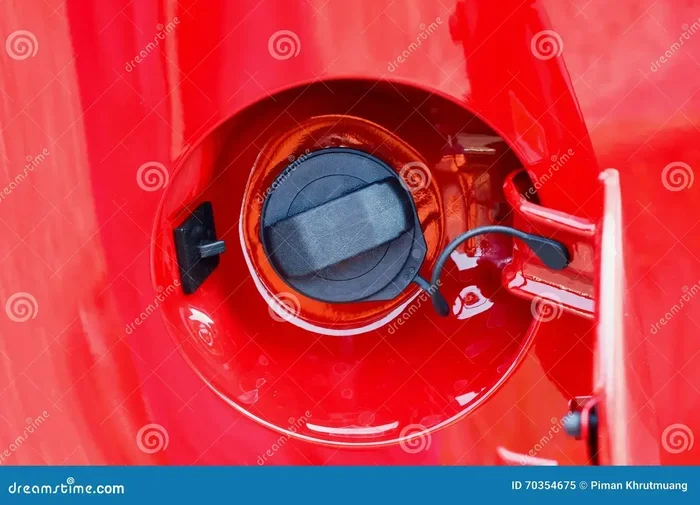
The gas tank opening is not just one single part. It is a system of components working together. When you refer to the gas tank opening, you are usually talking about three things: the fuel filler neck, the fuel filler door, and the gas cap. Each part has a specific job, and knowing their names helps you communicate with mechanics and find the right replacement parts.
The Fuel Filler Neck
The fuel filler neck is the pipe that runs from the gas cap down into the fuel tank. It is a rigid or semi-rigid tube that directs fuel into the tank and also allows vapors to move back through the system. The neck is attached to the tank with a flanged connection and sealed with a gasket. Over time, this neck can corrode, crack, or develop leaks, especially in older vehicles or those exposed to road salt.
A healthy fuel filler neck ensures that fuel flows smoothly into the tank and that no vapor escapes. If you notice a fuel smell near the rear of your car, a damaged neck could be the culprit.
The Fuel Filler Door
The fuel filler door is the external cover that hides the gas cap and the opening to the fuel filler neck. It is also called the gas tank door, fuel door, or filler flap. The door is attached to the vehicle body with a hinge or a latch and is often designed to blend into the body panel for a clean look. Some doors open outward, while others swing inward or drop down.
The fuel filler door protects the gas cap and the fuel system from dirt, debris, and weather. It also plays a role in aerodynamics. A damaged or misaligned door can create drag, which slightly reduces fuel economy. The door usually has a release mechanism inside the cabin or on the door itself.
The Gas Cap
The gas cap, also known as the filler cap or fuel cap, is the removable cover that seals the top of the fuel filler neck. It is the part you twist to open and close. Modern gas caps are not just simple plugs. They are part of the evaporative emissions control system, which captures fuel vapors and routes them back to the engine for combustion.
A loose or damaged gas cap is one of the most common reasons for a check engine light. It can also cause fuel vapor leaks, which waste gasoline and harm the environment. The gas cap has a rubber seal that wears out over time, so it should be inspected regularly.
Why the Gas Tank Opening Matters
You might think the gas tank opening is just a hole in your car, but it affects several important systems. A properly functioning gas tank opening keeps your fuel system sealed, your engine running efficiently, and your vehicle safe.
Safety and Fuel Economy
A sealed gas tank opening prevents fuel spills and vapor release. When you fill up, the fuel goes into the tank, and the vapors are captured by the charcoal canister. If the gas tank opening is not sealed correctly, fuel vapor can escape into the atmosphere. This not only wastes fuel but also creates a fire hazard in extreme cases. A tight seal also helps maintain the correct pressure inside the tank, which allows the fuel pump to work efficiently and improves your gas mileage.
According to the EPA, a loose gas cap alone can reduce fuel economy by 1 to 2 percent. While that may sound small, it adds up over thousands of miles.
Emissions and Environmental Impact
Fuel vapors contain hydrocarbons, which contribute to smog and ground-level ozone. The gas tank opening and its associated vapor recovery system are designed to prevent these harmful emissions. When you pass an emissions test, the technician checks the evaporative emissions system, which includes the gas cap and the fuel filler neck. A faulty gas tank opening can cause you to fail the test.
In many states, a check engine light caused by a loose gas cap will prevent your vehicle from passing inspection. Keeping the gas tank opening in good condition is an easy way to do your part for cleaner air.
Preventing Expensive Repairs
Ignoring a damaged gas tank opening can lead to bigger problems. A cracked fuel filler neck can let moisture and dirt into the fuel system, which can clog the fuel filter or damage the fuel pump. A stuck fuel filler door can be a sign of a broken latch or release cable, which may require more involved repair if left unchecked. Addressing small issues with the gas tank opening early can save you from costly fuel system repairs later.
Types of Gas Tank Openings
Not all gas tank openings are the same. Car manufacturers use different designs depending on the vehicle model, body style, and market. Understanding the types can help you identify your own setup and troubleshoot problems.
Side-Release Doors
The side-release fuel door is the most common type in North America. It is located on the rear quarter panel or rear fender and opens outward with a push or a lever inside the cabin. The door is usually held shut by a spring-loaded latch. Many side-release doors have a central or offset hinge and can be opened by pressing a button on the door panel or pulling a cable from the driver’s side.
This design is simple, durable, and easy to replace. However, the hinge pins can wear out, causing the door to sag or not close properly.
Flush-Mount Doors
Flush-mount fuel doors are designed to sit level with the body panel, creating a smooth exterior. They are common on European and luxury vehicles. The door often has a recessed handle or a push-to-open mechanism. Because the door is flush, it is less likely to catch on branches or debris, but it can be harder to replace if the hinge mechanism is integrated into the body panel.
Remote-Release Doors
Many modern vehicles come with a remote fuel door release. You press a button on the instrument panel or the key fob, and the door pops open. This is convenient, especially in cold weather or when you are carrying groceries. The remote release uses an electric motor or a solenoid connected to the latch. If the release motor fails, you may need to use the manual override, which is often a small slot or lever near the door.
Comparison Table: Gas Tank Opening Types
| Type | Location | Common Vehicles | Pros | Cons |
|---|---|---|---|---|
| Side-Release | Rear quarter panel | Most sedans, SUVs, trucks | Simple, durable, easy to replace | Hinge pins can wear |
| Flush-Mount | Rear quarter panel | Luxury, European cars | Aerodynamic, clean look | Harder to replace, can be pricey |
| Remote-Release | Rear quarter panel | Modern cars, trucks | Convenient, hands-free | Motor or solenoid can fail |
How to Open Your Gas Tank Door
Opening the gas tank door seems obvious, but different vehicles use different release methods. Knowing how yours works can prevent frustration at the pump.
Locating the Release Mechanism
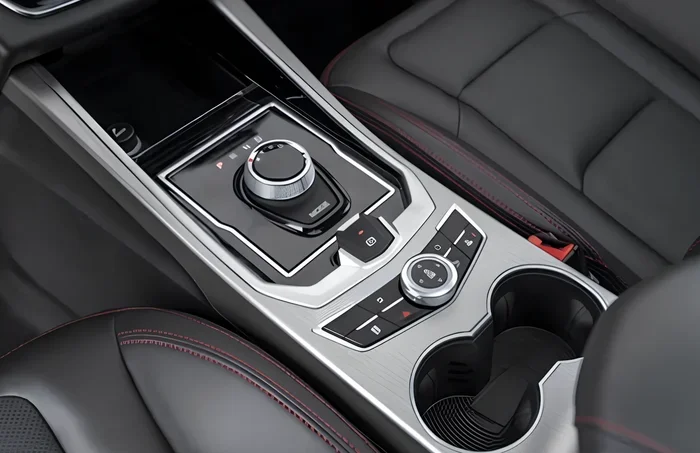
Most side-release doors have a lever or button on the driver’s side door panel, near the seat. Some vehicles place the release on the dashboard, to the left of the steering wheel. In trucks and SUVs, the release might be on the floor console or the center stack. If you cannot find it, check the owner’s manual. The manual will also tell you if there is a manual override for when the electrical system fails.
Common Release Methods
Here are the most common ways to open a fuel filler door:
- Pull a lever: A metal or plastic lever on the driver’s seat or door panel pulls a cable connected to the latch.
- Press a button: A small button on the dash or console activates an electric motor that releases the door.
- Push the door: Some doors do not have a release inside; you simply push them open from the outside. These are common on older vehicles and some economy cars.
- Key access: A few vehicles require the ignition key to be turned to unlock the fuel door, especially in models with anti-siphon devices.
Always open the door before you start pumping fuel. Opening it while the nozzle is in the tank can cause a minor spill if the door is stiff or stuck.
Common Problems with Gas Tank Openings
Like any car part, the gas tank opening can develop issues over time. Recognizing these problems early can save you time and money.
Stuck or Jammed Doors
A fuel filler door that will not open is a common annoyance. It can happen in winter when ice builds up around the latch. It can also occur if the release cable stretches, breaks, or seizes. Corrosion from road salt can cause the hinge or latch to rust. If the door is stuck, do not force it. You can try applying a penetrating lubricant to the hinge or latch mechanism. If the cable is broken, a mechanic can replace it relatively quickly.
Broken Latches and Release Cables
The latch that holds the fuel filler door shut can wear out or break. A broken latch may not close properly, leaving the door ajar and creating wind noise and drag. The release cable can also fray or snap. When the cable breaks, you will not be able to open the door from inside the cabin. Most vehicles have a manual override, often a small slot on the door itself where you can insert a screwdriver or a key to pop the latch.
Worn Seals and Vapor Leaks
The gas cap seal and the gasket on the fuel filler neck are rubber components that degrade over time. A worn seal allows fuel vapors to escape, which triggers the check engine light and fails emissions tests. You might also notice a faint fuel odor around the rear of the vehicle. Replacing the gas cap is cheap and easy. If the neck gasket is the problem, you may need to replace the fuel filler neck or have it repaired.
Maintenance and Replacement Tips
Taking care of your gas tank opening is simple and can extend its life for years. A few routine checks can keep everything working smoothly.
When to Replace the Gas Cap
You should replace the gas cap if you notice any of these signs: the check engine light is on, the cap does not tighten properly, the rubber seal is cracked or brittle, or you smell fuel near the rear of the car. A new gas cap is inexpensive and often comes with a universal fit. However, for the best seal and performance, choose an OEM cap that matches your vehicle’s specifications.
DIY vs. Professional Repair
Replacing a gas cap or a fuel filler door latch can be a DIY job if you have basic tools. The gas cap simply twists off and on. The door latch may require removing a few screws or bolts. However, if the fuel filler neck is cracked or the release cable is hard to access, it is best to visit a qualified mechanic. Working on the fuel system requires care to avoid fuel leaks and fire hazards.
Quick Tips for Longevity
Follow these simple tips to keep your gas tank opening in top shape:
- Tighten the gas cap until it clicks: This ensures a proper seal.
- Do not over tighten: Forcing the cap can damage the seal or the neck threads.
- Keep the door hinge lubricated: A small spray of silicone lubricant prevents squeaks and rust.
- Check the seal regularly: Inspect the gas cap seal and the filler neck gasket once a year.
- Replace worn parts promptly: A small crack in the fuel filler neck can grow into a major leak.
The gas tank opening may not be the most glamorous part of your car, but it is essential. By understanding what it is called and how it works, you can keep your vehicle safe, efficient, and road-ready.
Conclusion
The gas tank opening is more than just a door you flip open at the fuel station. It is a carefully designed system that includes the fuel filler neck, the fuel filler door, and the gas cap. Together, these parts protect your fuel, improve your gas mileage, and reduce harmful emissions. Now that you know what the gas tank opening is called and why it matters, you can take better care of your vehicle. Check your gas cap seal, listen for unusual clicks when opening the door, and never ignore a fuel odor. A little attention to this small part goes a long way toward keeping your car running smoothly for miles to come.
Frequently Asked Questions
What is the metal tube that the gas cap screws into called?
The metal tube is called the fuel filler neck. It connects the gas cap to the fuel tank and directs fuel inside while allowing vapors to return to the system.
Can a loose gas tank opening cause a check engine light?
Yes. A loose or damaged gas cap, or a cracked fuel filler neck, can trigger the check engine light because the evaporative emissions system detects a leak in the fuel vapor system.
How do I know if my fuel filler door needs to be replaced?
Signs include the door not closing flush, visible damage or rust, a broken latch, or a rattling noise when driving. If the door does not seal properly, it can affect aerodynamics and fuel economy.
Is it safe to drive with a missing gas cap?
It is not recommended. Driving without a gas cap allows fuel vapors to escape, which wastes fuel, creates a fire risk, and will likely cause you to fail an emissions test.
What is the difference between a fuel filler door and a fuel tank vent?
The fuel filler door is the external cover that opens to allow you to add fuel. The fuel tank vent is part of the internal system that allows air to enter the tank as fuel is used, preventing a vacuum. They work together but serve different purposes.
How often should I replace my gas cap?
Most gas caps last for many years, but you should replace yours if the seal shows cracks, the cap does not tighten properly, or you experience frequent fuel odor or check engine lights. A good rule is to inspect it annually.