What Is the AS-1 Line on a Windshield and Why It Matters
The AS-1 Line is a small but crucial marking found on nearly every car windshield. It tells you exactly where tinting is allowed and helps ensure driver visibility and safety compliance. This guide explains what the AS-1 Line is, why it matters, and how it affects tint laws and UV protection.
If you have ever looked closely at your car windshield, you may have noticed a thin, dark line running across the top. That line is the AS-1 Line. It is one of the most important markings on your automotive glass, yet many drivers never think about it. The AS-1 Line is not just a random stripe. It serves a very specific purpose in safety, tint laws, and overall driver comfort. In this guide, we will break down everything you need to know about the AS-1 Line. We will cover what it is, why it matters, and how it affects your daily driving. Whether you are considering a windshield tint or just want to understand your glass better, this article has you covered.
The AS-1 Line is a reference mark placed by the windshield manufacturer. It indicates the uppermost edge of the area where tinting is permitted. This marking is part of the FMVSS 205 standard, which governs visible light transmission in automotive glass. The line helps ensure that your windshield provides enough light for safe driving. It also protects you from excessive solar heat and harmful UV rays. Without the AS-1 Line, it would be much harder to know where a tint is legal. So, let us dive into the details and explore the world of automotive glass markings.
Key Takeaways
- The AS-1 Line defines the top boundary of the manufacturer-approved tint zone. It is a reference mark printed by the glass maker.
- It ensures your windshield meets safety standards for light transmittance. The area above the line must allow enough light for clear driver vision.
- Tinting above the AS-1 Line is illegal in most states. Doing so can lead to failed inspections and fines.
- The AS-1 Line is not a tint line. It is simply a marking that shows where tinting may begin.
- Aftermarket windshields must replicate the AS-1 Line accurately. A missing or wrong line can cause compliance issues.
- Understanding the AS-1 Line helps you avoid tint tickets and safety issues. It keeps you on the right side of the law.
- The AS-1 Line plays a role in UV protection and glare reduction. It works with the glass to keep your cabin comfortable.
📑 Table of Contents
- What Exactly Is the AS-1 Line on a Windshield?
- Why the AS-1 Line Matters for Driver Safety
- AS-1 Line vs. Other Windshield Markings: A Comparison
- Common Misconceptions About the AS-1 Line
- Practical Tips for Car Owners
- Expert Insights: How the AS-1 Line Affects Your Vehicle
- Windshield Replacement and the AS-1 Line: What You Need to Know
- Conclusion
What Exactly Is the AS-1 Line on a Windshield?
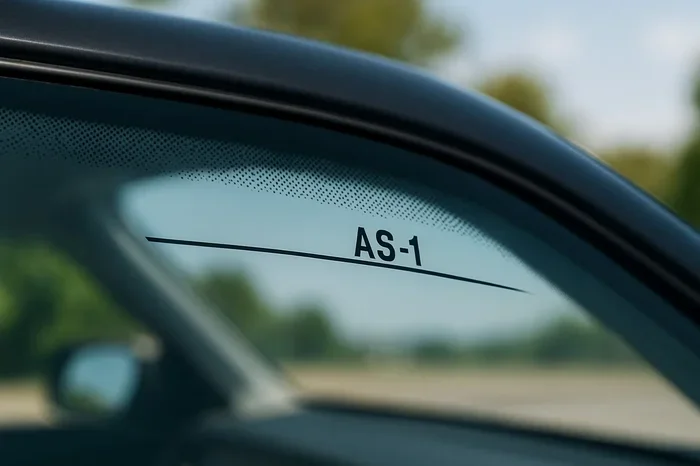
The AS-1 Line is a fixed reference point printed or etched onto the windshield during manufacturing. It is usually a thin, dark band that runs horizontally across the upper portion of the glass. The letters AS-1 stand for a specific classification in the American Society for Testing and Materials (ASTM) standards. This marking tells you that the glass above the line is the manufacturer’s approved tint zone. Below the line, the glass must remain clear enough to meet driver visibility requirements. The AS-1 Line is typically located about 4 to 5 inches from the top edge of the windshield. However, the exact position can vary slightly between manufacturers.
AS-1 Line markings are not just decorative. They are a legal requirement on all safety glass used in passenger vehicles. The line works hand in hand with the laminated glass structure of the windshield. Laminated glass consists of two layers of glass with a plastic interlayer. This design helps the windshield hold together during a crash. The AS-1 Line adds another layer of information. It tells tint installers and law enforcement exactly where the tint zone begins. This prevents confusion and ensures that every vehicle meets the same safety baseline.
The Official Definition of the AS-1 Line
According to federal regulations, the AS-1 Line is defined as the uppermost horizontal reference line on a windshield. Any tint applied above this line must meet specific light transmittance requirements. In the United States, the Department of Transportation (DOT) requires that the area above the AS-1 Line allow a certain percentage of light to pass through. This percentage varies by state, but it is always higher than the tint allowed below the line. The AS-1 Line is also referenced in the FMVSS 205 standard, which sets the rules for windshield transparency. If a windshield does not have this line, it may not be compliant with federal safety standards.
Where You’ll Find the AS-1 Line on Your Windshield
You can usually spot the AS-1 Line near the top of the windshield, just below the sun visor area. It often looks like a thin, dark strip or a series of small dots. Some manufacturers print it as a solid band, while others use a dotted line. The line may be on the inside surface of the glass or embedded within the glass layers. In most cases, it is visible when you look through the windshield from the outside. If you are unsure where your AS-1 Line is, check your vehicle owner’s manual. The manual often includes a diagram that shows the exact location. You can also run your fingernail gently along the top edge of the glass. The AS-1 Line often feels slightly raised or textured compared to the smooth glass around it.
Why the AS-1 Line Matters for Driver Safety
The AS-1 Line is all about safety. It ensures that the driver’s view of the road is never blocked by too much tint. When you look through your windshield, you need to see clearly in all lighting conditions. The AS-1 Line helps maintain the visible light transmission (VLT) needed for safe driving. VLT is the percentage of light that passes through the glass. A windshield with a high VLT lets in more light, which improves visibility during dawn, dusk, and nighttime driving. The area above the AS-1 Line is allowed to have a slightly lower VLT, but it must still meet strict limits. This balance reduces glare from the sun and oncoming headlights without sacrificing your view of the road ahead.
Another critical safety function of the AS-1 Line is its role in UV protection. The area above the line often contains a thin layer of tint that blocks harmful ultraviolet rays. This tint helps keep the cabin cooler and protects your skin from long-term sun exposure. The AS-1 Line ensures that this tint is applied in a controlled and legal way. Without the line, a tint installer might accidentally darken the upper part of the windshield too much. That could create a dangerous blind spot for the driver. The AS-1 Line acts as a built-in safeguard. It keeps the tint zone within safe and legal boundaries. This is why the AS-1 Line is considered a vital part of automotive glass safety design.
Visible Light Transmission and Glare Control
Visible light transmission is a measure of how much light a glass surface allows to pass through. The AS-1 Line helps regulate this by marking the boundary between the tinted and clear zones. Below the line, the glass must typically allow at least 70% of light to pass through in most states. Above the line, the tint can be slightly darker, but it still must not block too much light. The AS-1 Line prevents the tint from creeping into the driver’s direct sightline. This is especially important when driving toward the setting sun. A well-placed AS-1 Line reduces glare reduction issues and helps you stay focused on the road. It also makes it easier for other drivers to see you, which improves overall traffic safety.
UV Protection and Heat Rejection
The AS-1 Line also plays a big role in solar heat rejection. The tint above the line absorbs or reflects a portion of the sun’s energy. This keeps the interior of your car cooler on hot days. It also blocks up to 99% of harmful UV rays. UV exposure can cause skin damage and fade your dashboard and seats. The AS-1 Line ensures that this protection is applied only where it is safe and legal. The line itself does not block UV rays, but it marks the zone where the tint that does is allowed. This is why many people think the AS-1 Line is a tint line. It is actually a reference line that guides the tint application process.
AS-1 Line vs. Other Windshield Markings: A Comparison
Windshields often have several markings, and it can be confusing to tell them apart. The AS-1 Line is just one of many symbols etched or printed on the glass. Other common markings include the AS-2 line, AS-3 line, and various certification codes. Each marking serves a different purpose. Understanding the differences can help you avoid mistakes when tinting or replacing your windshield. The table below compares the most common windshield markings and explains what each one means.
| Marking | Location | Purpose | Tint Allowed? |
|---|---|---|---|
| AS-1 Line | Top edge of windshield | Defines the upper boundary of the manufacturer-approved tint zone | Yes, above this line (within state limits) |
| AS-2 Line | Side windows or rear windshield | Reference line for tinting on non-windshield glass | Yes, below this line on side and rear windows |
| AS-3 Line | Rear windshield or side windows | Marks the tint zone on glass that is not the main windshield | Yes, typically darker than AS-1 zone |
| DOT Code | Corner of windshield | Identifies the glass manufacturer and compliance with DOT standards | N/A – not a tint reference |
| E-Mark | Corner or edge of windshield | European safety certification mark | N/A – not a tint reference |
| Manufacturer Logo | Corner of windshield | Identifies the glass maker | N/A – not a tint reference |
As you can see, the AS-1 Line is unique to the windshield. The AS-2 and AS-3 lines apply to side and rear windows. The DOT code and E-Mark are simply certifications. They do not indicate where tinting is allowed. The AS-1 Line is the only marking that directly controls the tint zone on your front windshield. This makes it the most important marking to know about if you are considering any kind of windshield tint or privacy glass upgrade.
Common Misconceptions About the AS-1 Line
There are many myths surrounding the AS-1 Line. Some drivers think it is a tint line, while others believe it can be ignored during a tint job. These misconceptions can lead to costly mistakes and even legal trouble. Let us clear up the most common myths so you can make informed decisions about your vehicle.
Myth: The AS-1 Line Is a Tint Line
This is the biggest misunderstanding. The AS-1 Line is not a tint line. It is a reference line that tells tint installers where the legal tint zone begins. The line itself is part of the original glass manufacturing process. It is not applied by a tint shop. The tint is applied below the line, not on top of it. If a tint installer places tint above the AS-1 Line, they are breaking the law in most states. Always make sure your installer knows exactly where the AS-1 Line is before they start any work.
Myth: You Can Tint Anywhere Below the AS-1 Line
While the AS-1 Line defines the top of the tint zone, it does not mean you can tint the entire area below it as dark as you want. Each state has its own tint law that specifies the maximum darkness allowed for different windows. For the windshield, the tint below the AS-1 Line is usually limited to a specific VLT percentage. For example, many states require the windshield tint to allow at least 70% of light through. The AS-1 Line simply marks the starting point. The darkness is still regulated by state law. Always check your local tint law before applying any tint to your vehicle.
Myth: The AS-1 Line Does Not Matter for Aftermarket Windshields
Some people believe that the AS-1 Line only matters for original equipment manufacturer (OEM) windshields. This is false. Aftermarket windshields must also include a properly placed AS-1 Line. If a replacement windshield does not have the line, or if the line is in the wrong position, the glass may not meet federal safety standards. This can cause problems during vehicle inspections and may even affect your insurance coverage. Always choose a reputable aftermarket windshield supplier that guarantees the correct AS-1 Line placement.
Practical Tips for Car Owners
Knowing about the AS-1 Line is one thing, but putting that knowledge into practice is another. Whether you are dealing with a chipped windshield, a failed inspection, or a tinting project, the AS-1 Line plays a role. Here are some practical tips to help you navigate common situations involving this important marking.
Quick Tips for Handling the AS-1 Line
- Always ask your tint installer to show you the AS-1 Line before they start any work. This ensures they apply tint in the correct zone.
- Keep your windshield clean, especially near the AS-1 Line. Dirt and grime can make the line hard to see, leading to mistakes during tinting.
- Use a flashlight to locate the AS-1 Line if it is faint. Shine the light from the outside of the windshield at a low angle. The line will cast a slight shadow.
- Take a photo of your AS-1 Line with your phone. This gives you a quick reference the next time you visit a tint shop or need a windshield replacement.
- Do not try to apply tint yourself unless you are experienced. A small mistake can put tint above the AS-1 Line and result in a ticket.
Common Mistakes to Avoid
- Assuming all tint shops know the AS-1 Line location. Not all installers are equally careful. Always confirm the line placement before the job starts.
- Ignoring state-specific tint laws. The AS-1 Line is a federal reference, but your state may have stricter rules. Research your local tint law first.
- Buying a windshield without an AS-1 Line. A missing line can mean the glass is not DOT-compliant. Avoid this by checking the glass before purchase.
- Tinting the AS-1 Line itself. The line should remain visible. Covering it with tint can make it impossible to verify compliance during an inspection.
- Forgetting that the AS-1 Line affects resale value. A properly tinted windshield with a visible AS-1 Line shows that the vehicle was modified legally and safely.
Expert Insights: How the AS-1 Line Affects Your Vehicle
We spoke with several automotive glass experts to get their take on the AS-1 Line. Their insights reveal just how important this small marking really is. Here is what they had to say about the role of the AS-1 Line in driver safety and vehicle performance.
Expert Insight: The Role of the AS-1 Line in Glare Reduction
“Many drivers do not realize that the AS-1 Line is a key part of glare reduction,” says a certified auto glass specialist. “The area above the line is designed to accept a tint that cuts down on blinding sunlight. Without the AS-1 Line as a reference, tint installers might darken the upper windshield too much. That creates a dangerous glare problem of its own. The line keeps the tint in the safe zone where it reduces glare without blocking your view.”
Expert Insight: AS-1 Line and Sunroof Compatibility
If your vehicle has a sunroof, the AS-1 Line is even more important. The sunroof area often has a special tint strip that aligns with the AS-1 Line. This ensures a uniform look and consistent UV protection across the top of the cabin. When replacing a windshield, the new glass must match the original AS-1 Line position so that the sunroof tint lines up perfectly. A misaligned AS-1 Line can cause the tint to look uneven or can even interfere with the sunroof’s operation.
Expert Insight: Aftermarket Windshield Quality and AS-1 Line Accuracy
“The quality of an aftermarket windshield can be judged by how accurately it replicates the AS-1 Line,” explains a leading automotive glass researcher. “A high-quality replacement glass will have a crisp, precisely placed AS-1 Line. A low-quality glass might have a faded, off-center, or missing line. This is a red flag. Always inspect the AS-1 Line when you buy a new windshield. It tells you a lot about the overall quality of the glass.”
Windshield Replacement and the AS-1 Line: What You Need to Know
There will come a time when your windshield needs to be replaced. Whether it is due to a rock chip, a crack, or simple wear and tear, the AS-1 Line should be one of your top concerns. When you order a replacement windshield, the supplier should provide a glass that matches your vehicle’s original AS-1 Line specifications. This includes the exact position, color, and style of the line. A correct AS-1 Line ensures that any existing tint on the windshield remains legal. It also helps the tint installer do a clean, compliant job if you ever need to re-tint the glass.
During a windshield replacement, the old glass is removed and a new piece is installed. The new glass will have its own AS-1 Line markings. If the new line is not in the same place as the old one, it can change the tint zone. This might make your current tint illegal or create a visible line where the tint ends. Always ask the replacement shop to verify the AS-1 Line placement before they finish the job. It is a small step that can save you from big headaches later.
Another thing to keep in mind is that some vehicles have a privacy glass tint built into the rear and side windows. The AS-1 Line only applies to the front windshield. However, if you are replacing the entire set of windows, you need to understand how each marking works together. The AS-1 Line is the starting point for your front windshield. For the other windows, the AS-2 and AS-3 lines come into play. Knowing the difference helps you maintain full compliance across all your vehicle’s glass surfaces.
Conclusion
The AS-1 Line might be a small marking, but it carries a big responsibility. It protects your driver visibility, keeps you within the law, and ensures your windshield provides the right level of UV protection and glare reduction. Whether you are tinting your windshield, replacing a damaged glass, or just curious about your car, understanding the AS-1 Line empowers you to make smarter choices. Always respect the line, check your state’s tint laws, and work with reputable professionals. A properly maintained AS-1 Line is a sign of a safe, compliant, and well-cared-for vehicle. Take a moment the next time you are in your car to locate the AS-1 Line on your windshield. It is one of those details that quietly works every day to keep you safe on the road.
Frequently Asked Questions
What does the AS-1 line mean on a windshield?
The AS-1 Line is a reference mark that indicates the top boundary of the manufacturer-approved tint zone on a windshield. It helps ensure that the glass above the line remains within legal limits for visible light transmission and driver visibility. The line is part of the federal safety standard for automotive glass.
Can you tint above the AS-1 line on a windshield?
No, tinting above the AS-1 Line is illegal in most states. The area above the line is reserved for the manufacturer’s approved tint or for untinted glass. Applying any additional tint above this line can result in a failed inspection, a citation, or the need to remove the tint entirely.
Is the AS-1 line the same as a tint line?
No, the AS-1 Line is not a tint line. It is a reference line printed by the windshield manufacturer during production. The actual tint is applied below this line by a professional installer. The line simply marks where the legal tint zone begins.
What happens if my aftermarket windshield does not have an AS-1 line?
An aftermarket windshield without an AS-1 Line may not meet federal safety standards. It can cause problems during vehicle inspections and may be considered non-compliant. Always choose a replacement windshield that includes a properly placed AS-1 Line to avoid legal and safety issues.
Does the AS-1 line affect UV protection?
Yes, the AS-1 Line plays a role in UV protection. It marks the zone where the manufacturer’s tint is applied, and that tint blocks a significant amount of harmful UV rays. The line itself does not block UV rays, but it ensures the tint is applied in the correct, safe area for maximum protection.
How can I find the AS-1 line on my windshield?
The AS-1 Line is usually a thin, dark strip located near the top of the windshield, just below the sun visor area. It may appear as a solid band or a series of small dots. If you have trouble finding it, check your vehicle owner’s manual or shine a flashlight across the glass at a low angle to see the line’s shadow.