How to Turn Off Traction Control in Volkswagen Passat
Knowing how to turn off traction control in your Volkswagen Passat is a useful skill for drivers who face tricky road conditions or need to free a stuck vehicle. The traction control system helps keep your Passat stable, but there are times when you need to disable it. This guide walks you through every method, location, and safety consideration so you can confidently manage your Passat’s traction control settings like a pro.
Driving a Volkswagen Passat comes with a range of smart safety features designed to keep you confident on the road. Among these, the traction control system plays a big role in helping you maintain grip when conditions get tough. But there are moments when you might need to turn off traction control in your Passat. Maybe you are stuck in snow, trying to navigate a gravel road, or your wheels are spinning and the system is actually making things worse. Whatever the reason, knowing how to disable this feature is an essential skill for any Passat owner.
This guide covers everything you need to know about the traction control system in the Volkswagen Passat. We will walk you through where the switch is, how to use it, when it makes sense to turn it off, and what to watch out for. By the end, you will feel completely comfortable managing your Passat’s traction settings.
Key Takeaways
- Easy Access: The traction control button in most Volkswagen Passat models is located on the dashboard or steering wheel area, making it simple to toggle on and off.
- When to Disable: Turning off traction control can help when your Passat is stuck in snow, mud, or sand, allowing the wheels to spin freely for better grip.
- Safety First: Always re-enable traction control once you are out of a tricky situation to maintain safe driving on normal roads.
- Dashboard Indicators: Your Passat’s dashboard will display a traction control warning light when the system is deactivated, so you always know its status.
- Model Variations: Different Passat model years may have slightly different switch locations, so check your owner’s manual for specifics.
- Related Systems: Traction control works closely with the ABS and electronic stability control systems, so disabling it affects overall vehicle stability.
📑 Table of Contents
- What Is Traction Control in a Volkswagen Passat?
- Where Is the Traction Control Button in a Volkswagen Passat?
- How to Turn Off Traction Control in Volkswagen Passat
- When Should You Turn Off Traction Control?
- What Happens When Traction Control Is Off?
- Common Mistakes When Disabling Traction Control
- Can You Turn Off Traction Control on a Passat With a Faulty System?
- Tips for Managing Traction Control in Different Seasons
- Frequently Asked Questions
- Final Thoughts
What Is Traction Control in a Volkswagen Passat?
Before you learn how to turn the system off, it helps to understand what it does. The traction control system in your Passat is designed to prevent your wheels from spinning out when you accelerate. It works by reducing engine power or applying the brakes to individual wheels when it detects a loss of grip.
This feature is especially helpful on wet roads, icy surfaces, or loose gravel. The system constantly monitors wheel speed sensors and compares them to your steering input. When it senses one or more wheels are spinning faster than they should, it steps in to correct the situation.
Most modern Volkswagen Passat models come with traction control as a standard feature. It is part of a broader safety package that includes the ABS system and electronic stability control. Together, these systems work to keep your Passat stable and predictable during everyday driving.
How the System Works
The traction control system relies on several components working together. Wheel speed sensors at each wheel send data to the car’s computer. If the computer detects that a wheel is spinning too fast during acceleration, it takes action. This can mean reducing fuel delivery to the engine or applying the brakes to that specific wheel.
The whole process happens in milliseconds. You might not even notice the system activating, but you may feel a slight reduction in power or a pulsing sensation through the brake pedal. This is completely normal and means the system is doing its job.
Where Is the Traction Control Button in a Volkswagen Passat?
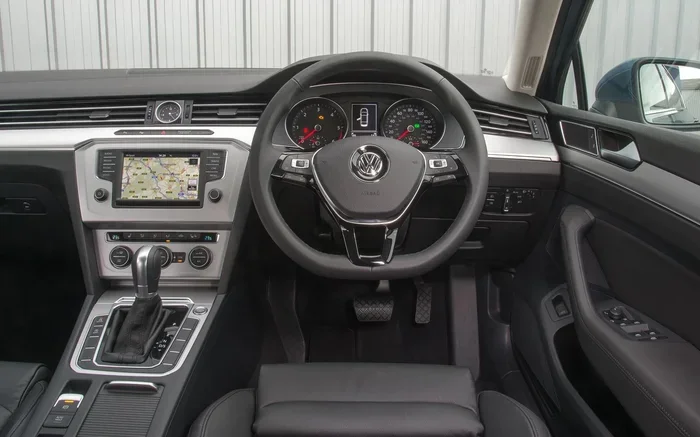
Finding the traction control switch in your Passat is usually straightforward. In most model years, the button is located on the dashboard area, near the center console, or on the steering column. The button typically has a symbol that looks like a car with squiggly lines behind it, which represents the traction control or electronic stability control system.
If you are having trouble locating it, check the area just below the dashboard or on the left side of the steering column. In some Passat models, the traction control switch is integrated into a larger button cluster that also controls other driving modes.
Common Locations by Model Year
Different Passat generations place the switch in slightly different spots. Here are the most common locations you might find it:
- Passat B6 and B7 (2006-2014): Look for the button on the left side of the dashboard, near the climate controls or the handbrake area.
- Passat B8 (2015 and newer): The switch is often found on the steering wheel column or in the infotainment area, depending on the trim level.
- Older Passat Models: Some earlier models may have the traction control toggle near the gear shifter or on the center console.
If you cannot find the button, consult your Passat owner’s manual. It will have a diagram showing the exact location for your specific model year. You can also look for the traction control symbol on the dashboard. When the system is active, this light will illuminate briefly when you start the car and then turn off.
How to Turn Off Traction Control in Volkswagen Passat
Turning off traction control in your Passat is a simple process. Follow these steps to deactivate the system safely.
Step-by-Step Instructions
- Start your Passat and let the engine idle for a few seconds.
- Locate the traction control button on the dashboard or steering column.
- Press the button firmly until you hear a click or see a light illuminate on the dashboard.
- Check the dashboard display for the traction control warning symbol. This confirms the system is now deactivated.
- Drive carefully and remember that the system is off until you turn it back on.
In some Passat models, pressing the button once turns off both traction control and electronic stability control. In others, you may need to press and hold the button for a few seconds to fully deactivate the system. The difference depends on your specific model year and trim level.
When the system is off, you will notice that the traction control warning light stays illuminated on your dashboard. This is normal and serves as a reminder that the safety feature is currently disabled. Always keep an eye on this light while driving.
Using the Button in Different Driving Situations
There are specific scenarios where turning off traction control makes sense. If your Passat is stuck in deep snow or mud, the traction control system might prevent your wheels from spinning enough to gain traction. In these cases, disabling the system allows the wheels to spin freely, which can help you rock the car forward or backward to escape the stuck position.
Similarly, if you are driving on loose gravel or a sandy beach, you might want to turn off traction control. The system can sometimes interfere with your ability to maintain momentum on these surfaces. By disabling it, you give yourself more control over the wheel spin and can navigate more effectively.
When Should You Turn Off Traction Control?
While traction control is a valuable safety feature for everyday driving, there are legitimate reasons to turn it off. Understanding when and why to disable the system will help you make smart decisions behind the wheel.
Driving in Deep Snow or Ice
If your Passat is stuck in snow, the traction control system can actually work against you. When the system detects wheel spin, it reduces engine power, which might prevent you from building enough momentum to get unstuck. Turning off traction control allows the wheels to spin more freely, helping you push through the snow. Once you are moving again, consider turning the system back on for safety.
Navigating Loose or Slippery Surfaces
Gravel roads, muddy trails, and sandy terrain can all cause the traction control system to engage unnecessarily. On these surfaces, a controlled amount of wheel spin can actually help you maintain forward momentum. Disabling traction control gives you more flexibility to manage your Passat’s power delivery.
Performing Vehicle Maintenance or Diagnostics
Sometimes mechanics or DIY enthusiasts need to turn off traction control when working on the vehicle. For example, if you are manually clearing car codes or performing a brake inspection, having the traction control disabled ensures the system does not interfere with your work.
Also, if your check engine light is on and you are troubleshooting the issue, disabling traction control can help isolate whether the problem is related to the stability control system or something else entirely.
Emergency Situations
In rare emergency situations, you might need to override the traction control system. For instance, if your Passat is sliding on ice and the traction control is constantly braking individual wheels, it might prevent you from steering effectively to avoid an obstacle. In such cases, turning off the system can give you more control over the vehicle’s movement.
What Happens When Traction Control Is Off?
Understanding the consequences of driving with traction control disabled is important for your safety. When the system is off, your Passat loses the automated intervention that normally prevents wheel spin. This means you are solely responsible for managing traction through your driving technique.
Increased Risk on Wet or Icy Roads
Without traction control, your wheels are more likely to spin on slippery surfaces. This can lead to loss of control, especially during acceleration. If you drive with the system off, you need to be extra gentle with the throttle and avoid sudden movements.
Impact on ABS and Stability Systems
In many Passat models, turning off traction control also disables related systems like electronic stability control. These systems work together as a package. When you turn off one, the others may also be affected. This means your Passat will have reduced overall stability assistance when the traction control is deactivated.
Dashboard Warning Lights
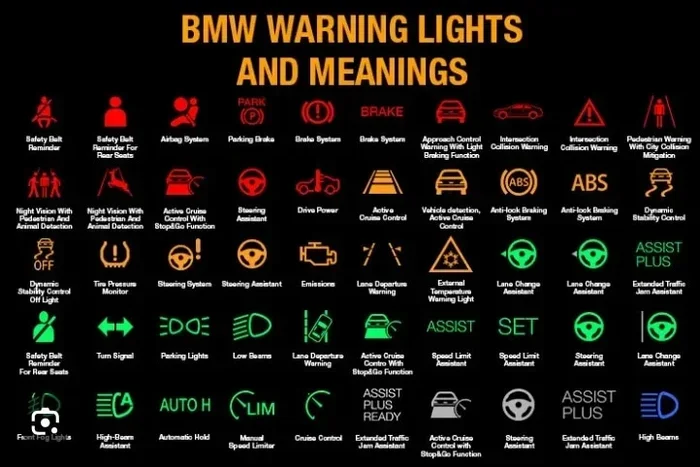
Your Passat’s dashboard will display a specific warning symbol when traction control is off. This symbol typically looks like a car with squiggly lines or the letters “TCS” with a line through it. If you see this light, you know the system is currently disabled. If the light stays on even when you turn the system on, it could indicate a malfunction that needs attention.
Common Mistakes When Disabling Traction Control
Many Passat owners make avoidable mistakes when dealing with the traction control system. Being aware of these pitfalls can save you time, money, and potentially prevent accidents.
- Forgetting to Re-enable the System: The most common mistake is leaving traction control off after you no longer need it disabled. Always remember to turn it back on once you are out of a tricky situation.
- Confusing Traction Control with Other Systems: The traction control button may also control the electronic stability program or the anti-slip regulation system. Make sure you understand which system you are disabling.
- Ignoring Warning Lights: If the traction control light stays on after you try to turn the system on, there may be a sensor issue or a code stored in the car’s computer. Do not ignore this.
- Driving Aggressively With the System Off: Without traction control, aggressive driving on slippery roads can quickly lead to loss of control. Always drive cautiously when the system is disabled.
- Not Consulting the Owner’s Manual: Every Passat model is slightly different. Your owner’s manual provides specific instructions for your vehicle and can clarify any confusion about the switch location or function.
Can You Turn Off Traction Control on a Passat With a Faulty System?
Sometimes the traction control system in a Passat can malfunction. If the system has a fault, you might see the traction control warning light stay on constantly, even when you press the button to turn the system on or off. In these cases, the button may not work as expected.
A faulty traction control system can be caused by several issues. A damaged wheel speed sensor is one of the most common culprits. These sensors are located at each wheel and can wear out over time. When one fails, the car’s computer receives incorrect data and may disable the entire traction control system as a safety measure.
If you suspect your traction control system is malfunctioning, it is a good idea to have it diagnosed by a professional. Many auto parts stores can read the fault codes for free. Once you know what the issue is, you can decide whether to repair it yourself or take your Passat to a service center.
Some owners choose to manually clear their car codes after fixing the underlying problem. This can reset the traction control light and restore normal function. However, if the root cause is not addressed, the codes will likely return, and the light will come back on.
Tips for Managing Traction Control in Different Seasons
Your approach to traction control should change with the seasons. Here are some practical tips to help you get the most out of your Passat’s safety systems year-round.
- Winter Driving: Keep traction control on for most winter driving conditions. Only turn it off temporarily when you are stuck and need to rock the car free.
- Spring Rain: Wet roads can be just as dangerous as icy roads. Traction control helps prevent hydroplaning and maintains stability during heavy rain.
- Summer Off-Road: If you enjoy exploring unpaved roads in the summer, familiarize yourself with how to toggle traction control on and off for different terrain types.
- Fall Leaves: Wet leaves on the road can be slippery. Traction control can help you maintain control, but be cautious when the system is off on leaf-covered roads.
Frequently Asked Questions
Can I drive my Volkswagen Passat with traction control turned off?
Yes, you can drive your Passat with traction control off, but you should exercise extra caution. The system will not intervene if your wheels start to spin, so you are responsible for managing traction yourself. It is safe for short distances in specific situations like getting unstuck in snow, but you should re-enable it for normal driving conditions.
Will turning off traction control affect my Passat’s warranty?
No, simply turning off the traction control system using the built-in button does not affect your Passat’s warranty. However, if disabling the system leads to an accident or damage, the warranty may not cover those specific repairs. Always use the feature as intended by the manufacturer.
What does the traction control warning light look like in a Passat?
The traction control warning light in a Volkswagen Passat typically appears as a car icon with wavy lines beneath it, or the letters “TCS” with a slash through them. When the system is active and working normally, the light briefly illuminates when you start the car and then turns off. If it stays on, the system is either off or there is a malfunction.
Can a faulty ABS sensor cause the traction control light to stay on?
Yes, absolutely. The traction control system shares components with the ABS system, including wheel speed sensors. If an ABS sensor fails or becomes dirty, it can trigger the traction control warning light. In this case, you may need to manually clear your car codes after replacing or cleaning the sensor to fully resolve the issue.
Is it okay to turn off traction control every time I drive in the snow?
It is fine to turn off traction control temporarily when you are stuck in snow and need to rock your Passat free. However, you should not drive with the system permanently disabled in snowy conditions. Re-enable it as soon as you are moving safely. For regular snow driving, keeping traction control on provides much better stability and safety.
Where can I find my Volkswagen Passat owner’s manual for more details?
Your Passat owner’s manual is typically stored in the glove box. If you have misplaced it, you can download a digital copy from the Volkswagen website by entering your vehicle’s VIN. The manual provides detailed information about all safety systems, including the traction control system and how to operate it for your specific model year.
Final Thoughts
Learning how to turn off traction control in Volkswagen Passat is a straightforward process that every Passat owner should know. Whether you are dealing with a stuck vehicle in snow, navigating loose terrain, or performing maintenance, understanding this feature gives you more control over your driving experience.
Always remember to use this feature responsibly. Traction control exists for a reason, and keeping it enabled during normal driving conditions is the safest choice. When you do need to disable it, follow the steps outlined in this guide, and be sure to re-enable the system once you are back on safe, stable ground.
Take a moment to familiarize yourself with the traction control button in your Passat today. Knowing exactly where it is and how it works can save you time and frustration the next time you find yourself in a tricky driving situation. Stay safe, stay informed, and enjoy the confidence that comes with understanding your vehicle’s features.